
Makeup
Dip Dye Wedding Dress Trend Will Make Your Big Day More Colorful
Jul
White wedding dresses are timeless, elegant, and beautiful. They are alsoey stepped out of the same bridal catalog as everyone else, the dip dye wedding dress trend offers a colorful alternative.
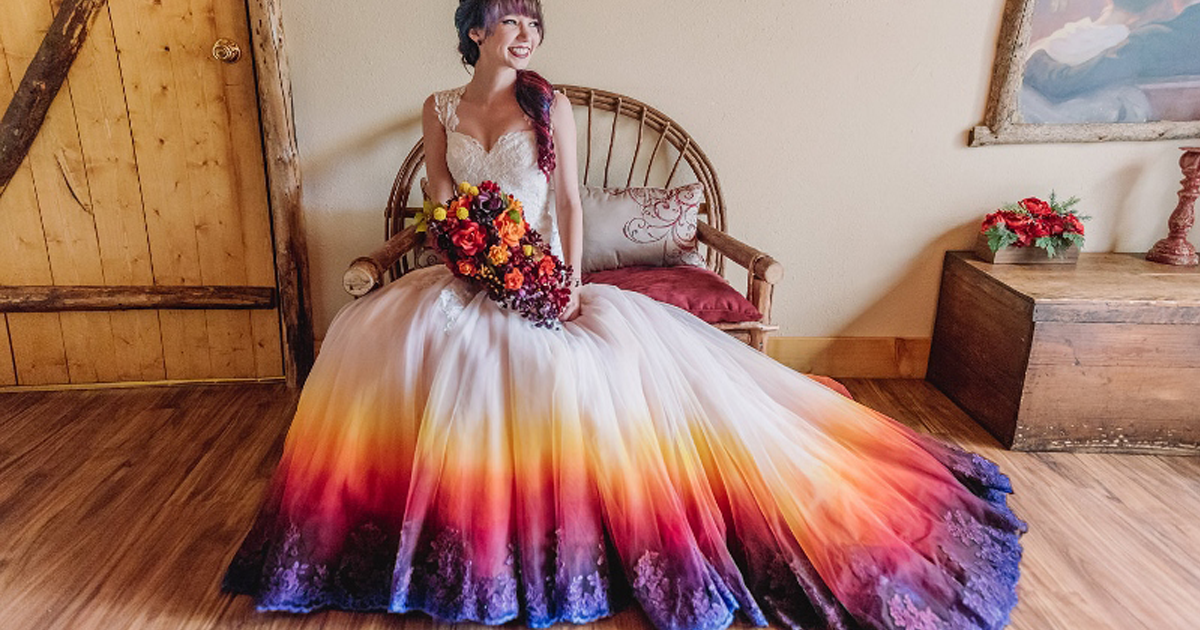
A dip dyed wedding dress usually begins withgradually from the hem. Some designs fade from white into a single shade, while others create a miniature sunset with several blended colors. The result can be delicate and dreamy, bold and theatrical, or somewhere delightfully in between.
Best of all, the effect works with many bridal personalities. A watercolor blush hem suits a garden ceremony, ocean blue feels at home near the coast, and black or burgundy can turn a classic ball gown into something wonderfully dramatic. It is basically the wedding-dress equivalent of saying, “Yes, I respect tradition, but tradition could use a little confetti.”
What Is a Dip Dye Wedding Dress?
Dip dyeing is a coloring technique in which part of a garment is immersed in a dye bath. The deepest color normally appears at the edge that remains submerged longest. As the fabric is raised, lowered, or exposed for shorter periods, the shade becomes lighter, producing a gradient.
The terms dip dye and ombré are often used interchangeably, although they are not always identical. Dip dyeing describes the method, while ombré describes the finished transition from one color or intensity to another. A dress can have a sharp dip-dyed line, a smooth ombré fade, or a deliberately irregular watercolor effect.
On a bridal gown, the colored area may cover only the final few inches of the train or extend upward across half the skirt. Some gowns feature one saturated tone. Others move through neighboring colors, such as peach, coral, and rose, or turquoise, blue, and violet.
Why Colorful Wedding Dresses Are Having a Moment
Modern bridal fashion increasingly prioritizes individuality. While ivory and white gowns remain dominant, designers and real brides are embracing blush, blue, lavender, gray, metallic, floral, and deeply saturated dresses. A dip dyed wedding gown fits naturally into this movement because it preserves the familiar bridal silhouette while adding a highly personal detail.
It Offers Tradition Without Total Predictability
A bride can still wear a lace bodice, cathedral train, fitted mermaid gown, or dramatic ball skirt. The color simply introduces a surprise at the bottom. From the front, the dress may initially appear classic. Then the bride turns, the train spreads across the floor, and suddenly the gown looks as though it wandered through a sunset and brought home a souvenir.
It Creates a Strong Visual Story
Weddings involve dozens of design decisions, from flowers and linens to invitations and lighting. A colorful hem can connect those details without requiring every napkin, candle, and cocktail to match perfectly. The dress becomes part of the wedding palette rather than an isolated white object surrounded by color.
It Looks Fantastic in Motion
Gradient color becomes especially noticeable when a full skirt moves. Walking down the aisle reveals flashes of color between folds. Spinning during the first dance creates a painted-circle effect. A breeze can lift layers of dyed tulle and produce photographs that look almost illustrated.
It Can Be Surprisingly Practical
Wedding dress hems have a difficult job. They travel across grass, pavement, dance floors, and occasionally a suspicious puddle no one remembers seeing during the venue tour. A darker colored hem may make minor marks less obvious than they would be on bright white fabric. It will not make the gown invincible, but it can reduce anxiety about every speck of outdoor dust.
Choosing the Right Dip Dye Color
The best color is not necessarily the trendiest shade. It should work with the bride’s personality, the gown, the venue, the season, and the overall mood of the celebration.
Blush, Peach, and Coral
Warm pinks create one of the softest approaches to the trend. Blush feels romantic, peach adds warmth, and coral brings enough energy to stand out in photographs. These shades work beautifully for spring gardens, summer estates, and romantic indoor weddings filled with candlelight.
Blue and Turquoise
A blue ombré wedding dress can serve as a very visible “something blue.” Pale sky blue looks airy and quiet, while turquoise and cobalt feel bolder. Ocean-inspired gradients are particularly effective for beach, lakeside, and destination weddings, where the hem can echo the surrounding water.
Lavender and Violet
Lavender provides color without overwhelming a delicate gown. It pairs naturally with silver accessories, greenery, lilacs, and cool-toned florals. Deep violet creates a more dramatic fantasy look, especially on layered tulle or an oversized train.
Yellow and Orange
Golden yellow, marigold, and orange can make a dress resemble sunrise or late-afternoon light. These tones suit fall ceremonies, desert settings, bohemian celebrations, and couples who consider beige a personal insult.
Black, Burgundy, and Deep Green
Dark dip dyed hems create a striking, fashion-forward result. Black can feel gothic, minimalist, or editorial depending on the silhouette. Burgundy adds richness to autumn and winter weddings, while forest green works well in woodland venues. Because dark pigments can dominate delicate fabric, careful sampling is essential.
Rainbow Gradients
A multicolor hem is unapologetically joyful. It can incorporate Pride colors, represent cultural traditions, or simply celebrate a bride who has never met a bright color she did not want to invite home. The most polished rainbow effects usually blend related shades rather than placing every color in equally sized stripes.
The Wedding Dress Fabric Mattersa Lot
Dye does not behave the same way on every wedding dress. Before purchasing bottles, buckets, or enough protective plastic to make the kitchen resemble a low-budget science laboratory, identify the fiber content of every visible layer.
Silk
Silk can absorb color beautifully and produce rich, luminous results. However, bridal silk can be expensive and sensitive to heat, water, and uneven handling. A professional textile dyer is usually the safest choice for a valuable silk gown.
Polyester
Many modern wedding dresses contain polyester satin, chiffon, organza, or tulle. Polyester generally requires dye formulated for synthetic fibers and sustained high heat. That creates an obvious challenge: a large, heavily constructed wedding dress may not fit safely in a household pot, and glued embellishments may dislike near-boiling water even more than the cook dislikes explaining the situation.
Tulle and Organza
Sheer fabrics are ideal for layered color. Individual layers can be dyed at different intensities to build depth without creating one heavy block of pigment. However, tulle may be made from nylon, polyester, silk, or a blend, so visual appearance alone does not reveal the correct dye process.
Lace, Beading, and Embroidery
Lace motifs, embroidery threads, sequins, beads, and appliqués may all react differently. Cotton lace could absorb color strongly while polyester thread remains pale. Clear beads may take on reflected color without actually being dyed. Adhesives can soften under heat, and metal components may discolor. A sample using matching materials is therefore far more useful than testing dye on an unrelated cotton napkin.
Should You Buy a Finished Gown or Dye One Yourself?
There are three main routes: purchase a ready-made ombré gown, commission a custom design, or transform an existing dress.
Buying a Ready-Made Ombré Wedding Dress
This is the lowest-risk option because the designer has already selected compatible fabrics and controlled the color application. The bride can see the finished effect before committing, although alterations may change how much colored fabric remains at the hem.
Always complete major hem adjustments before assuming the gradient will sit in the same place. Removing several inches from the bottom can turn “romantic sunset fade” into “small orange stripe that appears to have arrived late.”
Commissioning a Custom Dress
A custom bridal designer or textile artist can coordinate the silhouette, color placement, and dye method from the beginning. This route offers the greatest control and is especially useful for complex palettes, hand-painted effects, removable overskirts, or gowns with intricate trains.
Ask to see physical color samples under natural and artificial light. Screens can distort hue, and a shade that looks dusty rose on a phone may become enthusiastic salmon under ballroom lighting.
Dyeing an Existing Wedding Dress
Transforming an existing gown may be affordable and deeply personal, particularly when working with a secondhand dress, a simple reception gown, or a family dress that can be altered with permission. It is also the highest-risk approach because completed gowns often contain several fibers, linings, stabilizers, threads, and decorative elements.
Professional dyeing is strongly recommended for an expensive, sentimental, or irreplaceable wedding dress. A skilled dyer can evaluate fiber content, identify vulnerable construction, test samples, and explain what cannot be guaranteed. Dyeing is chemistry, not a motivational speech; confidence alone does not make polyester absorb the wrong formula.
How a Smooth Ombré Effect Is Created
The exact process depends on the material, but successful gradients generally rely on preparation, testing, controlled exposure, and constant movement.
- Confirm the fiber content. Check labels, receipts, manufacturer information, and any available fabric swatches.
- Finish structural alterations first. Complete major changes to the hem, seams, train, and silhouette before final color placement.
- Clean the fabric appropriately. Stains, oils, finishes, and fabric treatments can prevent even absorption.
- Test matching material. Use an actual swatch from the gown whenever possible.
- Plan the gradient height. Mark where the darkest and lightest areas should begin.
- Keep the fabric moving. Raising, lowering, and gently agitating the material helps avoid harsh bands.
- Build color gradually. Fabric generally appears darker when wet, so patience beats panic.
- Rinse and set the color correctly. Follow the dye manufacturer’s instructions for the specific fiber and product.
- Allow generous drying time. Evaluate the completely dry gown before making corrections.
A gradual fade usually requires more control than simply lowering the skirt into a bucket and hoping the universe is feeling artistic. Multiple short dips, carefully timed sections, or hand application may be needed to achieve a seamless transition.
How to Style a Dip Dyed Wedding Gown
Let the Dress Lead the Palette
Use the gown’s color as a starting point rather than trying to match every object exactly. A blue-violet hem might inspire delphiniums, lavender stationery, slate linens, and silver accents. Variations create dimension and look more natural than a venue filled with one aggressively identical shade.
Keep Accessories Intentional
A colorful dress does not automatically require colorful shoes, jewelry, veil, bouquet, and manicure. Choose one or two supporting details. Nude shoes and simple pearls can calm a dramatic rainbow hem, while a tinted veil can extend a subtle single-color gradient.
Coordinate the Wedding Party
Bridesmaid dresses can echo one part of the gradient, use lighter and darker versions of the same hue, or remain neutral. Exact matching is difficult because fabrics and dye lots vary. Tonal coordination usually looks more sophisticated and causes fewer emergency group-chat debates.
Discuss the Dress With the Photographer
Color can shift under warm indoor lights, flash, deep shade, and sunset conditions. Tell the photographer that the gradient is an important design feature. Request movement shots, full-length portraits, train arrangements, and close-ups that preserve the subtle transitions.
Budget, Timeline, and Alteration Planning
Custom dye work should never be treated as a wedding-week craft project. Allow time for consultation, sourcing, swatch testing, dyeing, drying, possible correction, pressing, and final inspection. A professional may also need to remove and reattach decorative elements.
Costs vary according to fabric, skirt volume, number of layers, color complexity, and whether the artist must create a custom formula. A single-color fade on a simple chiffon skirt is generally less complicated than a five-color transformation on a beaded cathedral train.
Ask for written details about risks and expectations. Color may not be perfectly uniform, thread may remain lighter, and synthetic components may resist dye. Those variations can become part of the handmade beauty, but they should not arrive as a surprise the night before the ceremony.
Caring for a Dip Dyed Wedding Dress
After dyeing, follow the artist’s or manufacturer’s care instructions. Store the gown away from direct sunlight, humidity, and contact with pale fabrics until colorfastness is confirmed. Use a clean, breathable garment bag rather than tightly sealed plastic for long-term storage.
Before the wedding, avoid experimenting with steam, stain removers, perfume, or cleaning products on the dyed area. Some pigments can migrate when exposed to moisture or heat. After the celebration, choose a cleaner experienced with bridal gowns and custom-dyed textiles. Explain exactly how the dress was colored and provide any product information available.
Experience-Based Lessons From Colorful Bridal Projects
The most useful lessons about dip dyed wedding dresses rarely come from perfectly staged inspiration photos. They come from fittings, sample tests, venue walk-throughs, alteration appointments, and the moment someone realizes the gown has six different fiber types hiding under one elegant skirt.
The First Color Choice Is Not Always the Final One
Brides frequently begin with a broad idea such as “sunset,” “ocean,” or “wildflowers.” Those words sound wonderfully clear until everyone produces a different picture. One person imagines a pale peach sunset; another imagines blazing red and purple clouds capable of alarming local wildlife.
Creating a physical mood board helps translate an emotional idea into usable color. Fabric swatches, flower petals, paint chips, ribbons, and printed photographs reveal whether the desired palette is dusty, bright, cool, warm, muted, or highly saturated. The most successful projects narrow the concept before mixing dye.
Small Samples Prevent Large Regrets
A test swatch may feel disappointingly unglamorous compared with dyeing the actual gown, but it is the stage where valuable discoveries occur. The dusty blue formula may turn turquoise on nylon tulle. The ivory base may warm lavender into mauve. The lace may absorb twice as much pigment as the skirt beneath it.
Testing also shows how the fabric looks after rinsing and drying. Wet material often appears darker, which tempts inexperienced dyers to remove a dress too early or keep it submerged too long. Photographing samples in daylight, indoor lighting, and flash can reveal changes that are easy to miss at the worktable.
Layered Skirts Produce Unexpected Depth
A gown with several sheer layers can look flat when spread across a table but remarkably dimensional when worn. Pale dyed layers overlap and create deeper areas naturally. This means the artist may need less pigment than expected. Dyeing every layer to the same saturation can produce a heavy block of color rather than an airy fade.
Separating layers during testing allows the bride and artist to decide whether the lining, underskirt, and outer tulle should match. Sometimes leaving the lining pale gives the colored tulle a luminous quality. In other cases, a tinted lining makes a delicate gradient visible from across the room.
Alterations and Dyeing Must Be Coordinated
One of the most common planning problems is deciding whether to dye or hem first. In most cases, major length alterations should happen before the final gradient is applied. Otherwise, the tailor may remove the darkest and most dramatic portion of the design.
However, the artist may need extra fabric for testing, and the tailor may need to preserve offcuts. Communication between the bridal salon, alterations specialist, and dye artist prevents useful material from being discarded. A bag of hem scraps may look like leftovers, but to a textile artist it is a laboratory with lace attached.
The Venue Changes How the Color Feels
A pale gradient that looks subtle in a bright studio can appear more saturated in a dim ballroom. Dark hems may blend into a black dance floor, while pastel color can glow outdoors near sunset. Brides who visit the venue with swatches gain a more realistic understanding of the final effect.
The ground surface matters too. A long train on grass, sand, or stone will move differently from one on polished flooring. Bustle placement should display the color rather than folding every interesting section underneath the skirt. During the final fitting, take photographs while walking, sitting, turning, and bustling the train.
Perfect Uniformity Is Not Always the Goal
Hand-dyed fabric may contain slight variations, feathered edges, or areas where layers absorb color differently. These details often make the gown feel artistic rather than mass-produced. A dip dyed wedding dress is most successful when the bride appreciates the personality of handcrafted work instead of expecting every inch to resemble a digitally printed gradient.
The overall lesson is simple: creativity and preparation belong together. Bold color may begin with an impulsive idea, but the best results come from careful testing, realistic expectations, and enough time to let professionals solve problems before those problems are wearing a cathedral veil.
Conclusion
The dip dye wedding dress trend gives brides a memorable way to combine classic bridal style with personal color. From barely visible blush to dramatic black, ocean blue, or full rainbow gradients, the technique can transform a familiar silhouette into wearable art.
The key is to match the vision to the fabric, construction, venue, and timeline. Test everything, coordinate alterations carefully, and hire an experienced professional when the gown is valuable or technically complex. Done well, a dip dyed wedding gown does more than make the aisle colorful. It tells guests, before the vows even begin, that this celebration belongs unmistakably to the people standing at its center.

