
Beauty Tools & Accessories
10 Festivals that Honor the Dead
Jul
Every culture has its own way of answering one of life’s biggest questions: what do we do with love after someone dies? Some people light candles. Some sweep graves. Some cook enough food to feed the living, the dead, and possibly a very emotional neighborhood. Around the world, festivals that honor the dead transform grief into memory, family duty, music, flowers, lanterns, prayers, jokes, and sometimes giant kites that look as if they were designed by angels with excellent craft supplies.
These celebrations are not “spooky holidays” in the shallow haunted-house sense. They are living traditions. They remind communities that ancestors are not erased by time; they remain part of family stories, seasonal rhythms, spiritual responsibilities, and public identity. Many festivals of the dead also reveal something beautifully practical: humans need ritual. We need a day, a meal, a song, a road to the cemetery, a lantern on the water, or a place at the table to say, “You mattered. You still matter.”
Below are 10 festivals that honor the dead, each with its own history, mood, and meaning. Some are solemn. Some are joyful. Some are both before lunch. Together, they show that remembrance is not one-size-fits-all; it is a global language spoken in flowers, rice cakes, incense, drums, candles, prayers, and family recipes that nobody dares change because Grandma would absolutely notice.
1. Día de los Muertos: Mexico’s Colorful Reunion with the Departed
Where and when it happens
Día de los Muertos, or Day of the Dead, is most closely associated with Mexico and is widely celebrated by Mexican and Mexican American communities. It is usually observed on November 1 and November 2, aligning with All Saints’ Day and All Souls’ Day in the Catholic calendar.
How it honors the dead
At the heart of Día de los Muertos is the belief that the souls of loved ones return for a brief visit. Families welcome them with ofrendas, or home altars, decorated with photographs, candles, marigolds, sugar skulls, favorite foods, drinks, and personal items. The mood is not gloomy. It is tender, bright, and full of personality. If a grandfather loved coffee, the altar may include coffee. If an aunt loved tamales, tamales appear. Death may be mysterious, but hospitality remains very specific.
Marigolds, often called cempasúchil, are believed to help guide spirits with their vivid color and scent. Pan de muerto, a sweet bread often shaped with symbolic bone-like decorations, appears on many tables. In cemeteries, families may clean graves, bring flowers, play music, and share stories. The celebration treats memory as a relationship rather than a museum exhibit.
Why it matters
Día de los Muertos blends Indigenous Mesoamerican ideas about death with Catholic observances introduced during Spanish colonization. Its meaning continues to evolve, especially in the United States, where public festivals, museum programs, and community altars help younger generations connect with heritage. The key lesson is simple but profound: remembering the dead can be an act of joy, not denial.
2. Qingming Festival: China’s Tomb-Sweeping Day
Where and when it happens
Qingming Festival, also known as Tomb-Sweeping Day, is observed by Chinese communities in China and across the global Chinese diaspora. It usually falls around April 4 or April 5, about 15 days after the spring equinox.
How it honors the dead
Qingming combines ancestor remembrance with the freshness of spring. Families visit ancestral graves, sweep away leaves and weeds, clean tombstones, offer food, burn incense, and sometimes burn joss paper, a symbolic offering for the afterlife. The work is physical and spiritual. It says: “We remember you, and also, your resting place should not look like it lost a fight with a shrub.”
Offerings may include tea, fruit, wine, rice, or dishes the deceased enjoyed. In some places, people also fly kites or enjoy spring outings, giving Qingming a dual mood: respectful mourning and seasonal renewal. That combination is important. The festival acknowledges death while standing under new leaves and brighter skies.
Why it matters
Qingming reflects the deep role of filial piety in Chinese culture. Caring for ancestors is not only emotional; it is ethical. The festival connects generations through action, not just memory. Younger family members learn where they come from by literally visiting the ground where earlier generations rest.
3. Obon: Japan’s Lantern-Lit Welcome for Ancestors
Where and when it happens
Obon is a Japanese Buddhist festival honoring ancestral spirits. Depending on the region, it may be observed in July or August, with many communities celebrating around mid-August.
How it honors the dead
During Obon, families believe ancestral spirits return to visit their homes. People clean graves, place offerings at household altars, hang lanterns, and gather with relatives. In many towns, communities perform Bon Odori, traditional dances that can be graceful, lively, and welcoming enough to make even shy ancestors consider joining in.
Lanterns are especially important. They guide spirits home and, at the end of the festival, help send them back. In some places, floating lanterns are released onto rivers or the sea, creating a moving image of light traveling across water. The sight is beautiful, but it is not just beautiful. It is a ritual goodbye.
Why it matters
Obon is both religious and social. It is a time for ancestor reverence, family reunions, community dance, and local identity. Its rituals suggest that the dead are not distant strangers. They are guests, and like all important guests, they deserve light, food, respect, and a proper send-off.
4. Hungry Ghost Festival: Feeding the Restless Spirits
Where and when it happens
The Hungry Ghost Festival is observed in Chinese and other East and Southeast Asian communities, including places such as China, Taiwan, Singapore, Malaysia, and Vietnam. It falls during the seventh lunar month, often called Ghost Month.
How it honors the dead
During this period, many people believe the gates of the spirit world open and ghosts wander among the living. Families and temples make offerings of food, incense, paper money, and paper models of useful items. In some communities, performances are staged for spirits as well as humans. The front seats may be left empty for ghostly guests, which is possibly the most polite theater etiquette ever invented.
The festival distinguishes between ancestors who are cared for by descendants and wandering spirits who may have no one to remember them. Offerings help appease those restless spirits and protect the community from misfortune. The result is a festival of compassion as much as caution.
Why it matters
The Hungry Ghost Festival shows that remembrance can extend beyond one’s own family. It asks communities to consider forgotten souls, neglected spirits, and the moral responsibility of care. It also reveals how Buddhist, Taoist, and folk traditions can overlap in everyday practice.
5. Chuseok: Korea’s Harvest Festival of Family and Ancestors
Where and when it happens
Chuseok is one of Korea’s most important holidays. It is celebrated on the 15th day of the eighth month of the lunar calendar, during the full harvest moon, and usually lasts several days in South Korea.
How it honors the dead
Although Chuseok is often described as Korean Thanksgiving, ancestor remembrance is central to the holiday. Families gather for charye, a memorial rite that presents carefully arranged food to ancestors. They may also perform seongmyo, visiting ancestral graves, and beolcho, clearing weeds from burial sites before or during the holiday period.
Traditional foods include songpyeon, half-moon-shaped rice cakes filled with ingredients such as sesame seeds, beans, or chestnuts. The table becomes a bridge between harvest gratitude and family memory. Ancestors are thanked not as distant figures but as part of the household’s continuing story.
Why it matters
Chuseok connects abundance with ancestry. The harvest is not treated as random luck; it is part of a chain of labor, sacrifice, and inherited blessing. In a fast-moving modern society, Chuseok remains a powerful reminder to return home, honor the family line, and eat extremely well while doing it.
6. Pchum Ben: Cambodia’s Festival of Ancestors
Where and when it happens
Pchum Ben is a major Cambodian Buddhist festival that lasts 15 days and usually takes place in September or October, depending on the Khmer lunar calendar.
How it honors the dead
During Pchum Ben, Cambodians visit pagodas, make offerings to monks, and dedicate merit to deceased relatives. Many believe that spirits, including ancestors who may be suffering, can receive benefit from the prayers and offerings made by the living. Families bring rice balls, food, and other gifts to pagodas, especially during the early morning hours.
The festival is deeply communal. Villagers take turns supporting monks, listening to sermons, and remembering ancestors across generations. Some traditions speak of honoring up to seven generations of departed family members. That is a long guest list, and it says something beautiful: family memory does not stop at the people we personally met.
Why it matters
Pchum Ben reflects Buddhist ideas of merit-making, compassion, and moral duty. It also strengthens family and national identity in Cambodia. The living help the dead through ritual generosity, while the dead remind the living to act with humility and gratitude.
7. Gai Jatra: Nepal’s Festival of Cows, Comedy, and Grief
Where and when it happens
Gai Jatra is celebrated mainly in Nepal’s Kathmandu Valley, especially by the Newar community. It usually falls in August or September, according to the lunar calendar.
How it honors the dead
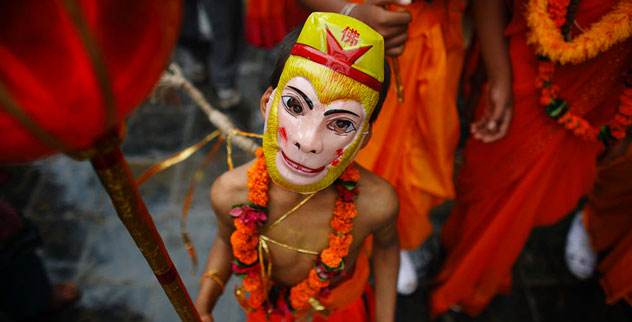
Gai Jatra honors family members who died during the previous year. Families traditionally send children or participants dressed as cows, or in cow-inspired costumes, through the streets. In Hindu belief, the cow is sacred and may help guide departed souls toward the afterlife.
What makes Gai Jatra especially striking is its use of humor. The festival includes processions, music, dancing, satire, and comic performances. It does not mock grief; it gives grief a place to breathe. The story often associated with the festival tells of a king who, after losing his son, wanted to comfort his grieving queen by showing that many families had suffered loss. Public mourning became shared mourning, and shared mourning made laughter possible again.
Why it matters
Gai Jatra understands something modern psychology also recognizes: grief can be isolating. By bringing loss into the street, the festival tells mourners they are not alone. Its humor is not disrespectful; it is medicine with bells on.
8. Famadihana: Madagascar’s Turning of the Bones
Where and when it happens
Famadihana, often translated as “the turning of the bones,” is practiced by some Malagasy communities in Madagascar, especially among the Merina and Betsileo peoples. It does not happen annually for every family; ceremonies may occur every several years, depending on family decisions, resources, and local custom.
How it honors the dead
During Famadihana, families open ancestral tombs, remove the remains of loved ones, rewrap them in fresh burial cloths, and celebrate with music, dancing, food, and family gathering. To outsiders, the practice may seem startling. Within its cultural context, it is an act of affection, renewal, and respect.
The ceremony allows relatives to update the bond between the living and the dead. Ancestors are not forgotten in sealed silence; they are visited, honored, and included. The atmosphere can be joyful rather than somber. People may dance with the wrapped remains before returning them to the tomb. It is a reminder that love can be physical, communal, and full of music.
Why it matters
Famadihana challenges assumptions about what mourning “should” look like. It shows that dignity does not always mean quietness. In some cultures, dignity means gathering the family, hiring musicians, preparing a feast, and making sure ancestors are wrapped in something new.
9. Festival de Barriletes Gigantes: Guatemala’s Giant Kites for the Dead
Where and when it happens
The Festival de Barriletes Gigantes, or Giant Kite Festival, is especially famous in Sumpango and Santiago Sacatepéquez, Guatemala. It takes place around November 1, All Saints’ Day, as part of local Day of the Dead traditions.
How it honors the dead
Families clean and decorate graves while artists and community groups build enormous kites from paper, bamboo, and months of patient work. Some kites are small enough to fly; others are massive display pieces rising like colorful walls against the sky. Designs may include ancestral symbols, Maya cultural imagery, social messages, and contemporary themes.
The kites are often understood as a way to communicate with the dead or guide spirits. Visually, the festival is unforgettable: cemeteries filled with flowers, hillsides dotted with kites, and crowds looking upward. If remembrance had a parade float and a poetry degree, it might look like this.
Why it matters
The Giant Kite Festival blends Indigenous heritage, Catholic calendar dates, public art, and family remembrance. It proves that memorial traditions can be both ancient and current. A kite may honor ancestors while also speaking about modern issues, making the festival a conversation between past and present.
10. Samhain and All Souls’ Day: The Roots Beneath Halloween
Where and when it happens
Samhain is an ancient Celtic festival traditionally associated with Ireland, Scotland, and the Isle of Man. It begins around sunset on October 31 and continues into November 1. Over time, its themes mingled with Christian observances such as All Saints’ Day on November 1 and All Souls’ Day on November 2.
How it honors the dead
Samhain marked the end of the harvest and the beginning of the darker half of the year. Many traditions held that the boundary between the living and the spirit world became thin at this time. People lit bonfires, wore disguises, prepared feasts, and made offerings. The dead might be welcomed home, while troublesome spirits were carefully avoided. In other words, hospitality had a guest list and a security plan.
All Souls’ Day later became a Christian day of prayer for the faithful departed. Families in many Catholic cultures visit cemeteries, light candles, attend Mass, and pray for loved ones who have died. Modern Halloween is often commercial and playful, but beneath the candy bowl is a long history of seasonal death, spirit belief, and remembrance.
Why it matters
Samhain and All Souls’ Day show how festivals change over time. Customs travel, merge, and adapt. What remains is the human impulse to face darkness together, remember the dead, and add a little firelight before winter gets too confident.
Common Themes in Festivals that Honor the Dead
Food as memory
Food appears in nearly every festival of the dead. Families offer favorite dishes, rice cakes, fruit, bread, tea, wine, or symbolic meals. Food is intimate because it carries personality. A formal prayer may honor “the departed,” but a bowl of someone’s favorite soup says, “We remember exactly how you liked it.”
Light as guidance
Candles, lanterns, bonfires, and glowing altars appear again and again. Light guides spirits, comforts mourners, and marks sacred time. It also gives communities a shared visual language: even when words fail, a flame can speak.
Graves as family places
Many festivals include cleaning graves or visiting burial sites. This turns cemeteries into active family spaces. The dead are not stored away; they are visited, cared for, and included in the calendar.
Joy without forgetting sorrow
Perhaps the most surprising theme is joy. Music, dancing, comedy, bright colors, and feasts do not erase grief. They make grief livable. Festivals that honor the dead often teach that mourning and celebration are not enemies. They are siblings who argue sometimes but still show up to the same family dinner.
Respectful Ways to Experience Festivals that Honor the Dead
For travelers, writers, photographers, and curious observers, festivals that honor the dead can be deeply moving. They can also be easy to misunderstand. The first rule is simple: these are not theme parties. They are sacred or culturally meaningful practices rooted in family loss, religious belief, and community identity.
If you attend a public celebration, learn the basics before you go. Know the difference between Día de los Muertos and Halloween. Understand that Obon dances are not tourist entertainment only; they are part of a memorial tradition. Recognize that Qingming grave sweeping is a family duty, not a photo opportunity. A camera should never move faster than your manners.
Ask permission before photographing people, altars, graves, monks, offerings, or private rituals. In many places, public events welcome visitors, but private mourning remains private. If a family is cleaning a grave or praying, give them space. No article, selfie, or social media caption is worth interrupting someone’s moment with their dead.
Support local communities respectfully. Buy from local artisans, guides, food vendors, and cultural organizations when appropriate. Avoid cheap costumes or decorations that flatten sacred symbols into party props. For example, calavera makeup connected to Día de los Muertos has cultural meaning; wearing it without understanding can feel careless. Appreciation begins with learning. Appropriation often begins with “This looks cool” and ends with a shopping cart.
Pay attention to mood. Some festivals are joyful, but that does not mean anything goes. Gai Jatra uses humor to process grief, but it is still about families who lost loved ones in the past year. Famadihana may include music and dancing, but it is not a spectacle staged for outsiders. The Giant Kite Festival is visually stunning, but its beauty is tied to remembrance. Treat joy as sacred, too.
If you want to create your own remembrance ritual inspired by these traditions, do so thoughtfully. You do not need to copy another culture’s sacred forms. You can light a candle, cook a family recipe, write a letter to someone who has died, visit a grave, plant flowers, play a loved one’s favorite song, or tell stories at dinner. The point is not to borrow someone else’s altar; it is to build an honest practice of memory in your own life.
One of the most powerful experiences related to festivals of the dead is noticing how ordinary objects become extraordinary. A cup of tea becomes an offering. A kite becomes a message. A lantern becomes a path. A rice cake becomes gratitude. A joke becomes a bridge back from sorrow. These traditions teach us that remembrance does not require grand philosophy every minute. Sometimes it requires sweeping, cooking, folding paper, lighting a match, or showing up.
They also remind us that grief is not a problem to solve. It is a relationship to tend. Modern life often rushes mourning, as if sadness should come with a tracking number and a delivery window. Festivals that honor the dead refuse that rush. They put remembrance on the calendar year after year. They say love deserves maintenance. They say ancestors deserve a place. They say the living need community, because carrying memory alone gets heavy.
For anyone who has lost someone, these festivals can feel surprisingly comforting even from afar. They show that death has never stopped humans from decorating, cooking, singing, praying, laughing, and making meaning. Across continents and centuries, people keep finding ways to say goodbye and hello at the same time. That may be the quiet genius of these festivals: they do not pretend the dead return exactly as before, but they create space where love can return in another form.
Conclusion: Memory Is a Festival We Keep Rebuilding
The world’s festivals that honor the dead are different in religion, language, symbols, and style, yet they share a powerful human truth: remembrance is active. It is something people do with their hands, voices, kitchens, streets, temples, cemeteries, and hearts.
Día de los Muertos welcomes souls with marigolds and ofrendas. Qingming sweeps graves in the brightness of spring. Obon lights lanterns for returning ancestors. The Hungry Ghost Festival feeds restless spirits. Chuseok thanks ancestors beneath the harvest moon. Pchum Ben sends merit across generations. Gai Jatra lets grief walk through the street wearing color and comedy. Famadihana renews bonds with ancestral remains. Guatemala’s Giant Kite Festival sends art into the sky. Samhain and All Souls’ Day remind us that even Halloween has old roots in death, winter, and spiritual memory.
Together, these traditions prove that honoring the dead is not about living in the past. It is about carrying the past with grace, humor, responsibility, and love. The dead shape our names, recipes, stories, values, warnings, blessings, and family jokes. Remembering them is not morbid. It is one of the most human things we do.
Note: This article is intended for respectful cultural education. Customs vary by region, family, religion, and community, so readers should approach each tradition with curiosity, humility, and good manners.
SEO Tags

