
Makeup
How to Boil Artichokes: 12 Steps
Jul
Boiling artichokes sounds like one of those kitchen tasks reserved for people who own linen aprons, pronounce “crudités” correctly, and somehow never lose the lid to a food-storage container. Good news: boiling artichokes is much easier than it looks. These dramatic green vegetables may arrive looking like medieval armor with leaves, but with a pot of water, a lemon, a knife, and a little patience, they turn into a tender, buttery, dip-friendly dish that feels fancy without requiring culinary wizardry.
If you have ever wondered how to boil artichokes without ending up with tough leaves, a bland center, or a mysterious spiky middle that nobody warned you about, this guide walks you through the process in 12 simple steps. You will learn how to choose fresh artichokes, trim them safely, season the water, test for doneness, serve them properly, and enjoy the prized artichoke heart at the center. Think of it as a spa day for a thistleexcept the thistle becomes dinner.
What Are Artichokes, Really?
A globe artichoke is the edible flower bud of a thistle plant. That explains both its beauty and its attitude. The parts people usually eat are the tender flesh at the base of the leaves and the heart hidden beneath the fuzzy choke. The outer leaves are firm and fibrous, while the inner leaves become soft and delicate after cooking.
Boiling is one of the most beginner-friendly methods for cooking whole artichokes because the water surrounds the vegetable evenly and gently softens the leaves. A properly boiled artichoke should have leaves that pull away easily and a stem or base that can be pierced with a knife or fork without a wrestling match.
Ingredients and Tools You Will Need
Ingredients
- 2 to 4 fresh globe artichokes
- 1 to 2 lemons, halved
- 1 to 2 teaspoons salt, plus more to taste
- 2 to 3 garlic cloves, optional
- 1 bay leaf, optional
- 1 tablespoon olive oil, optional
- Melted butter, mayonnaise, aioli, vinaigrette, or lemon sauce for serving
Tools
- Large pot with lid
- Sharp chef’s knife
- Kitchen scissors
- Cutting board
- Tongs
- Spoon for removing the choke
How to Choose the Best Artichokes for Boiling
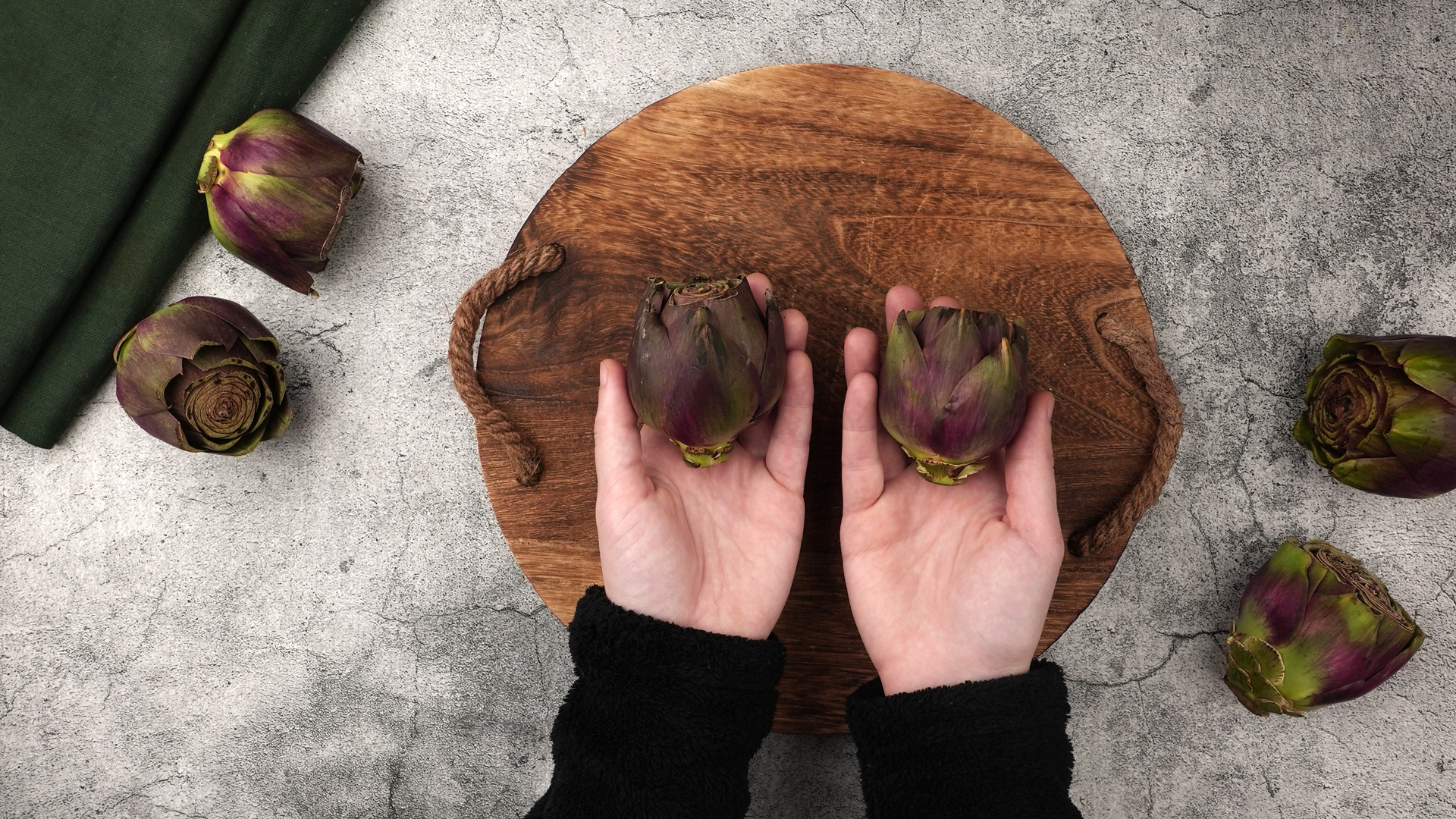
Before you start boiling artichokes, choose good ones. Fresh artichokes should feel heavy for their size, with tightly packed leaves and a firm stem. The leaves may squeak a little when squeezed, which is oddly satisfying and a useful freshness clue. Avoid artichokes that feel light, dry, overly soft, or have leaves spreading open like they are telling secrets.
Some brown spots on the tips are not always a problem, especially if the artichokes have been exposed to cold weather. However, shriveled leaves, a dry stem, or a generally tired appearance usually mean the vegetable has been hanging around too long. For the best flavor, cook artichokes soon after buying them, although they can usually be stored in the refrigerator for several days if kept loosely wrapped.
How to Boil Artichokes: 12 Steps
Step 1: Rinse the Artichokes Thoroughly
Place the artichokes under cool running water and rinse between the leaves as much as possible. Artichokes have layers, and those layers can hold grit. You do not need to pry the leaves apart aggressively; just rinse well and gently shake off excess water. If your artichokes came from a farmers market, give them an extra careful rinse. Nature is charming, but nobody wants crunchy dirt in their appetizer.
Step 2: Trim the Stem
Set one artichoke on a cutting board and trim the stem to about 1 inch. The stem is edible when peeled and cooked, so do not automatically throw it away. If the stem is long and fresh, peel the tough outer layer and boil it along with the artichoke. It has a flavor similar to the heart and deserves a little respect.
Step 3: Cut Off the Top
Using a sharp chef’s knife, slice about 1 inch off the top of each artichoke. This removes many of the sharp leaf tips and gives the artichoke a neat, flat top. Artichokes are beautiful, but they are also pointy little divas. A clean cut makes them easier to handle and more attractive on the plate.
Step 4: Snip the Sharp Leaf Tips
Use kitchen scissors to trim the thorny tips from the remaining outer leaves. This step is optional if the tips are not sharp, but it makes the artichokes easier to eat. It also gives them that tidy restaurant-style appearance, as if you planned the whole dinner instead of suddenly deciding to “do something impressive” at 5:47 p.m.
Step 5: Rub Cut Surfaces with Lemon
Artichokes brown quickly after being cut. Rub the cut top and stem with lemon to slow discoloration. You can also squeeze lemon juice into a bowl of water and dip the trimmed artichokes as you work. Browning does not ruin the flavor, but lemon helps keep the artichokes looking fresh and bright.
Step 6: Prepare the Boiling Water
Fill a large pot with enough water to cover the artichokes at least halfway, or fully submerge them if your pot allows. Add salt and lemon halves. For extra flavor, add garlic cloves, a bay leaf, and a drizzle of olive oil. Bring the water to a boil over high heat.
The goal is not to create soup; it is to season the artichokes gently from the outside in. Lemon adds brightness, salt enhances flavor, and garlic gives the cooking water a savory backbone. If you prefer a clean, pure artichoke flavor, water, salt, and lemon are enough.
Step 7: Add the Artichokes to the Pot
Carefully lower the artichokes into the boiling water using tongs. Place them stem-side down if they fit comfortably. If they bob around like tiny green boats, that is normal. You can place a heat-safe plate or smaller lid over them to help keep them partially submerged, but it is not required if you turn them during cooking.
Step 8: Reduce to a Steady Simmer
Once the artichokes are in the pot, reduce the heat to maintain a steady simmer. Cover the pot. A wild, rolling boil can knock the artichokes around and cook them unevenly. A gentle simmer is the sweet spot: active enough to cook, calm enough to keep the leaves intact.
Step 9: Boil Until Tender
Boil medium artichokes for about 25 to 35 minutes. Large artichokes may need 35 to 45 minutes, sometimes a little longer. Cooking time depends on size, freshness, and how tightly packed the leaves are. Baby artichokes cook much faster, often in 15 to 20 minutes.
Do not rely on the clock alone. Artichokes are done when an outer leaf pulls off easily and the base can be pierced with a knife or fork with little resistance. If the leaf refuses to budge, keep simmering. The artichoke is not being stubborn; it is just not ready for its big moment.
Step 10: Drain the Artichokes Upside Down
Use tongs to remove the cooked artichokes from the pot. Turn them upside down in a colander so water can drain from between the leaves. Let them cool for a few minutes before serving. They should be warm, not lava-level dangerous. Artichoke leaves are excellent at hiding hot water, so give them a moment.
Step 11: Remove the Choke Before Eating the Heart
To eat a whole boiled artichoke, pull off one leaf at a time, dip the base into sauce, and scrape the tender flesh with your teeth. As you move toward the center, the leaves become thinner and softer. Once you reach the fuzzy choke, scrape it away with a spoon. The choke is not pleasant to eat and should be removed before enjoying the heart underneath.
Step 12: Serve with a Great Sauce
Boiled artichokes love dips. Melted butter with lemon is classic. Garlic aioli is rich and restaurant-worthy. A simple vinaigrette brings tang and brightness. Mayonnaise mixed with lemon juice, mustard, or herbs is easy and surprisingly delicious. The artichoke is the main character, but the sauce is the supporting actor trying very hard to win an award.
How Long Should You Boil Artichokes?
The most reliable boiling time depends on size:
- Baby artichokes: 15 to 20 minutes
- Small artichokes: 20 to 30 minutes
- Medium artichokes: 25 to 35 minutes
- Large artichokes: 35 to 45 minutes or more
For best results, check doneness in two ways. First, pull an outer leaf. If it comes away easily, you are close. Second, pierce the stem end or base with a knife. If the knife slides in easily, the artichoke is tender. If it feels firm or squeaky, give it more time.
Best Seasonings for Boiled Artichokes
Artichokes have a mild, slightly nutty, lightly sweet flavor. They pair well with lemon, garlic, herbs, olive oil, and butter. You can keep the boiling water simple or season it generously. Try adding parsley stems, thyme, peppercorns, onion slices, or a splash of white vinegar. Lemon is especially useful because it adds flavor and helps reduce browning.
Do not oversalt the water if you plan to serve the artichokes with a salty dip. A little salt is helpful; a seawater situation is not. Unless your artichoke is training to become a pickle, moderation wins.
How to Eat a Boiled Artichoke
Eating a boiled artichoke is part meal, part activity. Pull off a leaf, dip the fleshy base into sauce, place the base between your teeth, and scrape off the tender portion. Discard the fibrous part of the leaf. Continue until you reach the pale inner leaves. These may be tender enough to eat in larger bites.
When you reach the fuzzy center, stop. That fuzzy part is the choke. Use a spoon to scrape it away carefully. Underneath is the heart, the most tender and flavorful part of the artichoke. Slice it, dip it, and enjoy your reward. You have earned it.
Common Mistakes to Avoid
Using Too Small a Pot
Artichokes need room. If they are jammed into a tiny pot, they may cook unevenly. Use a large pot with a lid so steam and simmering water can work together.
Skipping the Lemon
Lemon is not just for flavor. It helps keep cut surfaces from turning brown too quickly. The artichokes will still taste fine without it, but lemon improves both appearance and brightness.
Boiling Too Hard
A furious boil can damage the leaves and make the outside overcook before the center is tender. A steady simmer is better.
Undercooking the Base
The base and heart need enough time to soften. If the leaves are tough and the stem resists a knife, keep cooking. A properly boiled artichoke should feel tender but not mushy.
Forgetting About the Choke
The fuzzy choke must be removed before eating the heart. It is not dangerous in the dramatic movie-villain sense, but it is unpleasant and fibrous.
Easy Sauce Ideas for Boiled Artichokes
Lemon Garlic Butter
Melt butter and stir in lemon juice, minced garlic, and a pinch of salt. This is the classic choice for a reason. It is rich, bright, and almost impossible not to love.
Quick Garlic Aioli
Mix mayonnaise with grated garlic, lemon juice, salt, and black pepper. Add chopped parsley if you want it to look like you made more effort than you did.
Mustard Vinaigrette
Whisk olive oil, lemon juice or vinegar, Dijon mustard, honey, salt, and pepper. This lighter option cuts through the richness of the artichoke and works well for spring meals.
Herbed Yogurt Sauce
Combine plain Greek yogurt with lemon juice, chopped dill or parsley, garlic, salt, and pepper. It is tangy, creamy, and refreshing.
How to Store Boiled Artichokes
Let boiled artichokes cool completely before storing. Place them in an airtight container and refrigerate for up to three days. To reheat, steam them briefly, microwave gently with a splash of water, or enjoy them cold with vinaigrette. Cold boiled artichokes are excellent for picnics, lunch plates, and snack boards.
If you only have leftover hearts, store them separately in a covered container. Slice them into salads, fold them into pasta, add them to omelets, or pile them onto toast with lemony ricotta. Leftover artichoke hearts are one of those ingredients that make tomorrow’s lunch feel planned, even when it absolutely was not.
Nutrition Notes
Boiled artichokes are naturally low in fat and provide fiber, vitamin C, potassium, and other nutrients. A medium boiled artichoke can be a satisfying addition to a balanced meal because the leaves take time to eat and the heart feels hearty without being heavy. Of course, the final nutrition depends heavily on the dip. An artichoke with lemon vinaigrette and an artichoke swimming in butter are technically cousins, not twins.
Serving Ideas for Boiled Artichokes
Boiled artichokes can be served as an appetizer, side dish, or light meal. Pair them with grilled chicken, roasted fish, pasta primavera, risotto, or a big salad. They also fit beautifully into a Mediterranean-style spread with olives, hummus, roasted vegetables, crusty bread, and a bright dipping sauce.
For entertaining, serve one artichoke per person as a starter, or cut large cooked artichokes in half and remove the choke before plating. Add a small bowl of sauce for each guest. This prevents the awkward communal dip situation where everyone pretends not to notice the leaf traffic jam.
Personal Experience: What Boiling Artichokes Teaches You in the Kitchen
The first time many home cooks boil artichokes, they expect the process to be complicated. The vegetable looks intimidating, the leaves have sharp tips, and the whole thing seems less like produce and more like something guarding a castle. But after making boiled artichokes a few times, you start to realize that the method is wonderfully forgiving. Trim, simmer, test, drain, dipthat is the rhythm.
One useful experience is learning not to rush the simmer. Artichokes do not respond well to impatience. If you pull them too early, the leaves scrape poorly and the heart feels firm. Waiting another 10 minutes can completely change the texture. The best test is not the timer but the leaf pull. When a leaf releases easily and the base feels tender, the artichoke is ready. This small habit makes the difference between “interesting vegetable experiment” and “why do we not make these every weekend?”
Another lesson is that lemon matters more than you might think. The first time you skip it, the artichokes may darken faster than expected. They are still edible, but they look a little gloomy, as if they have been reading bad restaurant reviews. Rubbing the cut surfaces with lemon and adding lemon halves to the water keeps the color fresher and gives the flavor a clean lift. It is a tiny step with a big payoff.
Boiled artichokes are also a reminder that food can be interactive without being fussy. Guests slow down, pull leaves, dip, scrape, talk, and laugh. Nobody eats an artichoke in a hurry. It turns dinner into a small ritual, which is refreshing in a world where many meals disappear in five minutes over a keyboard. The artichoke politely forces everyone to participate.
For weeknight cooking, the best trick is to boil extra artichokes. Serve some warm with butter or aioli, then refrigerate the leftovers. The next day, cold artichoke leaves with mustard vinaigrette make a surprisingly elegant snack. The hearts can be chopped into pasta, added to grain bowls, or tossed with olive oil, lemon, and herbs. One cooking session can become several meals.
Over time, you may also discover your preferred level of seasoning. Some cooks love a simple salt-and-lemon boil because it lets the artichoke’s natural flavor shine. Others add garlic, bay leaves, peppercorns, and herbs. Both approaches work. The key is to season enough that the artichoke tastes alive, but not so much that the delicate flavor disappears under a parade of extras.
The biggest confidence boost comes from serving boiled artichokes to someone who has never eaten one before. At first, they may stare at it like it requires assembly instructions. Then you show them how to pull a leaf, dip it, and scrape the tender base. By the time they reach the heart, they understand. Boiled artichokes are not just a recipe; they are an experience with a prize at the center.
Conclusion
Learning how to boil artichokes is simpler than it appears. Choose fresh, heavy artichokes with tight leaves, trim the tops and stems, rub them with lemon, simmer them in seasoned water, and cook until the leaves pull away easily and the base is tender. Serve with melted butter, garlic aioli, vinaigrette, or your favorite dipping sauce. Once you remove the fuzzy choke, the tender heart is waiting underneath like the vegetable kingdom’s best-kept secret.
Whether you are preparing a spring appetizer, a healthy side dish, or a hands-on dinner party starter, boiled artichokes deliver flavor, texture, and a little tableside drama. They look fancy, taste wonderful, and are far easier than their thorny appearance suggests. In other words, artichokes are proof that some of the best kitchen rewards come wrapped in leaves.

