
Hair Care
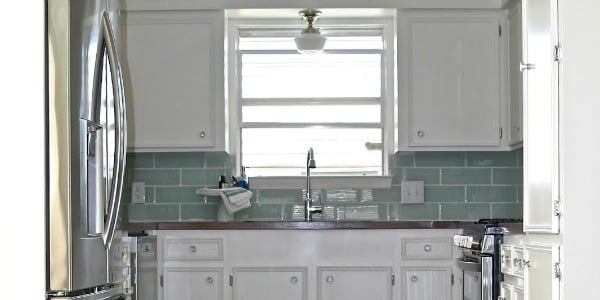
Small White Kitchen Makeover with Built-In Fridge Enclosure
Jul
A small white kitchen makeover sounds simple until the refrigerator enters the room like an overconfident linebacker. Cabinets behave. Tile behaves. Even a fussy drawer pull can be persuaded to look elegant. But a freestanding refrigerator? It often sticks out, flashes its metal sides, collects magnets, and announces, “Yes, I am the appliance equivalent of a parked SUV.”
That is why a built-in fridge enclosure can completely change the mood of a compact kitchen. It does not just hide awkward gaps or make the fridge look fancy. It creates a cleaner line, adds storage above the refrigerator, improves the visual flow, and helps a small white kitchen feel intentional instead of improvised during a Tuesday-night panic trip to the hardware store.
In a small kitchen, every inch must work hard. White cabinets, bright walls, reflective surfaces, smart lighting, and a properly framed refrigerator surround can make the room feel larger, calmer, and more custom. The best part? You do not always need a luxury panel-ready fridge or a full gut renovation. With careful planning, standard cabinetry, plywood or MDF panels, trim, paint, and the correct clearances, a built-in look can be surprisingly achievable.
Why a Built-In Fridge Enclosure Works So Well in a Small White Kitchen
A refrigerator is usually the tallest and deepest object in the kitchen. In a small layout, that size becomes more obvious. When the fridge stands alone, the eye stops at every exposed side, shadow gap, and awkward cabinet above it. A built-in fridge enclosure solves this by visually connecting the appliance to the rest of the cabinetry.
The enclosure typically includes tall side panels, an upper cabinet or open shelf, trim pieces, and sometimes a filler panel at the wall. Once painted to match the cabinets, the whole unit appears more architectural. Instead of looking like a fridge parked beside cabinets, it looks like a planned cabinet wall that happens to keep the orange juice cold.
The Magic of White Cabinetry
White kitchens remain popular because they reflect light, pair easily with many finishes, and make small spaces feel less crowded. In a compact kitchen makeover, white cabinets can create the illusion of breathing room. The built-in fridge enclosure strengthens that effect by reducing visual clutter and creating one continuous vertical surface.
However, a white kitchen should not feel sterile. The goal is “fresh and bright,” not “waiting room with a toaster.” Warm white paint, soft brass or brushed nickel hardware, wood accents, woven shades, natural stone-look counters, and textured backsplash tile can keep the space welcoming.
Planning the Fridge Enclosure Before You Pick Up a Saw
The most important part of a built-in refrigerator enclosure happens before construction begins. Measure first, dream second, cut third. If you reverse that order, the project may develop what professionals call “expensive character.”
Start by measuring the refrigerator’s width, height, depth, door swing, hinge clearance, plug location, and manufacturer-required ventilation space. Some fridges need room at the sides, back, top, or front grille area to release heat properly. Do not box the appliance in too tightly. A fridge needs airflow, much like people need personal space at a crowded family barbecue.
Key Measurements to Confirm
Measure the actual appliance, not just the product listing. Check the width at the doors and handles, the depth with doors closed, and the depth needed when doors open fully. Also measure the wall, baseboards, nearby cabinets, ceiling height, and any trim that may interfere with installation.
For a cleaner built-in look, many homeowners choose a counter-depth refrigerator because it projects less beyond the cabinets. A standard-depth fridge can still be enclosed, but the side panels will need to extend farther forward. That can work beautifully if the kitchen layout allows it, but in a narrow aisle it may feel bulky.
Ventilation and Safety Matter
Never ignore the appliance manual. A refrigerator enclosure must allow enough airflow for safe and efficient operation. If the fridge overheats, it may run constantly, waste energy, or wear out sooner. Leave the recommended clearances and avoid blocking vents. If the electrical outlet needs to move, hire a qualified electrician. The enclosure should look built-in, not become a dramatic electrical subplot.
Design Ideas for a Small White Kitchen Makeover
The fridge enclosure is the star, but the surrounding design needs to support it. A small white kitchen looks best when every choice feels connected: cabinet color, counter material, backsplash, lighting, hardware, and storage strategy.
1. Extend Cabinets to the Ceiling
Upper cabinets that stop short of the ceiling can make a small kitchen feel chopped up. Extending cabinetry or trim to the ceiling draws the eye upward and creates a more custom look. If full-height cabinets are not in the budget, crown molding or a simple boxed-in soffit can still help the room feel finished.
Above the refrigerator, a deep cabinet is more useful than the shallow, hard-to-reach cabinets often found in older kitchens. This area is ideal for large trays, holiday platters, stockpots, picnic gear, or the waffle maker you use exactly twice a year but refuse to surrender.
2. Choose a Soft White Paint
For cabinets and fridge panels, a soft white tends to be more forgiving than a stark blue-white. Warm whites pair well with wood floors, butcher block details, beige tile, and brass hardware. Cooler whites work better with marble-look quartz, chrome, stainless steel, and gray undertones.
Use a durable cabinet-grade paint in a satin or semi-gloss finish. The fridge surround will face daily bumps, fingerprints, and possibly a rogue cereal box attack, so durability matters.
3. Use Simple Hardware
In small kitchens, hardware should add polish without shouting. Slim pulls, round knobs, or understated bar handles keep the design clean. Matching the hardware on the fridge enclosure cabinet to the rest of the kitchen helps the enclosure feel original to the room.
If the refrigerator itself is stainless steel, consider hardware that coordinates with stainless, nickel, black, or brass accents used elsewhere. Mixed metals can work well, but repeat each finish at least twice so the design looks deliberate.
4. Add a Light-Reflecting Backsplash
A backsplash can make a small white kitchen feel brighter and more layered. Glossy subway tile, zellige-style tile, beadboard, vertical shiplap, or a short stone-look countersplash can all work. The key is scale. Oversized patterns may overwhelm a tiny kitchen, while subtle texture adds depth without visual noise.
If the budget is tight, focus backsplash upgrades behind the sink and cooking zone. Even a limited backsplash can create a finished look when the edges are clean and the color ties into the cabinets and counters.
5. Improve Lighting
White cabinets can only bounce light that actually exists. A small kitchen makeover should include layered lighting: ceiling light for general brightness, under-cabinet lighting for prep work, and perhaps a small pendant or sconce for personality.
Under-cabinet LED strips are especially useful because they brighten counters and reduce shadows. They also make late-night snack assembly feel slightly more sophisticated, even when the snack is crackers eaten directly over the sink.
How to Create the Built-In Fridge Enclosure Look
A built-in fridge enclosure can be custom-built by a carpenter or assembled using stock cabinets and finished panels. The right approach depends on your budget, tools, skill level, and how precise the final look needs to be.
Option One: Custom Cabinetry
Custom cabinetry offers the most seamless result. A cabinetmaker can build side panels, upper storage, fillers, trim, and door fronts to match the existing kitchen. This is ideal if your ceilings are uneven, your walls are not square, or your fridge sits in a tricky corner.
The downside is cost. Custom work is usually more expensive, but in a small kitchen, one beautiful built-in feature can have a major impact. It may be worth investing in the fridge wall and saving elsewhere with simple tile, modest hardware, or refinished existing cabinets.
Option Two: Stock Cabinets and Panels
Stock cabinets can also create an impressive built-in look. Many homeowners use a deep cabinet above the refrigerator, tall side panels, cleats, filler strips, and trim. Once everything is painted the same color, the result can look polished and intentional.
The trick is alignment. The upper cabinet should line up neatly with the side panels. The panels should sit plumb. The trim should cover gaps without looking bulky. This is where patience helps. Also, clamps. Clamps are the quiet heroes of DIY cabinetry.
Option Three: A Partial Surround
If your fridge sits against a wall on one side, you may only need one visible side panel and an upper cabinet. This saves money and makes the project easier. The wall acts as one side of the enclosure, while the panel on the exposed side creates the built-in effect.
A partial surround can be especially effective in a galley kitchen or apartment kitchen where space is limited. Paint the panel, upper cabinet, and adjacent cabinets the same white, then add matching trim to make everything read as one unit.
Storage Upgrades That Make a Small White Kitchen More Functional
A makeover should not only make the kitchen prettier. It should also make daily life easier. The best small kitchen designs reduce friction: fewer awkward reaches, less counter clutter, and no mysterious avalanche when you open the cabinet above the fridge.
Use the Above-Fridge Cabinet Wisely
Deep storage above the refrigerator is perfect for items used occasionally. Add dividers for sheet pans, trays, and cutting boards. Use labeled bins for seasonal items. Avoid storing tiny objects loose in a deep cabinet unless you enjoy archaeological expeditions.
Add Pull-Outs Where Possible
Lower cabinets become more useful with pull-out shelves, deep drawers, or sliding organizers. In a small kitchen, accessible storage is more important than maximum storage. A cabinet packed to the ceiling is not helpful if retrieving a mixing bowl requires yoga credentials.
Create a Landing Zone Near the Fridge
Good kitchen flow includes a spot to place groceries, leftovers, or ingredients when opening the refrigerator. Ideally, there should be nearby counter space. If the kitchen is extremely small, even a narrow pull-out shelf, compact island cart, or clear counter section can help.
Style Details That Keep the Kitchen from Feeling Flat
White kitchens can look clean and classic, but they need contrast and texture. The built-in fridge enclosure adds structure, while the finishing details bring warmth.
Wood Accents
Wood shelves, a butcher block cutting board, woven baskets, or light oak stools soften the white palette. These accents make the room feel lived-in rather than showroom-perfect.
Contrasting Counters
White quartz, marble-look surfaces, warm laminate, butcher block, or light gray counters can all work. In a very small kitchen, avoid counters with extremely busy patterns. A subtle surface keeps the room calm and lets the fridge enclosure look crisp.
Small Decor with a Purpose
Decor should earn its spot. A pretty crock for utensils, a framed print, a small plant, or a tray for oils can add personality without creating clutter. The goal is charm, not countertop traffic jam.
Common Mistakes to Avoid
The most common mistake is building the enclosure too tight. A refrigerator door needs space to open, hinges need clearance, and ventilation must remain unobstructed. Another mistake is forgetting the outlet location. If the plug sits behind a fixed panel and becomes impossible to reach, future you will have strong opinions.
Also avoid mismatched whites. Cabinet paint, wall paint, trim, and appliance panels can all have different undertones. Test samples in the actual kitchen during morning, afternoon, and evening light. White paint is simple in theory and suspiciously dramatic in practice.
Finally, do not ignore scale. A massive fridge surround in a tiny kitchen can feel heavy if the panels are too deep or the trim is too thick. Keep lines simple and proportions balanced.
Budget-Friendly Ways to Get the Look
If a full custom enclosure is not realistic, there are still smart ways to upgrade the fridge area. Paint the exposed side panel to match the cabinets. Add a finished panel to one side. Replace the shallow cabinet above the fridge with a deeper one. Install simple trim to close gaps. Use peel-and-stick paneling inside an open shelf for texture. Add baskets above the fridge if a closed cabinet is not possible.
Even small changes can make the refrigerator feel less random. The secret is repetition: repeat the cabinet color, trim style, hardware finish, and vertical lines used elsewhere in the room.
Real-Life Experience: Lessons from a Small White Kitchen Makeover
The biggest lesson from working with a small white kitchen makeover is that the refrigerator area almost always matters more than people expect. Before the built-in enclosure, the fridge can make the whole room feel unfinished. It may be perfectly functional, but visually it behaves like someone wearing hiking boots with a wedding dress. Technically allowed, but hard to ignore.
One practical experience is to start by emptying the area around the fridge and studying how the kitchen actually works. Where do groceries land? Can the doors open without hitting a wall? Does the cook need to squeeze past someone getting milk? These small daily movements reveal whether the enclosure should be deep, shallow, full-height, partial, open above, or closed with cabinet doors.
Another useful lesson is that painting everything white does not automatically make the kitchen feel bigger. The magic happens when the white surfaces are organized into clean, continuous shapes. A built-in fridge enclosure does exactly that. It turns a bulky appliance into part of a cabinet wall, which reduces visual interruption. Once the fridge looks settled, the entire kitchen feels calmer.
During installation, patience matters. Walls may bow. Floors may slope. Ceilings may have opinions. A panel that looks straight on the garage floor can suddenly seem rebellious once it meets a 40-year-old kitchen wall. Dry-fit every piece before fastening it permanently. Use shims where needed. Check for level and plumb more often than feels reasonable. Then check again, because cabinetry enjoys humbling confident people.
Storage planning is another area where experience pays off. The cabinet above the refrigerator should not become a black hole for forgotten appliances. Use it intentionally. Store wide, flat, occasional-use items there: serving trays, roasting pans, holiday dishes, cake carriers, or extra paper towels. If the cabinet is deep, labeled bins or vertical dividers make a huge difference.
Lighting also changes the final result. A white kitchen with poor lighting can look dull, while a modest kitchen with good lighting can look expensive. Under-cabinet lighting, a brighter ceiling fixture, and warm bulbs can make the white cabinetry glow instead of glare. The fridge enclosure then reads as a feature, not just a construction project.
Hardware is a small detail with oversized influence. If the built-in enclosure includes doors above the fridge, use the same knobs or pulls found elsewhere in the kitchen. This visual repetition tells the eye that the fridge wall belongs. It is a little design trick, and thankfully it does not require a trust fund.
The final lesson is to leave room for real life. A small white kitchen should be beautiful, but it also has to survive coffee splashes, grocery bags, lunchboxes, and people who open the fridge while asking what there is to eat even though they are looking directly at the food. Choose washable paint, durable finishes, accessible storage, and a layout that supports daily routines. The best makeover is not the one that looks perfect for five minutes. It is the one that still makes you smile six months later.
Conclusion
A small white kitchen makeover with a built-in fridge enclosure is one of the smartest ways to make a compact space feel brighter, cleaner, and more custom. By surrounding the refrigerator with thoughtful cabinetry, you reduce visual clutter, gain practical storage, and give the kitchen a finished architectural look.
The key is planning carefully. Measure the appliance, follow ventilation requirements, choose the right white paint, keep hardware consistent, add layered lighting, and use storage intentionally. Whether you hire a cabinetmaker or create the look with stock cabinets and panels, the fridge enclosure can become the detail that makes the entire kitchen feel complete.
Note: Always follow the refrigerator manufacturer’s clearance and ventilation requirements, and hire qualified professionals for electrical, structural, or cabinetry work when needed.

