
Hair Care
“The Kid, The Troll, The Wolf And The Hearse”: I Wrote A Book For Cynical People
Jun
Some books arrive like warm tea, a knitted blanket, and a gentle reminder that everything will be okay. Other books kick open the door, drip rain on the carpet, and say, “Maybe everything will not be okay, but at least we can laugh about it.” The Kid, The Troll, The Wolf And The Hearse belongs proudly to the second category.
Written as a darkly funny parody for readers who prefer their wisdom with a raised eyebrow, this illustrated book takes the cozy, inspirational fable format and turns the lamp down a few notches. It is not anti-hope. It is not anti-kindness. It is simply suspicious of anything that smiles too calmly while the world is actively misplacing its keys, its manners, and occasionally its mind.
The idea behind the book came from a very real emotional place: the lockdown era, when many people were stuck indoors, doomscrolling like it was an Olympic sport, and trying to decide whether optimism was a virtue or a group hallucination. Author and content creator Mike Bender took that mood and shaped it into a parody that lets cynicism stretch its legs without pretending it is a life coach.
The result is a book for the irate, annoyed, irritated, skeptical, over-caffeinated, and spiritually side-eyeing. In other words, a book for modern humans.
A Cynical Book Born From a Very Weird Time
Every creative project has an origin story. Some begin in a sunny studio with a notebook and a mug of herbal tea. This one began in the strange emotional fog of the Covid lockdown period, when the whole world seemed to be stuck in a waiting room with bad lighting.
During that period, many people found comfort in inspirational art, gentle quotes, and illustrated fables about kindness. Those works mattered. They reminded readers that softness still had a place in a hard moment. But not everyone processes uncertainty through softness. Some people process it by making jokes so dry they could legally be used as kindling.
That is where The Kid, The Troll, The Wolf And The Hearse finds its purpose. It is a parody of the modern inspirational illustrated fable, especially the kind of book where a small cast of symbolic characters wanders through nature, exchanging life lessons that sound like they were embroidered by a very emotionally mature woodland creature.
Instead of pure optimism, this book offers comic irritation. Instead of polished wisdom, it offers muttering, mischief, and the occasional philosophical pothole. The tone says, “Yes, life is mysterious, but have you considered that it is also ridiculous?”
What Is “The Kid, The Troll, The Wolf And The Hearse” About?
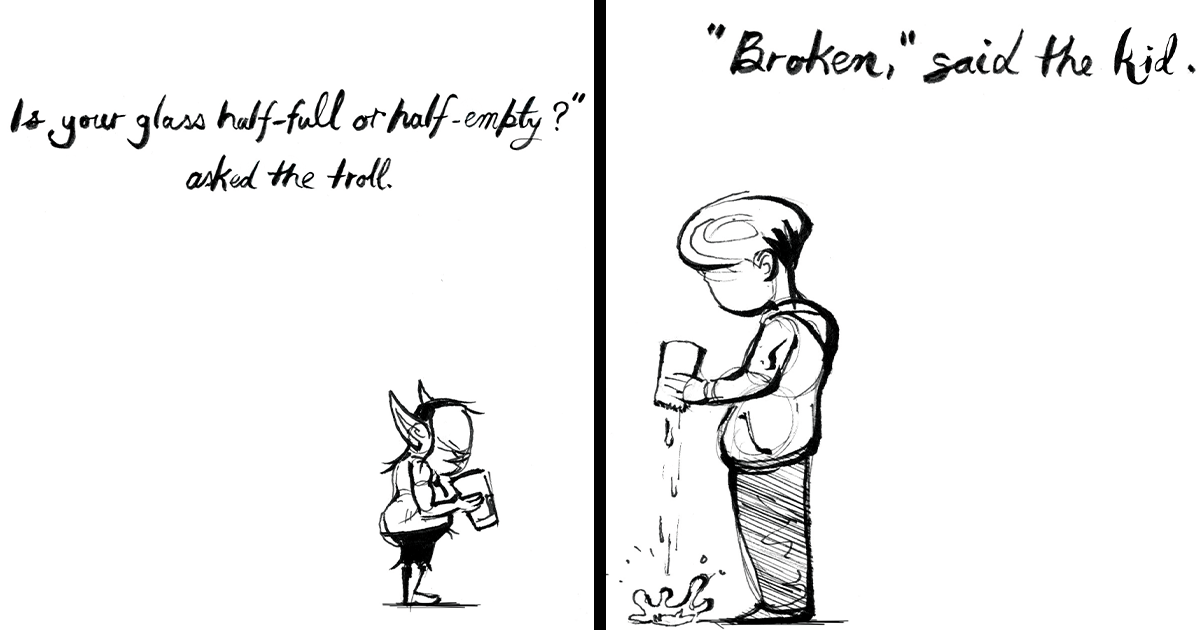
At its core, The Kid, The Troll, The Wolf And The Hearse is an illustrated parody built around four symbolic figures moving through a gloomy, absurd, emotionally familiar world. The characters ponder the roadblocks of modern existence: anxiety, disappointment, irritability, confusion, forced positivity, and the special kind of exhaustion that comes from reading too many cheerful quotes before breakfast.
The title itself works because it sounds almost wholesome until it absolutely does not. A kid? Classic. A troll? Fairytale energy. A wolf? Dark forest, naturally. A hearse? Ah. There it is. The book has pulled up in formalwear and ruined the picnic.
That contrast is the joke. It borrows the shape of a tender fable but swaps the emotional weather. The familiar structure helps readers know where they are; the cynical twist makes them laugh because the road suddenly has a pothole labeled “reality.”
The Kid
The Kid represents curiosity, confusion, and the part of us still asking big questions even after life has answered several of them with a tax form. In inspirational literature, the child figure often brings innocence. Here, innocence is still present, but it has been exposed to Wi-Fi, headlines, and people who clap when the plane lands.
The Troll
The Troll is the grumbling voice inside the cave. Not evil, exactly. More like the part of the brain that reads motivational posters and says, “Who approved this font?” The troll embodies resistance, sarcasm, and the deeply human refusal to be emotionally renovated against one’s will.
The Wolf
The Wolf brings instinct, danger, and old folklore energy. Wolves have always belonged to the shadowy edge of storytelling, and here the wolf fits perfectly as a reminder that fairy tales were never as harmless as gift-shop mugs made them seem.
The Hearse
The Hearse is the punchline and the thesis. It turns the story into something darker, stranger, and more honest about mortality, endings, and the fact that every journey technically comes with a final parking spot. Grim? Yes. Funny? Also yes. That is the entire balancing act.
Why Cynical Readers Need Books Too
There is a common misunderstanding that cynical people hate hope. Most do not. They simply prefer hope that has passed a background check.
A cynical reader is often not a miserable reader. Cynicism can be a defensive style, a comic filter, or a way of refusing to swallow easy answers. When the world feels chaotic, cheerful advice can sound suspiciously like someone trying to sell you a candle called “Inner Meadow” for $34. Cynical humor offers a different route: it admits the mess exists and then laughs at the mess for wearing such an ugly hat.
That is why a book like The Kid, The Troll, The Wolf And The Hearse works. It does not demand that readers become bright-eyed believers. It meets them where they are: slightly tired, slightly annoyed, and willing to be entertained by a gloomy little parade of existential weirdness.
Humor, especially dark humor, can create emotional breathing room. It does not solve the problem. It does not repair the roof, pay the bills, or make the group chat less dramatic. But it creates distance. It lets people point at the absurdity and say, “Well, at least I am not the only one seeing this circus.”
The Power of Parody: Laughing at the Shape of Seriousness
Parody is not just imitation with a fake mustache. Good parody understands the original form deeply enough to twist it with precision. It knows the rhythm, the mood, the visual grammar, and the emotional promise of the thing it is teasing.
In this case, the target is the inspirational illustrated fable: sparse drawings, symbolic characters, short reflections, and simple dialogue designed to feel profound. The parody keeps the skeleton but changes the bloodstream. The result is familiar enough to recognize and different enough to surprise.
Parody works best when it is not merely mean. The funniest parodies often contain affection. Mike Bender’s public comments about the project make clear that the book came from admiration as well as mischief. He appreciated the beauty and optimism of modern illustrated fables, then wondered what would happen if the cynical part of his brain got the pen for a while.
That is a smart comic premise because it does not simply say, “Optimism is dumb.” It says, “Optimism is lovely, but what about those of us whose inner woodland animal has trust issues?”
Fairy Tales Were Always Darker Than We Pretend
One reason this book feels oddly natural is that fairy-tale darkness is not new. Modern audiences often think of fairy tales as soft bedtime stories, but traditional folklore has always carried shadows. Forests were dangerous. Strangers were suspicious. Wolves were not decorative. Trolls did not exist to help anyone organize their feelings.
Classic fairy tales are full of tests, tricks, hunger, greed, transformation, and moral consequences. They were survival stories wrapped in wonder. Their magical elements made fear easier to approach, and their strange logic helped people talk about real anxieties without writing a lecture titled “Everything Is Terrible, Please Gather Around.”
The Kid, The Troll, The Wolf And The Hearse taps into that older tradition. It is modern in its humor, but old-fashioned in its willingness to let the woods stay weird. The book understands that darkness and comedy have always been neighbors. Sometimes they borrow sugar from each other. Sometimes they borrow a shovel.
Why the Book’s Humor Feels So Current
The 21st century has created a very specific emotional condition: constant awareness. We know too much, too quickly, too often. News alerts, social media arguments, climate worries, economic pressure, workplace burnout, and cultural noise all compete for space in the human nervous system. The result is a society that is both highly informed and deeply in need of a nap.
In that context, cynical humor becomes more than a personality quirk. It becomes a pressure valve. Readers are not necessarily looking for pessimism. They are looking for honesty with timing. A joke can say, “Yes, this is bad,” while also proving that the mind is still nimble enough to dance around the crater.
The book’s appeal comes from that mixture. It gives readers permission to laugh without first proving they are sufficiently positive. It does not ask anyone to deny frustration. It lets frustration sit at the table, then gives it a ridiculous hat and asks it to contribute to the conversation.
Mike Bender’s Comedy Background Matters
Mike Bender is not new to parody or awkward humor. His background includes screenwriting, comedy, children’s books, and co-founding Awkward Family Photos, a project built on the universal truth that every family album contains at least one image that should be studied by scientists.
That history matters because The Kid, The Troll, The Wolf And The Hearse depends on tone. Too soft, and the joke collapses. Too cruel, and the charm disappears. The sweet spot is irritated but playful, bleak but not empty, cynical but not joyless.
Comedy writers understand rhythm. They know when a line should land like a feather and when it should land like a piano dropped from a modest but legally concerning height. In an illustrated parody, the writing has to leave room for the art. A short line can carry a large mood. A pause can be funnier than a paragraph. A simple drawing can make a cynical sentence feel less harsh and more human.
The Role of Eddie Ornery
The alter ego Eddie Ornery is a key part of the book’s identity. He functions as a fictional personality through which the cynical voice can speak freely. That choice is clever because it gives the book a comic narrator without making the entire project feel like a personal complaint letter to the universe.
Eddie is described as a kind of gloomy counterpart to the gentle inspirational artist. He is irritated, rain-soaked, pessimistic, and convinced that disaster is never too far away. In less capable hands, that could become exhausting. Here, it becomes theatrical. Eddie is not just cynical; he is performatively cynical. He is the storm cloud that has developed branding.
That theatrical distance makes the humor safer and funnier. Readers can recognize their own grumpier thoughts without feeling accused. Eddie says the quiet part loudly, and because he is clearly a comic creation, the reader can laugh rather than spiral into a lecture about gratitude journals.
Why Illustrated Cynicism Works
There is something especially funny about pairing simple illustrations with darkly comic lines. The visual softness creates tension with the sharpness of the message. A drawing can look almost innocent while the caption mutters something emotionally suspicious in the corner.
This contrast is part of a long tradition in cartoons and comics. A minimalist image can make a harsh truth feel lighter. The reader gets the impact, but also the relief of style. It is the difference between someone shouting “life is hard” in your face and a tiny illustrated troll whispering it from under a bridge while wearing a disappointed expression.
Illustrated books also invite rereading. A cynical line that feels funny once may feel even funnier when paired with a small visual detail you missed the first time. That makes the book suitable for browsing, gifting, and leaving on a coffee table where guests can discover it and quietly wonder whether you are okay.
A Book for People Tired of Forced Positivity
Forced positivity is exhausting. It insists on brightness even when the room is clearly on fire. It turns pain into a branding opportunity. It says things like “choose joy” when the dishwasher is leaking, the inbox is haunted, and the cat has developed opinions about gravity.
The Kid, The Troll, The Wolf And The Hearse offers an antidote to that. It does not reject joy; it rejects emotional wallpaper. It suggests that laughter can be honest, crooked, and still useful. Not every comforting book needs to sound like a sunrise learned calligraphy.
For cynical readers, the book’s value lies in recognition. It says, “You are not broken because you find cheerful clichés suspicious.” It offers a comic mirror for people who want meaning but do not want it served with a harp soundtrack.
Who Should Read This Book?
This book is ideal for adults who love parody, dark humor, illustrated books, literary spoofs, and gift books with personality. It is also a strong match for readers who enjoyed inspirational fables but secretly wondered what would happen if one of the animals had a worse attitude and a better punchline.
It may appeal to fans of cynical cartoons, offbeat comics, and books that turn emotional discomfort into comedy. It is also a good choice for anyone who survived the lockdown era with a strange mix of anxiety, boredom, snack crumbs, and increasingly dramatic thoughts about the future.
It is probably not the right book for someone who wants pure sincerity. If a reader prefers every page to provide a healing affirmation, this book may arrive wearing boots and track mud across the affirmation rug. But for readers who like their laughs slightly stormy, that is the whole point.
Why Cynicism and Hope Can Share a Page
The secret of The Kid, The Troll, The Wolf And The Hearse is that it is not as hopeless as it pretends to be. Truly hopeless art rarely bothers to be funny. Humor requires energy. It requires observation. It requires the belief that someone else will understand the joke.
That means even the darkest gag contains a small social offering: “Here, I noticed this absurd thing. Did you notice it too?” When the reader laughs, connection happens. Not the shiny, greeting-card version of connection, but the scrappier kind. The kind that says, “We are both still here, and yes, this is very weird.”
In that sense, the book’s cynicism is not the enemy of hope. It is hope wearing a black coat and refusing to make eye contact. It is hope for people who do not want to be lectured into cheerfulness. It is hope that has seen the comment section and still showed up.
Experiences Related to Writing a Book for Cynical People
Writing for cynical people is a delicate business. You cannot simply throw gloom on the page and call it depth. Cynical readers are experts at detecting fakery. They can smell a forced joke from three rooms away, and they will not forgive a sentence that tries too hard to be edgy. The challenge is to be sharp without being hollow, funny without being smug, and honest without becoming the literary equivalent of a wet sock.
The experience begins with listening to the grumpy little narrator inside your own head. Everyone has one. It is the voice that appears when a meeting could have been an email, when a motivational speaker says “disrupt your limitations,” or when someone describes a minor inconvenience as “a journey.” Most of the time, polite society asks us to keep that voice quiet. But comedy asks us to invite it in, give it a chair, and ask whether it has brought snacks.
For a project like The Kid, The Troll, The Wolf And The Hearse, the writer’s job is not to celebrate misery. It is to translate irritation into art. That means noticing the small absurdities of everyday life: the way people offer advice no one requested, the way inspirational quotes can sound profound until you imagine them printed on a gas station bathroom wall, the way adults pretend to have plans while secretly improvising like raccoons in business casual.
One useful experience in writing cynical humor is learning restraint. The first draft of a cynical joke often swings too hard. It may sound bitter instead of funny. The revision process is where the joke gets its manners. You trim the cruelty, sharpen the timing, and leave just enough bite for the reader to feel the teeth without losing a finger.
Another experience is discovering that cynical readers are often deeply sentimental people in disguise. Many of them distrust easy optimism because they care too much to see hope turned into merchandise. They want sincerity, but they want it earned. They do not want a book to pat them on the head and say, “There, there.” They want a book to sit beside them and say, “Yes, this is absurd. I brought crackers.”
That is why the best cynical writing still has warmth underneath it. The surface may be sarcastic, gloomy, or weird, but the engine is empathy. A purely mean book becomes boring quickly. A funny cynical book understands disappointment because it has felt it. It laughs not from above, but from beside the reader, preferably under a leaking umbrella.
Creating a book for cynical people also means accepting that not everyone will get it. Some readers want comfort served straight. Others prefer comfort disguised as a complaint. Neither group is wrong. The trick is to know your audience and write honestly for them. A book like this does not need to convince every reader. It needs to find the ones who laugh at the title before they even open the cover.
In the end, the experience is surprisingly hopeful. Writing cynical humor proves that even frustration can become connection. Even irritation can become craft. Even a troll, a wolf, a kid, and a hearse can wander into the same story and somehow make readers feel a little less alone in the strange weather of being alive.
Conclusion
“The Kid, The Troll, The Wolf And The Hearse”: I Wrote A Book For Cynical People is more than a clever parody title. It is a reminder that readers do not all need comfort in the same flavor. Some want sweetness. Some want wisdom. Some want a gloomy little joke with excellent timing and suspicious footwear.
The book succeeds because it understands a truth many polished inspirational works avoid: people can be tired, annoyed, skeptical, and still hungry for meaning. Cynicism is not always a locked door. Sometimes it is a doorbell that sounds like a groan.
By blending illustrated fable, parody, dark humor, and emotional honesty, The Kid, The Troll, The Wolf And The Hearse gives cynical readers a place to laugh without apologizing for their worldview. It does not promise that everything will be fine. It offers something more useful for certain days: the chance to laugh at the fact that everything is very much happening.
And sometimes, that is enough.

