
Skincare
‘Saturday Night Live’s Attempt to Chide Brendan Fraser and ‘The Whale’ Is Just as Toothless as Everyone Else’s
Jun
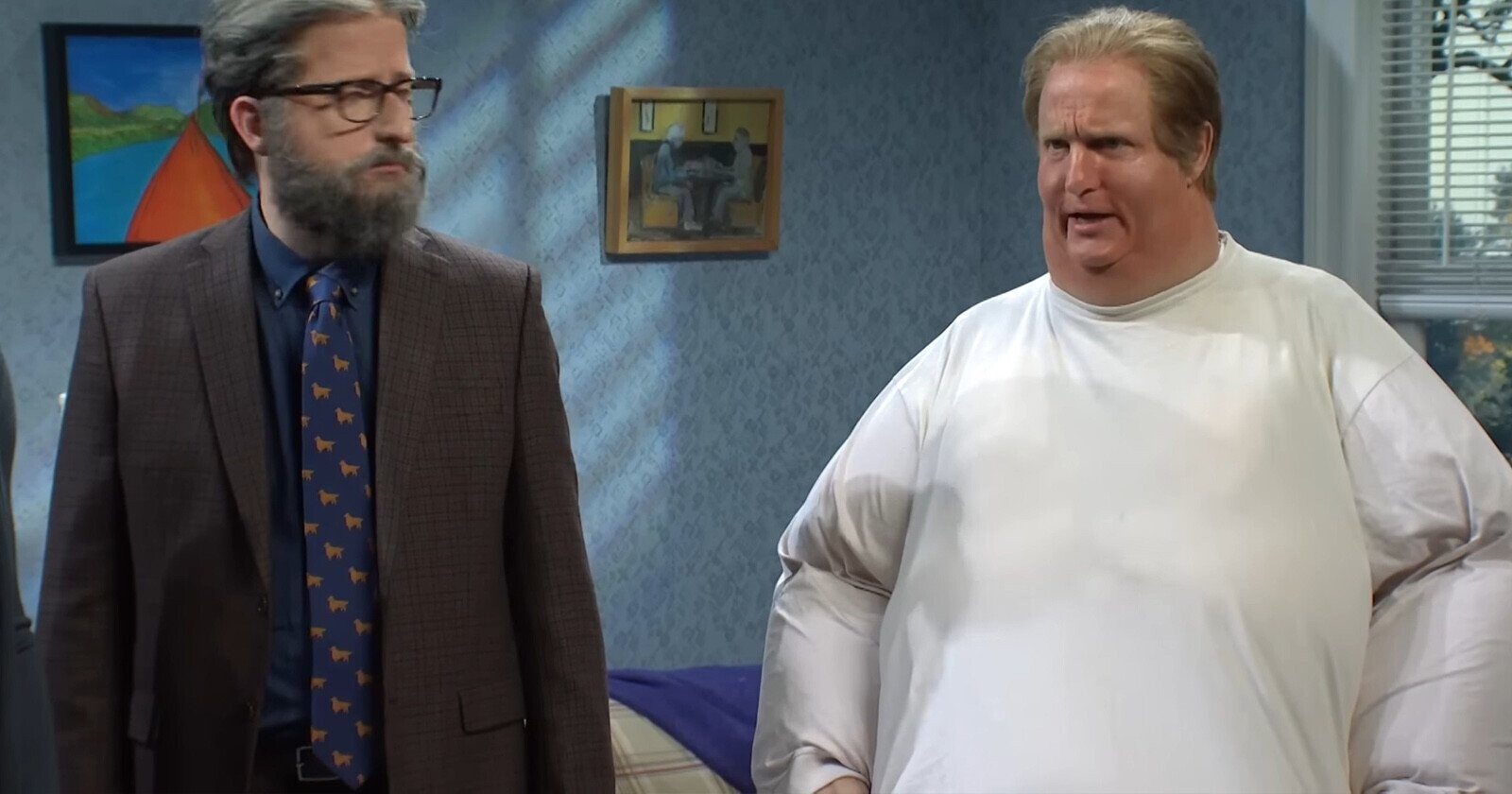
Saturday Night Live has spent nearly five decades doing what it does best: turning the week’s cultural conversation into wigs, cue cards, and a studio audience that may or may not be laughing because the joke landed. So when SNL finally took aim at Brendan Fraser, The Whale, and the exhausting awards-season debate around fat suits, prosthetics, empathy, and Hollywood’s favorite hobbycongratulating itself for noticing a problem it helped createit felt like a golden opportunity.
Unfortunately, the sketch arrived with all the bite of a gummy shark. The show seemed to understand there was something awkward about The Whale: the solemn speeches, the prestige-film seriousness, the transformation narrative, and the uncomfortable way Hollywood applauds an actor for temporarily wearing a body that real people are punished for having every day. But instead of going for the jugular, SNL went for a soft poke in the ribs, then apologized to the ribs for being too edgy.
The result was a parody that knew the controversy existed but did not seem especially interested in saying anything sharper than, “Hey, this whole thing is a little weird, right?” And yes, it is weird. It is weird that an industry with thousands of performers still so often chooses transformation over representation. It is weird that prosthetics can become an awards-season talking point while actual fat actors struggle for serious roles. It is weird that a film can claim radical empathy and still be received by many viewers as spectacle. What is even weirder is watching Saturday Night Live notice all of that and still leave its comedy teeth in a glass by the bed.
The Setup: Brendan Fraser, The Whale, and the Awards-Season Machine
To understand why the SNL parody felt so timid, it helps to remember just how loud the conversation around The Whale had become. Directed by Darren Aronofsky and written by Samuel D. Hunter, the A24 drama stars Brendan Fraser as Charlie, a reclusive English teacher living with severe obesity who attempts to reconnect with his estranged teenage daughter. The film, adapted from Hunter’s stage play, also features Sadie Sink, Hong Chau, Ty Simpkins, and Samantha Morton.
From the moment The Whale premiered at the Venice Film Festival, Fraser’s performance became the emotional centerpiece of a Hollywood comeback narrative. The actor, beloved for The Mummy, George of the Jungle, and a long run as one of the most charming movie stars of the late 1990s and early 2000s, was welcomed back with standing ovations, teary interviews, and the kind of awards buzz that practically arrives wearing a tuxedo.
Fraser’s eventual Oscar win for Best Actor confirmed the power of that story. The Whale also won the Academy Award for Best Makeup and Hairstyling, while Hong Chau received a Best Supporting Actress nomination. Fraser’s run included major recognition from the Screen Actors Guild Awards and Critics Choice Awards, making the so-called “Brenaissance” one of the most sentimental arcs of the season.
But there was another conversation happening alongside the applause. Many critics, writers, actors, and viewers questioned the film’s use of prosthetics, its depiction of Charlie’s body, and its larger treatment of fatness as suffering, shame, isolation, and bodily decline. For some, The Whale was a moving story about grief and redemption. For others, it was a prestige-film version of an old Hollywood habit: using fatness as a costume, a symbol, a warning, or a dramatic obstacle instead of treating fat people as full human beings with ordinary lives, messy personalities, ambitions, romances, jokes, jobs, and decent lighting.
What SNL Tried to Do
During the February 25, 2023 episode hosted by Woody Harrelson, with Jack White as musical guest, Saturday Night Live parodied The Whale. The sketch took aim at the intensity of Fraser’s physical transformation and the strange reverence surrounding the performance. In broad terms, it mocked the idea of an actor going to absurd lengths for an awards-friendly role, including exaggerated claims about gaining weight and eating unpleasant food for “authenticity.”
On paper, this is fertile comedy territory. Hollywood loves a transformation. Give an actor a limp, a historical wig, a haunted stare, or a body-altering prosthetic, and suddenly everyone starts speaking in reverent tones usually reserved for ancient ruins and very expensive cheese. Awards campaigns often turn physical change into proof of artistic seriousness. The more uncomfortable the process sounds, the more likely someone is to call it “brave.”
That is a target worth skewering. The joke could have gone after the industry’s obsession with visible suffering. It could have mocked the way entertainment media treats prosthetics like moral achievement. It could have questioned why Hollywood keeps asking marginalized people to applaud their own symbolic replacement. It could have pointed out the weirdness of critics debating whether a fat character has been “humanized” while fat people are still asking to be cast as humans in the first place.
Instead, the sketch mostly hovered around the obvious: Brendan Fraser wore a large prosthetic body in a sad movie, and that is awkward. True, but that is less a punchline than a calendar reminder.
Why the Sketch Felt Toothless
The problem was not that SNL chose to joke about The Whale. Comedy can absolutely address sensitive cultural debates. In fact, it often should. The problem was that the sketch seemed unsure where to aim. Was it mocking Fraser? The filmmakers? Awards voters? The prosthetics? The critics? The public conversation? The film’s heavy tone? The body politics? The self-seriousness of prestige cinema? The answer appeared to be: a little bit of everything, but not enough of anything.
That lack of precision matters. Satire needs a target. Without one, it becomes a person waving a pool noodle in a fog machine.
Brendan Fraser himself was never the strongest target. Whatever one thinks of The Whale, Fraser approached the role with visible sincerity. He spoke about wanting to portray Charlie with dignity and about the physical challenge of wearing the prosthetics. Viewers connected with him not only because of the performance but because of the larger story of his career, his absence from Hollywood, and his return to major recognition. Mocking him personally would have felt cheap.
The stronger target was the machine around him: the prestige-film apparatus that turns transformation into awards currency, the entertainment press that flattens ethical debate into red-carpet chatter, and the industry that can spend extraordinary resources making a thin or mid-sized actor appear very fat while rarely giving fat actors the same dramatic opportunities.
That is where SNL could have drawn blood. Instead, it delivered a sketch that gestured toward criticism but pulled back before making anyone in power uncomfortable. It was less “biting satire” and more “a group text with one brave emoji.”
The Whale Controversy Was Never Just About a Suit
One reason the SNL sketch felt so small is that the real debate around The Whale was never simply about whether Brendan Fraser wore prosthetics. That was the most visible issue, but it was not the whole issue.
The larger criticism centered on how movies depict fatness. For decades, fat bodies have often been treated as punchlines, cautionary tales, villains, sidekicks, or visual shorthand for laziness, misery, greed, or emotional damage. Even when a film claims compassion, it can still reproduce familiar patterns: the fat character is isolated, ashamed, physically suffering, and narratively useful because their body makes other people feel something.
The Whale intensified that conversation because it wrapped those patterns in prestige packaging. This was not a slapstick comedy using a fat suit for a cheap laugh. It was a serious drama asking viewers to cry, reflect, and admire the craft. That seriousness made the criticism sharper, not softer. When a movie says, “We are here to humanize,” audiences have every right to ask: humanize for whom, and at what cost?
Critics of the film argued that Charlie’s body was too often framed as spectacle. Supporters argued that the film showed a flawed, wounded, loving man and invited compassion. Darren Aronofsky defended the project as an exercise in empathy and emphasized the realism of the makeup work. The filmmakers also pointed to consultation with advocacy groups and experts. Yet for many viewers, especially those tired of seeing fatness treated as tragedy with a lighting budget, good intentions did not erase the discomfort.
Hollywood Loves “Empathy” When It Comes With Awards Buzz
The word “empathy” appeared frequently in conversations about The Whale. That is understandable. The film is clearly trying to ask viewers to look at Charlie as more than a body. But Hollywood has a funny relationship with empathy. It loves empathy when empathy comes with a campaign narrative, a transformation featurette, and a gold statue somewhere in the distance.
True empathy is not just feeling sad for someone. It is not just watching a person suffer beautifully for two hours while a string section does emotional push-ups. Empathy should expand the way people are seen. It should complicate lazy assumptions. It should make room for more stories, not just one spectacularly miserable story that gets held up as proof that the industry has done its homework.
That is where The Whale remains complicated. Fraser’s performance is undeniably committed. Hong Chau is excellent as Liz, bringing anger, care, exhaustion, and grief into a role that could easily have become pure function. The film has moments of genuine emotional force. But it also asks viewers to spend nearly all their time with a fat character in crisis, surrounded by decay, shame, and impending death. For some audiences, that is tragedy. For others, it is déjà vu with better cinematography.
SNL Had the Perfect Target: Awards-Season Cowardice
The most frustrating thing about SNL’s attempt is that awards-season cowardice is practically begging to be mocked. The entertainment industry often handles controversy with the grace of a raccoon trapped in a conference room. Everyone wants to appear thoughtful. Nobody wants to risk the campaign. Publicists polish every sentence until it has no fingerprints. Actors say the work “starts a conversation,” which is Hollywood for “please stop asking before brunch.”
A sharper sketch could have imagined an awards panel desperately trying to discuss fat representation without offending voters, sponsors, critics, actors, activists, or the ghost of Oscar clips past. It could have parodied a studio featurette where everyone congratulates themselves for “listening” while ignoring actual fat performers waiting outside the audition room. It could have shown the absurdity of treating prosthetic discomfort as heroic while real-world stigma remains an everyday inconvenience for millions of people.
Instead, the sketch settled for the surface. It noticed the fat suit. It noticed the seriousness. It noticed the awards bait. But it never built those observations into a real comic argument. That is why it felt toothless: not because the subject was impossible to satirize, but because the satire did not trust itself enough to bite.
Comedy Does Not Need to Be Cruel, But It Does Need Courage
There is a difference between cruelty and courage. Cruel comedy punches down, turns real people into props, and calls discomfort “just a joke” when challenged. Courageous comedy identifies power, hypocrisy, contradiction, and self-deception. It finds the soft belly of a cultural moment and pokes it with purpose.
An effective parody of The Whale did not need to mock fat people. It did not need to humiliate Brendan Fraser. It did not need to turn Charlie into a punchline. In fact, doing any of those things would have repeated the very problems critics were discussing. The better move would have been to parody the systems around the movie: the awards economy, the transformation fetish, the careful language of prestige-film marketing, and the industry’s habit of discovering marginalized pain only when it can be framed as someone else’s acting triumph.
That is the joke hiding in plain sight. Hollywood keeps saying it wants difficult conversations, then panics whenever one actually arrives. SNL, at its best, knows how to expose that panic. In this case, it mostly joined it.
The Brendan Fraser Factor
Part of the challenge is that Brendan Fraser is unusually difficult to satirize in this context. The public affection for him is real. His comeback story carries emotional weight because audiences remember his earlier work and know that his years away from the spotlight were shaped by personal, physical, and professional struggles. When he won awards for The Whale, many people were not only cheering a performance; they were cheering a man they felt Hollywood had undervalued.
That affection may have made SNL cautious. No one wanted to look like they were kicking Brendan Fraser during his big moment. Fair enough. But that is exactly why the sketch needed a smarter angle. It could have separated Fraser’s sincerity from Hollywood’s self-congratulation. It could have said, “We like this actor, and we still think the industry around this movie is behaving strangely.” Two things can be true at once. Culture would be much less annoying if more people remembered that.
Fraser’s performance can be heartfelt, and the casting can still raise questions. The makeup can be technically impressive, and the symbolism can still be uncomfortable. A film can move some viewers deeply and alienate others for valid reasons. A comeback can be beautiful even when the vehicle for that comeback deserves scrutiny. That tension is where a great SNL sketch could have lived.
What This Moment Says About Pop Culture Criticism
The SNL parody also reveals something about the broader state of pop culture criticism. We are surrounded by takes, countertakes, reaction videos, explainers, apology statements, and headlines that promise to unpack controversies with the enthusiasm of someone opening a suspicious lunch container. Yet many mainstream responses still stop short of the hard question.
With The Whale, the hard question was not simply, “Was the fat suit offensive?” The harder question was: Why does Hollywood keep needing prosthetic transformation to imagine fat seriousness? Why are fat actors so rarely trusted with roles that contain romance, intelligence, sexuality, ambition, contradiction, or prestige? Why do stories about fatness so often orbit shame and death? Why does representation become a debate only after an award campaign is already rolling?
SNL had the platform to compress those questions into comedy. It did not have to answer them all. Sketch comedy is not a graduate seminar, thank goodness. Nobody wants Weekend Update to assign footnotes. But the best satire can clarify a debate by showing its absurd structure. This sketch did the opposite: it acknowledged the debate existed, then wandered away before the room got too tense.
Experience and Reflection: Watching the Debate as a Viewer
Watching the conversation around Saturday Night Live, Brendan Fraser, and The Whale unfold felt like sitting at a dinner table where everyone agreed the food tasted strange but no one wanted to insult the chef. There was affection for Fraser, admiration for the craft, discomfort with the imagery, frustration from fat viewers, defensiveness from supporters, and a lot of people trying to sound nuanced while quietly checking which opinion seemed safest.
That is often how modern pop culture debates work. A movie arrives, a controversy forms, and suddenly viewers are sorted into imaginary teams. If you liked The Whale, some people assumed you were ignoring fatphobia. If you criticized it, others assumed you were dismissing Fraser’s performance. But most real viewers live somewhere messier. They can admire an actor and dislike a directorial choice. They can cry during a scene and later question why the scene was constructed that way. They can understand the intention and still object to the effect.
The personal experience of watching this debate is a reminder that criticism is not the enemy of art. In fact, criticism is often proof that art matters enough to argue about. The problem begins when every criticism is treated like an attack and every defense is treated like moral failure. The Whale deserved serious discussion because it touched real wounds: body stigma, queer grief, family estrangement, illness, food, shame, and the hunger to be loved while feeling unworthy of it. Those are not small themes. They deserve more than applause, backlash, and a sketch that shrugs in the middle.
For viewers who have lived in bodies that other people judge quickly, the debate around The Whale may have felt especially familiar. Popular culture often asks marginalized audiences to be grateful for being noticed at all. A painful story appears, and the industry says, “Look, representation!” But representation is not just visibility. Being visible as miserable, grotesque, doomed, or inspirational for someone else’s growth can feel less like progress and more like being trapped under a spotlight with bad ventilation.
That is why the SNL sketch was disappointing. Not because comedy should solve representation, but because comedy can puncture the false seriousness that protects bad habits. A bolder sketch could have said what many viewers were thinking: Hollywood loves “difficult” bodies when they are temporary, awardable, and removable before the after-party. It loves stories about stigma when those stories do not require changing who gets hired. It loves empathy when empathy photographs well.
At the same time, it is worth admitting that satire in this area is hard. A joke about fat-suit acting can easily become a joke about fatness. A parody of solemn suffering can accidentally mock people who actually suffer. A sketch that aims at Hollywood can miss and hit the audience instead. That difficulty is exactly why precision matters. Comedy does not become brave by stomping into sensitive territory; it becomes brave by knowing where the power is and aiming there.
In the end, the whole episode says less about Brendan Fraser than about the culture surrounding him. Fraser gave an earnest performance in a divisive film. Aronofsky made a drama that many viewers found moving and many others found harmful. Critics raised legitimate concerns. Awards voters rewarded the work. SNL tried to respond and produced a parody that saw the outline of the problem but not its depth. That is the real punchline, and it is not quite funny enough: even when Hollywood is criticizing Hollywood, it often stops just before the part where someone might have to change.
Conclusion
Saturday Night Live’s attempt to chide Brendan Fraser and The Whale was not a disaster. It was something more frustrating: a missed opportunity. The sketch had a timely subject, a recognizable controversy, and a target-rich environment filled with awards-season vanity, prestige-film solemnity, and industry hypocrisy. But instead of turning those ingredients into sharp satire, it delivered a mild parody that seemed nervous about its own implications.
The issue was never that SNL should have been meaner. The issue was that it should have been clearer. The best comedy does not merely point at controversy; it reveals what makes the controversy absurd, painful, or dishonest. In the case of The Whale, the absurdity was not simply a prosthetic suit. It was the entire cultural machinery that turns representation into spectacle, discomfort into prestige, and empathy into an awards-season slogan.
Brendan Fraser’s comeback remains meaningful. The Whale remains divisive. The criticism remains valid. And SNL remains capable of better. But this sketch? This one nibbled at the edge of a major cultural debate, then politely asked the debate if it needed anything from the kitchen.

