
Body Care
Psoriasis Near the Eyes
Jun
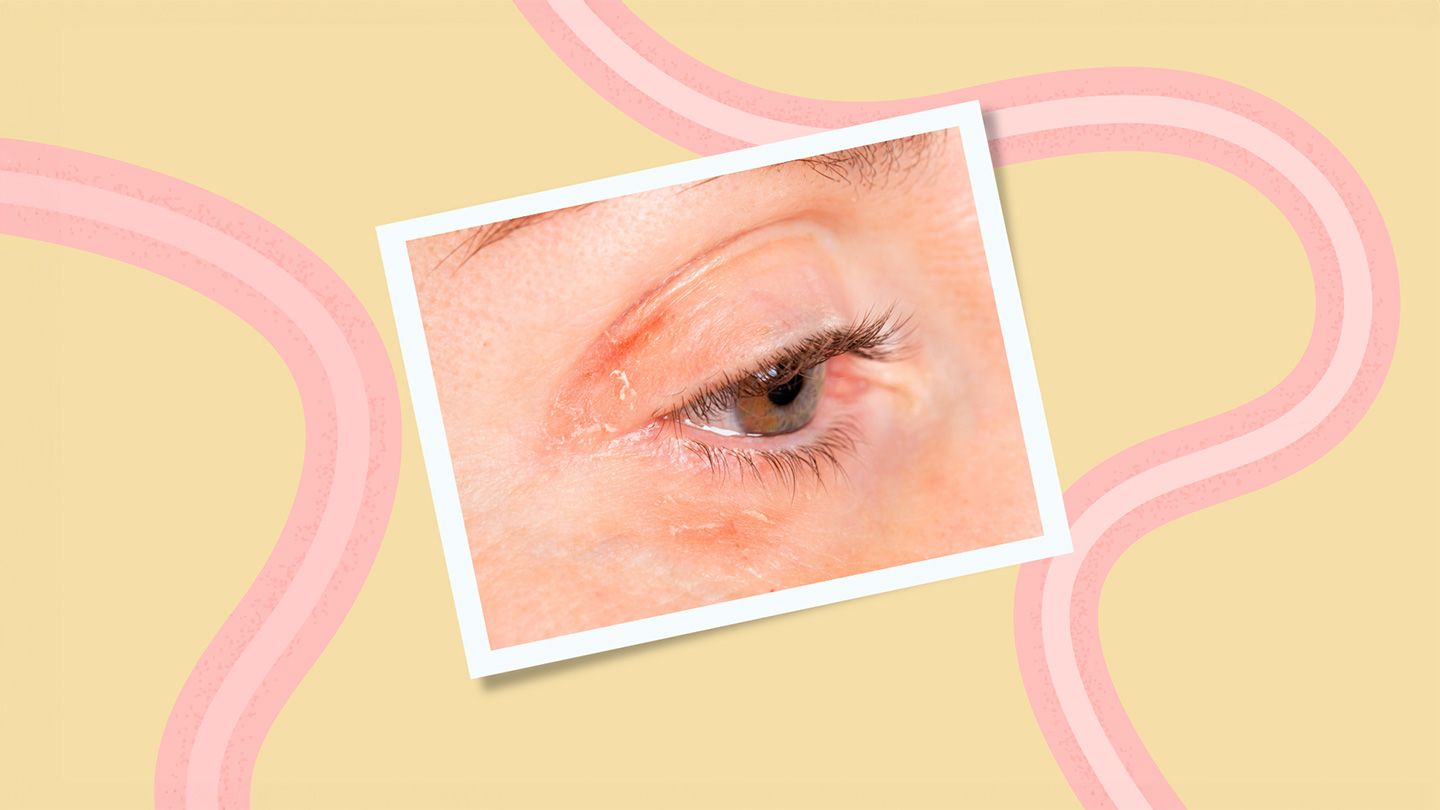
Psoriasis near the eyes can feel like an unfair plot twist. Psoriasis is already stubborn enough on an elbow or scalp, but when flaky, irritated skin shows up around the eyelids, suddenly every blink becomes a tiny weather report. The skin is delicate, the area is highly visible, and treatment requires more care than simply grabbing the strongest cream in the medicine cabinet.
This guide explains what psoriasis near the eyes may look and feel like, why eyelid psoriasis needs special attention, how doctors usually approach treatment, which symptoms deserve urgent eye care, and what daily life with this condition can realistically be like.
What Is Psoriasis Near the Eyes?
Psoriasis is a chronic inflammatory skin condition that speeds up the skin-cell cycle. Instead of shedding gradually, skin cells build up faster than usual, which can lead to dry, raised, flaky, itchy, or sore patches. While psoriasis often appears on the scalp, knees, elbows, hands, or lower back, it can also affect the face, eyebrows, eyelids, and skin surrounding the eyes.
Psoriasis near the eyes usually affects the skin around the eye rather than the eyeball itself. It may appear on the upper eyelid, lower eyelid, brow bone, corners of the eyes, or the skin between the eyebrows. In some cases, flakes can collect near the eyelashes, making the area resemble dandruff that decided to move into a much more inconvenient neighborhood.
Common Symptoms of Eyelid Psoriasis
- Dry, flaky, or scaly skin around the eyelids
- Redness, discoloration, or darker patches depending on skin tone
- Itching, burning, stinging, or tenderness
- Skin that feels tight, rough, or unusually sensitive
- Fine scaling near the eyebrows or eyelashes
- Temporary swelling caused by irritation or rubbing
- Discomfort when blinking, washing the face, or applying makeup
Psoriasis is not contagious. You cannot pass it to someone by touching your face, sharing a hug, or sitting too close during a movie. Still, because eyelid psoriasis can look similar to an infection, allergy, or eye irritation, getting the right diagnosis matters.
Why Psoriasis Around the Eyes Needs Extra Care
The eyelids have some of the thinnest skin on the body. That makes them vulnerable to dryness, irritation, and side effects from medications that might be perfectly reasonable on thicker skin, such as the elbows or knees. A prescription cream that works beautifully on a stubborn plaque on the leg may be far too strong for the eyelid area.
Another issue is proximity. Anything applied near the eye can migrate into the eye through sweat, blinking, tears, rubbing, or enthusiastic face washing. Even a small amount of cream in the wrong place can cause burning, blurred vision, or irritation. This is why psoriasis treatment near the eyes should be more “careful paintbrush” than “garden hose.”
People with psoriasis may also experience dry-eye symptoms, eyelid irritation, blepharitis, or inflammation affecting the eye surface. That does not mean every red or uncomfortable eye is caused by psoriasis. Allergies, eye infections, eczema, contact dermatitis, cosmetic reactions, and other eye conditions can create similar symptoms.
How Doctors Diagnose Psoriasis Near the Eyes
A dermatologist can often diagnose psoriasis by examining the skin and reviewing a person’s medical history. The doctor may ask whether psoriasis appears elsewhere on the body, whether there is scalp flaking, nail pitting, joint pain, a family history of psoriasis, recent illness, medication changes, or new skincare products.
When psoriasis appears near the eyes, diagnosis can be trickier because several conditions can mimic it. A clinician may look closely at the eyelids, eyebrows, scalp, ears, nails, and other common psoriasis sites before deciding on the most likely cause.
Conditions That Can Look Like Psoriasis Near the Eyes
- Eczema: Often causes dry, itchy, inflamed skin and may be linked to allergies or sensitive skin.
- Seborrheic dermatitis: Commonly affects oily areas such as the eyebrows, eyelids, scalp, sides of the nose, and ears.
- Contact dermatitis: Can happen after exposure to cosmetics, fragrances, eyelash glue, skincare products, hair dye, or nail products transferred to the eyelids by touch.
- Blepharitis: An inflammatory eyelid condition that may cause crusting, irritation, redness, and flakes at the lash line.
- Eye infection: May cause redness, discharge, swelling, pain, or irritation and needs proper evaluation.
- Rosacea-related eye irritation: Can cause burning, redness, dryness, and eyelid inflammation.
Because treatments differ, it is risky to assume every flaky eyelid patch is psoriasis. A person may have psoriasis elsewhere and still develop eczema, allergy-related irritation, or blepharitis near the eyes. Skin does enjoy keeping life interesting.
Treatment Options for Psoriasis Near the Eyes
Treatment depends on the severity of symptoms, the exact location of the psoriasis, whether the eye itself is irritated, and whether psoriasis affects other parts of the body. The safest plan is usually created by a dermatologist, sometimes with input from an ophthalmologist or optometrist if there are eye symptoms.
Low-Potency Topical Corticosteroids
Doctors may prescribe a low-potency topical corticosteroid for a short period to calm inflammation and itching around the eyelids. Stronger steroids are generally avoided on the eyelid area unless a clinician specifically directs otherwise. Prolonged or inappropriate use of steroid creams near the eyes can increase the risk of skin thinning and may contribute to eye-related problems, including cataracts or glaucoma.
This is not a situation for experimenting with a leftover tube of prescription cream from five years ago. The tube may be old, the medication may be too strong, and the eyelids are not impressed by confidence.
Topical Calcineurin Inhibitors
Some dermatologists may recommend nonsteroidal anti-inflammatory medications such as tacrolimus ointment or pimecrolimus cream for sensitive areas, including the face and eyelids. These medications can be useful because they do not carry the same skin-thinning concerns as topical corticosteroids. They may cause temporary burning or stinging when first applied, especially if the skin is already irritated.
These medicines should be used only as directed by a qualified clinician. “A little more must work faster” is not a medical strategy. It is a phrase that has started many regrettable skincare adventures.
Moisturizers and Gentle Skin Care
A simple, fragrance-free moisturizer may help support the skin barrier and reduce dryness around the eyes. The product should be gentle, bland, and intended for sensitive facial skin. Avoid applying products directly into the eye or too close to the lash line unless a clinician specifically tells you to do so.
Many common psoriasis ingredients, including salicylic acid, coal tar, retinoids, strong exfoliating acids, and heavily fragranced products, may be too irritating near the eyes. A product can be excellent for a scalp plaque and still be a terrible roommate for an eyelid.
Systemic Psoriasis Treatment
If psoriasis near the eyes occurs along with moderate-to-severe psoriasis elsewhere on the body, a dermatologist may recommend treatment that works throughout the body. Depending on the situation, that could include oral medications, injections, biologic therapies, or carefully supervised light therapy for appropriate skin areas.
Treating the overall inflammatory disease can improve facial and eyelid symptoms, especially when topical treatment alone is not enough. The treatment decision should consider disease severity, age, health history, other medications, pregnancy status when relevant, and personal treatment goals.
What You Can Do at Home
Home care cannot replace an exam when the eye area is involved, but a gentle routine may reduce irritation and help prevent a small flare from becoming a full-time distraction.
A Simple Daily Routine
- Wash your hands before touching the eye area.
- Use a mild, fragrance-free cleanser around the face.
- Pat the skin dry instead of rubbing it with a towel.
- Apply prescribed treatment exactly as directed.
- Use a gentle moisturizer if your clinician recommends one.
- Avoid scratching, rubbing, peeling flakes, or scrubbing the eyelids.
- Pause new eye makeup, lash products, or fragranced skincare during a flare if they seem irritating.
Keeping a short symptom diary can also help. Note when flares begin, whether you started a new product, whether symptoms appeared after illness or stress, and whether you have psoriasis in other locations. This information can make a dermatology appointment much more useful.
Psoriasis Triggers That May Affect the Eye Area
Psoriasis triggers vary widely. A trigger that affects one person may do absolutely nothing for another. Common flare triggers can include emotional stress, skin injury, infections, dry weather, harsh skincare products, certain medications, and friction or rubbing.
The skin around the eyes is especially vulnerable to irritation because people touch their faces constantly without noticing. Rubbing tired eyes, removing makeup aggressively, wearing irritating cosmetic products, or transferring nail products to the eyelids can make a flare feel worse.
If you think a prescription medication is worsening psoriasis, do not stop it on your own. Contact the prescriber or pharmacist first. Some medications need to be adjusted gradually or replaced safely.
When Psoriasis Near the Eyes Needs Urgent Medical Care
Psoriasis on the skin around the eyes is usually not an emergency by itself. However, certain symptoms can signal an eye condition that needs prompt attention. Contact an eye doctor urgently, seek same-day care, or go to emergency care if you have:
- Eye pain that is severe, deep, or worsening
- Blurred vision, reduced vision, or sudden vision changes
- Strong sensitivity to light
- A very red, watery eye rather than only irritated skin
- Thick discharge, pus, or eyelids that are stuck together
- Rapid swelling around the eye
- Fever along with facial swelling or severe redness
- An eye that is difficult to open or painful to move
These symptoms may be related to infection, corneal irritation, uveitis, allergic reaction, or another eye problem. It is much better to have a clinician say, “Everything looks okay,” than to ignore a symptom that affects vision.
Can Psoriasis Near the Eyes Affect Vision?
Psoriasis limited to the skin around the eyes does not automatically damage vision. Still, severe scaling, swelling, dryness, rubbing, medication side effects, or inflammation involving the eye itself can affect comfort and visual clarity. Dry eyes may cause burning, grittiness, redness, tearing, or fluctuating blurry vision.
People with psoriasis or psoriatic arthritis should mention persistent eye symptoms to their healthcare team. In some cases, a dermatologist may recommend an eye examination, especially when there is eye pain, light sensitivity, ongoing redness, or vision changes.
Frequently Asked Questions About Psoriasis Near the Eyes
Can psoriasis spread from my eyelid to my eye?
Psoriasis does not “spread” like an infection. It can appear in additional areas of skin, but it is not contagious and does not move from one person to another. If the eye itself becomes red, painful, or sensitive to light, get evaluated because another condition may be involved.
Can I use over-the-counter hydrocortisone near my eyes?
Do not assume that over-the-counter hydrocortisone is automatically safe for eyelid psoriasis. The eyelid area is delicate, and even mild steroid products may not be right for every person or every situation. Ask a dermatologist, ophthalmologist, optometrist, pharmacist, or other qualified clinician before using it near the eyes.
Will eyelid psoriasis go away permanently?
Psoriasis is generally a long-term condition with periods of flares and calmer skin. A flare near the eyes may improve with proper treatment and gentle skin care, but future flares can happen. The goal is to reduce symptoms, protect the skin and eyes, and develop a plan that feels manageable.
Can makeup make psoriasis around the eyes worse?
It can. Fragrance, preservatives, glitter, waterproof formulas, lash glue, makeup removers, and frequent rubbing can irritate sensitive skin. During an active flare, many people do better with a simplified routine and fewer products near the eyes.
Living With Psoriasis Near the Eyes: Common Experiences and Practical Realities
This experience-focused section reflects common themes people describe when managing visible psoriasis near the eyes. It is not a substitute for individual medical advice or a collection of personal medical case histories.
Psoriasis near the eyes can be physically small but emotionally loud. A patch the size of a fingernail may take up a surprising amount of mental space because it sits in the middle of the face, directly beside one of the first places people look during conversation. Someone might feel fine about a psoriasis patch on a knee, then feel much more self-conscious about a tiny flaky area near an eyebrow. That reaction is understandable. Faces are personal territory.
Many people describe the morning as the most annoying part of the day. The skin may feel tight after sleep, especially during dry weather or after a bad flare. Looking in the mirror can become a quick inspection routine: Is the redness worse? Are there flakes near the lashes? Did the cream help? Is this going to be a “sunglasses indoors” kind of day? The goal is not perfection. The goal is to notice changes without letting the mirror become a full-time supervisor.
Eye-area psoriasis can also complicate everyday grooming. Makeup may settle into dry patches. Concealer can highlight texture instead of hiding it. Mascara, eyeliner, lash serum, eye cream, and makeup remover may suddenly feel like suspicious characters in a detective show. Some people find that simplifying their products during a flare helps reduce irritation and makes it easier to identify what their skin tolerates.
Social situations can add another layer. People may ask whether the skin is contagious, whether it is an allergy, or whether the person has been crying. These questions can be awkward, even when they are well-intended. A short prepared answer can help: “It’s psoriasis. It isn’t contagious, but my skin is having a dramatic day.” Humor is optional, but it can make the conversation feel less heavy.
Work, school, video calls, and photos may feel different during a visible flare. Bright screens can make dry or irritated eyes feel worse. Long video meetings may increase blinking discomfort, especially when dry-eye symptoms are present. Taking ordinary screen breaks, resting the eyes, and using any eye-care plan recommended by a clinician can make the day more manageable. You do not have to win a staring contest with your laptop.
Another common experience is uncertainty. People may wonder whether the flare came from stress, a new cleanser, weather changes, rubbing their eyes, a cold, or simply psoriasis being psoriasis. Tracking symptoms can help identify patterns, but it is also important not to blame yourself for every flare. Psoriasis is an inflammatory condition, not a personal failure or a punishment for buying the wrong face wash once.
Appointments can be surprisingly reassuring. A dermatologist can explain whether the rash truly looks like psoriasis, eczema, seborrheic dermatitis, contact dermatitis, or another condition. An eye professional can check whether eye symptoms need separate treatment. Having a clear plan often reduces the urge to keep switching products every few days, which can make sensitive skin even more irritated.
People also often describe small victories that matter more than outsiders realize: waking up without burning skin, wearing glasses comfortably, going through a day without rubbing the eyelids, using fewer products, or feeling comfortable enough to take a photo without editing the entire eyebrow region into another dimension. These are not trivial improvements. They are signs that symptoms, confidence, and daily routines are becoming easier to manage.
Most importantly, psoriasis near the eyes deserves care without panic. It is okay to ask questions, seek a second opinion, talk openly about how visible symptoms affect confidence, and request help before a small patch becomes a big source of stress. The eye area is delicate, but with accurate diagnosis, cautious treatment, and a realistic routine, many people find a way to manage flares without letting them dominate every day.
Conclusion
Psoriasis near the eyes can cause dryness, scaling, itching, discomfort, and understandable frustration. Because eyelid skin is thin and close to the eye itself, treatment should be cautious and guided by a dermatologist or eye-care professional when needed. Avoid guessing with strong creams, harsh exfoliants, or random leftover medications.
The best approach usually combines accurate diagnosis, gentle skincare, carefully selected treatment, attention to possible triggers, and prompt care for pain, light sensitivity, discharge, or vision changes. Psoriasis may be persistent, but it does not get to write the entire story of your face, your routine, or your confidence.

