
Body Care
How to Place Your Bed for Good Feng Shui
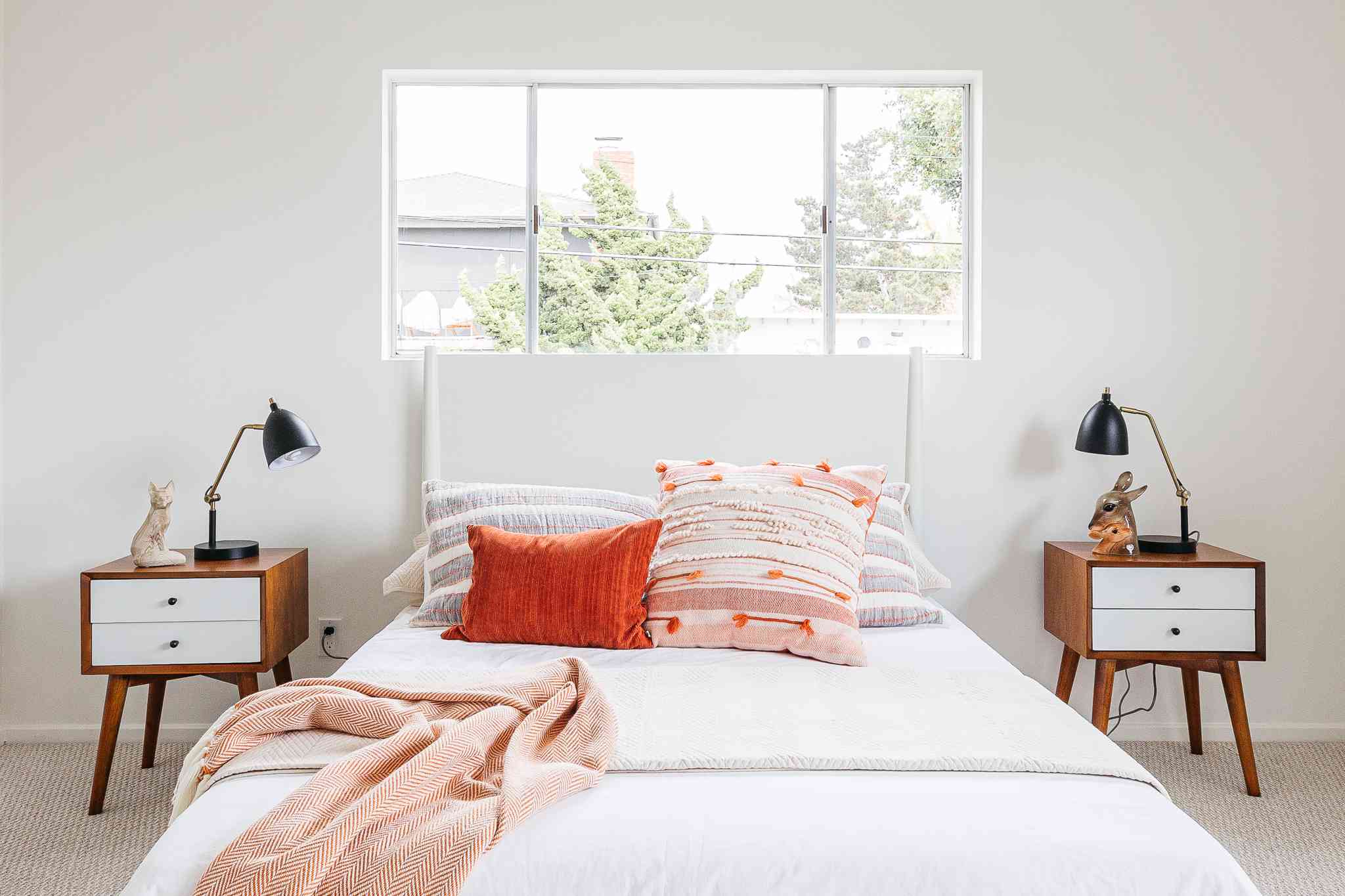
Aug
If your bedroom feels “off” (like it’s quietly judging you), you’re not imagining things. In feng shui, your bed isn’t just furnitureit’s your
nightly charging station. And just like your phone, it works best when it’s in the right spot, not wedged behind a lamp, under a window, and
directly in the path of a door that swings like it’s auditioning for an action movie.
The goal of good feng shui bed placement is simple: help your room feel supportive, calm, and safeso your body actually believes it’s allowed to
relax. Below is a practical, real-life guide (no incense required, unless you like it) to placing your bed for better flow, better rest, and fewer
“why do I feel wired at 1 a.m.?” nights.
What “Good Feng Shui” Bed Placement Actually Means
Feng shui is about how your environment affects youyour mood, your focus, your rest, and yes, your relationships with both people and alarm clocks.
The bedroom is considered a yin space (quiet, restorative energy), and your bed is the main event. Placement matters because it changes how you
experience the room: what you see first, what feels stable, what feels exposed, and what subtly stresses you out.
Think of it like this: in a well-placed bed, you can breathe deeper. In a poorly placed bed, your nervous system acts like it’s on neighborhood
watcheven while you’re asleep.
The #1 Rule: Put Your Bed in the “Command Position”
The commanding position is feng shui’s greatest hit for bed placement. It means you can see the bedroom door while you’re in bed, but you are
not directly lined up with it.
Why it works
Psychologically, seeing the entrance helps you feel in control and secure. Energetically (in feng shui terms), it lets you “receive” what’s coming
without being in the direct blast zone of fast-moving energy from the doorway.
What it looks like in real rooms
- Best case: Bed is diagonal from the door (kitty-corner), with a clear sightline to the entrance.
- Still good: Bed is on a side wall where you can see the door by turning your head slightly.
- Not ideal: Bed is directly in line with the door (feet pointing at it). This is often called the “coffin position.”
Quick test
Lie down like you’re about to sleep. Can you see the door without scooting into a weird neck-crane? Great. Are you staring straight down the runway
to the door like it’s coming in for a landing? Not great.
Anchor Your Bed With Real Support
In feng shui, your bed should feel backed by something solidliterally. This is where the headboard and wall placement matter.
Place the headboard against a solid wall
A sturdy wall behind the head of the bed represents support and stability. It’s also just… structurally comforting. Humans like having something
reliable behind their heads when they’re unconscious. Weird, but true.
Use a solid headboard (and actually attach it)
A headboard isn’t only decorative; it’s symbolic “backing.” Choose one that feels stable (no wobbly situation, no flimsy bars that make it look like
your bed is in time-out). Upholstered or solid wood is popular in feng shui because it reads as grounded and supportive.
Avoid putting your bed under a window if you can
Windows are energetic “openings,” and feng shui generally prefers the head of the bed to be protected by a wall rather than exposed to drafts, light,
and visual movement. If your only option is a window wall, you can still improve the setup with the right fixes (keep readingsmall bedrooms deserve
love too).
Try not to share your headboard wall with a toilet
Bedrooms and bathrooms have very different energy (rest vs. drainage, in feng shui language). If the wall behind your headboard backs up to a toilet
or busy plumbing zone, it may feel disruptive. If you can’t change it, you can reduce the impact with buffering tricks (we’ll cover those in the
“awkward layout” section).
Keep the Bed Out From Under “Pressure” Overhead
Feng shui often warns against sleeping under heavy ceiling featuresthink beams, slanted ceilings, ceiling fans, or bulky soffits. The idea is that
the visual (and sometimes literal) weight above you can create a subtle sense of pressure.
What to do if you can’t avoid it
- Shift the bed so the beam/fan is not directly over your torso or head.
- If the ceiling feature is unavoidable, soften the visual impact with a fabric canopy or a ceiling treatment that feels lighter.
- Make the bed extra grounded: stable headboard, calming bedding, and minimal clutter nearby.
Create Balance: Space on Both Sides (Yes, Even If You’re Single)
Feng shui loves balance. In bedroom terms, that often means giving the bed breathing roomideally with access on both sides and a sense of symmetry.
Why it matters
Practically, it helps circulation and makes the room easier to use. Energetically, it signals openness and equalityespecially in shared spaces.
And if you’re solo, it still matters: the room feels less cramped, less cornered, and less like you’re living inside a Tetris level.
Easy ways to add balance
- Two nightstands (even small ones) to frame the bed.
- Matching or similar lamps for soft, even light.
- Equal “landing space” on each side, even if one side is tighter.
If your room is tiny, don’t force full symmetry like it’s a geometry exam. Aim for a feeling of balance: similar visual weight, similar function, and
no side of the bed feeling like the “forgotten sibling.”
Mirrors: Helpful for Light, Not Great for Staring at You While You Sleep
Many feng shui guidelines advise against mirrors facing the bed. The classic belief is that mirrors can “activate” energy in a room that’s supposed to
be restfulplus they reflect motion and light, which can be genuinely distracting.
Common mirror situations (and what to do)
-
Mirror directly facing the bed: If possible, move it to a side wall. If it’s a closet door, consider curtains, a removable film,
or simply covering it at night. - Mirror angled so you see it from bed: Rotate it slightly so it reflects something calm (like art) instead of your sleep face.
- You need a mirror in the bedroom: Totally finejust place it where it doesn’t reflect the bed directly.
Under-Bed Storage: The Most Controversial 18 Inches of Real Estate
Feng shui often recommends keeping the space under the bed clear so energy can circulate. Practically speaking, clutter under the bed can collect dust
and create that “something’s lurking” feeling when you’re trying to relax.
If you can keep it empty, do
Empty under-bed space is the simplest option for a calmer vibe and easier cleaning. (Your future self will thank you. Your vacuum will also thank you.)
If you must store items under the bed
Keep it calm and “sleep-related”: extra bedding, pillows, or seasonal linens in tidy containers. Avoid emotionally charged or work-related items
(paperwork, old letters, mystery cables, the box of “I’ll deal with this later”). In feng shui logic, you’re basically sleeping on whatever you store.
Choose accordingly.
A Practical Step-by-Step to Find Your Best Bed Placement
Step 1: Identify the door and your sightline
Stand in the doorway and note the farthest wall(s). The commanding position is often on the back-left or back-right area of the roomwhere you can see
the door but aren’t aligned with it.
Step 2: Choose the best “support wall”
Pick a wall that feels solid, quiet, and not shared with a busy bathroom if you can help it. Avoid placing the head of the bed on a wall with a lot
of foot traffic behind it (like a hallway wall) if it makes you feel unsettled.
Step 3: Avoid direct alignment with doors
If the bed must be on the same axis as the door, try sliding it off-center so the door is not pointing straight at your feet. Even a small shift can
change how the room feels.
Step 4: Check windows and overhead features
If your ideal wall is a window wall or you have ceiling beams/fans, choose the placement that minimizes exposure or “pressure” overhead. Then plan
simple fixes: curtains, a stronger headboard, softer lighting, and more grounded decor.
Step 5: Add balance and calm around the bed
Add nightstands, soft lamps, and a clear pathway. Keep the area around the bed simple. Your bedroom is not a storage unit with a mattress cameo.
Bed Placement Solutions for Awkward Bedrooms
Small bedroom, only one wall fits
If the bed only fits against one wall and it’s not the “perfect” feng shui spot, prioritize what matters most:
support behind your head and not being directly in line with the door. If one side of the bed is against a wall,
make the accessible side extra inviting with a nightstand and warm lighting, and keep the “wall side” visually soft (art, paint color, or textiles).
Bed is directly in line with the door
If you can’t move the bed, create a gentle buffer so the door’s energy doesn’t feel like it’s sprinting at your toes:
- A bench or storage ottoman at the foot of the bed (bonus: it looks expensive even if it wasn’t).
- A taller footboard or a folded throw at the foot area to “close” the line visually.
- A rug that anchors the bed zone and slows the eye.
- A screen or open bookshelf placed so it doesn’t block access but reduces the straight shot from door to bed.
Headboard must go under a window
Make the window wall feel more solid:
- Use full-length curtains (ideally heavier) and close them at night.
- Choose a tall, solid headboard.
- Keep the windows secure and reduce drafts and noise as much as possible.
- Use calm, layered lighting so the window isn’t the only “bright actor” in the room.
En suite bathroom behind the bed
If your headboard wall backs up to a bathroom, you can reduce the impact:
- Keep the bathroom door closed when possible.
- Fix leaks, odors, and noisy fans (practical fixes matter in every philosophy).
- Add a padded or upholstered headboard for a more buffered feel.
- Consider placing a console or low dresser on the bedroom side of that wall (if space allows) as an extra layer of “support.”
Do Directions Matter (North, South, East, West)?
You’ll see advice that certain directions are “best” for sleep. Some feng shui traditions and modern wellness content recommend particular orientations
(often emphasizing restful vibes and a sense of stability). But direction-based guidance can vary widely between schools and cultural traditions.
The most consistently recommended approach is: start with placement (command position, solid support, no door alignment), then treat
compass direction as a “nice-to-have” if it’s easy. If you try a direction shift and your sleep improves, great. If you rotate the bed and now your
elbow hits the wall every night, that’s not harmonythat’s a bruise with a backstory.
Quick Feng Shui Bed Placement Checklist
- ✅ You can see the door from bed, but you’re not directly lined up with it.
- ✅ Headboard is on a solid wall and feels stable.
- ✅ Bed is not under heavy ceiling features (or they’re minimized).
- ✅ Both sides have some breathing room (as much as your space allows).
- ✅ Mirrors do not face the bed directly.
- ✅ Under-bed area is clearor limited to calm, sleep-related storage.
- ✅ The bed zone feels quiet, grounded, and easy to move around.
FAQ: Bed Placement for Good Feng Shui
Is it really “bad” if my bed faces the door?
Feng shui calls it unfavorable, but “bad” is dramatic. The bigger point is how it feels: some people sleep fine; others feel exposed. If you can’t
move it, try buffering fixes like a bench at the foot, a rug, or a screen that softens the straight line from door to bed.
What if my room layout forces the bed into a corner?
Corners can feel cramped and limit energy flow. If it’s unavoidable, keep the accessible side open and uncluttered, add warm lighting, and avoid
stacking tall furniture right next to your head. The goal is to reduce the “boxed in” feeling.
Should I have two nightstands even if I don’t need them?
Feng shui likes pairs for balance. In real life, one nightstand plus a small shelf or wall-mounted ledge on the other side can create a similar sense
of symmetry without eating your square footage.
Can I have a TV in the bedroom?
Many feng shui and sleep experts recommend minimizing tech in the bedroom. If removing it isn’t realistic, reduce its impact: hide cords, keep the area
tidy, and create a calming pre-sleep routine that doesn’t involve bright screens right before bed.
Real-Life Experiences: What People Often Notice After Moving the Bed (500+ Words)
Because feng shui is about how a space feels, people tend to describe changes in everyday, practical termsnot in magical “my aura now sparkles”
speeches. Here are a few common experiences people report after adjusting bed placement using the ideas above. (No, you don’t have to believe in
invisible energy. Your nervous system is plenty real, and it has opinions.)
1) “I feel calmer when I get into bed.”
One of the most frequent reactions happens when the bed moves into a command position. People often say the room feels less chaotic, even if nothing
else changed. The simple ability to see the door seems to reduce that low-level vigilance some people carry into sleepespecially if they’re light
sleepers or live with roommates, kids, or a very enthusiastic dog who treats the hallway like a racetrack.
2) “My bedroom suddenly looks more put-together.”
Centering the bed on a solid wall with two balanced sides (even if the “second nightstand” is just a small stool) tends to make the room feel more
intentional. People describe it as “hotel-like,” “grown-up,” or “finally not random.” This isn’t mysticalit’s design logic: symmetry, clear pathways,
and an anchored focal point calm the eye, which helps calm the mind.
3) “I didn’t realize the mirror was stressing me out until it wasn’t.”
When mirrors face the bed, some people report feeling oddly restless, waking more easily, or getting spooked when they half-wake and catch movement in
the reflection. Even if you’re not superstitious, it’s common to sleep more deeply when the mirror is moved or coveredespecially in rooms with street
lights, car headlights, or early morning sun that can bounce around.
4) “Decluttering under the bed made me feel lighter.”
This one comes up a lot because it’s both symbolic and practical. Once the under-bed area is cleared (or cleaned up), people often say the room feels
easier to maintainand they feel less mentally “stuck.” Sometimes it’s simply that dust is reduced and the space looks less cramped. Other times it’s
the emotional effect of removing boxes of old stuff that quietly whisper, “Hey, remember that stressful thing you avoided?”
5) “My partner and I stopped bumping into each other as much.”
Balanced access and clear pathways matter. Couples in tight rooms often notice fewer little annoyanceslike one person climbing over the other, or
nightstand stuff constantly getting knocked off. Small layout improvements can lower friction, and less friction (the daily kind) can make the bedroom
feel more restful and supportive.
6) “I couldn’t follow every rule, but it still helped.”
This is the most important experience to highlight: perfection isn’t required. People often get meaningful improvements by fixing just one or two big
thingslike moving out of direct door alignment, adding a sturdier headboard, or improving the sense of balance. Feng shui is best used as a
decision-making tool: when choosing between two layouts, pick the one that feels safer, calmer, and more supported. Your body will usually vote
immediately.
Conclusion: Your Bed Should Feel Like Support, Not a Surprise Attack
The best feng shui bed placement isn’t about chasing a flawless diagramit’s about making your bedroom feel stable, calm, and easy to live in. Start
with the big wins: command position, solid support behind your head, no direct line with the door, and a clutter-light bed zone. Then refine with
balance, gentle lighting, smart mirror placement, and a little breathing room on both sides.
If you do one thing today, do this: lie down, look around, and ask, “Does this position make me feel protected or exposed?” Move the bed (or add a
simple buffer) until the answer leans strongly toward protected. Good feng shui isn’t magicit’s your environment finally acting like it’s on your
team.

