
Beauty Unlocked
“Let’s Take A Look Into Your Fridge”: Pandas From All Over The World Show The Contents Of Their Fridge (29 Pics)
Aug
Opening someone else’s refrigerator feels strangely intimate. A living room can be staged, a bookshelf can be curated, and a bathroom can be scrubbed ten minutes before guests arrive. The fridge, however, is usually caught in the act of being itself.
Behind that white, silver, or occasionally avocado-green door, real life is happening. There may be perfectly labeled containers arranged like a tiny grocery store. There may also be one lemon, three sauces, half a birthday cake, and a container nobody is emotionally prepared to investigate.
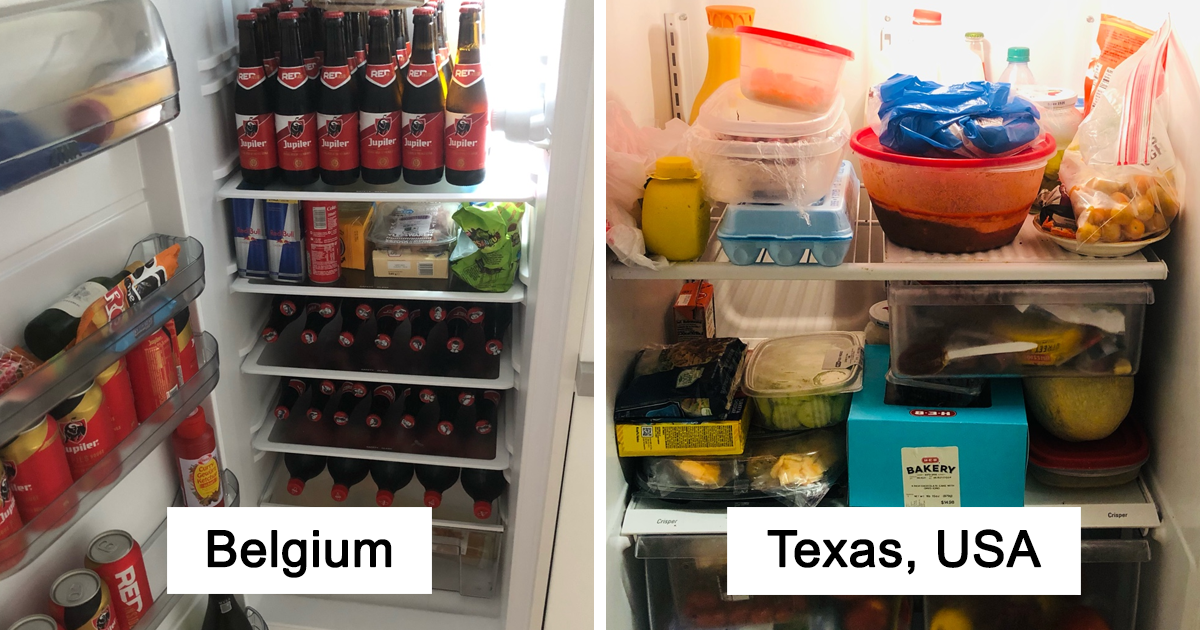
That is why photographs of fridge contents are so compelling. In this collection of 29 pictures shared by Pandas from different parts of the world, an ordinary kitchen appliance becomes a miniature portrait gallery. Each shelf hints at shopping habits, local ingredients, family routines, cooking traditions, available space, and the eternal human belief that one day we will definitely finish that jar of mustard.
Why Looking Inside Other People’s Fridges Is So Fascinating
A Refrigerator Is an Unintentional Self-Portrait
Most people do not organize their refrigerators for an audience. They arrange food according to convenience, habit, available shelf space, and whether the milk carton is tall enough to cause another architectural crisis.
That lack of performance makes fridge photos feel honest. A row of meal-prep containers may suggest a busy schedule or a carefully planned week. Several kinds of cheese could point toward culinary enthusiasm, local food traditions, or simply a household that understands the true meaning of happiness. A nearly empty refrigerator might belong to a frequent traveler, a student, a person who shops daily, or someone living close to restaurants and markets.
Researchers have even used refrigerators as household objects through which everyday health practices and eating habits can be studied. The contents do not tell a person’s complete story, but they provide clues about routines that interviews and surveys may overlook.
The Photos Make the Familiar Feel Exotic
A refrigerator is recognizable almost everywhere, yet its contents can vary dramatically. One person’s everyday breakfast ingredient may be another person’s intriguing mystery jar. Packages use different languages. Milk may come in cartons, bottles, bags, or forms that leave international viewers asking several urgent questions.
Fresh herbs may dominate one fridge, while another is ruled by yogurt, pickled vegetables, cooked grains, deli products, sauces, or bottled drinks. The appliance is familiar, but the food creates a cultural map.
This is not a scientific census of global diets, of course. Twenty-nine refrigerator photographs cannot represent entire countries. They do, however, offer something more personal: 29 moments from actual households, each showing how culture is lived one shelf at a time.
The Fridge Personalities Hiding in the 29 Pictures
The Impossibly Organized Fridge
Every fridge-photo collection contains at least one refrigerator that appears to have graduated from military academy. Bottles stand at attention. Produce sits in matching bins. Leftovers have labels. Nothing is leaning, leaking, or plotting revenge from behind the yogurt.
These refrigerators are deeply satisfying to view because they create the fantasy that life itself can be controlled with transparent containers. Their greatest strength is visibility. When food can be seen, it is more likely to be remembered and eaten.
Still, excessive organization can become its own hobby. A refrigerator does not require 46 specialized acrylic boxes to function. Sometimes a shallow tray labeled “Eat First” does more good than an entire weekend spent transferring blueberries from one container into a slightly more photogenic container.
The Condiment Kingdom
Then there is the refrigerator whose main residents are sauces. Hot sauce, soy sauce, mustard, mayonnaise, salad dressing, chili paste, barbecue sauce, pickles, chutney, jam, and three bottles containing liquids whose labels disappeared during a previous geological era.
A condiment-heavy fridge often suggests flexible eating. A simple bowl of rice, vegetables, noodles, eggs, or leftovers can become several different meals when the household has enough sauces to conduct international diplomacy.
The risk is duplication. People buy another bottle because the first one is hiding behind a jar of olives. Suddenly, the refrigerator contains four mustards and no actual dinner. Keeping similar items together helps prevent this delicious but expensive multiplication.
The Produce Department
Some refrigerators look like a small farmers market. Leafy greens fill the drawers. Peppers, carrots, berries, citrus fruits, and herbs occupy every available corner. These photos practically whisper, “We have plans for a salad.”
Fresh produce adds wonderful color to fridge pictures, but it is also highly perishable. Good intentions can turn into soft cucumbers and parsley soup surprisingly quickly. Storing fruits and vegetables where they remain visible, checking them frequently, and planning meals around the most delicate items can reduce waste.
A useful approach is to move produce that needs attention into a front-and-center container. The crisper drawer may help preserve quality, but it can also become a witness-protection program for spinach.
The Leftover Library
Another familiar type is the fridge filled with containers. Some are transparent and informative. Others are opaque, mysterious, and apparently classified by the government.
Leftovers reveal a household’s relationship with cooking. They may represent careful meal planning, large family dinners, restaurant takeout, or an ambitious Sunday cooking session. They can save money and time, but only when people remember what the containers hold and when the food was prepared.
Food-safety authorities generally advise refrigerating perishable leftovers promptly and using most cooked leftovers within three to four days. Shallow containers help food cool efficiently. Labels with a name and date eliminate the nightly game of “Is this chili or chocolate pudding?”
The Beverage Vault
Some refrigerators are less concerned with meals and more committed to hydration. Shelves may be packed with water, juices, sodas, energy drinks, beer, milk, tea, or colorful cans that appear capable of powering a small aircraft.
A beverage-centered fridge may belong to a shared apartment, an entertainer, a household in a hot climate, or someone who prefers buying fresh meals elsewhere. It also demonstrates how regional packaging and drink preferences can make even a simple refrigerator look culturally distinctive.
Door shelves are convenient for many bottled drinks and condiments, but highly perishable foods benefit from more consistently cold areas inside the main compartment. The refrigerator door experiences regular temperature changes every time somebody opens it and stares inside while hoping dinner will assemble itself.
The Family Fortress
A family refrigerator usually looks busy because it is doing the work of several people with competing schedules and preferences. There may be children’s snacks, adult lunches, breakfast supplies, dinner ingredients, medicine requiring refrigeration, leftovers, and one special item that everyone has been warned not to touch.
These fridges may not win minimalist design awards, but they reveal coordination. Their contents reflect school mornings, work shifts, celebrations, dietary needs, and the delicate negotiations involved in deciding who gets the last yogurt.
Simple zones can help: breakfast foods together, ready-to-eat snacks at an accessible height, raw ingredients safely contained, and leftovers grouped where they remain visible. The objective is not showroom perfection. It is preventing a small avalanche whenever someone reaches for the orange juice.
The Experimental Food Lab
Fermented vegetables, sourdough starters, homemade sauces, infused liquids, unusual cheeses, and jars that seem to be quietly breathing can turn a refrigerator into a culinary laboratory.
These contents often reflect food traditions, preservation methods, or adventurous home cooking. Fermentation and pickling are important parts of cuisines around the world, and seeing these foods side by side highlights how people preserve flavors as well as ingredients.
Labeling is especially valuable in an experimental fridge. A jar should ideally communicate more information than “probably cabbage.”
What Fridge Photos Reveal About Culture
Shopping Frequency Changes Everything
A full refrigerator does not automatically indicate that its owner eats more than someone with a sparse one. Shopping frequency matters. People who live near markets may buy smaller amounts more often. Rural households or families making less frequent grocery trips may need to store more food at once.
Kitchen size, transportation, work schedules, climate, local prices, restaurant habits, and access to fresh food all shape what appears on the shelves. Even refrigerator design matters. A compact appliance encourages different habits from a giant French-door model capable of concealing a watermelon for several weeks.
Packaging Tells Its Own Story
Fridge photos also display how foods are sold. Eggs may appear in cartons of different sizes. Dairy products may use plastic tubs, glass bottles, pouches, or paper-based containers. Produce may be loose in one household and heavily packaged in another.
These differences can reflect local retail systems, food regulations, recycling infrastructure, household preferences, and traditions. Packaging is rarely the most glamorous part of dinner, but it is one of the first things viewers notice in an international fridge tour.
Home Cooking Leaves Evidence
Raw ingredients, chopped vegetables, stocks, marinades, and containers of prepared components suggest that cooking happens regularly. A fridge dominated by packaged convenience foods may reflect limited time, limited kitchen space, personal preference, or the very reasonable belief that Tuesday has already demanded enough effort.
Neither type should be treated as a moral scorecard. Food choices are shaped by money, time, health, access, skill, work, caregiving responsibilities, and culture. A photograph captures the result, not all the circumstances behind it.
Why We Should Avoid Becoming Fridge Detectives
It is entertaining to guess who owns a particular refrigerator. Viewers might speculate about age, profession, family size, personality, or cooking ability. The game works because the fridge feels revealing.
However, a single photograph is only a snapshot. It may have been taken before grocery day, after a party, during a move, while the owner was traveling, or immediately after someone ate an heroic quantity of cheese.
An empty fridge does not prove irresponsibility. A packed fridge does not prove prosperity. Organic produce does not reveal a person’s complete diet, and several cans of soda do not provide a medical history. Fridge pictures are most enjoyable when treated as conversation starters rather than evidence in a trial.
Practical Lessons Hidden Among the Pictures
Keep Food Cold, but Do Not Pack the Fridge Solid
U.S. food-safety guidance recommends maintaining a refrigerator temperature of 40 degrees Fahrenheit or below and a freezer temperature of 0 degrees. An inexpensive appliance thermometer can confirm whether the actual temperature matches the control setting.
Cold air also needs room to circulate. A fridge packed as tightly as a subway car may develop uneven temperatures. Organization should improve airflow rather than transform every shelf into a competitive stacking event.
Create an “Eat First” Zone
Households waste food when perishable items disappear from view. A designated front shelf or bin for foods that should be eaten soon can turn forgotten ingredients into tomorrow’s lunch.
ReFED recommends periodically “eating down” the fridge by combining small amounts of leftovers and excess ingredients. Tacos, soups, salads, omelets, grain bowls, pizzas, and stir-fries are excellent vehicles for ingredients that are still good but lack an obvious career path.
Label Leftovers
Write the food name and preparation date on containers. This takes seconds and prevents both waste and unnecessary archaeological investigations.
Use older foods before newer ones, place ready-to-eat items where they are visible, and inspect the refrigerator regularly. A five-minute check before grocery shopping can prevent duplicate purchases and remind you that dinner is already hiding behind the milk.
Store Foods According to Risk
Keep raw meat, poultry, and seafood securely contained so juices cannot drip onto foods eaten without further cooking. Ready-to-eat foods and leftovers should be protected in covered containers.
The warmest areas of many refrigerators are the door shelves, so they are generally better suited to condiments and other less temperature-sensitive products than to highly perishable foods. Produce drawers can help maintain appropriate humidity for fruits and vegetables, although the exact settings depend on the appliance.
Think About Energy as Well as Food
A refrigerator runs continuously, making efficiency important. ENERGY STAR reports that certified refrigerators use less energy than models that merely meet federal minimum efficiency requirements. Appliance size also matters: larger refrigerators generally consume more energy.
Keeping door seals clean, allowing ventilation around the appliance, checking temperatures, and avoiding unnecessarily long door openings can support efficient operation. This is another reason to organize the fridge: finding the ketchup quickly is now an environmental achievement.
Food Waste Is the Less Photogenic Part of the Story
The most beautiful fully stocked refrigerator can become an expensive compost preview when food is forgotten. The U.S. Environmental Protection Agency estimates that a substantial share of food produced in the country is never eaten. The agency has also calculated that wasted food can cost an individual consumer hundreds of dollars per year.
Perishable foods account for much of the problem. Fresh produce, dairy products, meat, seafood, bakery items, and prepared meals can spoil before households use them. This makes the refrigerator one of the most important places to prevent waste.
Better planning does not require eating identical meals all week. It means buying realistic quantities, freezing surplus food, understanding the difference between quality-oriented date labels and spoilage, and creating flexible meals from ingredients already available.
A fridge photograph can therefore be more than amusing. It can help a household notice overcrowding, invisible leftovers, unnecessary duplicates, or ambitious produce purchases made by someone who briefly believed they would become a different person on Monday.
What Would Your Refrigerator Say About You?
Perhaps it would reveal that you cook every evening. Perhaps it would announce that you have never met a hot sauce you did not want to adopt. Maybe it would show six carefully prepared lunches, ingredients from several culinary traditions, or a single bottle of sparkling water standing beneath a light like an exhibit in a modern art museum.
The 29 fridge pictures are interesting because no two households solve the daily question of food in exactly the same way. We shop differently, store differently, cook differently, and disagree passionately about whether tomatoes belong in the refrigerator.
Yet the photos also show common ground. Nearly everyone has an ingredient they forgot, a container they should label, a favorite snack, and a shelf that becomes chaotic approximately four minutes after cleaning.
A Fridge-Diary Experience: What One Week Can Reveal
To experience the idea behind the photo collection, imagine conducting a seven-day fridge diary. This is not a demand to create a perfect refrigerator or audition for a home-organization program. The goal is simply to observe how food moves through an ordinary household.
Day One: Take the Unfiltered Photograph
Open the door and take a picture without rearranging anything. Do not rotate labels forward. Do not hide the takeout container. Do not remove the suspicious lime that now has the structural integrity of a water balloon.
The first reaction is often surprise. People become accustomed to their refrigerators and stop noticing what is directly in front of them. A photograph flattens the shelves into a single visual field, making duplicates, empty spaces, overcrowded areas, and forgotten items easier to spot.
You may notice three open jars of the same sauce. You may discover that healthy snacks are hidden in a bottom drawer while desserts enjoy eye-level advertising. You may realize that every leftover container is opaque and therefore functionally invisible.
Days Two and Three: Track What Gets Used
Pay attention to which items leave the refrigerator. Frequently used foods tend to occupy convenient positions. Items that require preparation may remain untouched on busy evenings, even when they were purchased with heroic intentions.
This experience often exposes the gap between an imaginary weekly routine and the real one. The imaginary household prepares elaborate breakfasts, packs balanced lunches, and turns every vegetable into a colorful dinner. The actual household has a meeting at 8 a.m., gets home late, and eats crackers while standing near the sink.
That gap is useful information, not failure. Future shopping can reflect the household’s real schedule. Vegetables that require less preparation, freezer-friendly portions, or ready-to-use ingredients may reduce waste more effectively than another optimistic bundle of kale.
Day Four: Hold a Leftover Night
Gather food that should be eaten soon. Small portions that seem unimpressive alone can become a surprisingly enjoyable buffet. Roasted vegetables can join eggs in a frittata. Cooked grains can become fried rice. Chicken can enter tacos. Herbs can become a sauce. Bits of cheese can perform valuable public service on toast.
The result may not resemble a restaurant tasting menu, but it solves several problems at once: dinner appears, money is saved, and shelf space returns. More importantly, the experience changes how leftovers are perceived. They stop being failed repetitions of previous meals and become ingredients for new ones.
Days Five and Six: Rearrange for Real Life
Move frequently used items to accessible positions. Create an “Eat First” area. Group condiments so duplicates are visible. Label leftovers. Secure raw ingredients in appropriate containers. Avoid buying organizers until the household understands what actually needs organizing.
After the rearrangement, preparing food usually feels easier because decisions require less searching. The refrigerator has not become larger, but it has become more legible.
Day Seven: Take the Second Photograph
Compare the two pictures. The most valuable difference may not be visual neatness. It may be that fewer foods are hidden, leftovers have dates, and the remaining ingredients correspond more closely to meals the household will realistically prepare.
This weeklong experience demonstrates why other people’s fridge photos are so captivating. A refrigerator is not static storage. It is a record of choices, schedules, appetites, mistakes, celebrations, budgets, and plans. Its contents change daily, producing a quiet documentary of domestic life.
Most importantly, the exercise encourages curiosity rather than embarrassment. A chaotic fridge is not a character flaw. It is a system providing feedback. Sometimes that feedback is thoughtful and useful. Sometimes it simply says, “Please stop buying mustard.”
Conclusion
The refrigerators shared by Pandas around the world transform an ordinary household appliance into a surprisingly vivid cultural portrait. Their shelves display local foods, shopping habits, family routines, cooking ambitions, practical compromises, and occasional condiment emergencies.
The pictures are entertaining because they invite comparison, but their real charm lies in individuality. A fridge can suggest how someone lives without telling the whole story. Viewed with curiosity instead of judgment, each photograph becomes a small introduction to another household.
The collection may also inspire viewers to examine their own shelves. A quick photograph, a labeled leftover container, an “Eat First” bin, and one creative leftover dinner can make food easier to find and less likely to be wasted. At the very least, the exercise may finally reveal what has been hiding behind the pickle jar.

