
Makeup
Video on How Feeding Tubes Work
Aug
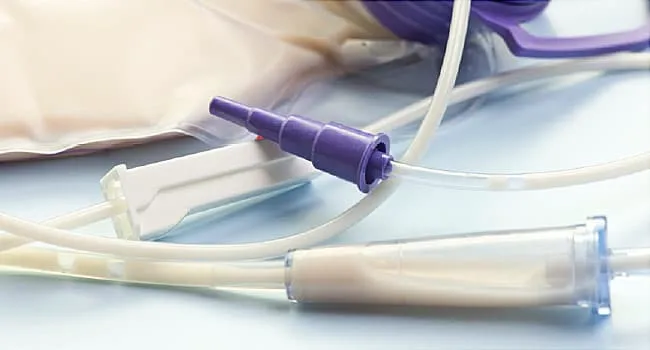
A feeding tube can look surprisingly simple: a flexible tube, a connector, perhaps a syringe or pump, and a container of liquid nutrition. Yet that modest-looking setup can deliver calories, protein, fluids, and medication when eating by mouth is difficult or unsafe.
Watching a video on how feeding tubes work is often more useful than staring at a diagram full of arrows and medical abbreviations. A good demonstration shows where the tube goes, how formula travels through it, how a feeding is given, and what everyday care looks like. It also makes one important point clear: tube feeding is not an improvised liquid lunch. It is a personalized medical nutrition plan supervised by a healthcare team.
This guide explains what viewers should expect to see in a feeding tube video, the major types of tubes, common feeding methods, safety practices, possible complications, and the experiences patients and caregivers frequently report.
What Is a Feeding Tube?
A feeding tube is a medical device that carries liquid nutrition into the gastrointestinal tract. The tip usually ends in the stomach or small intestine. This approach is known as enteral nutrition or tube feeding.
Enteral nutrition is different from parenteral nutrition. A feeding tube uses the digestive system, while parenteral nutrition delivers nutrients into the bloodstream through an intravenous line. In other words, a feeding tube takes a shortcut around the mouth and sometimes the stomach, but it does not necessarily bypass digestion.
Doctors may recommend a feeding tube when someone cannot eat enough, cannot swallow safely, or needs additional nutrition during treatment or recovery. Reasons may include:
- Stroke, Parkinson’s disease, ALS, or another neurological condition
- Head, neck, esophageal, or gastrointestinal cancer
- Major surgery or serious injury
- Severe swallowing problems or aspiration risk
- Gastroparesis or another digestive disorder
- Prematurity, poor growth, or pediatric feeding disorders
- Conditions that greatly increase nutritional requirements
A feeding tube may be needed for several days, a few months, or much longer. Some people receive all their nutrition through the tube. Others use it only to supplement meals, add fluids, or take certain medications.
Types of Feeding Tubes Shown in Educational Videos
The tube’s name usually reveals its route or destination. Medical terminology occasionally behaves like a GPS, which is helpful because it does not always behave helpfully elsewhere.
Nasogastric Tube
A nasogastric tube, commonly called an NG tube, enters through the nose, travels down the esophagus, and ends in the stomach. It is frequently used for short-term feeding.
An NG tube does not require an abdominal incision, but it may cause temporary irritation in the nose or throat. Its position must be checked according to the healthcare team’s instructions before it is used. Initial placement is commonly confirmed with an approved clinical method, often imaging, depending on the setting and situation.
Nasojejunal Tube
A nasojejunal or NJ tube also enters through the nose, but its tip continues beyond the stomach and into the jejunum, a section of the small intestine. It may be selected when the stomach does not empty normally or when feeding into the stomach is poorly tolerated.
Gastrostomy and PEG Tubes
A G-tube enters through a small opening in the abdomen and ends in the stomach. A percutaneous endoscopic gastrostomy tube, or PEG tube, is one type of G-tube placed with the help of an endoscope.
Some G-tubes have a longer external section. Others are low-profile devices known as buttons, which sit close to the skin and connect to an extension set during feedings. An internal balloon or another retention device helps keep the tube in place.
Jejunostomy and PEJ Tubes
A J-tube or jejunostomy tube passes through the abdomen and ends directly in the jejunum. A percutaneous endoscopic jejunostomy, or PEJ, is placed with endoscopic assistance. Because the small intestine cannot hold a large meal the way the stomach can, jejunal feedings are often delivered slowly with a pump.
Gastrojejunostomy Tube
A GJ-tube enters through the abdomen and stomach, but one channel extends into the small intestine. Many GJ devices have separate ports. The gastric port may be used for feeding, medication, or venting when prescribed, while the jejunal port delivers nutrition farther along the digestive tract.
How Feeding Tubes Work: The Video Walkthrough
A well-designed feeding tube video usually breaks the process into a series of manageable steps. The exact equipment and technique vary, but the basic journey of the formula is straightforward.
Step 1: The Formula Is Prepared
Tube-feeding formula is a liquid mixture designed to supply protein, carbohydrates, fats, vitamins, minerals, and water. A registered dietitian helps determine the appropriate product, calorie concentration, volume, and schedule.
Some patients use commercially prepared formula exclusively. Others may use a carefully planned blended-food formula when their medical team considers it appropriate. Homemade mixtures should not be poured into a feeding tube without professional guidance. Tube size, food safety, nutritional completeness, storage, and clogging risk all matter.
Step 2: The Patient and Equipment Are Positioned
The patient is generally positioned with the upper body elevated during a feeding and for the period recommended afterward. This can reduce reflux and aspiration risk. The caregiver washes their hands and gathers the prescribed formula, water, syringe, feeding set, pump, and other supplies.
The tube, connectors, and external markings are checked according to the care plan. For nasal tubes, the caregiver follows the prescribed procedure for checking placement. Feeding should not begin when the tube may have moved or its position is uncertain.
Step 3: The Tube Is Flushed
A prescribed amount of water is often used to flush the tube before feeding. Flushing helps confirm that the tube is open and reduces the chance of formula or medication accumulating inside it.
The right water volume depends on age, tube type, hydration needs, medical conditions, and fluid restrictions. A small infant and a large adult clearly do not receive identical instructions. Medicine does enjoy making “one size fits all” an endangered concept.
Step 4: Formula Enters the Tube
The formula travels through a syringe or feeding set, into the tube, and then to the stomach or small intestine. Gravity may move it downward, a syringe plunger may deliver it, or an electronic pump may control the rate.
The tube does not digest the formula. It simply transports it. Once delivered, the stomach and intestines absorb and process the nutrients much as they do after ordinary eating, although the route, formula composition, and feeding speed are different.
Step 5: The Tube Is Flushed Again
After feeding, the tube is commonly flushed with the prescribed amount of water. This clears residual formula, supports hydration when included in the plan, and helps prevent blockages.
Reusable extension sets and approved equipment are then cleaned or replaced according to manufacturer and care-team instructions. Formula handling rules are important because liquid nutrition can support bacterial growth when it is left open or stored incorrectly.
Four Common Tube-Feeding Methods
Bolus Feeding
A bolus feeding delivers a measured amount of formula at scheduled times, resembling separate meals. Formula may be placed in a large enteral syringe and allowed to flow gradually or delivered with the plunger as instructed.
Bolus feeding is often convenient and does not require someone to remain connected to a pump for long periods. However, it is not suitable for every tube or digestive condition, particularly when feeding directly into the small intestine.
Gravity Feeding
With gravity feeding, formula is poured into a feeding bag or container suspended above the patient. Gravity draws it through the tubing. A roller clamp controls how quickly it flows.
Holding the bag higher generally increases the flow, while lowering it slows the flow. The rate should still follow the individualized plan rather than the highly scientific strategy of “that looks about right.”
Intermittent Pump Feeding
An enteral feeding pump delivers a programmed volume at a programmed rate. Intermittent pump feedings may occur several times a day. Pumps can provide greater control when gravity or syringe feedings cause discomfort or when precise delivery is necessary.
Continuous or Cyclic Feeding
Continuous feeding delivers formula slowly over many hours. Cyclic feeding is similar but operates during a defined portion of the day or night. Slow pump delivery is common with jejunal feeding and may help people who cannot tolerate larger volumes.
Can Medication Go Through a Feeding Tube?
Many medications can be administered through feeding tubes, but only after a clinician or pharmacist confirms that the specific drug and formulation are appropriate. Some pills must not be crushed, including many extended-release and enteric-coated products. Certain liquids may also be too concentrated, interact with formula, or require dilution.
Medications are generally given separately rather than mixed together or added directly to formula. Water may be used before, between, and after medications according to the care plan. These steps help reduce interactions and prevent clogs.
Never assume that a tablet is tube-friendly simply because it surrendered quickly to a pill crusher. Ask the pharmacist first.
Daily Feeding Tube Care
Good tube care is less dramatic than tube placement, but it does most of the day-to-day safety work. A demonstration video may show the following routine:
- Wash hands before touching formula, connectors, or the tube.
- Keep the tube and extension set secured to prevent pulling.
- Clean and dry the skin around an abdominal tube as directed.
- Inspect for redness, swelling, drainage, pain, odor, or bleeding.
- Flush the tube at the prescribed times and with the prescribed volume.
- Use only enteral syringes and compatible connectors.
- Store formula safely and discard it according to product instructions.
- Record feedings, water, symptoms, bowel movements, and concerns when requested.
Modern enteral systems may use ENFit-style connectors designed to reduce the chance of accidentally connecting enteral equipment to incompatible medical tubing. Even with safety connectors, users should trace every line from the patient to its source before attaching anything.
Possible Problems and Warning Signs
Feeding tubes are widely used, but complications can occur. Common concerns include:
- Clogging or slow flow
- Nausea, vomiting, cramping, or bloating
- Diarrhea or constipation
- Dehydration or electrolyte problems
- Leakage around an abdominal tube
- Skin irritation or excess granulation tissue
- Infection at the tube site
- Reflux or aspiration
- Tube damage, movement, or complete dislodgement
Caregivers should stop the feeding and follow the medical team’s instructions if the patient develops choking, coughing, repeated vomiting, breathing difficulty, significant abdominal swelling, unusual pain, or signs that the tube has moved.
Call emergency services for serious breathing trouble, blue or gray coloring, loss of consciousness, severe bleeding, or another life-threatening reaction. Severe abdominal pain, a hard or rapidly enlarging abdomen, or a newly placed abdominal tube that falls out also requires urgent medical attention.
Do not force water through a blocked tube or insert random objects into it. A tube-cleaning adventure involving wire, toothpicks, or heroic determination can turn a manageable clog into a damaged device.
Can a Person Still Eat With a Feeding Tube?
Sometimes. Having a feeding tube does not automatically prohibit eating by mouth. Some people continue eating normally and use the tube only for supplemental calories. Others can safely enjoy small amounts or specific food textures. Patients with serious swallowing problems may need to avoid oral food and liquids because material could enter the airway.
A physician and speech-language pathologist may evaluate swallowing safety. The decision is based on the person’s condition, not merely on whether they feel capable of swallowing.
For children, clinicians may also recommend safe oral experiences, participation in family meals, or feeding therapy. These activities can support oral skills and positive associations with eating when medically appropriate.
Experiences Related to Learning How Feeding Tubes Work
The following section reflects common, composite experiences described by patients and caregivers. It does not represent one individual’s medical story, and every feeding-tube journey is different.
The First Demonstration Can Feel Overwhelming
Many caregivers remember seeing a pump, several syringes, extension tubing, formula containers, clamps, caps, and unfamiliar connectors spread across a hospital tray. The equipment may initially resemble a small plumbing project with stricter hygiene rules.
During the first lesson, people often worry about making a dangerous mistake. They may ask whether formula can flow too quickly, whether a small air bubble matters, or whether connecting the wrong port will cause harm. Watching a nurse perform the routine calmly can help, but performing it independently is usually the moment when the process truly begins to make sense.
Repeated video demonstrations are especially useful because viewers can pause before each step. They can compare their equipment with what appears on-screen, replay the flushing process, and review how the pump tubing is loaded. A printed checklist beside the video often reduces anxiety even further.
Routine Gradually Replaces Fear
After several days or weeks, many families develop an efficient rhythm. Supplies have a designated shelf. Formula is organized by date. A travel bag contains spare extensions, syringes, water, tape, emergency contact information, and backup equipment recommended by the care team.
What once required intense concentration becomes a familiar sequence: wash, check, flush, connect, feed, flush, clean, document. Pump alarms still have a talent for sounding at the least convenient moment, but users learn what common alerts mean and when they need professional help.
Patients who manage their own feeding may gain a strong sense of independence. Some adapt their schedules around school, work, medical appointments, exercise, or sleep. Portable pumps and feeding backpacks can make movement easier, although planning outings often requires more preparation than simply grabbing a wallet and keys.
Emotional Reactions Are Often Mixed
A feeding tube can bring relief because the daily struggle to consume enough calories or fluids may finally ease. Parents may see their child gain weight and energy. A person receiving cancer treatment may be better able to maintain strength. Someone with severe swallowing difficulties may experience fewer frightening choking episodes.
At the same time, tube feeding can affect privacy, body image, social activities, and family routines. Meals are not only about nutrients; they are also celebrations, habits, and opportunities to connect. A patient who cannot eat orally may feel left out even when surrounded by supportive people.
Some families adapt by keeping the person involved during meals, provided that doing so is comfortable and medically appropriate. They may run a feeding while everyone sits at the table, choose activities that do not revolve entirely around food, or explain the tube to curious friends in simple language.
Small Practical Lessons Become Valuable
Experienced tube users frequently emphasize preparation. They learn to check supply levels before weekends, keep emergency numbers accessible, protect the tubing from pets and small children, and carry extra clothing in case of leakage. They also learn that online advice cannot replace instructions from the team familiar with their exact tube and diagnosis.
Perhaps the most reassuring experience is realizing that needing a feeding tube is not a personal failure. It is a tool. Like glasses improve vision and wheelchairs support mobility, feeding tubes provide access to nutrition when the usual route is inadequate or unsafe. The equipment may attract attention, but its purpose is deeply ordinary: helping a body receive what it needs.
Conclusion
A video on how feeding tubes work can turn an intimidating medical device into a series of understandable actions. Formula moves through a tube into the stomach or small intestine, where nutrients are absorbed. Depending on the patient’s needs, feeding may be delivered by syringe, gravity, or pump on a bolus, intermittent, cyclic, or continuous schedule.
The safest results come from combining clear video education with hands-on training from healthcare professionals. Patients and caregivers should know the correct tube, formula, rate, flush volume, positioning, cleaning routine, medication procedure, and emergency plan before managing feedings independently.
With practice, many people find that tube feeding becomes less mysterious and more manageable. The tube may be medically sophisticated, but its mission is refreshingly simple: deliver nourishment, support recovery, and make daily life healthier and safer.
Note: Educational videos should supplementnot replaceindividual instruction from a qualified feeding-tube care team. Equipment and procedures may differ among patients.
Research basis: Current educational and clinical guidance from Mayo Clinic, Cleveland Clinic,
MedlinePlus, NIDDK, ASPEN, NIH, Stanford Health Care, Children’s Hospital of Philadelphia,
Memorial Sloan Kettering Cancer Center, MD Anderson Cancer Center, Cincinnati Children’s,
Boston Children’s Hospital, the Oley Foundation, and the U.S. FDA.

