
Hair Care
Crying During Your Period: Is It Normal? Research and More
Aug
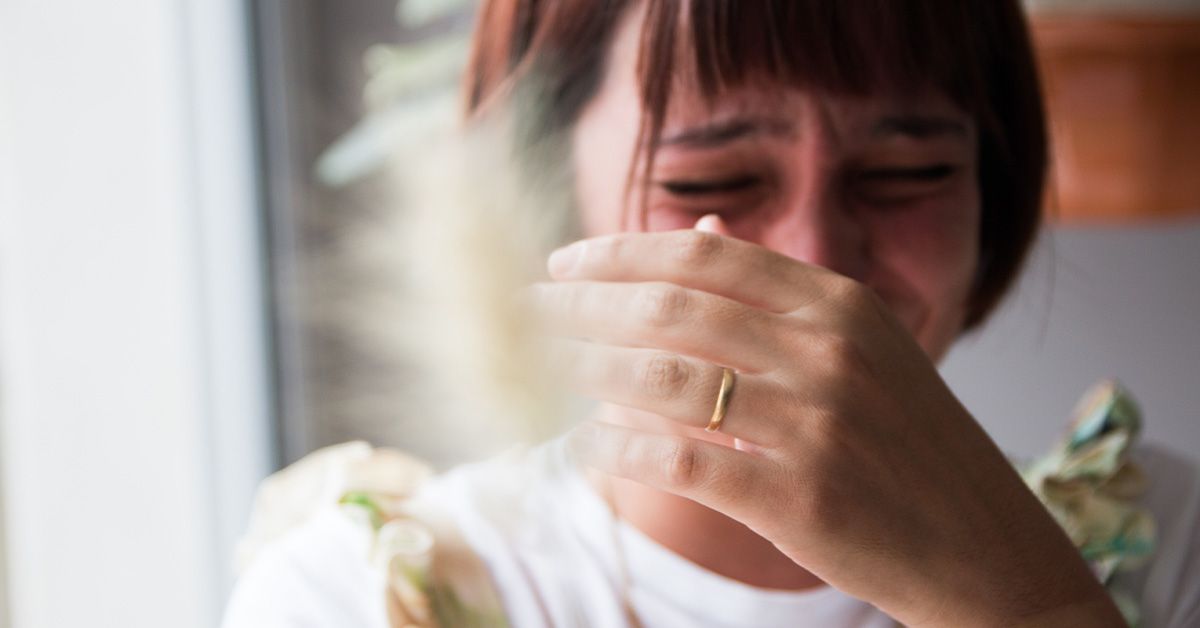
You are watching a harmless dog-food commercial when the golden retriever finally finds its forever homeand now you are crying as though you personally raised him through college. Then you check the calendar. Your period has arrived.
Crying during your period, or in the days leading up to it, can be completely normal. Hormonal changes across the menstrual cycle may influence brain systems involved in mood, stress, and emotional regulation. Add cramps, poor sleep, fatigue, headaches, bloating, work pressure, and the shocking discovery that someone ate the snack you were saving, and your emotional threshold may be lower than usual.
Still, not every monthly crying spell should be dismissed as “just hormones.” Timing, intensity, duration, and disruption matter. Mild tearfulness that follows a predictable cycle is different from severe despair, panic, relationship conflict, or sadness that persists throughout the month. Understanding that difference can help you respond with self-compassionand recognize when professional support would be useful.
Is Crying During Your Period Normal?
Yes, occasional crying around your period is common. Premenstrual syndrome, or PMS, can include mood swings, irritability, anxiety, sadness, difficulty concentrating, social withdrawal, and crying spells. These emotional symptoms usually begin during the luteal phasethe stretch after ovulation and before menstruationand improve within the first few days after bleeding begins.
Some people notice the strongest emotions before their period, while others remain tearful during the first day or two of bleeding. That overlap makes sense because hormonal shifts do not obey a tiny office calendar and clock out at midnight on day one. Physical symptoms can also continue after menstruation starts, keeping stress levels high and patience levels somewhere under the couch.
Crying itself is not evidence that something is medically wrong. It is an ordinary human response to emotion, stress, pain, frustration, relief, and exhaustion. The more useful question is whether the crying is temporary and manageable or severe enough to interfere with daily life.
Why Your Period Can Make You Feel More Emotional
Hormone fluctuations can affect mood-sensitive brain systems
Estrogen and progesterone rise and fall throughout the menstrual cycle. After ovulation, progesterone increases and is later converted into neuroactive substances, including allopregnanolone. This substance interacts with GABA-A receptors, which help regulate calmness, stress responses, and emotional stability.
Research suggests that people with severe premenstrual mood symptoms do not necessarily have abnormal hormone levels. Instead, their brains may be unusually sensitive to normal hormonal changes. Scientists are studying how allopregnanolone, GABA signaling, serotonin, genetics, and stress-response circuits contribute to PMS and premenstrual dysphoric disorder, or PMDD. The biology is complex; “estrogen made me cry” is catchy, but it is not the entire scientific story.
Serotonin may play a role
Serotonin helps regulate mood, sleep, appetite, and emotional processing. Changes in ovarian hormones can interact with serotonin pathways, which may partly explain why selective serotonin reuptake inhibitors, commonly called SSRIs, can improve severe premenstrual mood symptoms.
The usefulness of SSRIs does not mean that every crying spell is caused by a serotonin deficiency. Menstrual mood changes appear to arise from an interconnected brain-and-hormone system rather than one faulty chemical switch.
Pain uses emotional bandwidth
Menstrual cramps, back pain, breast tenderness, headaches, nausea, diarrhea, and bloating can make anyone more vulnerable to tears. Pain demands attention and drains energy. When your uterus feels like it is trying to fold a fitted sheet from the inside, a mildly inconvenient email may suddenly feel like the final chapter of a tragedy.
Physical discomfort can also make ordinary responsibilities more difficult. A long commute, loud workplace, demanding household, or packed schedule may feel manageable during the rest of the month but exhausting when pain and fatigue arrive together.
Sleep loss magnifies emotions
PMS and period symptoms may disrupt sleep, and insufficient sleep can increase irritability, anxiety, and low mood. A tired brain has less capacity to regulate reactions. This does not make your feelings imaginary; it means your nervous system is trying to process emotional input with a nearly empty battery.
Stress still counts when hormones are involved
Deadlines, caregiving, relationship strain, financial worries, grief, and major life changes do not pause because menstruation begins. Premenstrual sensitivity may amplify emotions that were already present.
Sometimes period-related crying is not random at all. It may be a genuine reaction to a genuine problem arriving during a biologically vulnerable week. Blaming every feeling on hormones can prevent you from noticing boundaries that need to be set, conflicts that need attention, or responsibilities that have become unsustainable.
PMS, PMDD, or Something Else?
Typical PMS
PMS includes recurring physical or emotional symptoms before menstruation. Symptoms can be uncomfortable, but they are generally manageable and improve shortly after the period starts. Tearfulness may occur alongside cravings, fatigue, irritability, bloating, headaches, sleep changes, or breast tenderness.
PMS symptoms vary from person to person and may also change over time. A stressful month, disrupted sleep schedule, illness, or major life event can make one cycle feel more difficult than another.
Premenstrual dysphoric disorder
PMDD is a more severe premenstrual disorder. It can cause marked depression, anxiety, irritability, mood swings, frequent crying, hopelessness, difficulty concentrating, and interpersonal conflict. Symptoms typically emerge during the week or two before menstruation and improve within several days after bleeding begins.
Unlike mild PMS, PMDD seriously affects work, school, relationships, or everyday functioning. It may cause someone to miss responsibilities, withdraw from others, experience intense anger, or feel dramatically unlike themselves during part of each menstrual cycle.
A diagnosis is not based on having one emotionally rough period. Clinicians generally look for a repeating pattern and may ask you to record symptoms daily for at least two menstrual cycles. Prospective tracking helps distinguish PMDD from a mood disorder that remains present throughout the month.
Premenstrual exacerbation
Premenstrual exacerbation, sometimes shortened to PME, happens when an existing condition becomes worse before menstruation. Depression, anxiety, migraine, attention-deficit/hyperactivity disorder, trauma-related symptoms, and other health problems may all follow this pattern.
With PME, symptoms may be present throughout the cycle but intensify premenstrually. With PMDD, there is generally a clearer symptom-free or substantially improved interval after menstruation. The distinction matters because treatment may need to address both the underlying condition and its menstrual worsening.
Depression or anxiety unrelated to your cycle
Consider a broader mental health evaluation if sadness, crying, hopelessness, loss of interest, anxiety, sleep changes, or impaired concentration continue for most of the month. Major depression is not defined by tears alone. Clinicians examine the complete pattern, its duration, its severity, and how much it affects daily functioning.
Perimenopause and other medical factors
During perimenopause, the years leading up to menopause, cycles can become irregular and mood symptoms may appear less predictably. People who previously experienced menstrual mood changes may notice that their familiar pattern becomes stronger or more difficult to anticipate.
Thyroid disorders, anemia, chronic pain, medication effects, pregnancy-related changes, substance use, and other medical conditions can also affect mood or energy. A healthcare professional can help investigate symptoms that are new, unusually intense, or no longer follow your usual cycle.
How to Tell Whether Your Crying Is Period-Related
Use a daily symptom tracker for at least two menstrual cycles. Record:
- The first and last day of menstrual bleeding.
- Crying episodes and what appeared to trigger them.
- Sadness, irritability, anxiety, or anger.
- Sleep quality and energy levels.
- Cramps, headaches, bloating, and other physical symptoms.
- Appetite changes or food cravings.
- Stressful events and relationship conflicts.
- How symptoms affected work, school, or daily responsibilities.
A simple zero-to-three severity scale works well: none, mild, moderate, or severe. You do not need an elaborate spreadsheet capable of launching a satellite. A calendar, notebook, or symptom-tracking app can provide enough information.
Look for a repeated pattern. Symptoms linked to PMS or PMDD generally intensify after ovulation, peak before menstruation, and ease soon after bleeding starts. Tracking also prevents the brain’s unreliable “I have felt this way forever” effect. Memory is excellent at preserving embarrassing middle-school moments and surprisingly poor at reconstructing last month’s mood timeline.
Bring your record to a primary care clinician, OB-GYN, psychiatrist, psychologist, or another qualified professional. The chart can make the appointment more specific and help guide diagnosis and treatment.
What Can Help With Period-Related Crying?
Protect your sleep
A consistent sleep schedule may make emotions easier to manage. Try to keep similar sleeping and waking times, limit late-night screen use, and create a cool, quiet sleeping environment.
If cramps interfere with sleep, treating the discomfort may be more useful than attempting to meditate your way through a uterus-led rebellion. Persistent insomnia or severe nighttime pain deserves medical attention.
Eat regularly and stay hydrated
Skipping meals can leave you hungry, tired, shaky, and more reactive. Regular meals containing protein, fiber-rich carbohydrates, and healthy fats may help stabilize energy throughout the day.
Extreme dietary rules are rarely necessary. You do not need to live on kale, renounce chocolate, or apologize to a croissant. Notice whether large amounts of alcohol, caffeine, or highly salty foods make your particular symptoms worse, and adjust accordingly.
Use movement as support, not punishment
Regular aerobic exercise may lessen PMS symptoms for some people. Walking, cycling, swimming, dancing, yoga, and other enjoyable activities can support mood, sleep, and stress regulation. The best exercise is usually one you can perform consistently without making pain or fatigue worse.
Reduce avoidable overload
When possible, prepare for days when you tend to feel more vulnerable. You might cook meals ahead, keep preferred period supplies available, reduce nonessential commitments, schedule an earlier bedtime, or ask for help with household responsibilities.
You can also tell trusted people what you need. “I am having a rough symptom day and need some quiet” is clearer than silently hoping everyone develops telepathy.
Treat physical discomfort
If cramps or headaches are pushing you toward tears, appropriate pain relief may reduce both physical and emotional strain. Nonsteroidal anti-inflammatory drugs can be effective for menstrual pain, but they are not safe for everyone.
Follow label directions and consult a clinician or pharmacist if you have kidney disease, stomach ulcers, bleeding risks, medication interactions, or other medical concerns. Severe, worsening, or disabling menstrual pain should be evaluated rather than normalized.
Acknowledge the feeling instead of fighting it
Try naming what you feel: “I am overwhelmed,” “I feel lonely,” or “I am unusually sensitive today.” Naming an emotion can make it easier to select an appropriate response.
You might journal, call someone supportive, take a short walk, listen to music, postpone a heated conversation, or allow yourself to cry without turning the episode into evidence that you are failing at adulthood.
Crying can release tension for some people, although it does not reliably improve everyone’s mood. The goal is not to ban tears. It is to keep emotional episodes safe, understandable, and manageable.
Consider professional treatment for severe symptoms
When symptoms are persistent or disruptive, evidence-based treatment may include cognitive behavioral therapy, SSRIs, hormonal contraception, or a combination of approaches. SSRIs may sometimes be prescribed continuously or only during the luteal phase.
Certain combined oral contraceptives may help selected patients, but hormonal methods can affect people differently. One person may experience significant relief while another notices no improvement or feels worse.
ACOG recommends an individualized, often multimodal approach that may combine medication, hormonal treatment, psychological counseling, exercise, nutritional strategies, patient education, and self-management. Treatment should reflect the person’s symptoms, medical history, pregnancy plans, contraceptive needs, medication risks, and preferences.
Do not start, stop, or change psychiatric medication or hormonal contraception based solely on an internet articleeven a charming one.
When Should You Talk to a Healthcare Professional?
Schedule an appointment when crying or mood changes:
- Disrupt work, school, caregiving, sleep, or relationships.
- Occur before most periods and feel difficult to control.
- Last well beyond the first few days of menstruation.
- Appear throughout the month rather than only near your period.
- Come with panic attacks, intense anger, severe anxiety, or hopelessness.
- Begin suddenly or become much more severe than usual.
- Appear after starting, stopping, or changing a medication.
- Lead to alcohol use, drug use, self-harm, or other unsafe coping methods.
Seek urgent help if you are thinking about suicide, considering self-harm, or feel unable to stay safe. In the United States, call or text 988 to reach the Suicide & Crisis Lifeline, call 911 in an immediate emergency, or go to the nearest emergency department. The 988 Lifeline provides free, confidential support around the clock.
Severe premenstrual symptoms are treatable, and a crisis is not something you need to outlast alone.
Real-Life Experiences With Crying During Your Period
Experiences vary widely, but several recognizable patterns appear in personal accounts and clinical conversations. The following examples are composites rather than descriptions of specific individuals. They illustrate why context matters more than the presence of tears alone.
The “why am I crying at this?” experience
One common experience is sudden tenderness over something that would ordinarily produce only a small emotional reaction. A person may tear up at a sentimental song, an old family photo, a thoughtful text, or a video of a rescued animal. The crying is brief, feels slightly ridiculous afterward, and does not derail the rest of the day. Later, the person realizes that menstruation was about to begin.
This pattern can fit ordinary premenstrual sensitivity. The emotion is realthe song is still movingbut the threshold for expressing it may temporarily be lower. Recognizing the pattern can replace shame with humor: “Apparently today I would cry if a toaster received a graduation certificate.”
Someone experiencing this type of tearfulness may need little more than rest, food, reassurance, and permission to have feelings. There is no requirement to turn every crying episode into a medical mystery.
The overloaded-body experience
Another person may begin the day with cramps, poor sleep, heavy bleeding, and a headache. A coworker sends a blunt message, a child spills cereal across the kitchen, or the car refuses to start. Tears arrive not because one event is catastrophic, but because discomfort and stress have accumulated. The crying acts like an overflow valve.
In this situation, practical support may matter more than analyzing every emotion. Food, hydration, pain management, rest, assistance with responsibilities, and a calmer environment can lower the total load.
The lesson is not that hormones invented the stress. The spilled cereal still exists, the car is still uncooperative, and the coworker could perhaps discover punctuation that does not sound hostile. The difference is that the body has fewer resources available to cope with those problems.
The repeating premenstrual crash
A more concerning experience is a predictable monthly shift. For roughly a week before menstruation, someone feels deeply rejected, hopeless, anxious, or furious. They cry for hours, cancel plans, struggle to work, and consider ending relationships that feel stable during the rest of the month.
Several days after the period starts, the mental fog lifts. The person feels calmer and may be confused or embarrassed by how dramatically their outlook changed.
That pattern deserves clinical attention because it may suggest PMDD. Daily symptom tracking can reveal the cycle and help a professional distinguish it from depression, bipolar disorder, anxiety, trauma-related symptoms, or another condition.
People sometimes feel relieved to learn that a recognizable and treatable disorder may explain the monthly transformation. A diagnosis does not erase responsibility for hurtful behavior, but it provides a path toward prevention, communication, and treatment.
The sadness that does not leave
Some people initially blame their period, then notice that crying, numbness, guilt, fatigue, or loss of pleasure continues after bleeding ends. The menstrual cycle may influence the intensity of the symptoms, but it does not fully explain them.
This pattern can occur with depression, anxiety, grief, burnout, trauma, medical illness, or premenstrual worsening of an existing condition. The important step is to avoid using menstruation as an automatic dismissal.
“It is probably hormones” can be comforting during one rough afternoon, but harmful when it delays help for weeks or months of suffering. Persistent symptoms deserve the same care and seriousness at every point in the cycle.
The relationship-conflict experience
Some people notice that disagreements become more intense before menstruation. A forgotten chore, delayed reply, or careless comment suddenly feels like proof that a partner does not care. Crying may quickly alternate with anger, withdrawal, or reassurance-seeking.
It can help to delay major relationship decisions until the emotional peak passes, provided the relationship is otherwise safe. That does not mean ignoring genuine problems. It means separating an important issue from the moment when both the issue and the emotional reaction are at maximum volume.
A calm conversation later may sound like: “This concern is real, but I notice that it becomes overwhelming before my period. Can we discuss both the problem and how to handle those days better?”
The experience of planning instead of panicking
Many people improve once they recognize their pattern. They schedule fewer demanding tasks before menstruation, protect their sleep, keep simple meals available, warn trusted people about vulnerable days, and follow a treatment plan developed with a clinician.
Tracking can also help them avoid making life-changing decisions at the emotional peak. Instead, they write down the concern and revisit it after symptoms improve. If the concern still matters, they can address it with a clearer mind.
This approach is not surrendering your life to a calendar app and a heating pad. It is informed self-management. The aim is not to become emotionless; it is to understand when your emotional volume tends to rise and make sure you have enough support when it does.
Conclusion
Crying during your period is often normal, particularly when it is mild, short-lived, and follows a predictable premenstrual pattern. Hormonal fluctuations may affect mood-sensitive brain systems, while pain, sleep loss, fatigue, and everyday stress add their own emotional weight.
What matters most is severity and impact. If monthly tearfulness becomes overwhelming, harms relationships, disrupts work or school, persists throughout the cycle, or includes hopelessness or thoughts of self-harm, speak with a healthcare professional.
PMS, PMDD, depression, anxiety, and premenstrual exacerbation are not interchangeable, but all can be evaluated and treated. Tracking symptoms for several cycles is one of the most useful first steps. Your tears do not make you weak or dramatic; they may simply be information worth listening to.
Note: This article provides general education and is not a diagnosis or a substitute for individualized medical or mental health care.

