
Beauty Unlocked
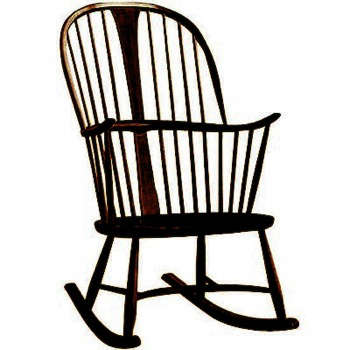
Chairmakers Rocking Chair
Jun
A Chairmakers Rocking Chair is not just a place to sit. It is a small wooden invitation to slow down, breathe, and pretend for five peaceful minutes that your inbox does not exist. In a world full of flat-pack furniture, instant shipping, and chairs that seem designed by someone who has never met a human spine, a handmade rocking chair feels refreshingly honest. It creaks a little, glows with real wood grain, and says, “Relax. I was built by hands, not by a committee.”
The phrase “chairmakers rocking chair” points to a tradition: skilled furniture makers shaping wood into a seat that is comfortable, durable, balanced, and beautiful. Whether inspired by Windsor chairs, Shaker ladder-back rockers, farmhouse porch rockers, or sculptural studio furniture, the chairmaker’s rocker is defined by craftsmanship. It is about joinery, proportions, wood choice, rockers, curves, and the quiet magic of a chair that moves without looking like it is trying too hard.
This guide explores the history, design, materials, buying tips, care advice, and real-life experience of owning or choosing a chairmakers rocking chair. Consider it your friendly, slightly sawdust-scented tour through one of America’s most beloved furniture forms.
What Is a Chairmakers Rocking Chair?
A chairmakers rocking chair is a rocking chair made with the priorities of a traditional chairmaker: comfort, structure, balance, proportion, and long service life. Unlike mass-produced rockers that may focus mainly on appearance, a chairmaker’s rocker is built from the seat outward. The maker thinks about how the body sits, how the back is supported, how the arms meet the hands, how the runners touch the floor, and how the whole piece rocks without wobbling like a nervous shopping cart.
In many cases, these chairs are made from solid hardwoods such as maple, oak, cherry, walnut, ash, or hickory. The parts may be turned, carved, steam-bent, shaped with hand tools, or refined with modern woodworking equipment. The exact style varies, but the underlying idea remains the same: a rocking chair should be useful first, attractive second, and trendy only if it has time left after doing the important work.
A Short History of the Rocking Chair
The rocking chair has deep roots in American home life. Early rocking chairs developed from existing chair forms, especially Windsor chairs and ladder-back chairs, with curved runners added to the feet. By the 18th and 19th centuries, rocking chairs had become common in American homes, porches, nurseries, workshops, and sitting rooms.
One reason the rocking chair became so popular is that it solved several problems at once. It offered gentle motion, helped people rest, provided practical seating for nursing parents, and made long periods of sitting feel less stiff. Before streaming services and ergonomic office chairs entered the chat, the rocking chair was already doing advanced comfort work in the corner of the room.
Windsor Influence
The Windsor chair is one of the most important ancestors of the chairmakers rocking chair. Traditional Windsor chairs often have a sculpted wooden seat, splayed legs, and a back formed by slender spindles. When rockers are added, the design becomes lighter, elegant, and surprisingly strong. A Windsor rocking chair can look delicate, but good joinery gives it real backbone.
Windsor-style rockers remain popular because they balance history and comfort. They work in farmhouse interiors, colonial-style homes, country cottages, and even modern rooms that need one warm, human object to prevent the space from looking like a showroom for very expensive silence.
Shaker Rocking Chairs
Shaker rocking chairs are famous for simplicity, utility, and graceful restraint. Shaker makers valued honest materials, clean forms, and practical design. Their rocking chairs often feature turned posts, ladder backs, woven tape seats, and balanced proportions. They do not shout for attention. They simply sit there being right.
The Shaker approach still influences modern chairmakers. A good Shaker-style rocker proves that furniture does not need dramatic curves or decorative fireworks to be beautiful. Sometimes the most powerful design choice is knowing when to stop.
Boston, Porch, and Farmhouse Rockers
The Boston rocker and farmhouse porch rocker helped make rocking chairs part of everyday American life. These chairs were often sturdy, accessible, and built for regular use. They belonged in kitchens, parlors, front porches, and family rooms. They were not precious museum objects; they were working furniture.
That practical spirit still matters. A chairmakers rocking chair should be good enough to admire and strong enough to use. If a chair is too fragile for daily life, it is less of a chair and more of a wooden guilt trip.
What Makes a Chairmaker’s Rocker Different?
The difference between a standard rocking chair and a true chairmaker’s rocking chair usually comes down to details. These details may not be obvious at first glance, but your body notices them within minutes.
1. Balanced Rocking Motion
A well-made rocker moves smoothly. It should not tip too far backward, stop abruptly, creep across the floor, or make you feel as if you are negotiating with gravity. The curve of the runners matters enormously. Too flat, and the chair barely rocks. Too curved, and it feels unstable. The best rockers have a rhythm that feels natural, calm, and controlled.
2. Thoughtful Seat Shape
Many handmade wooden rocking chairs have a scooped or saddled seat. This shaping helps distribute weight and improve comfort. A flat board can work for a quick sit, but after an hour, your body may begin drafting a complaint letter. A shaped seat shows that the chairmaker considered actual sitting, not just product photography.
3. Strong Joinery
Traditional chairmaking often uses joints such as mortise-and-tenon connections, wedged joints, turned spindles, and carefully fitted stretchers. These methods help the chair handle years of movement. A rocking chair faces repeated stress because it is always in motion. Good joinery is not decorative trivia; it is the reason the chair survives generations instead of becoming a dramatic pile of sticks.
4. Proper Back Support
The angle and shape of the back are essential. Windsor spindles, Shaker slats, curved backs, and sculpted supports all aim to hold the sitter comfortably. The best chairmakers understand that a rocking chair should support the lower back and shoulders without forcing the sitter into a stiff pose. Nobody wants to relax in a chair that feels like it is judging their posture.
5. Honest Materials
Solid wood is central to the identity of many chairmakers rocking chairs. Maple, cherry, walnut, oak, ash, and hickory each bring different strengths and appearances. Walnut feels rich and sculptural. Cherry darkens beautifully with age. Maple is strong and clean. Oak offers visible grain and toughness. Hickory is famously resilient. The wood is not just a surface; it is the structure.
Popular Styles of Chairmakers Rocking Chairs
Windsor Rocking Chair
A Windsor rocking chair is a favorite among people who love early American furniture. It often includes a carved wooden seat, turned legs, and a spindle back. It can be painted, stained, or left with a natural finish. The Windsor rocker is graceful without being fussy, which is harder to achieve than it sounds. Many chairs try to be graceful and end up looking like they skipped breakfast.
Shaker Ladder-Back Rocking Chair
The Shaker ladder-back rocker is simple, light, and practical. It usually has horizontal back slats, woven seating, and elegant turned posts. This style is ideal for minimalist, farmhouse, traditional, or transitional interiors. It also has the rare ability to look humble and sophisticated at the same time.
Mission and Arts and Crafts Rocker
Mission-style rocking chairs tend to be heavier, with straight lines, broad arms, and visible joinery. Oak is common, especially quartersawn oak. These rockers look grounded and architectural. They are excellent for dens, libraries, cabins, and rooms where someone might say, “I prefer my coffee black and my furniture honest.”
Modern Studio Rocker
Modern studio rocking chairs can be sculptural, flowing, and highly ergonomic. Makers such as Sam Maloof helped elevate the handmade rocker into an artful furniture form while keeping it functional. These chairs often feature carved arms, seamless curves, and carefully shaped seats. They can be expensive, but they show how far the rocking chair can go when a maker treats it as both engineering and poetry.
Porch Rocking Chair
The porch rocker may be the most iconic version for everyday use. It usually has a taller back, generous arms, and a sturdy frame. Outdoor versions should be made from weather-resistant woods or protected with appropriate finishes. A porch rocker is not merely furniture; it is a lifestyle choice involving iced tea, neighborhood observation, and the ancient art of saying, “Looks like rain,” with confidence.
How to Choose the Best Chairmakers Rocking Chair
Check the Comfort Before the Finish
A beautiful chair that is uncomfortable is basically a sculpture with bad manners. Sit in the chair if possible. Notice the seat depth, back angle, arm height, and rocking motion. Your feet should touch the floor comfortably, and the chair should not make you feel trapped or tipped back too far.
Look at the Rockers
The runners should be smooth, symmetrical, and securely attached. The chair should rock evenly without twisting. If the rocker feels jerky or unstable, the design may be off. Good runners are like good background music: you notice them most when something is wrong.
Inspect the Joinery
Look for tight joints, clean transitions, and signs of careful fitting. Avoid chairs with loose arms, wobbly legs, cracked joints, or excessive glue squeeze-out. Some handmade pieces show tool marks, and that can be charming. But structural looseness is not charm; it is a future repair bill wearing a wooden hat.
Choose the Right Wood
For indoor use, cherry, walnut, maple, oak, and ash are all strong choices. For outdoor use, consider woods or finishes suited to humidity, sunlight, and temperature changes. If the chair will live on a covered porch, it still needs protection. Rain has excellent aim and no respect for craftsmanship.
Match the Chair to the Room
A delicate Windsor rocker may look perfect in a reading nook, while a heavier Mission rocker may suit a library or cabin. A Shaker rocker can blend into minimalist and traditional rooms. A sculptural studio rocker can become the focal point of a living space. Choose a chair that fits both your body and your home’s personality.
Chairmakers Rocking Chair vs. Mass-Produced Rocking Chair
Mass-produced rocking chairs can be affordable and convenient. Some are perfectly serviceable. However, a chairmaker’s rocking chair usually offers better proportions, stronger joinery, finer materials, and a more personal sense of design. It may cost more upfront, but it can last far longer.
Think of it like shoes. Cheap shoes may get you through the day, but well-made shoes change how the day feels. A handmade rocking chair does something similar for a room. It gives the home a point of rest, a visible sign that comfort and craft still matter.
Care and Maintenance Tips
To keep a chairmakers rocking chair in good condition, start with gentle cleaning. Dust it regularly with a soft cloth. Avoid harsh chemical cleaners unless the finish specifically allows them. Keep indoor wooden rockers away from extreme humidity, direct heat, and long exposure to strong sunlight. Wood moves with seasonal changes, and pretending it does not is how cracks begin plotting.
For woven seats, check the material occasionally for sagging, fraying, or dryness. For outdoor rockers, reapply protective finishes as needed and store the chair under cover during severe weather. If joints loosen, consult a skilled furniture repair professional rather than attacking the chair with random glue and optimism.
Where a Chairmakers Rocking Chair Works Best
A rocking chair belongs almost anywhere people pause. In a nursery, it supports late nights and quiet routines. In a living room, it becomes a favorite reading seat. On a porch, it creates instant hospitality. In a bedroom, it offers a calm place to put on shoes, think, or avoid folding laundry for a few more minutes.
The best location is one where the chair can be used, not merely admired. A good rocker wants to work. It wants someone to sit down, lean back, and let the curved runners do their old, reliable magic.
Why the Chairmakers Rocking Chair Still Matters
The chairmakers rocking chair remains relevant because it answers a very modern need: the need for slower, more meaningful objects. We live with so many disposable things that a well-made wooden chair feels almost rebellious. It says quality matters. Materials matter. Human skill matters. Comfort matters.
It also connects the home to a long tradition of American furniture making. From Shaker communities to Windsor chairmakers, from farmhouse shops to modern studio furniture artists, the rocking chair has adapted without losing its soul. It is old-fashioned in the best possible way: proven, practical, and still better at relaxing people than most apps.
Personal Experiences and Practical Observations About Chairmakers Rocking Chairs
Spending time with a chairmakers rocking chair teaches you things that product descriptions rarely mention. The first lesson is that comfort is not always soft. Many people assume that a comfortable chair must be stuffed with foam, wrapped in fabric, and large enough to qualify as a guest room. Then they sit in a well-shaped wooden rocker and realize that support, angle, and balance can be just as important as padding.
A good wooden rocking chair has a different kind of comfort. It does not swallow you. It holds you. The seat may be firm, but if it is shaped properly, it supports the body in a way that feels natural. The back does not need to be overstuffed if the angle is right. The arms do not need to be huge if they land where your elbows want them. It is the furniture equivalent of a good handshake: confident, warm, and not trying to crush you.
Another experience is how quickly a rocking chair becomes claimed by one person in the household. Technically, it belongs to everyone. In reality, someone will slowly develop emotional ownership. They will leave a book beside it, then a blanket, then perhaps a mug on the nearby table. Soon the chair is “their chair,” and everyone else understands the law without needing it written down.
Chairmakers rocking chairs also have a way of changing the rhythm of a room. A sofa encourages lounging. A dining chair encourages sitting upright. A desk chair encourages productivity, or at least the appearance of productivity. A rocking chair encourages transition. It is where people sit between tasks, before sleep, after dinner, during conversation, or while thinking through a problem that refuses to be solved by staring harder at a screen.
There is also something deeply satisfying about seeing the evidence of the maker. Slight variations in grain, carefully shaped arms, smooth spindles, crisp joinery, and subtle tool marks make the chair feel alive. Not alive in a spooky way, thankfully. More like alive with intention. You can sense that someone made decisions at every stage. Should the arm curve more here? Should the seat be deeper there? Should the rocker be softened at the end? These choices create personality.
In daily use, the best chairmakers rocking chairs tend to improve with familiarity. At first, you notice the design. Later, you notice the feeling. Eventually, you stop noticing the chair as an object and start treating it as part of your routine. Morning coffee tastes calmer in it. Reading feels more focused. A porch view seems more interesting. Even a short break feels more complete because the rocking motion gives your body something gentle to do while your mind settles down.
One practical observation: size matters. A rocker that is perfect for one person may feel awkward for another. Tall users may need more seat depth and a higher back. Shorter users may prefer a lower seat so their feet touch the floor comfortably. A chair can be beautifully made and still not be the right chair for your body. That is not a failure of craftsmanship; it is proof that humans are inconveniently varied.
Another practical lesson involves placement. Rocking chairs need space behind them. Put one too close to a wall and it will gently knock like a polite but persistent visitor. On wood floors, consider a rug or protective pads if the rockers leave marks. On porches, keep the chair sheltered when possible. A handmade rocker may be sturdy, but it is not a submarine.
Perhaps the most enjoyable experience is the quiet pride of owning furniture that does not feel temporary. A chairmakers rocking chair can become part of family memory. It may be associated with bedtime stories, phone calls, rainy afternoons, holiday gatherings, or the simple pleasure of sitting outside while the day cools down. That emotional durability is hard to measure, but it is often what makes the chair worth keeping.
In the end, a chairmakers rocking chair is not just about sitting. It is about choosing an object that rewards attention. It asks you to slow down enough to feel the curve of the wood, the balance of the runners, and the patience built into the frame. That may sound poetic for a chair, but then again, a good rocker has always done more than hold weight. It holds moments.
Conclusion
A Chairmakers Rocking Chair combines history, comfort, craft, and character in one enduring piece of furniture. Its appeal comes from more than nostalgia. The best rocking chairs are smartly engineered, beautifully proportioned, and made to serve real people in real homes. Whether you prefer a Windsor rocker, Shaker ladder-back chair, Mission-style rocker, porch rocking chair, or modern studio design, the key is to look for balance, strong joinery, quality wood, and genuine comfort.
In a fast, disposable world, a handmade rocking chair reminds us that some things are better when they take time. It is useful, beautiful, and quietly persuasive. Sit down for a minute, it says. The world can wait. And honestly, the chair has a point.
Note: This article is written in original American English for web publication and is based on real furniture history, museum collection information, traditional chairmaking knowledge, and contemporary design references. No source links or unnecessary content-reference tags are included in the article body.

