
Body Care
6 Best Laptops for Kids and Students of 2023, Tested by Experts
Jun
Note: This article is a fully rewritten, web-ready synthesis based on expert-tested 2023 laptop guidance, official product specifications, and practical school-use considerations. No source links are included in the body, as requested.
Buying a laptop for a kid or student sounds simple until you actually try it. Suddenly, you are comparing processors, battery claims, webcam quality, storage, operating systems, keyboard comfort, durability, ports, parental controls, and whether the device can survive a backpack that appears to contain both school supplies and a small geological sample. The best laptops for kids and students in 2023 were not just the fastest machines on the shelf. They were the laptops that made sense for real school life: homework, online classes, essays, Google Docs, Zoom calls, coding practice, streaming, and the occasional “I swear this game is educational” moment.
For younger children, durability and simplicity matter more than raw power. For middle school students, a lightweight Chromebook or detachable 2-in-1 can be the sweet spot. High school students often need more flexibility, stronger multitasking, and better keyboards. College students may need a full Windows or macOS laptop that can handle research, spreadsheets, presentations, creative software, and late-night study sessions powered by questionable snacks.
This guide reviews six standout laptops for kids and students of 2023, with a focus on age fit, performance, battery life, ease of use, portability, durability, and value. Think of it as a school laptop cheat sheet, except this one will not get confiscated by the teacher.
Quick Picks: Best Laptops for Kids and Students in 2023
- Best for elementary school students: Tanoshi Scholar
- Best for middle school students: Lenovo IdeaPad Duet 5 Chromebook
- Best for high school students: Microsoft Surface Laptop Go 2
- Best for college students: Lenovo ThinkPad Z16 Gen 1
- Best Apple laptop for students: Apple MacBook Air with M1 chip
- Best Chromebook for Google users: ASUS Chromebook Flip CX5
How to Choose the Best Laptop for Kids and Students
The right student laptop depends less on the fanciest spec sheet and more on the student using it. A first grader does not need a premium business laptop with enterprise security features. A college engineering student probably should not be limited to a tiny tablet-style device with minimal storage. Matching the laptop to the learner is the whole game.
Operating System Matters
ChromeOS is usually ideal for students who live in Google Classroom, Google Docs, Gmail, Drive, and web-based learning platforms. Chromebooks are often affordable, easy to manage, and simple enough for kids who do not need complicated software. Windows is better for students who rely on Microsoft Office, specialized school software, or broader app compatibility. macOS is a strong choice for older students, creative work, Apple ecosystem users, and anyone who wants excellent battery life with a polished interface.
Durability Beats Fancy Features for Younger Kids
A laptop for a six-year-old should be judged partly like a lunchbox: Can it survive daily handling? Younger kids benefit from rubberized edges, sturdy hinges, spill-resistant keyboards, screen protection, and simple parental controls. A beautiful aluminum laptop may look impressive, but it will not feel so beautiful when it meets a kitchen floor at snack time.
Battery Life Should Last a School Day
For students carrying a laptop to school, battery life is crucial. Manufacturer claims are helpful, but real-world use can vary depending on brightness, video calls, open tabs, and apps. A laptop that gets eight to ten hours of practical use is usually enough for a school day. More is better, especially for college students who treat power outlets like rare wildlife sightings.
Keyboard, Webcam, and Ports Still Matter
Students type essays, attend video calls, upload assignments, plug in headphones, connect chargers, and sometimes use external drives or accessories. A comfortable keyboard, at least a 720p webcam, USB-C support, a headphone jack, and reliable Wi-Fi can make daily use far smoother. These details are not glamorous, but neither is losing connection during a graded presentation.
1. Tanoshi Scholar: Best Laptop for Elementary School Students
The Tanoshi Scholar is designed with younger kids in mind, especially children ages 6 to 12 who are getting their first real computer. It is a 2-in-1 Android-based laptop and tablet with a 10.1-inch touchscreen, detachable keyboard, built-in educational apps, and parent-friendly controls. It is not trying to be a powerhouse. It is trying to be a safe, sturdy, school-ready starter device, and that is exactly why it stands out.
For elementary students, the biggest selling point is durability. The Tanoshi Scholar includes kid-focused protection features such as rubberized sides, a tempered glass screen protector, and a splash-resistant keyboard. That matters because young children do not always “handle with care.” Sometimes they “handle with peanut butter.”
The device runs Android 10 and typically includes 32GB of storage, which is modest but acceptable for basic schoolwork, web access, educational games, video calls, and Google apps. It also includes a webcam privacy cover, a thoughtful feature for families who care about online safety. The battery life is around six hours, which is shorter than many Chromebooks and premium laptops, but acceptable for short homework sessions and supervised use at home.
Why It Works for Kids
The Tanoshi Scholar is easy to understand, physically kid-friendly, and affordable compared with premium student laptops. It is especially useful for learning basic typing, using Google Docs, practicing math, trying beginner coding apps, and joining video classes. Parents who want a first device that does not feel like handing over a $1,000 laptop to a juice-box tornado will appreciate the design.
Potential Drawbacks
The trade-off is performance. This is not the right machine for older students, heavy multitasking, advanced apps, or long unplugged days. The smaller screen and limited storage make it best for early learners rather than long-term academic use through middle school.
Best for: Young kids, first laptops, basic schoolwork, educational apps, and families prioritizing durability.
2. Lenovo IdeaPad Duet 5 Chromebook: Best Laptop for Middle School Students
The Lenovo IdeaPad Duet 5 Chromebook is one of the most flexible student laptops of 2023 because it works as both a Chromebook and a tablet. It has a detachable keyboard, a 13.3-inch OLED touchscreen, ChromeOS, and excellent portability. For middle school students who mostly use Google Classroom, Docs, Slides, Drive, web research, and streaming, it is a smart and stylish choice.
The OLED display is one of its biggest strengths. It makes text, videos, and images look crisp and vibrant, which is great for reading assignments, watching educational videos, and relaxing after homework. The detachable design means students can type when they need to write an essay and remove the keyboard when they want a tablet-style experience.
Battery life is another highlight. The Duet 5 Chromebook is commonly rated for up to 15 hours, making it a strong option for students who need a laptop that can last through classes, homework, and an evening study session. It is also lightweight before adding accessories, which makes it easier to carry than many traditional laptops.
Why It Works for Students
Middle school students often need a device that is simple, portable, and good for online learning. The Duet 5 fits that role beautifully. ChromeOS starts quickly, updates automatically, and works well with Google accounts. Students can access Google Docs, Gmail, Drive, Meet, Classroom, and Android apps with minimal friction.
Potential Drawbacks
The detachable keyboard is convenient, but it may not feel as solid as a traditional laptop keyboard on a lap or crowded desk. ChromeOS is also not ideal for students who need full desktop software such as advanced video editing tools, certain Windows programs, or specialized academic applications.
Best for: Middle school students, Google Classroom users, web-based learning, portability, and families wanting a laptop-tablet hybrid.
3. Microsoft Surface Laptop Go 2: Best Laptop for High School Students
The Microsoft Surface Laptop Go 2 is a compact Windows laptop that makes a lot of sense for high school students. It has a 12.4-inch touchscreen, an 11th Gen Intel Core i5 processor, Windows 11, a lightweight design, and the familiar Microsoft ecosystem. It is small enough for a backpack but capable enough for essays, presentations, research, spreadsheets, video calls, and everyday multitasking.
One of its best features is portability. At under 2.5 pounds, it is easy to carry between classes without turning a student’s backpack into a gym workout. The touchscreen adds convenience for scrolling, tapping, and quick navigation, while the keyboard is comfortable enough for daily writing assignments.
The Surface Laptop Go 2 is also a good fit for students who rely on Microsoft Word, PowerPoint, Excel, OneDrive, Teams, and other Windows-based tools. Its Intel Core i5 processor gives it enough speed for common school tasks, and storage options such as 128GB or 256GB SSD configurations make it more practical than many ultra-budget laptops.
Why It Works for Students
High school students usually need more than a basic Chromebook but may not need a large, expensive machine. The Surface Laptop Go 2 lands in a useful middle zone: more app compatibility than ChromeOS, more affordable than many premium ultrabooks, and far more portable than bulky budget laptops.
Potential Drawbacks
The webcam is 720p, which is fine but not exceptional. Battery life can also vary heavily depending on use. Microsoft lists long battery expectations, but real-world use with high brightness, video calls, and multitasking may reduce it. Students who need all-day unplugged power should keep that in mind.
Best for: High school students, Windows users, Microsoft Office work, lightweight commuting, and everyday productivity.
4. Lenovo ThinkPad Z16 Gen 1: Best Laptop for College Students
The Lenovo ThinkPad Z16 Gen 1 is the most serious student laptop on this list. It is best suited for college students who need more power, a larger display, stronger multitasking, and premium productivity features. With AMD Ryzen Pro processor options, a 16-inch display, Windows 11 support, strong security features, and business-class design, it is built for students whose workloads go beyond simple browsing.
The Z16 Gen 1 is especially attractive for college students in demanding majors or students who need a laptop for research, large spreadsheets, presentations, coding, multitasking, and media work. The 16-inch display gives more room for split-screen studying, long documents, design work, and data-heavy tasks. The 1080p webcam and privacy-focused features also make it useful for remote classes, internships, interviews, and group meetings.
ThinkPad keyboards have a long-standing reputation for comfort, and that matters more than many buyers realize. A student writing research papers, lab reports, business plans, or thesis drafts will quickly appreciate a keyboard that does not feel like typing on a cafeteria tray.
Why It Works for Students
The ThinkPad Z16 Gen 1 is a powerful, premium option for older students who want a laptop that can double as a school device and early-career work machine. It offers strong build quality, advanced login options, generous storage configurations, and a professional feel.
Potential Drawbacks
This is not the cheapest or lightest option. It is overkill for younger students and basic schoolwork. Battery life can also vary significantly depending on configuration and workload, especially on models with higher-end displays or heavy processing demands.
Best for: College students, business majors, research-heavy coursework, multitasking, Windows power users, and students who want a laptop that can last beyond graduation.
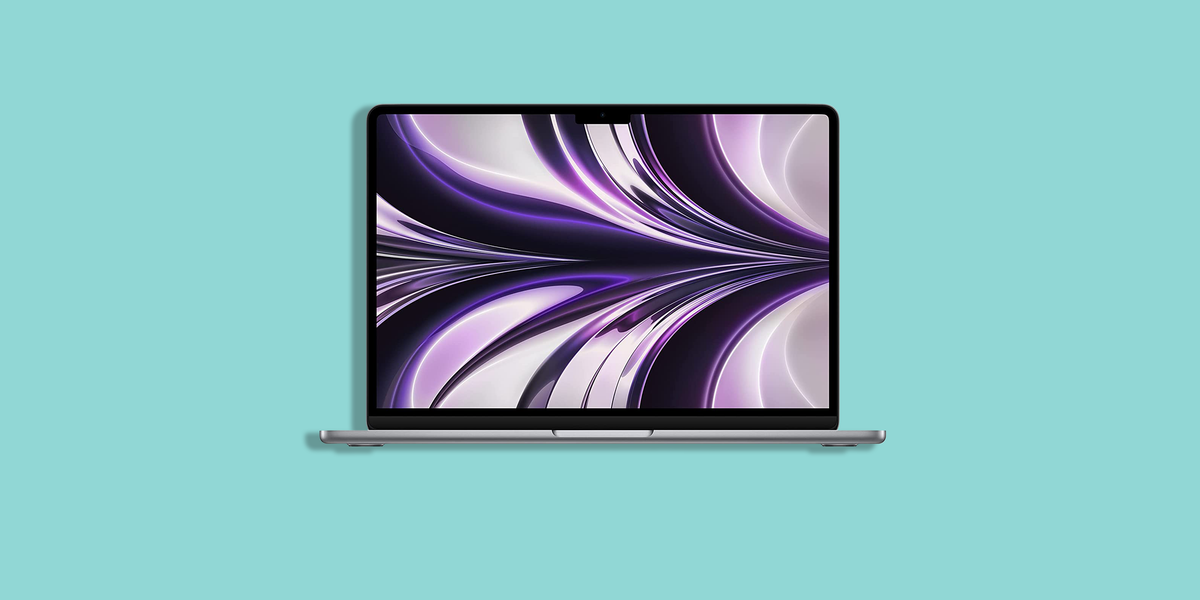
5. Apple MacBook Air with M1 Chip: Best Apple Laptop for Students
The Apple MacBook Air with M1 chip remained one of the best student laptops in 2023 because it delivered a rare combination of speed, silence, battery life, portability, and value. Even though it launched in 2020, the M1 MacBook Air continued to outperform many newer budget laptops and was widely recommended for high school and college students who wanted a reliable macOS machine.
The M1 chip includes an 8-core CPU and options for a 7-core or 8-core GPU, making the MacBook Air fast enough for essays, research, presentations, video streaming, photo editing, light video editing, and everyday multitasking. It is also fanless, which means it runs quietly. No tiny jet engine noise during class. A small blessing, but a real one.
Battery life is one of its biggest advantages. Apple rates the M1 MacBook Air for up to 15 hours of wireless web use and up to 18 hours of video playback. In student terms, that means it can often survive a full day of classes and study time without hunting for an outlet.
The 13.3-inch Retina display is sharp and comfortable to read, while the slim aluminum body makes it easy to carry. Students already using an iPhone or iPad may also enjoy the Apple ecosystem features, including AirDrop, iCloud, Messages, FaceTime, and easy file sharing across devices.
Why It Works for Students
The M1 MacBook Air is ideal for older students who want a dependable laptop that feels fast for years. It is especially strong for writing, research, creative projects, and general productivity. The keyboard is comfortable, the trackpad is excellent, and macOS is polished and stable.
Potential Drawbacks
It is not as rugged as some kid-focused laptops, so it is not the best choice for young children. Port selection is also limited, with two Thunderbolt/USB 4 ports and a headphone jack, so students may need adapters for external accessories.
Best for: High school graduates, college students, Apple users, creative learners, long battery life, and quiet performance.
6. ASUS Chromebook Flip CX5: Best Laptop for Google Account Users
The ASUS Chromebook Flip CX5 is a premium Chromebook for students who want ChromeOS simplicity with a sturdier, more laptop-like experience than many detachable models. It has a 14-inch touchscreen, convertible 2-in-1 design, backlit keyboard, multiple ports, Wi-Fi 6 support, and strong everyday performance for web-based schoolwork.
This laptop is especially good for students who spend most of their time in Google Docs, Sheets, Slides, Gmail, Drive, Meet, and Classroom. It starts quickly, updates easily, and avoids much of the maintenance that can come with traditional laptops. For families who want fewer tech headaches, that is a major benefit.
The convertible hinge lets the screen fold back into tablet or tent mode, which is useful for reading, watching videos, reviewing notes, or working with touch-based apps. Unlike detachable 2-in-1 devices, the keyboard stays attached, making it feel more stable for typing on a desk or lap.
Why It Works for Students
The ASUS Chromebook Flip CX5 feels more premium than many student Chromebooks. It has a comfortable keyboard, useful port selection, and a design that works well for typing, streaming, and homework. Students who want a Chromebook but dislike flimsy-feeling budget models will likely appreciate the upgrade.
Potential Drawbacks
It is more expensive than many Chromebooks, so it may not be the best choice for families shopping strictly on price. ChromeOS is also not the right platform for students who need full Windows or macOS software.
Best for: Google account users, Chromebook fans, students who want a premium 2-in-1, online schoolwork, and everyday productivity.
Which Laptop Should You Buy?
If you are buying for a young child, start with durability and parental controls. The Tanoshi Scholar is the safest first-laptop style pick because it is built for younger kids and basic learning. If your student is in middle school and uses Google Classroom, the Lenovo IdeaPad Duet 5 Chromebook gives excellent flexibility and battery life. For high school, the Microsoft Surface Laptop Go 2 is a practical Windows machine that balances portability and productivity.
For college, choose based on workload. The Lenovo ThinkPad Z16 Gen 1 is best for students who need more power and a larger workspace. The MacBook Air M1 is the better choice for students who value battery life, portability, quiet performance, and the Apple ecosystem. The ASUS Chromebook Flip CX5 is a smart premium Chromebook for Google-first students who want a sturdy convertible design.
Student Laptop Buying Tips for Parents
Do Not Buy Only for Today
A laptop that barely handles this year’s assignments may feel painfully slow next year. When possible, buy a device with enough performance and storage to last several school years. For Chromebooks, 4GB RAM can work for basic use, but 8GB is better for multitasking. For Windows and macOS laptops, 8GB RAM and at least 256GB SSD storage are safer minimums for older students.
Check the School’s Requirements
Some schools recommend or require specific operating systems, apps, testing software, or device management tools. Before buying, check whether the school prefers Chromebooks, Windows laptops, or Macs. A great laptop is less great if it cannot run the required exam software.
Think About Repairs and Replacement
Kids are not always gentle. Cases, sleeves, extended warranties, and accidental damage plans may be worth considering. A protective sleeve is cheaper than a screen replacement, and it will not judge you for saying “I told you so.”
Set Up Parental Controls Early
For ChromeOS, Google Family Link can help manage screen time and content settings. Windows families can use Microsoft Family Safety for screen time limits, app limits, and activity summaries. Apple users can set up Screen Time on macOS for downtime, app limits, and content restrictions. The best time to configure parental controls is before the laptop disappears into a bedroom and mysteriously becomes “for homework” at 11:43 p.m.
Real-World Experience: What It Is Like Living With a Student Laptop
After comparing student laptops, one thing becomes clear: specs matter, but habits matter more. A laptop that looks perfect on paper can become frustrating if it does not fit the student’s daily routine. For example, a detachable Chromebook can be wonderful for reading and video lessons, but a student who writes long essays every week may prefer a traditional keyboard. A powerful Windows laptop may be great for college software, but it can feel excessive for a fifth grader whose main academic challenge is remembering where the “Turn in” button is.
In real family use, the first test is usually not performance. It is setup. Parents want a device that connects to Wi-Fi quickly, accepts the student’s school account, loads classroom tools, and does not require three hours of troubleshooting. Chromebooks often shine here because they are simple: sign in with a Google account, sync the basics, and start working. For schools built around Google Workspace, this can feel refreshingly painless.
The second test is typing. Students type more than many parents expect. Even younger kids need to search, write short answers, label projects, and practice digital skills. Middle and high school students write paragraphs, essays, lab reports, and presentations. A poor keyboard can turn homework into a tiny finger workout nobody requested. That is why laptops like the Surface Laptop Go 2, MacBook Air M1, ThinkPad Z16, and ASUS Chromebook Flip CX5 feel better for older students than very small kid-focused machines.
The third test is battery life. A student laptop that dies at lunch creates drama. For younger kids using a device at home, six hours may be enough. For middle school, high school, and college students, longer battery life reduces stress. The MacBook Air M1 and Lenovo IdeaPad Duet 5 Chromebook are especially appealing because they are built for long unplugged sessions. In a classroom, library, or campus building where outlets are already claimed by three phones and someone’s emotional-support coffee warmer, battery life is freedom.
The fourth test is distraction control. Every laptop can become a homework machine or a portable circus. Parents should create separate child accounts, use age-appropriate restrictions, and set expectations around school time, entertainment time, and bedtime. The laptop itself will not teach balance. It will happily open educational websites and video platforms with equal enthusiasm. Clear rules help keep the device from becoming a very expensive cartoon delivery system.
The fifth test is durability. For kids, a laptop is not just used; it is transported, bumped, shoved, decorated, stickered, forgotten, rediscovered, and occasionally balanced on the edge of a couch for reasons no adult can understand. A kid-focused device such as the Tanoshi Scholar makes sense for early learners because it expects rough treatment. For older students with more expensive devices, a padded sleeve and basic care rules are non-negotiable.
Finally, families should remember that the best laptop for students is not always the one with the highest price. It is the one that removes friction from learning. If the student can open it, log in, hear the teacher, type comfortably, submit assignments, and carry it without complaint, that is a win. Bonus points if it survives the backpack.
Conclusion
The best laptops for kids and students of 2023 covered a wide range of needs. The Tanoshi Scholar stood out for young children who need a durable first computer. The Lenovo IdeaPad Duet 5 Chromebook offered excellent flexibility for middle school and Google-based learning. The Microsoft Surface Laptop Go 2 gave high school students a portable Windows option. The Lenovo ThinkPad Z16 Gen 1 delivered more power for college workloads. The Apple MacBook Air M1 remained one of the best all-around student laptops thanks to its speed, battery life, and quiet design. The ASUS Chromebook Flip CX5 rounded out the list as a premium Chromebook for students who live in Google apps.
Before buying, think about age, school requirements, durability, battery life, keyboard comfort, parental controls, and software compatibility. A great student laptop should make learning easier, not turn every assignment into a tech support episode. Choose the machine that fits the student’s real day, and everyone in the house may enjoy a little more peaceat least until the printer gets involved.

