
Beauty Unlocked
80 Cartoon Look-Alikes Captured In Real Life
Jun
Every so often, the internet does what it does best: it looks at a perfectly normal person, pet, tree, vegetable, handbag, cloud, or suspiciously expressive toaster and declares, “Congratulations, you are now a cartoon character.” That is the delightful chaos behind 80 Cartoon Look-Alikes Captured In Real Life, a topic that sits somewhere between pop culture, visual comedy, accidental cosplay, and the ancient human habit of seeing faces everywhere.
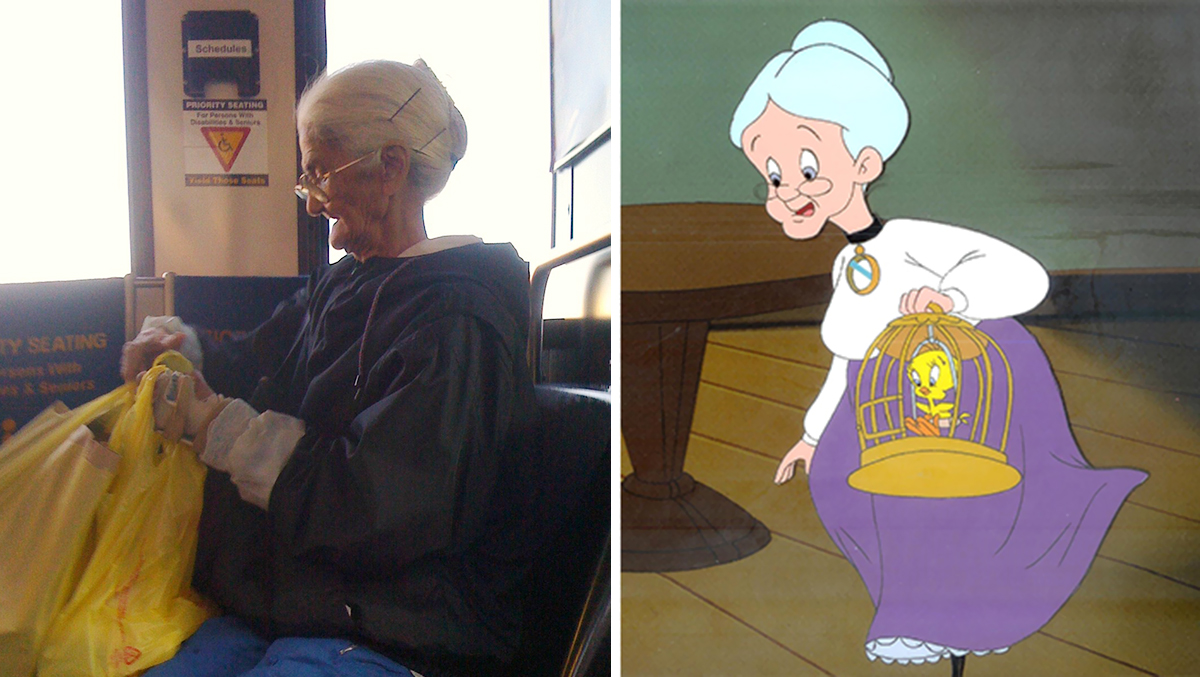
Cartoon look-alikes are funny because they feel impossible and obvious at the same time. A man with a heroic chin suddenly becomes a live-action version of a square-jawed superhero. A dog with droopy eyes channels a sleepy animated sidekick. A grandmother with perfect round glasses and a floral dress walks by, and half the internet whispers, “Wait, is that a Pixar character on her way to buy tomatoes?” The joke lands instantly because cartoons are built to be recognizable. Their silhouettes, colors, expressions, and exaggerated proportions are designed to stick in our brains like gum under a movie theater seat.
But there is more going on than “this person has the same hair as a cartoon.” Real-life cartoon look-alikes reveal how humans process faces, how animators simplify personalities into shapes, and how social media turns tiny moments into global entertainment. The best examples are not mean-spirited. They are affectionate, weirdly flattering, and wonderfully absurd. They remind us that reality, despite its taxes and slow Wi-Fi, occasionally has a sense of humor.
Why Cartoon Look-Alikes Are So Addictive
The magic starts with recognition. Humans are incredibly skilled at spotting faces, expressions, and patterns. We can identify a friend from across a crowded room, recognize a celebrity from a blurry thumbnail, and somehow see a grumpy face in the front of a car. This pattern-finding ability is part of why real-life cartoon look-alikes spread so easily online. The brain enjoys a quick puzzle, and a look-alike photo offers one in snack-size form: “Who does this remind me of?”
Then the answer hits. Maybe it is Carl Fredricksen from Up, Edna Mode from The Incredibles, Gru from Despicable Me, Ned Flanders from The Simpsons, or Linguini from Ratatouille. Once the resemblance clicks, it becomes hard to unsee. The eyebrows, posture, glasses, haircut, outfit, or facial expression suddenly line up like the universe briefly hired a casting director with a cartoon obsession.
That “can’t unsee it” effect is the engine of viral humor. A good look-alike image does not need a long caption. It has a clear subject, an immediate comparison, and a tiny burst of surprise. In a feed crowded with arguments, ads, and people photographing coffee as if it has diplomatic importance, a cartoon double is easy entertainment. It asks nothing except a laugh and maybe a comment like, “No way, that is literally him.”
The Science Behind Seeing Cartoons In Real Life
Pareidolia: The Brain’s Overenthusiastic Intern
One reason cartoon look-alikes feel so common is pareidolia, the tendency to perceive meaningful imagesespecially facesin random or ordinary things. This is why people see a face in a wall socket, a dog in a cloud, or an angry little monster in a burned piece of toast. The brain is not broken; it is doing what brains do. It searches for meaningful patterns and sometimes gets a little too excited.
Cartoon look-alikes are related to this phenomenon, though usually with real faces and bodies rather than random objects. We notice a few familiar features, then the brain completes the picture. A bald head plus a long nose plus a villainous smile becomes Mr. Burns. A tall, lanky frame with shaggy hair becomes Shaggy Rogers. A round face, tiny glasses, and a stern stare may summon every animated school principal ever created.
Why Exaggeration Makes Characters Easier To Match
Cartoons are not realistic portraits. They are visual shortcuts. Animators exaggerate features to communicate personality quickly: big eyes for innocence or surprise, sharp angles for danger, rounded shapes for friendliness, tiny legs for comic awkwardness, and giant heads because cartoons apparently skipped anatomy class and got promoted anyway.
This is why cartoon character look-alikes are easier to spot than look-alikes of ordinary people. A cartoon gives us a simplified formula. Homer Simpson is not just “a man.” He is a dome head, round eyes, two hairs, stubble, and permanent snack-based confusion. Marge Simpson is a blue vertical monument to hairspray. Velma from Scooby-Doo is orange sweater, bob haircut, glasses, and brainy energy. When real life accidentally recreates that formula, the resemblance feels immediate.
What Makes A Great Real-Life Cartoon Look-Alike?
Not every resemblance deserves internet fame. A true cartoon look-alike usually has several ingredients working together. One matching feature is funny; five matching features are comedy gold.
1. A Recognizable Silhouette
Silhouette is the secret weapon of character design. If you can recognize a character from their outline alone, the design is doing its job. Think of Mickey Mouse’s ears, SpongeBob’s square body, or Phineas Flynn’s triangle head. Real people with strong silhouettestowering hair, dramatic glasses, unusual posture, or distinctive clothingoften become instant cartoon doubles.
2. Signature Hair
Hair is one of the easiest ways to enter cartoon territory. A giant swoop can suggest Johnny Bravo. Wild orange curls may call up Merida. A glossy black bob and severe bangs can scream Edna Mode before the person even speaks. Hair is basically the billboard of the head, and cartoons use it shamelessly.
3. Clothing That Accidentally Cosplays
Sometimes the face is only half the joke. A yellow shirt and blue shorts can turn an ordinary kid into Bart Simpson. A red-and-white striped shirt may create an instant Where’s Waldo moment. A purple dress, pearls, and tall hair can drift dangerously close to Marge. The funniest examples often happen when someone clearly did not plan the resemblance. Accidental cosplay is always funnier than official cosplay because life looks guilty and refuses to explain itself.
4. The Perfect Expression
A cartoon look-alike can be created in one facial expression. A raised eyebrow, confused stare, smug grin, or dramatic frown may complete the illusion. Many cartoon characters are remembered not just by their design but by their emotional default setting. Squidward looks unimpressed. Mr. Burns looks scheming. Daria looks allergic to nonsense. A real person wearing the same expression for half a second can become a living screenshot.
5. Context That Makes The Joke Better
A chef who looks like Linguini is funny. A chef who looks like Linguini while holding a pot is much funnier. A dog that looks like Dug from Up is cute. A dog that looks like Dug while staring lovingly at a sandwich becomes cinema. Context turns resemblance into a story.
Famous Types Of Cartoon Look-Alikes Seen In Real Life
The Human Doppelgängers
These are the people who look like they stepped out of an animation studio and forgot to flatten themselves into two dimensions. They usually resemble human cartoon characters: Gru, Linguini, Velma, Edna Mode, Carl Fredricksen, Dora, Shaggy, Moe Szyslak, or Professor Farnsworth. The resemblance might come from facial structure, hairstyle, glasses, clothing, or a very specific vibe. “Vibe” is not scientific, but neither is looking exactly like a cartoon villain while ordering soup.
The Pet Look-Alikes
Animals are MVPs of the cartoon look-alike universe. Dogs with giant eyes, cats with judgmental faces, parrots with dramatic colors, and hamsters with tiny heroic expressions often resemble animated sidekicks. A fluffy white dog may look like Snowy from Tintin. A droopy bulldog may channel Spike from classic cartoons. A cat with one furious eyebrow can become every animated villain’s assistant.
The Object Look-Alikes
Objects can also join the party. A mop may look like Cousin Itt. A vegetable may resemble a grumpy animated nose. A building with round windows may appear to have a surprised face. Cars often look like Pixar characters because headlights and grilles naturally form eyes and mouths. This is pareidolia in its purest form: the brain looking at a sink and deciding it has emotional problems.
The Accidental Background Characters
Some people do not resemble one specific famous cartoon. Instead, they look like they belong in a cartoon universe. A man at a bus stop might look like a background character from King of the Hill. A woman in oversized sunglasses and a dramatic scarf might look like a wealthy aunt from a 1990s animated sitcom. A tired office worker eating a sad sandwich might look like he was drawn to explain Monday.
Why Animators Make Characters Look “Real” Without Looking Realistic
Animation has always lived in the sweet spot between reality and imagination. The goal is not always to copy life exactly. Often, the goal is to capture the feeling of life. That is why cartoon characters can look simple yet emotionally complete. A few lines can show worry. A bent posture can show defeat. A bouncing walk can show optimism. A tiny mouth and massive eyes can say, “I am adorable and probably about to cause a plot complication.”
Character designers often use shape language to create instant impressions. Round shapes can feel soft, friendly, or harmless. Squares can feel stable, stubborn, or strong. Triangles can feel sharp, energetic, or dangerous. These visual choices help audiences understand characters before the dialogue even begins. When real people happen to share those shapes, the connection feels natural. A square jaw can suggest a superhero. A narrow, angular face can suggest a schemer. A round face with bright eyes can suggest a cheerful animated friend who definitely has a theme song.
This is why real-life cartoon look-alikes are not just random jokes. They are evidence that animation borrows from human perception. Cartoonists study real gestures, real clothing, real faces, real walks, and real attitudes. Then they compress those observations into memorable designs. Sometimes reality returns the favor by producing someone who looks like the original sketch escaped.
The Internet’s Role In Turning Look-Alikes Into Viral Gold
Before social media, a cartoon look-alike might get a laugh from friends at a family barbecue. Today, the same photo can travel across Reddit, Instagram, TikTok, Facebook, Pinterest, and meme pages faster than a cartoon character running off a cliff and hovering midair. The format is perfect for sharing because it is visual, instant, and universal. You do not need a Ph.D. in animation history to laugh at a dog that looks like Scooby-Doo’s cousin with a mortgage.
Social platforms also encourage comparison. Side-by-side images are easy to understand, easy to repost, and easy to debate. Someone posts a stranger who looks like a cartoon chef, and comments immediately become a courtroom. “That is Linguini.” “No, that is Alfredo Linguini after taxes.” “Actually, he looks more like a background character from Ratatouille 2: Health Inspection.” The audience participates by refining the joke.
That participatory quality helps these images last. A look-alike photo is not just content; it is a game. People tag friends, suggest better matches, and upload their own examples. One resemblance creates a chain reaction. Suddenly everyone is scanning old vacation photos, family albums, pets, produce, and unflattering school pictures for evidence that cartoons have been living among us.
How To Enjoy Cartoon Look-Alikes Without Being A Jerk
The best cartoon look-alike humor is playful, not cruel. There is a big difference between saying someone resembles a beloved animated character and using a comparison to mock their body, age, race, disability, or features in a hurtful way. Internet comedy moves fast, but basic kindness should still wear a seatbelt.
If the person in the photo is a public figure, performer, cosplayer, or someone who willingly shared the image for humor, the joke usually feels lighter. If it is a private person caught in public, context matters. A funny resemblance should not become harassment. The safest and most enjoyable examples celebrate the coincidence rather than attacking the person. “This guy has incredible real-life cartoon energy” is fun. “Let’s make fun of this stranger forever” is not.
There is also a copyright angle for publishers and creators. Cartoon characters are creative works, and many famous ones are protected by copyright and trademark. Commentary, parody, news, and criticism may have fair-use arguments in the United States, but fair use depends on context, purpose, amount used, and market effect. For web publishers, that means captions and commentary should add original value rather than simply copying protected images. A smart article can discuss the resemblance, analyze why it works, and avoid presenting copyrighted art as decoration without purpose.
Examples Of Cartoon Look-Alike Categories Worth Featuring
Classic TV Cartoon Doubles
Classic television cartoons give us some of the easiest comparisons because their designs are bold and familiar. People may resemble characters from The Simpsons, Scooby-Doo, Futurama, King of the Hill, or Family Guy. These characters often have simple shapes and exaggerated features, which makes their real-life matches instantly readable.
Animated Movie Look-Alikes
Movie characters tend to have richer costumes, more detailed hair, and stronger emotional arcs. That gives real-life matches more layers. A child in a yellow raincoat may recall a brave animated adventurer. An elderly man with square glasses and a grumpy-but-sweet expression may bring Carl Fredricksen to mind. A fashionably severe woman in black may become Edna Mode before she has even banned capes.
Anime And Stylized Character Matches
Anime look-alikes often come through hair, clothing, posture, and intensity. The resemblance may be less about exact facial features and more about dramatic presence. A person with gravity-defying hair and a focused stare can look like they are seconds away from announcing a battle technique. A student with round glasses and a timid smile might resemble a slice-of-life protagonist who is about to learn the value of friendship and stationery.
Cartoon Villain Energy
Some people do not look like a specific villain; they simply have villain energy. A long coat, sharp eyebrows, dramatic cheekbones, or a suspiciously elegant cane can create the impression that they are about to explain their plan to capture the moon. The funniest part is that many of these people are probably very nice. They just happen to have been lit by the universe like the third act of an animated movie.
Why “80 Cartoon Look-Alikes” Works As A Web Topic
From an SEO perspective, this topic has strong evergreen appeal. People search for cartoon look-alikes, real-life cartoon characters, people who look like cartoons, funny doppelgängers, and cartoon characters in real life because the subject is visual, lighthearted, and instantly understandable. It fits entertainment blogs, humor websites, pop culture pages, social media roundups, and image galleries.
The number “80” also signals abundance. Readers expect a long scroll, lots of variety, and repeated little rewards. Every entry offers a new chance to laugh, compare, disagree, or send the post to a friend. The format is especially effective when each look-alike has a short caption explaining the resemblance. A good caption should not over-explain the joke. It should add a punchline, highlight the key visual match, and move on before the humor has to file taxes.
How To Write Great Captions For Cartoon Look-Alikes
A strong caption does three things quickly. First, it names the resemblance. Second, it points out the detail that makes the match work. Third, it adds a playful twist. For example, instead of writing, “This man looks like Gru,” a better caption might say, “Between the scarf, the stare, and the world-domination posture, this man is one freeze ray away from becoming Gru.”
For a dog that resembles a cartoon sidekick, the caption could say, “This pup has the exact expression of an animated best friend who knows where the snacks are buried.” For a car that looks like a Pixar character, try, “Those headlights are not headlights. They are eyes judging your parallel parking.” Good captions feel spontaneous, but they are built on observation.
Experiences Related To Cartoon Look-Alikes In Real Life
Once you start noticing cartoon look-alikes, everyday life becomes much more entertaining. A grocery store becomes a casting agency. A subway platform becomes an animation studio. A family reunion becomes a suspiciously detailed storyboard. You begin to realize that the world is full of people who resemble characters not because they are trying to, but because the ingredients of character design are everywhere.
One common experience is the friend who has a permanent cartoon comparison. Every group has someone who looks a little like a famous animated character, and once the nickname appears, it may never leave. Maybe a tall friend with a green shirt becomes Shaggy. Maybe a short, energetic cousin becomes a real-life version of a mischievous sidekick. Maybe an uncle with a mustache and dramatic opinions becomes an unofficial cartoon mayor. These comparisons often become affectionate shorthand, part of the group’s private language.
Another familiar experience is the accidental outfit match. You leave the house in a red hoodie, black pants, and white shoes, only to discover you look like a character from a Saturday morning cartoon. Nobody planned it. Nobody warned you. But now every reflective window is a reminder that you dressed like the assistant manager of an animated pizza planet. The best response is to own it. Real life gives very few free costumes.
Pets create even better moments because animals are already halfway to cartoons. A dog tilts its head and instantly becomes a confused animated detective. A cat knocks a glass off a table with the cold focus of a villain. A guinea pig eating lettuce looks like a background character in a musical number about snacks. Pet owners understand this deeply. Half of owning a pet is feeding it; the other half is saying, “Why do you look like you were drawn by someone at DreamWorks?”
Travel also produces cartoon look-alike moments. In airports, people are tired, outfits are strange, and everyone is dragging luggage like they are in a side quest. A businessman asleep with a neck pillow may resemble a grumpy cartoon boss. A child wearing oversized headphones may look like a futuristic animated genius. A tourist in a giant sunhat may look like a character designed solely to say, “I packed too much.” Public places are full of these tiny visual jokes.
There is also a creative lesson in these experiences. Cartoon look-alikes teach us to observe details more carefully. You start noticing shapes, colors, gestures, and expressions. You realize that a person’s “character” is communicated through posture, clothing, movement, and mood, not just facial features. That is exactly what animators understand. They do not merely draw faces; they draw personalities.
For writers, artists, photographers, and content creators, this habit can be useful. Studying real-life cartoon look-alikes can sharpen your eye for visual storytelling. Why does one person feel like a hero and another like a comic sidekick? Why does a certain jacket make someone look mysterious? Why does a pair of glasses transform a face into a character? These questions are fun, but they also reveal how design works in everyday life.
Most importantly, cartoon look-alikes remind us not to take appearances too seriously. Everyone has a strange angle, a funny expression, or a moment when they look like an animated character waiting for a theme song. That is not embarrassing; it is human. In a world obsessed with perfect selfies and polished images, the accidental cartoon moment is refreshingly imperfect. It is proof that personality leaks through the edges.
So the next time someone says you look like a cartoon character, do not panic. Ask which one. If it is a beloved hero, enjoy your promotion. If it is a chaotic sidekick, accept your destiny. If it is a villain, lower your eyebrows and say nothing for three seconds. Sometimes the best comedy is not written by professionals. Sometimes it is standing in line at the pharmacy, wearing the exact sweater of an animated icon, completely unaware that the internet would like a word.
Conclusion
80 Cartoon Look-Alikes Captured In Real Life is more than a funny gallery idea. It is a celebration of recognition, exaggeration, coincidence, and the strange talent humans have for turning ordinary sights into stories. The best look-alikes work because cartoons are designed to be memorable and because real life is far more visually playful than we give it credit for.
Whether it is a person who looks like a beloved animated grandpa, a dog with sidekick energy, a car with Pixar eyes, or a vegetable that appears to be plotting revenge, these moments give us a small, harmless thrill. They make the internet feel less like a shouting machine and more like a shared laugh. And honestly, if reality wants to keep casting cartoon characters in public places, we should thank it politely and keep our cameras ready.

