
Body Care
Woman Uses Her iPhone To Capture Portraits Of Strangers On Her Daily Commute To Work, And The Result Is Impressive (30 Pics)
Jun
Note: This article is written as an original, web-ready SEO feature based on real information about mobile photographer Dina Alfasi, commuter portrait photography, iPhone photography, street photography culture, and public-photo etiquette.
The Ordinary Commute, Reframed as a Moving Portrait Studio
Most people treat the daily commute like a necessary tax on adulthood. You board the train, bus, or subway, negotiate space with backpacks that have somehow become sentient, and hope your coffee survives the journey. But for Israeli photographer and engineer Dina Alfasi, the commute became something else entirely: a quiet, moving portrait studio filled with strangers, stories, reflections, and split-second expressions.
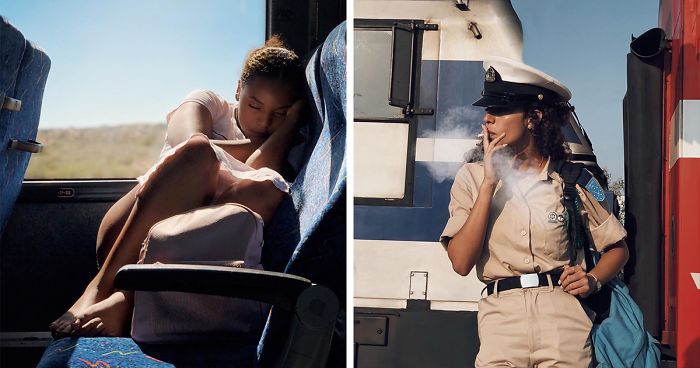
Using only her iPhone, Alfasi began capturing candid portraits of passengers during her daily ride to work. The result is a striking collection of images that feels intimate without being loud, cinematic without being staged, and deeply human without needing a single caption. Her portraits show people reading, resting, daydreaming, laughing, staring through windows, or sitting quietly in that mysterious commuter state between “I am going to work” and “I may still be spiritually asleep.”
The project became widely admired because it proves something wonderfully democratic about photography: powerful images do not always require an expensive camera, a studio setup, or a backpack full of lenses that makes you look like you are preparing to photograph the moon. Sometimes, the best camera is the one in your hand, especially when the person holding it has patience, empathy, timing, and a sharp eye for light.
Who Is Dina Alfasi?
Dina Alfasi is an Israeli photographer known for transforming everyday travel into poetic visual storytelling. She has been described in photography coverage as a mother, an engineer working in a hospital environment, and a mobile photographer who uses her daily commute as creative fuel. Her work has gained attention across photography communities because it sits at the intersection of street photography, mobile photography, and human observation.
Her images are not flashy in the usual internet sense. There are no neon explosions, no impossible poses, no “I woke up like this” lighting crews hiding behind a shrub. Instead, Alfasi finds drama in the ordinary: a face framed by a window, a child glowing in soft morning light, a passenger lost in thought, or the blur of movement outside a train carriage. Her work reminds viewers that public transportation is not just a way to get somewhere. It is a rolling theater of human life.
One reason her iPhone portraits of strangers feel so compelling is that they are built on restraint. She does not appear to chase spectacle. She notices small moments and lets them breathe. In a world trained to scroll past everything at Olympic speed, that kind of attention feels almost radical.
Why These iPhone Portraits Feel So Impressive
The success of Alfasi’s commuter photography is not simply about using an iPhone. Plenty of people use iPhones every day to photograph sandwiches, receipts, pets, and the occasional suspicious parking job. What makes her work special is how she uses the phone as a storytelling tool.
1. The iPhone Makes the Camera Disappear
A large camera can change a scene the moment it appears. People stiffen, turn away, pose, or look suspiciously at you as though you are about to ask them to join a multi-level marketing scheme. An iPhone, by contrast, is part of daily life. On public transportation, everyone is holding one kind of phone or another. That normalcy allows a photographer to work quietly and capture moments before they become performances.
This is one of the great strengths of mobile photography. The device is small, familiar, and fast. It lets the photographer respond instantly to changing light, reflections, gestures, and expressions. In Alfasi’s case, that quiet presence helps preserve the natural mood of the commute.
2. The Portraits Capture People Between Public and Private Selves
Commuting creates a strange emotional zone. People are in public, but often mentally somewhere else. They may be thinking about work, family, money, school, lunch, or whether they definitely turned off the stove. That half-private, half-public state gives commuter portraits their unusual depth.
Alfasi’s strongest images seem to catch people in those unguarded seconds. A passenger looking out the window is not just “a passenger looking out the window.” The right frame can suggest longing, boredom, peace, fatigue, curiosity, or quiet resilience. The viewer fills in the story, and that is exactly why the photo works.
3. Light Does the Heavy Lifting
Public transportation is full of difficult lighting. Train windows create glare. Bus interiors mix daylight with artificial bulbs. Shadows jump around. Reflections appear and disappear. In other words, it is basically a lighting exam with wheels.
Yet those challenges can also create magic. Window light can soften a face. Reflections can add layers. Motion blur can create atmosphere. A beam of morning sunlight can turn a regular seat into something that looks suspiciously like a Renaissance painting, except with more tote bags.
Alfasi’s work shows a strong understanding of how to use available light. She often lets the environment frame the subject naturally instead of forcing the image to look polished. That gives the portraits their honest, cinematic feeling.
The Rise of iPhone Photography as Serious Art
Not long ago, mobile photography was treated like the little cousin of “real” photography. It was convenient, sure, but not always taken seriously. That has changed dramatically. Smartphone cameras now offer strong image quality, advanced processing, portrait features, low-light tools, and editing options that allow everyday users to create professional-looking images.
But the bigger shift is cultural. Photography is no longer limited to people who can afford specialized gear. A phone camera allows more people to participate, experiment, document, and build a visual voice. Mobile photography competitions, online galleries, and global social platforms have helped prove that artistic value comes from vision, not just equipment.
Dina Alfasi’s work fits perfectly into this shift. Her portraits are impressive not because they scream, “Look what this phone can do!” but because they quietly say, “Look what a person can see.” The iPhone is the tool. The real engine is observation.
Street Photography on the Commute: Art, Timing, and Respect
Photographing strangers in public has always been part of street photography. Classic street photographers have long used city sidewalks, buses, trains, parks, markets, and stations as visual stages. The goal is often to capture real life as it happens, not as it is arranged.
However, candid photography also raises important questions about privacy, consent, and respect. In many public spaces, photographing what is plainly visible is generally allowed, though rules can vary by country, location, transit system, and intended use. But legal permission is not the same thing as ethical wisdom. A good street photographer needs both awareness and sensitivity.
Alfasi’s work is admired partly because the images feel compassionate rather than exploitative. The portraits do not mock people or catch them in humiliating moments. They emphasize dignity, mood, and beauty. That distinction matters. Street photography becomes stronger when it is guided by empathy instead of hunger for shock value.
What Makes a Respectful Street Portrait?
A respectful candid portrait usually avoids cruelty. It does not turn someone’s vulnerability into a cheap joke. It does not focus on embarrassment, distress, or private pain. It also considers context: Is the subject being represented with dignity? Would the image feel fair if the photographer were the person in the frame?
These questions do not remove all debate, but they help photographers approach public images with care. The best street photography can reveal something universal while still honoring the individual in the picture.
Why Commuter Portraits Connect With So Many Viewers
There is a reason these iPhone portraits of strangers resonate online. Nearly everyone knows the feeling of commuting. Even if you drive, bike, walk, or work from home, you understand the emotional rhythm of going from one version of yourself to another. Morning travel carries anticipation. Evening travel carries exhaustion. In between, people reveal tiny fragments of their inner worlds.
Alfasi’s portraits make viewers pause because they transform strangers into characters. A person sitting alone on a train becomes part of a larger human story. A child laughing in a carriage becomes a burst of joy in a routine space. A tired face by a window becomes a quiet symbol of modern life. The images invite us to look again at places we normally ignore.
That is the secret ingredient: attention. The commute is ordinary only because we stop noticing it. Alfasi notices.
Lessons Photographers Can Learn From This Project
You do not need to copy Alfasi’s exact style to learn from her work. In fact, copying another photographer too closely is like wearing someone else’s glasses and pretending the blurry world is your artistic vision. But her project offers practical lessons for anyone interested in iPhone photography, street portraits, or visual storytelling.
Start With a Place You Know Well
Many people think interesting photography requires an exotic location. Alfasi’s commute suggests the opposite. Familiar places can be excellent training grounds because you begin to notice subtle changes: different light, different passengers, different weather, different moods. Repetition sharpens observation.
Use Constraints as Creative Fuel
Working with a phone, limited space, and unpredictable subjects might sound restrictive. But constraints can make photography stronger. They force quick decisions and reduce overthinking. Instead of obsessing over gear, you focus on timing, framing, emotion, and light.
Look for Layers
Great commuter photos often include more than one visual layer. A subject in the foreground, a reflection in the glass, a passing landscape outside, or another passenger in the background can make the image richer. Layers create depth and give the viewer more to discover.
Wait for the Human Moment
The difference between an average candid photo and a memorable one is often one second. A glance, smile, yawn, hand gesture, or shift in posture can change everything. Street photography rewards patience. Sometimes the scene is almost right, and then suddenly a tiny human detail completes it.
How to Take Better iPhone Portraits in Everyday Life
Inspired by Alfasi’s commute project? Good news: you probably already own a capable camera. Bad news: the camera will not magically compose the photo for you while whispering, “Masterpiece incoming.” You still have to make choices.
Clean the Lens
This sounds painfully basic, but phone lenses live in pockets, bags, hands, and occasionally near snacks. A quick wipe can instantly improve clarity. Your future photo should not look like it was taken through a thin layer of potato chip history.
Watch the Edges of the Frame
Many beginners focus only on the subject and forget the edges. Before tapping the shutter, check for distracting poles, signs, bright objects, or mystery elbows sneaking into the composition. Clean edges make the image feel more intentional.
Use Window Light
Soft window light is a gift. On trains and buses, it can create natural highlights and shadows that flatter faces and add mood. Positioning matters: side light often creates more depth than flat front light.
Avoid Aggressive Zoom
Digital zoom can reduce image quality. When possible, move closer, crop later, or use the phone’s optical lens options if available. In candid public settings, be respectful and avoid invading personal space.
Edit Lightly
Editing can improve a photo, but over-editing can make a real moment look like it was dipped in radioactive syrup. Adjust exposure, contrast, highlights, shadows, and crop with intention. Let the image keep its natural feeling.
The Beauty of Strangers Lost in Thought
One of the most powerful aspects of Alfasi’s portraits is how they honor strangers without needing to identify them. The viewer does not know their names, jobs, worries, or destinations. Yet each image feels personal. That is the paradox of strong street photography: the more specific the moment, the more universal it can become.
A person asleep on a bus can remind us of exhaustion. A child pressing against a train window can remind us of wonder. A commuter staring into the distance can remind us of our own private thoughts. Photography does not always explain; sometimes it simply opens a door.
That is why this project feels impressive. It does not depend on spectacle. It depends on recognition. We see strangers, and somehow we see ourselves.
Why the “30 Pics” Format Works So Well
A single portrait can be powerful, but a series creates rhythm. Seeing many commuter images together builds a fuller world. One photo might show loneliness; another, humor; another, tenderness; another, mystery. Together, they suggest that every commute contains countless invisible stories.
The “30 Pics” format also suits web audiences because it gives readers a gallery-like experience. They can move from face to face, mood to mood, and scene to scene. But the best part is that the project does not feel random. The images are connected by a shared setting, a shared tool, and a shared way of seeing.
In SEO terms, the story naturally attracts interest because it combines several engaging ideas: iPhone photography, street portraits, public transportation, strangers, daily commute, and impressive photo results. In human terms, it works because people are endlessly curious about other people. We are nosy creatures, but when art is involved, we call it “observation.” Much classier.
The Deeper Message: Creativity Is Usually Closer Than You Think
The most inspiring part of Alfasi’s project may be its accessibility. She did not wait for perfect conditions. She did not wait for a studio, a grant, a trip, or a mythical day when life became less busy. She used the time she already had and the device she already carried.
That is a useful lesson for anyone who wants to be more creative. You do not always need a dramatic life change. Sometimes you need a daily habit, a sharper eye, and permission to treat ordinary moments as worthy subjects.
The commute, the lunch break, the walk to school, the grocery line, the waiting room, the bus stopthese are not empty spaces. They are full of gestures, colors, patterns, light, and stories. Creativity often begins when you stop dismissing your own surroundings.
Experience Section: What This Project Teaches Us About Seeing the World Differently
There is a personal lesson hidden inside the story of a woman using her iPhone to capture portraits of strangers on her daily commute. It is not just “take more photos.” It is “pay better attention.” That sounds simple, but in real life, it is surprisingly difficult. Most people move through familiar spaces on autopilot. The same train platform becomes background noise. The same bus route becomes a blur. The same morning faces become part of the scenery.
But when you approach an ordinary route like a photographer, everything changes. You begin noticing how light falls across a seat at 8 a.m., how rain turns windows into mirrors, how a person’s posture can tell a story before their face does, and how public spaces contain quiet moments of beauty. The world does not necessarily become more interesting. You become more interested.
That shift is powerful. A commute can feel like wasted time, but Alfasi’s project shows how it can become creative practice. Instead of scrolling endlessly, a photographer can study color, expression, motion, and composition. Even without taking a single photo, this habit trains the eye. You start asking: What makes this scene moving? Where is the light coming from? What is the emotional center? What would happen if I framed this differently?
For beginners, the best experience-based advice is to start gently. Do not rush into photographing strangers in a way that feels intrusive or uncomfortable. Practice first by photographing hands, silhouettes, reflections, empty seats, shadows, signs, and moments where people are not identifiable. This helps build visual confidence while respecting boundaries. Over time, you may become more comfortable with candid street photography, but sensitivity should always travel with you like a very well-behaved camera bag.
Another useful experience is to create a small project with rules. For example, photograph only window reflections for one week. Or capture one interesting commuting detail each day: shoes, hands, newspapers, coffee cups, light patterns, station architecture, or passengers framed from behind. Constraints make the work more focused and reduce the pressure to create a masterpiece every morning before your brain has fully loaded.
The emotional experience matters too. Photographing daily life can make you more patient. You realize that good images are not always available on command. Some days the light is flat, the bus is too crowded, or every possible composition is blocked by someone’s backpack. That is fine. Street photography teaches you to accept unpredictability. The missed shot is part of the process, not a personal insult from the universe.
Finally, Alfasi’s work reminds us that people are more layered than they appear at first glance. A stranger on a train may be tired, hopeful, nervous, bored, joyful, or carrying a whole private world. A thoughtful portrait does not need to explain all of that. It only needs to leave room for the viewer to wonder. That is what makes these iPhone commuter portraits so memorable: they turn anonymous public moments into small invitations for empathy.
Conclusion
Dina Alfasi’s iPhone portraits of strangers on her daily commute prove that impressive photography is not only about equipment. It is about noticing what others overlook, respecting the people in front of the lens, and turning ordinary routines into visual storytelling. Her work shows that a train, bus, or station can become a gallery of human emotion when seen through patient eyes.
In a culture obsessed with upgrades, her project offers a refreshing reminder: the most important creative tool is not always the newest camera. It is attention. The iPhone helps, of course, but the real art begins when someone looks at a familiar commute and sees not boredom, but beauty.

