
Hair Care
It’s Okay to Let Kids Quit Things
Jun
Somewhere between the first soccer cleat and the third forgotten piano book, many parents discover an uncomfortable truth: kids are enthusiastic little sign-up machines, but they are not always enthusiastic little follow-through machines. One week they are “definitely going to be a gymnast forever,” and the next week they are lying on the floor like a dramatic Victorian poet because gymnastics involves stretching.
So, what do we do when a child wants to quit? Do we insist they finish because commitment matters? Do we let them walk away because mental health matters? Do we quietly Google “how much did I already pay for this activity” and stare into the middle distance?
The honest answer is this: it’s okay to let kids quit things when quitting is handled thoughtfully. Quitting is not always laziness. Sometimes it is information. Sometimes it is self-awareness. Sometimes it is a child saying, in the only way they know how, “This is not working for me.”
That does not mean children should quit everything the moment it becomes hard. Perseverance, grit, and keeping commitments are important life skills. But so are knowing your limits, recognizing unhealthy pressure, listening to your body, and learning how to make wise choices. The goal is not to raise kids who never quit. The goal is to raise kids who know the difference between giving up too soon and moving on for a good reason.
Why Parents Panic When Kids Want to Quit
When a child says, “I don’t want to go anymore,” many parents hear something much louder: “I will never finish college, hold a job, fold laundry, or become a functioning adult.” That leap is understandable, but it is also a bit unfair to the child. A seven-year-old quitting violin is not a prophecy. It is usually just a seven-year-old quitting violin.
Parents worry because activities often represent more than the activity itself. Soccer means teamwork. Piano means discipline. Dance means confidence. Scouts mean responsibility. Debate club means a possible future where your child can argue professionally instead of just at the dinner table.
Extracurricular activities can absolutely benefit children. Sports, music, clubs, theater, art, coding, martial arts, and community programs can build social skills, physical health, emotional confidence, problem-solving ability, and a sense of belonging. But benefits do not appear magically just because the activity exists. A child who feels pressured, overwhelmed, unsafe, bored, or deeply mismatched may not receive those benefits in the way adults hope.
In other words, an activity is not automatically good for a child simply because it looks good on a calendar. Sometimes the calendar is full, but the child is running on fumes.
Quitting Is Not Always the Opposite of Resilience
One of the biggest myths about parenting is that resilience comes only from pushing through. Yes, children need practice doing difficult things. They need to learn that being bad at something in the beginning is normal. They need to experience frustration without immediately escaping it. Nobody becomes good at basketball, spelling, painting, or tying shoes by quitting after the first awkward attempt.
But resilience is not the same as endless endurance. A resilient child does not simply tolerate misery forever. A resilient child learns how to evaluate a situation, ask for help, try reasonable solutions, and make a healthy decision. Sometimes that decision is, “I should keep practicing.” Sometimes it is, “I need a break.” Sometimes it is, “This activity is not right for me.”
When parents treat quitting as a moral failure, children may learn to ignore their own signals. They may stay in environments that are too stressful, too competitive, or even emotionally unsafe. They may also begin to connect achievement with love, which is a heavy backpack for a kid to carryespecially if the backpack already contains three water bottles, snack wrappers, and one mysterious rock collection.
The Real Question: Why Does the Child Want to Quit?
Before deciding whether a child should quit, pause and investigate. Not like a courtroom attorney, although it may feel tempting. More like a calm detective with snacks.
Ask open-ended questions: “What part do you dislike?” “When did you start feeling this way?” “Is something happening with the coach, teacher, or other kids?” “Is it too hard, too easy, too boring, too stressful, or just not fun anymore?”
The reason matters. A child who wants to quit because practice is challenging may need encouragement and structure. A child who wants to quit because another student is bullying them needs protection and adult intervention. A child who wants to quit because the schedule is destroying sleep and family time may need fewer commitments. A child who wants to quit because they tried it and genuinely do not enjoy it may simply be learning preference.
Common Reasons Kids Want to Quit
Children often want to stop an activity for one of several reasons. They may feel overscheduled and exhausted. They may be embarrassed because they are not progressing as fast as others. They may dislike the coach’s tone or the group culture. They may feel lonely in the activity. They may have anxiety before each session. They may have lost interest after the novelty wore off. Or they may have chosen the activity because a parent loved the idea more than they did.
That last one is common. Parents sometimes sign kids up for the childhood they wish they had. This is sweet, human, and occasionally expensive. But your child may not share your dream of competitive cello, elite soccer, or becoming the family’s first chess celebrity.
When Parents Should Encourage Kids to Stick With It
Letting kids quit things does not mean every activity becomes a revolving door. There are times when sticking with something is valuable. If your child is frustrated because they are new, nervous, or comparing themselves to others, quitting immediately may rob them of a chance to grow.
Children often need help understanding that discomfort is not always danger. Being nervous before a first recital, confused during the first weeks of coding class, or tired after sports practice can be normal. In these moments, parents can say, “Let’s give it a little more time,” or “Let’s talk to the coach,” or “Let’s practice together for ten minutes a day and see how you feel after two weeks.”
It can also be helpful to set a family policy before signing up. For example, “If we join a team, we finish the season unless there is a serious problem.” This teaches respect for teammates and commitments. For individual activities, the policy might be, “Try four classes before deciding.” A clear agreement prevents every Tuesday from becoming a tiny courtroom drama.
When It’s Healthy to Let Kids Quit
There are also times when quitting is the wise choice. If an activity causes ongoing distress, interferes with sleep, damages self-esteem, creates constant family conflict, or leaves no room for rest, it may be time to step back. Kids need downtime. They need unstructured play. They need boredom, which is basically creativity wearing sweatpants.
It may also be healthy to quit when the environment is harmful. A coach who humiliates children, a teacher who uses fear as motivation, or a peer group that makes a child feel unsafe should not be brushed off as “character building.” Children can build character in plenty of ways that do not involve dread in the car on the way there.
Another good reason to quit is a true mismatch. Not every child needs to become well-rounded by doing everything. Some children thrive in team sports. Others prefer art, animals, books, robotics, cooking, hiking, or building elaborate pillow forts with architectural confidence. A child who quits one activity may be making room for something that fits better.
How to Help Kids Quit Without Teaching Them to Give Up
The way a child quits matters. Quitting can be careless, or it can be responsible. Parents can turn the process into a lesson in reflection, communication, and respect.
1. Pause Before Making the Decision
Avoid deciding in the heat of a meltdown. A child sobbing in the back seat after practice may not be ready for a life-planning session. Offer comfort first. Talk later when everyone has eaten, rested, and stopped using cleats as emotional evidence.
2. Look for Patterns
One bad day does not always mean the activity is wrong. But repeated stomachaches before class, constant irritability, sleep problems, or a major mood change may signal something deeper. Pay attention to patterns, not just single complaints.
3. Try Problem-Solving First
Before quitting, consider small adjustments. Could the child switch groups? Practice less? Take a short break? Talk to the instructor? Change expectations? Sometimes kids do not need to quit the whole activity; they need to quit the current version of it.
4. Finish Cleanly When Possible
If your child made a commitment to a team or performance, discuss what finishing responsibly looks like. That may mean completing the season, attending the final recital, or giving notice to the instructor. This teaches that quitting does not have to mean disappearing like a magician with shin guards.
5. Reflect Afterward
Ask what your child learned. Did they discover they prefer individual activities over teams? Do they need more downtime? Did they enjoy the activity but not the competitive level? Reflection turns quitting from an escape hatch into self-knowledge.
What Kids Learn When They Are Allowed to Quit Thoughtfully
When handled well, quitting teaches children several powerful lessons. They learn that their feelings matter, but feelings also deserve investigation. They learn that effort is valuable, but not every path is theirs. They learn that commitments should be respected, but not worshiped above health and well-being.
They also learn decision-making. Adults quit things all the time. They leave jobs, change majors, end volunteer roles, move from one hobby to another, stop reading books they do not like, and abandon sourdough starters that have become emotionally demanding. We do not call every adult decision a failure. We call many of them growth.
Children need practice making these decisions while adults are still nearby to guide them. A child who learns to quit a stressful club respectfully may later become a teen who can leave an unhealthy friendship, a college student who can change a mismatched major, or an adult who can step away from work that is damaging their health.
The Difference Between Quitting and Avoidance
Of course, parents should watch for avoidance. If a child quits every activity the moment they feel challenged, embarrassed, or expected to practice, something else may be going on. They may fear failure. They may struggle with perfectionism. They may have anxiety. They may need help building tolerance for discomfort.
In that case, the answer is not shaming them into staying. The answer is support. Break the challenge into smaller steps. Praise effort instead of results. Normalize mistakes. Help them practice asking for help. A child who says, “I want to quit because I’m not the best,” may need reassurance that being a beginner is allowed. A child who says, “I want to quit because everyone laughs at me,” needs a different kind of attention.
The key question is not simply, “Should my kid quit?” A better question is, “What skill does my child need right now?” Sometimes the skill is perseverance. Sometimes it is communication. Sometimes it is rest. Sometimes it is courage to walk away.
Parents Need to Check Their Own Expectations Too
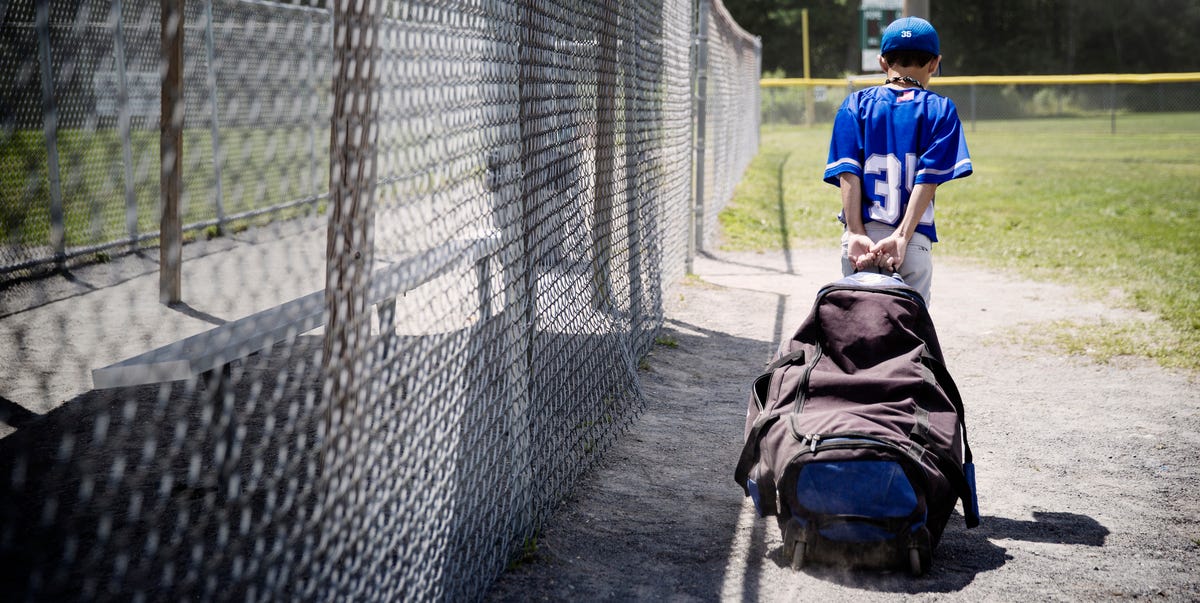
Let’s be honest: sometimes kids’ activities become tangled with adult hopes. Parents may imagine scholarships, status, talent, discipline, or family identity. A child’s activity can become a symbol of good parenting. That is a lot of pressure to place on a ten-year-old who mostly joined baseball because the uniform had a cool hat.
Before pushing a child to continue, parents can ask themselves: “Am I worried about my child’s growth, or am I worried about wasted money?” “Am I protecting my child’s commitment, or my own pride?” “Do I want them to love this, or do I need them to be impressive at it?”
These are uncomfortable questions, but good parenting often includes uncomfortable questions. Also snacks. But mostly questions.
Experience Section: What Letting Kids Quit Looks Like in Real Life
In real family life, letting kids quit things rarely looks neat. It often starts with a backpack by the door, a child refusing to put on shoes, and a parent whispering, “We are not doing this again,” with the spiritual exhaustion of someone assembling furniture without instructions.
Imagine a child named Maya who begs to join piano lessons after watching a friend play a song at school. Her parents rent a keyboard, buy books, and prepare themselves emotionally for future holiday concerts. For the first month, Maya loves it. She plays the same eight notes repeatedly until the dog leaves the room. Then practice becomes a battle. She cries before lessons. She says the teacher is nice, but she hates practicing alone. Her parents could force her to continue for a year. Instead, they talk with her. They learn she likes music but dislikes formal lessons. They agree she will finish the paid month, thank the teacher, and try a casual children’s choir instead. Maya has not failed music. She has learned something specific: she enjoys making music with others more than practicing solo.
Now imagine Ben, who wants to quit basketball after two practices because he is not good yet. He is used to being strong in school, and being clumsy with a ball feels humiliating. His parents do not let him quit immediately. They explain that new things feel awkward at first. They practice with him in the driveway for ten minutes a few evenings a week. They ask the coach how to help him feel included. After three more weeks, Ben is not a basketball legend, but he is laughing during practice. In his case, not quitting right away helped him learn that beginner discomfort can pass.
Then there is Sophie, who loves gymnastics but begins getting stomachaches before class. At first her parents think she is avoiding hard work. Later, she admits another child makes cruel comments when the coach is not looking. Her parents speak with the gym, observe a class, and decide to move her to a different program. Sophie did not need a lecture about grit. She needed adults to listen closely.
These everyday examples show why one rule cannot fit every child. “Never quit” is too rigid. “Quit whenever you want” is too loose. A wiser family rule is: “We talk, we try to understand, we solve what can be solved, and then we make a respectful decision.”
Many adults can remember being forced to continue something long after joy had left the building. Some learned discipline, yes. Others learned resentment. Some still cannot hear the word “clarinet” without needing a moment. On the other hand, many adults are grateful a parent made them stick with something through the awkward beginning. The difference often lies in whether the adult listened, adjusted, and treated the child as a personnot a tiny productivity project with sneakers.
Letting kids quit thoughtfully gives them language for their own lives. They learn to say, “This is hard, but I want to keep going,” or “This is hard, and it is not healthy for me,” or “This is fine, but it is not my thing.” That language is useful far beyond childhood activities. It belongs in friendships, school choices, jobs, creative projects, and future relationships with responsibility.
Parents do not need to fear every quit. Sometimes quitting is the doorway to a better fit. Sometimes the child who leaves soccer discovers swimming. The child who leaves piano discovers theater. The child who leaves robotics discovers baking and becomes the only person in the house who understands frosting architecture. Beautiful things can grow in the space an old commitment leaves behind.
Conclusion: Letting Kids Quit Can Be Good Parenting
It’s okay to let kids quit things when the decision is thoughtful, respectful, and rooted in the child’s well-being. Quitting should not be a reflex, but it should not be forbidden either. Children need chances to practice commitment, and they also need permission to notice when something is not right for them.
The best parenting approach is balanced. Encourage kids to try. Help them persist through ordinary frustration. Teach them to honor commitments. But also listen when they are overwhelmed, unhappy, unsafe, or simply mismatched with an activity. Childhood is not a résumé-building factory. It is a season of growth, discovery, mistakes, rest, and many, many water bottles left in the car.
When children learn how to quit well, they are not learning weakness. They are learning judgment. And good judgment may be one of the most valuable activities they ever practice.

