
Body Care
Villa Colucci in Puglia, Italy: A Palazzo Update By Two Danish Design Couples
Jul
Some houses ask for a new sofa. Villa Colucci asked for a resurrection.
Set in Selva di Fasano in Italy’s Puglia region, this 19th-century palazzo is the kind of place that makes ordinary homes feel like they should apologize for their ceilings. The building, once owned by the local Colucci family, has been brought back to life by two Danish design couples: Mette and Rolf Hay, the founders of Hay, and Barbara “Bibi” Husted Werner and filmmaker Martin Werner. Together, they turned a historic residence into a richly layered retreat that feels at once deeply Italian and unmistakably Scandinavian.
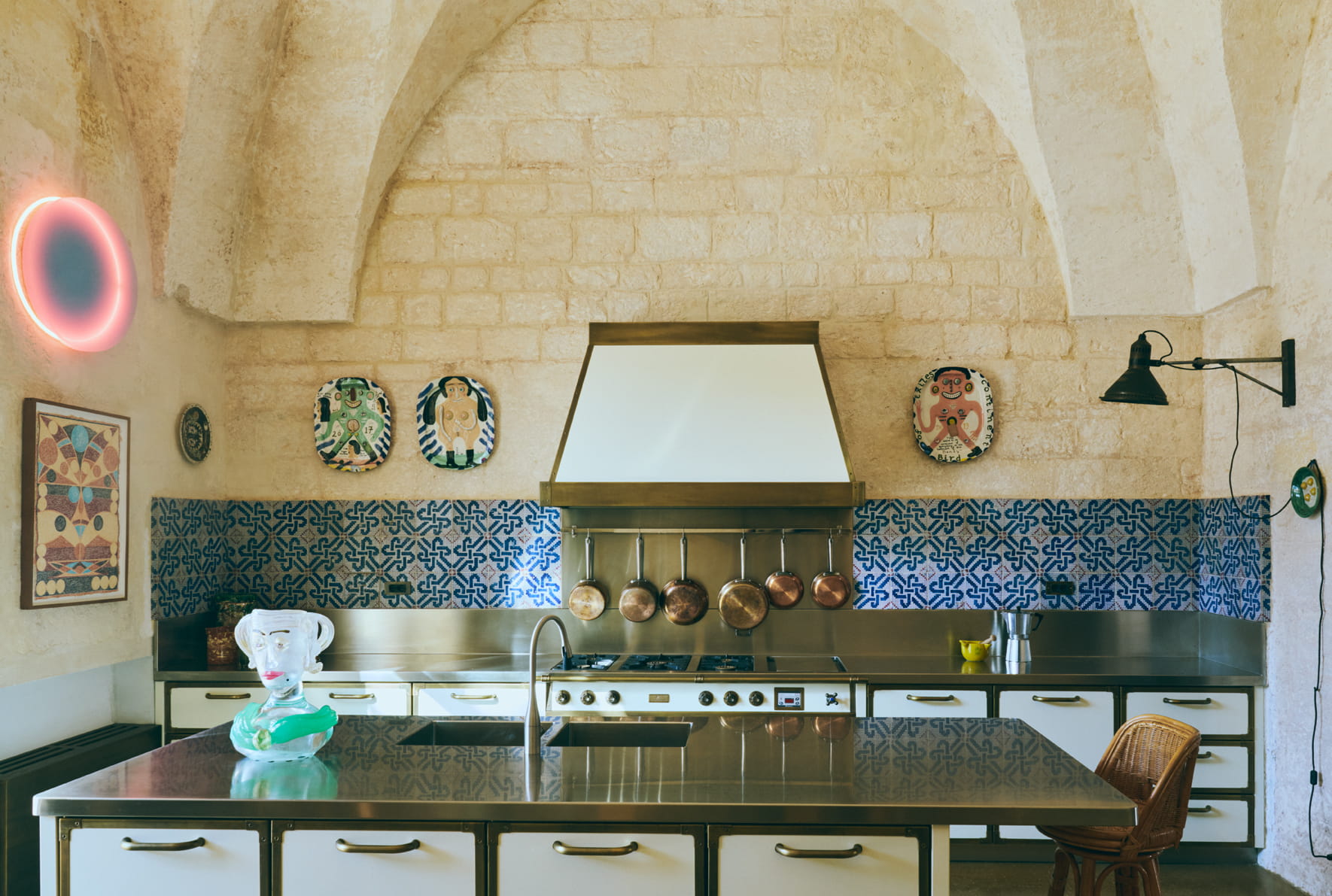
That combination is what makes Villa Colucci so fascinating. This is not a cold minimalist takeover in which history gets scrubbed away in the name of clean lines and beige restraint. Quite the opposite. The update appears to respect the bones of the palazzo while allowing the owners’ color-loving, art-forward Danish sensibility to move in like a charming houseguest who somehow improves the whole party.
For anyone interested in design, restoration, travel, or the eternal question of how to make old architecture feel alive again, Villa Colucci offers a compelling answer. Keep the soul. Add personality. And never underestimate the power of a great chair in a room with a frescoed ceiling.
Why Villa Colucci Matters in Today’s Design Conversation
Villa Colucci is more than a beautiful property in Puglia. It is part of a broader design movement that has made southern Italy a magnet for restorations that mix heritage with contemporary living. Across Puglia, old palazzi, convents, castles, and farm estates have been revived as homes and hospitality projects, not by flattening their history but by leaning into it. The region’s appeal lies in its sun-baked landscapes, whitewashed towns, olive groves, stone craftsmanship, and architecture that already knows how to be dramatic without trying too hard.
That context matters, because Villa Colucci does not exist in a vacuum. Puglia has become a destination where old-world character meets modern taste. Travelers and design lovers are increasingly drawn to places where original stone floors, frescoes, terraces, and vaults can coexist with contemporary art, thoughtful lighting, and furniture that actually invites you to sit down instead of merely admiring it from across the room like a museum guard might tackle you.
What sets Villa Colucci apart is the specific personality of its owners. These are not casual renovators dabbling in Mediterranean fantasy. They come from Denmark’s design world, where functionality, proportion, tactility, and atmosphere are taken very seriously. But Danish design, despite its minimalist reputation, is not only about pale wood and whispered neutrals. It also has a playful side, especially in more contemporary interiors, where color, eclecticism, and collectible objects create warmth and individuality. Villa Colucci seems to capture that wider, livelier spirit.
The Backstory: A FaceTime Purchase That Somehow Worked Out
The story behind Villa Colucci sounds like the opening scene of a movie made for people who subscribe to both design magazines and travel newsletters. Two couples from Copenhagen, who are neighbors and friends, jointly bought an 11-bedroom villa in southern Italy after touring it by FaceTime. That sounds reckless in the way that only very stylish people can make recklessness sound inspiring.
And yet the gamble paid off. The owners already had a connection to Puglia, and the house, though largely vacant for many years, was structurally workable. Instead of performing a flashy reinvention, they pursued a more careful approach. The renovation reportedly took around three years and involved collaboration with architect Francesco Mastrorosa, who specializes in historic revivals.
That timeline tells you a lot. Good restoration is rarely quick. Old buildings are moody. They reveal surprises. They require patience, money, local expertise, and enough humility to understand that a 19th-century palazzo does not need you to “disrupt” it. It needs you to listen.
What They Preserved, and Why That Was Smart
The most successful historic renovations usually begin with a simple question: what absolutely should not be touched? At Villa Colucci, the answer seems to have included original floors, the central staircase, period plasterwork, and other features that give the palazzo its character. That choice matters because architecture is not just walls and windows. It is memory in material form.
Preserving original finishes creates visual depth that new construction often struggles to imitate. Patina, worn stone, old plaster, and handcrafted details give a building texture both literally and emotionally. They make rooms feel inhabited across time, not just decorated for a photoshoot.
In practical terms, this preservation-first approach also keeps the house rooted in Puglia. The region’s architecture has a strong sense of place, shaped by local materials, climate, and craft traditions. If you strip too much away, the house could become generic luxury with better weather. By keeping historic features, Villa Colucci remains specific. It still belongs to its landscape.
The Danish Layer: Color, Collecting, and Everyday Beauty
Now for the fun part: what the Danish owners added. From what has been reported, Villa Colucci is filled with artworks, designer furniture, and vintage pieces gathered from the owners’ own collections. That instantly changes the mood of the project. Rather than stage the villa as a strict period interior or an all-white minimal retreat, they seem to have made it personal.
This is exactly why the house feels so fresh. Contemporary interiors can sometimes become overly polished, especially in historic settings. But rooms that blend antique architecture with collected art and mixed furnishings tend to feel more alive. They suggest that someone actually lives there, reads there, argues there, naps there, and occasionally leaves a book open on a table without asking a stylist for permission.
The Danish influence appears in the balance between restraint and ease. Scandinavian design is often defined by functionality, comfort, natural materials, and visual clarity. But contemporary Danish interiors also know how to use color in a clever way, introducing saturated accents, softened forms, and playful contrasts. Villa Colucci reportedly embraces that broader language, creating spaces that are layered rather than rigid.
The result is not “Scandinavian in Italy” in a simplistic sense. It is more like a cultural conversation between the two. Puglian architecture brings mass, history, ornament, and climate intelligence. Danish design contributes edit, proportion, livability, and a collector’s eye. Together, they create rooms that look relaxed but not sloppy, elegant but not uptight.
Architecture Meets Landscape in Puglia
One of the reasons Villa Colucci works so well as a design story is that Puglia itself is part of the composition. This is a region defined by olive groves, rural estates, white towns, Adriatic light, and a long tradition of architecture that responds to heat and terrain. Villa Colucci sits among woods, olive trees, and a newly planted vineyard, which gives the palazzo a strong sense of enclosure and openness at the same time.
That setting matters because great houses are never only interiors. They are relationships between building and landscape. In Puglia, outdoor life is not an afterthought. Terraces, courtyards, gardens, and shaded sitting areas shape how the house is experienced hour by hour. Morning coffee feels different when the air smells faintly of dry stone and herbs. A dinner table becomes more memorable when sunset does half the decorating.
It is also significant that the project reportedly includes sustainability-minded updates, such as solar panels and an excavated water supply. These choices are not just trendy add-ons. In a historic rural property, self-sufficiency and environmental sensitivity can make the difference between a beautiful place and a viable one. The best restorations today are not frozen in nostalgia. They quietly make old buildings capable of living well in the present.
Why the Villa Feels Current Without Chasing Trends
One reason Villa Colucci resonates is that it reflects several major design trends without feeling enslaved to any of them. There is adaptive reuse. There is the return to craft. There is the appetite for spaces that feel personal rather than formulaic. There is the continued fascination with Mediterranean living. There is the move toward interiors that are layered, storied, and slightly imperfect in a deliberate way.
But the villa also sidesteps the pitfalls of trend-driven design. It does not seem obsessed with minimalism for minimalism’s sake. It does not flatten color. It does not erase evidence of age. It does not confuse luxury with emptiness. Instead, it suggests that contemporary comfort is best achieved when a space keeps its original rhythm and then welcomes new life into it.
That is a useful lesson for homeowners, designers, and frankly anyone who has ever stared at an old room and thought, “I love this, but what on earth do I do with it?” The answer is not always to start over. Sometimes the smarter move is to identify what already carries the story and build from there.
Design Lessons You Can Borrow From Villa Colucci
1. Preserve the best original features
If an old house has beautiful floors, plasterwork, beams, stairs, or tile, those are not problems to solve. They are assets to highlight. Restoration becomes richer when it starts with respect.
2. Mix periods on purpose
Historic architecture does not require period-perfect furniture. In fact, contrast often makes a space more dynamic. Contemporary art and modern seating can sharpen the beauty of old walls and ceilings.
3. Let color do some emotional work
Color can warm up grand rooms, soften formality, and keep old spaces from feeling reverential. A strategically placed bold chair, painted door, or vivid artwork can turn a room from lovely to unforgettable.
4. Design for real life, not just photographs
The most appealing homes feel usable. They invite conversation, long meals, afternoon reading, and the occasional glorious laziness. Villa Colucci’s appeal seems tied to livability as much as visual drama.
5. Make sustainability part of restoration
Old buildings deserve future-ready systems. Energy-conscious upgrades and thoughtful infrastructure can extend the life of a historic property without compromising its character.
Villa Colucci and the New Luxury
Luxury used to be presented as perfection: polished surfaces, formal rooms, everything in its place, no sign that anyone had ever eaten pasta within a ten-foot radius. That model has changed. Today, the most appealing luxury often feels more human. It values atmosphere over stiffness, craft over flash, and authenticity over generic glamour.
Villa Colucci fits neatly into that shift. It is luxurious not because it looks expensive in a bland way, but because it appears emotionally rich. It offers history, scale, landscape, art, and a clear point of view. It seems designed for pleasure and curiosity, not just display. In design terms, that is a much more lasting form of beauty.
And that may be the villa’s biggest success. It does not appear to have been renovated to impress from a distance. It was shaped to be inhabited, shared, and experienced. That difference is subtle but enormous.
Experiences Inspired by Villa Colucci in Puglia, Italy
To understand Villa Colucci fully, it helps to imagine the experiences a place like this creates. Not the staged kind, but the real ones that unfold naturally when architecture, landscape, and good taste conspire in your favor.
Picture arriving in Selva di Fasano after a winding drive through olive groves, the road narrowing just enough to make you wonder whether your map has become optimistic. Then the palazzo appears, sun-washed and dignified, with the sort of façade that makes you sit up straighter in the car. The first feeling is not simply admiration. It is relief. The house has presence. It does not need to shout.
Morning at a property like Villa Colucci would likely begin with light. Puglia has that crisp, flattering kind of light that makes stone glow and coffee seem more competent. You open shutters, hear birds before people, and notice how a historic room changes color by the minute. In a well-restored palazzo, breakfast is not just a meal. It is a slow ceremony of ceramic cups, cool floors underfoot, and a table that somehow makes figs look like a design decision.
Then there is the pleasure of moving through old rooms that have not been turned into museum pieces. One room may feel grand and airy; another more intimate, with books, artwork, and the kind of chair that instantly becomes everyone’s favorite. The beauty of a house shaped by collectors is that it rewards repeat viewing. You spot a vintage lamp you missed the first time, a painting that shifts the mood of a hallway, a quirky object that makes the room feel witty rather than solemn.
Outside, the Puglian setting changes the pace of everything. Lunch becomes longer. Conversation stretches. Shade becomes a design feature of almost spiritual importance. An afternoon might involve a swim, a walk through the grounds, or doing absolutely nothing with unusual conviction. This is one of the hidden strengths of thoughtful design: it gives idleness structure. You do not feel lazy in a beautiful place. You feel aligned with the architecture.
Evenings, of course, are where a villa like this probably earns its legend. Historic walls hold warmth, outdoor tables pull people together, and the landscape shifts from bright to honeyed to inky blue. A good palazzo is a social machine. It encourages gathering without forcing it. Some people drift toward dinner. Others lean into a sofa with a drink. Someone inevitably starts telling a longer story than necessary, but the room is so attractive nobody minds.
And that may be the lasting experience Villa Colucci represents: not just seeing a restored place, but feeling how design can choreograph a better rhythm of life. The house suggests that beauty is not a surface treatment. It is a framework for living more attentively. In Puglia, with Danish design intelligence layered into Italian history, that idea feels less like a slogan and more like a very good plan.
Final Thoughts
Villa Colucci in Puglia, Italy is a standout example of how to update a historic palazzo without draining it of character. By preserving the architectural soul of the property and layering it with contemporary art, collectible furniture, warmth, and practical modern systems, the two Danish design couples behind the project have created something that feels both timeless and current.
More importantly, they have shown that restoration can be intelligent, joyful, and deeply personal. Villa Colucci is not a sterile exercise in luxury branding. It is a house with memory, texture, and point of view. In an era of interchangeable interiors, that feels refreshingly rare.
If Puglia already had your attention, Villa Colucci gives you one more reason to look closer. And if you have ever wondered whether old architecture and modern living can truly get along, this palazzo offers a very stylish yes.

