
Makeup
Treatment for Growth Hormone Deficiency in Children
May
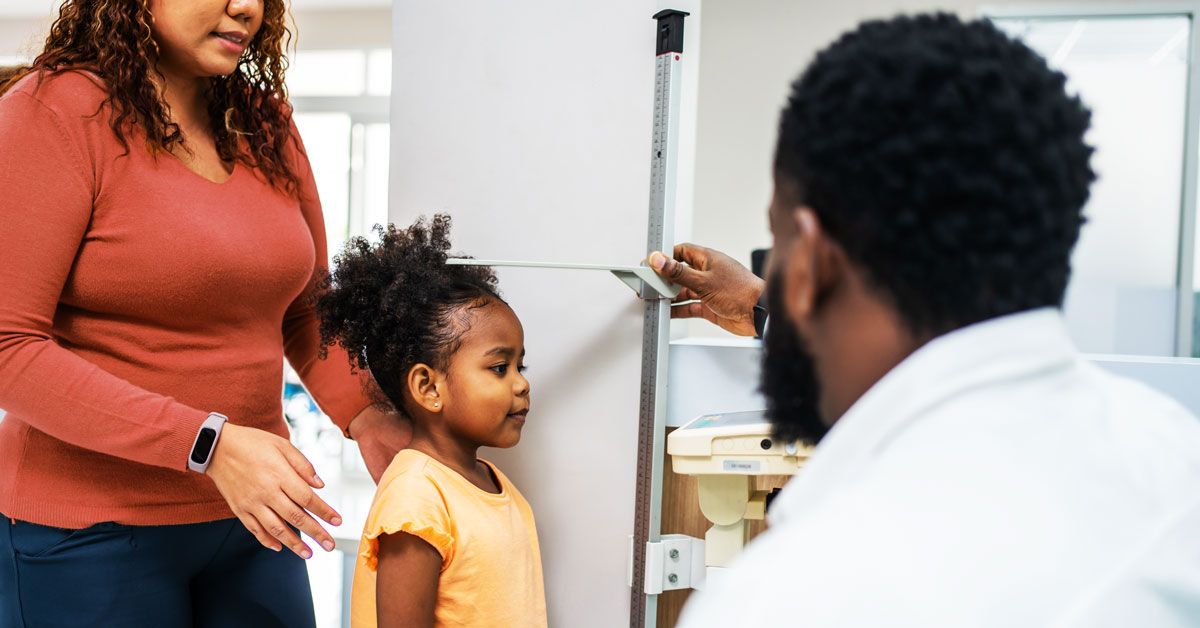
When a child is not growing as expected, parents often hear a familiar chorus: “Maybe they’re just a late bloomer.” Sometimes that is true. Some kids shoot up later than their classmates and suddenly need new pants every three weeks. But in other cases, slow growth may be a sign of growth hormone deficiency in children, a medical condition that deserves careful evaluation, not guesswork from relatives at family dinner.
Growth hormone deficiency, often shortened to GHD, happens when the pituitary gland does not make enough growth hormone. This hormone helps children grow taller, build healthy muscle and bone, and maintain normal body composition. The good news is that treatment exists, and when started at the right time, it can make a meaningful difference in a child’s growth and confidence.
The standard treatment for pediatric growth hormone deficiency is prescription growth hormone therapy. That may sound dramatic, like something from a science-fiction lab with glowing test tubes, but it is actually a well-established medical treatment. Today’s therapy uses recombinant human growth hormone, a manufactured version of the hormone the body naturally produces. It is typically given by injection under the skin and carefully monitored by a pediatric endocrine team.
What Is Growth Hormone Deficiency in Children?
Growth hormone deficiency is a condition in which a child’s body produces too little growth hormone for normal development. Growth hormone is made in the pituitary gland, a small gland at the base of the brain. Small gland, big job. Think of it as the body’s growth project manager: not very large, but absolutely capable of delaying the whole construction schedule when something goes wrong.
Some children are born with GHD. Others develop it later because of injury, brain tumors, radiation therapy, surgery, genetic conditions, or problems affecting the hypothalamus or pituitary gland. In many children, doctors never find a clear cause. That can be frustrating for families, but it does not mean the condition is imaginary or untreatable.
Common Signs a Child May Need Evaluation
The main sign of growth hormone deficiency is slow growth over time. A child may be much shorter than classmates, but height alone is not the whole story. Pediatricians care deeply about growth velocity, which means how quickly a child grows from year to year. A child who is short but growing steadily may simply follow a family pattern. A child who drops across growth chart percentiles may need a closer look.
Possible signs include:
- Growing much more slowly than expected for age
- Height far below the average range for children of the same age and sex
- A younger-looking face compared with peers
- Delayed tooth development
- Delayed puberty
- Increased body fat around the waist
- Low blood sugar in infants or young children in some cases
Of course, children are not smartphones; they do not come with a progress bar. Growth varies. That is why doctors use growth charts, family height patterns, medical history, physical exams, and lab testing before recommending treatment.
How Doctors Diagnose Growth Hormone Deficiency
Before treatment begins, a child needs a proper diagnosis. Pediatric endocrinologists do not prescribe growth hormone simply because a child is the shortest one in the class picture. They look for evidence that the body is truly not producing or using growth hormone normally.
Growth chart review
The first step is usually reviewing the child’s growth record. Doctors compare height, weight, and growth speed over time. A child who has consistently followed a low percentile may be different from a child who was average and then slowed down sharply.
Bone age X-ray
A bone age test is often done with an X-ray of the hand and wrist. It shows whether the bones are maturing at the expected pace. If bone age is delayed, there may still be growth potential. If growth plates are nearly closed, treatment may have less room to help with height.
Blood tests
Doctors may check levels of IGF-1 and IGFBP-3, proteins influenced by growth hormone. They may also test thyroid function, kidney and liver health, celiac disease markers, inflammation, nutrition, and other hormones. Many conditions can slow growth, including hypothyroidism, chronic illness, poor nutrition, and digestive disorders.
Growth hormone stimulation testing
Because growth hormone is released in pulses, a random blood test may miss the picture. A stimulation test uses medicines that encourage the pituitary gland to release growth hormone, followed by timed blood samples. If the response is too low, that supports the diagnosis of GHD.
MRI scan
Some children need an MRI of the brain and pituitary gland. This helps doctors look for structural problems, tumors, or abnormalities affecting hormone production.
The Main Treatment: Growth Hormone Therapy
The primary treatment for growth hormone deficiency in children is recombinant human growth hormone, also called somatropin. This medicine is designed to replace the hormone the child’s body is not making in adequate amounts.
Growth hormone therapy is given as an injection under the skin. Traditionally, treatment has been given once daily. Newer long-acting growth hormone options may be given once weekly for some children, depending on the medicine, age, diagnosis, insurance coverage, and the doctor’s recommendation.
Parents sometimes hear “injection” and immediately imagine a medical drama soundtrack. In real life, the needles are usually small, and many injection pens are designed for home use. Families receive training on storage, injection technique, rotation of injection sites, and what to do if a dose is missed.
Daily vs. Weekly Growth Hormone Treatment
Daily growth hormone has been used for many years and remains a common treatment option. It allows doctors to adjust therapy carefully and has a long track record. Weekly growth hormone therapies were developed to reduce the number of injections and may be helpful for families who struggle with daily routines.
The best choice depends on the child. Some families prefer daily injections because they become part of a predictable bedtime routine. Others prefer weekly therapy because fewer injections mean fewer negotiations with a sleepy child wearing dinosaur pajamas and a deeply suspicious facial expression.
Doctors consider several factors before choosing a treatment plan, including diagnosis, growth goals, side effect risks, comfort with injections, medication availability, cost, and how well the family can follow the schedule.
What Results Can Families Expect?
Growth hormone therapy is not magic, and it does not work overnight. It is more like planting a garden than flipping a light switch. With consistent treatment, many children grow faster during the first year, often more than they were growing before therapy. Some children may gain several inches of height in the first year, though response varies widely.
Children who start treatment earlier, before puberty is far advanced, often have more growth potential. That is because the growth plates in the bones remain open for a limited time. Once growth plates close, height gain is no longer possible, even if everyone in the house starts measuring doorframes with dramatic optimism.
Doctors usually track treatment response every few months. They measure height, weight, growth velocity, pubertal development, medication adherence, and lab values such as IGF-1. If growth is slower than expected, the care team may review dosage, injection technique, missed doses, nutrition, sleep, other medical conditions, or whether the diagnosis should be reassessed.
How Long Does Treatment Last?
Treatment usually continues for several years. Many children stay on growth hormone until they reach near-final adult height or until growth slows significantly because the growth plates are closing. Treatment may also stop if side effects occur, if the child does not respond as expected, or if testing later shows the child no longer needs it.
Some children with childhood GHD are retested after growth is complete. This matters because not every child who needed growth hormone during childhood will need it as an adult. Others may have persistent growth hormone deficiency and require adult endocrine follow-up.
Monitoring During Growth Hormone Treatment
Good treatment is not just “take the medicine and hope for the best.” Monitoring is essential. Pediatric endocrinologists adjust therapy based on growth response, lab results, puberty status, and overall health.
Regular follow-up visits may include:
- Height and weight measurements
- Growth velocity calculation
- Review of injection schedule and technique
- IGF-1 blood testing
- Thyroid hormone testing
- Blood sugar monitoring when needed
- Evaluation for headaches, hip pain, limping, swelling, or vision symptoms
- Bone age checks at certain points during therapy
Families should report symptoms such as severe headaches, changes in vision, persistent vomiting, hip or knee pain, limping, unusual swelling, or symptoms of high blood sugar. Most children tolerate growth hormone therapy well, but any prescription treatment deserves respect and monitoring.
Possible Side Effects of Growth Hormone Therapy
Side effects are uncommon, but they can happen. Mild swelling, joint discomfort, muscle aches, or injection site irritation may occur. Rare but more serious complications can include increased pressure around the brain, slipped capital femoral epiphysis, worsening scoliosis, or changes in glucose metabolism.
This is one reason growth hormone should only be used under medical supervision. It is not a shortcut for making a healthy child taller, and it is not something families should seek from unofficial sources. Growth is a medical issue, not an online shopping adventure.
Supporting Treatment at Home
Medication is important, but everyday habits also matter. Children receiving growth hormone treatment need the same basics every growing child needs: good nutrition, enough sleep, regular physical activity, and emotional support. Growth hormone does not replace dinner, sleep, or kindness.
Build a consistent routine
Families often do best when injections happen at the same time each day or week. Some children like using a calendar, sticker chart, or phone reminder. Older children may want more independence, but parents should still supervise until the care team says the child can manage safely.
Rotate injection sites
Doctors and nurses teach families how to rotate injection areas, often using the thigh, abdomen, buttocks, or upper arm depending on the device and instructions. Rotating sites helps reduce irritation and skin changes.
Keep expectations realistic
Not every child becomes tall, and that is not the goal. The goal is to help the child reach a healthier growth pattern and their best possible adult height based on medical factors and genetics. A child’s value is never measured in inches, even if the growth chart looks like it is trying to run the household.
Emotional and Social Support for Children
Children with growth hormone deficiency may feel frustrated when they are treated as younger than they are. They may be teased, excluded from sports by assumption, or tired of hearing, “You’re so tiny!” from adults who mean well but have the subtlety of a cymbal crash.
Parents can help by focusing on strengths, not just height. Encourage activities where the child feels capable and confident. Talk openly about treatment in age-appropriate language. Instead of saying, “This will make you normal,” say, “This medicine helps your body get the hormone it needs to grow.”
If teasing or anxiety becomes a problem, a school counselor, therapist, or support group can help. Medical treatment supports the body; emotional support protects the spirit.
When Growth Hormone Is Not the Right Treatment
Not every short child has growth hormone deficiency. Some children have familial short stature, constitutional growth delay, genetic syndromes, chronic illness, nutritional problems, or other endocrine conditions. In those cases, treatment depends on the cause.
Growth hormone may be used for certain conditions beyond classic GHD, such as Turner syndrome, chronic kidney disease, children born small for gestational age who do not catch up, Prader-Willi syndrome, Noonan syndrome, SHOX deficiency, and idiopathic short stature in selected cases. However, eligibility depends on medical criteria, risks, benefits, and regulatory approval.
Questions Parents Should Ask the Doctor
Families should feel comfortable asking questions before starting treatment. A good pediatric endocrine visit should not feel like a speed-reading contest with lab results.
- What evidence supports my child’s diagnosis?
- Are there other causes of slow growth we need to rule out?
- What treatment options are available?
- Should we consider daily or weekly growth hormone?
- How often will follow-up visits and blood tests be needed?
- What side effects should we watch for?
- How will we know whether treatment is working?
- How long might my child need treatment?
- Will insurance cover the medication?
- Does my child need retesting after growth is complete?
Experience-Based Insights: What Families Often Learn During Treatment
Families beginning treatment for growth hormone deficiency often imagine the biggest challenge will be the injection itself. Surprisingly, many discover that the injection becomes routine faster than expected. The real work is consistency. Growth hormone therapy rewards steady habits, not heroic bursts of enthusiasm followed by three forgotten doses and a confused medication log.
One common experience is the emotional shift after diagnosis. Before answers, parents may feel guilty, wondering whether they missed something. Children may feel embarrassed because classmates are growing faster. A clear diagnosis can bring relief. It gives the family a plan. Even if treatment takes years, having a roadmap is better than wandering through internet searches at midnight with sixteen tabs open and one eye twitching.
Another lesson is that children respond differently. One child may grow quickly in the first year; another may show slower but steady improvement. Parents sometimes compare progress with stories online, but those comparisons can be misleading. Growth depends on age, puberty stage, genetics, bone age, diagnosis, nutrition, medication adherence, and overall health. The child’s own growth curve matters more than someone else’s dramatic before-and-after story.
Families also learn that children need to be part of the conversation. A young child may only need simple reassurance: “This medicine helps your body grow.” A preteen may want more details about how long treatment will last, whether friends need to know, and what happens during sleepovers or trips. Giving children age-appropriate control, such as choosing the injection time or picking a reminder sticker, can reduce fear.
School life can require gentle advocacy. Teachers and coaches may not understand that a child with GHD is not necessarily fragile or younger emotionally. Parents may need to explain that the child should be treated according to age and ability, not height. A short seventh grader is still a seventh grader, not a decorative third grader who wandered into the wrong hallway.
Travel is another practical learning curve. Medication storage, cooler packs, prescriptions, airport security, and missed-dose plans should be discussed with the medical team before trips. Families often become surprisingly skilled at packing treatment supplies. It is not glamorous, but neither is forgetting the charger for the injection device or leaving medication in a hot car.
Over time, many parents become fluent in growth charts, IGF-1 levels, bone age reports, and insurance paperwork. The paperwork may be the least charming part of the journey. Prior authorizations can feel like a small mountain made entirely of forms. Keeping copies of test results, clinic notes, growth charts, and approval letters can make refills and renewals easier.
Most importantly, families learn to celebrate progress without making height the child’s identity. A good treatment experience supports health and confidence. The child should hear, “We are proud of how responsible you are,” not only, “You grew another inch.” Growth hormone therapy may help the body grow, but encouragement helps the child stand tall long before the measuring tape proves anything.
Conclusion
Treatment for growth hormone deficiency in children can be life-changing when the diagnosis is accurate, treatment begins at the right time, and monitoring is consistent. Recombinant human growth hormone therapy helps many children improve growth velocity and move closer to their expected adult height. Daily and weekly options may be available, and the best choice should be made with a pediatric endocrinologist.
Parents should remember that growth is a long-term journey. It involves medical testing, follow-up visits, emotional support, and plenty of patience. There may be small frustrations along the way, from injection nerves to insurance paperwork, but families do not have to navigate it alone. With expert care and a steady routine, children with growth hormone deficiency can grow healthier, stronger, and more confidentone measured step at a time.

