
Makeup
How to Decoupage Newspaper on Canvas
May
Newspaper decoupage on canvas is one of those magical craft projects where yesterday’s headlines become today’s wall art. It is affordable, beginner-friendly, wonderfully forgiving, and just messy enough to make you feel like a real artist without requiring you to own a beret or say “composition” dramatically in a coffee shop.
Whether you want a vintage black-and-white background, a bold mixed-media collage, a travel-inspired canvas, or a meaningful keepsake using a special newspaper clipping, learning how to decoupage newspaper on canvas gives you a flexible technique you can use again and again. The basic idea is simple: prepare the canvas, arrange the newspaper pieces, adhere them with decoupage medium, smooth out bubbles, let everything dry, and seal the surface so your artwork lasts longer.
Simple, yes. But like making pancakes, the first one can get a little weird if you rush it. This guide walks you through the process step by step, with practical tips for avoiding wrinkles, ink smears, lumpy glue ridges, and that tragic moment when your carefully placed headline decides to fold itself into a tiny paper taco.
What Is Newspaper Decoupage on Canvas?
Decoupage is the craft of decorating a surface with cut or torn paper, then sealing it with glue, medium, or varnish. When you decoupage newspaper on canvas, you are combining paper collage with a stretched art surface. The result can look rustic, modern, vintage, urban, literary, or completely experimental depending on how you place the newspaper and what you add on top.
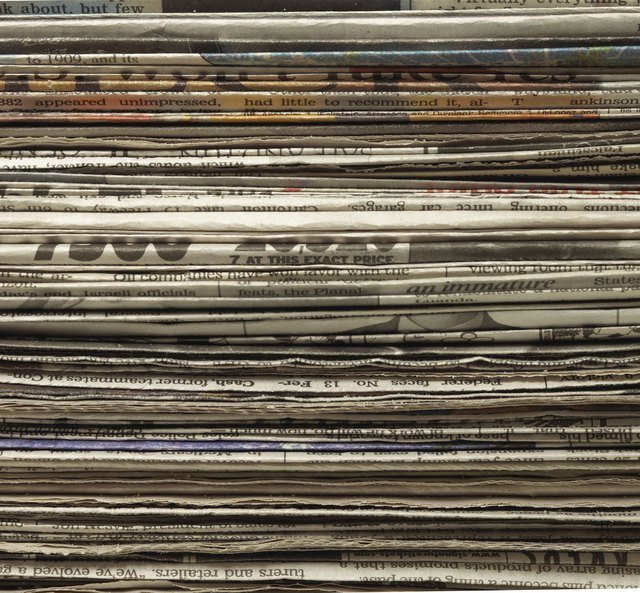
Canvas works especially well because it is lightweight, easy to hang, and available in many sizes. Newspaper is thin, flexible, and full of texture, typography, photographs, columns, dates, ads, comic strips, and local flavor. In other words, it already has personality. Your job is to give that personality a place to live.
The most popular approach is to use a decoupage glue such as Mod Podge, matte medium, or another water-based craft adhesive. These products act as glue, sealer, and finish. Some artists prefer acrylic gel medium for collage because it offers strong adhesion and works well with mixed-media painting. For beginners, a matte or satin decoupage medium is usually the easiest choice.
Supplies You Need
You do not need a studio full of mysterious jars to make newspaper canvas art. Most supplies are easy to find at craft stores, art stores, or in that one drawer where old scissors go to retire.
Basic Materials
- Stretched canvas or canvas panel
- Newspaper pages, clippings, headlines, comics, or printed text
- Decoupage medium, matte medium, or acrylic gel medium
- Foam brush or soft flat paintbrush
- Scissors or craft knife
- Plastic card, brayer, or clean fingers for smoothing
- Wax paper, parchment paper, or plastic wrap
- Paper towels or a lint-free cloth
- Acrylic paint, optional
- Clear sealer, optional
Choosing the Right Canvas
A stretched canvas gives your project a classic gallery look, while a canvas panel is flatter, sturdier, and easier for beginners to handle. If you plan to use many wet layers or thick embellishments, a canvas panel or wood panel may be more stable. Stretched canvas has a little bounce, which is charming until you are pressing down on wet newspaper and the center behaves like a trampoline for ants.
Choosing the Right Newspaper
Fresh newspaper is flexible and easy to tear. Older newspaper may be brittle, yellowed, or fragile, especially if it has been exposed to heat or sunlight. That aged look can be beautiful, but it also means you need to handle the paper gently. If the clipping is rare, sentimental, or historically important, make a photocopy or scan-and-print version instead of using the original. Newspaper naturally yellows over time, so do not treat it like museum-grade paper unless you have taken preservation steps.
Before You Start: Plan the Look
Newspaper decoupage can go in many directions. Before opening the glue, decide what kind of finished canvas you want. A little planning prevents your artwork from looking like your recycling bin sneezed.
Popular Design Ideas
- Full background: Cover the entire canvas with overlapping newspaper pieces, then paint or stencil over it.
- Headline focus: Place one meaningful headline or date in a visible spot and build around it.
- Black-and-white collage: Use only text-heavy sections for a clean, graphic look.
- Comic strip canvas: Use Sunday comics or illustrated panels for a playful design.
- Travel or city theme: Combine newspaper with maps, ticket stubs, stamps, or photos.
- Mixed-media portrait: Use newspaper as the base layer, then paint a silhouette, face, flower, animal, or abstract shape on top.
Dry Layout First
Arrange your newspaper pieces on the dry canvas before adding adhesive. Move pieces around until the balance feels right. Mix large blocks of text with smaller torn strips. Turn some pieces sideways. Let a headline peek out. Hide awkward ads unless you want your elegant wall art to accidentally promote discount meatballs.
How to Decoupage Newspaper on Canvas Step by Step
Step 1: Protect Your Workspace
Cover your table with wax paper, parchment paper, a plastic tablecloth, or old cardboard. Decoupage medium is usually water-based and easy to clean while wet, but it still enjoys migrating to places you did not invite it. Keep a damp cloth nearby so you can wipe your hands, brushes, and canvas edges as you work.
Step 2: Prepare the Canvas
If your canvas is already primed, you can start right away. Most store-bought canvases are pre-primed with gesso. If the surface feels dusty, wipe it with a dry cloth. If you want a background color, paint the canvas with acrylic paint and let it dry completely before adding newspaper.
A white background keeps newspaper bright. A beige, gray, black, or muted color background can create a vintage or dramatic effect. If you want the edges to look finished, paint the sides of the canvas before applying paper. This small step makes the final piece look intentional instead of “I stopped when I ran out of patience.”
Step 3: Cut or Tear the Newspaper
Cut pieces for clean edges or tear them for a softer, handmade look. Torn edges blend beautifully because they do not form harsh lines. For a layered collage, tear a variety of sizes: large rectangles, narrow strips, small text blocks, and interesting words. Avoid using pieces that are too large at first, because big sheets wrinkle more easily on canvas.
If you are using a special clipping, trim it carefully and keep it dry until the moment you apply it. You can also lightly coat the front and back of delicate clippings with a thin layer of medium and let them dry before final application. This can make fragile paper easier to handle, although it may slightly change the texture or sheen.
Step 4: Apply a Thin Layer of Decoupage Medium
Dip your foam brush or soft brush into the decoupage medium and apply a thin, even coat to a small area of the canvas. Work in sections rather than covering the whole canvas at once. Newspaper absorbs moisture quickly, and if your glue dries before the paper lands, things can get fussy.
Use enough medium to make the canvas tacky and wet, but not so much that it forms puddles. Too little adhesive causes lifting edges. Too much adhesive creates wrinkles, softens the paper too aggressively, and may smear ink. Aim for “smooth peanut butter on toast,” not “frosting a birthday cake with emotional issues.”
Step 5: Place the Newspaper
Lay the newspaper piece onto the wet medium. Start at the center of the piece and gently smooth outward toward the edges. This pushes trapped air away from the middle and reduces bubbles. Use your fingers, a plastic card, a brayer, or a piece of plastic wrap between your hand and the newspaper.
Plastic wrap is especially useful because it lets you press without sticking to the damp surface. Be gentle. Wet newspaper can tear if you scrub it like a dirty pan.
Step 6: Add Medium Over the Top
Once the newspaper is in place, brush a thin layer of decoupage medium over the top. Use light strokes and avoid overworking the same area. Some ink may move slightly, especially with very fresh newspaper or heavy brushing. If you see smearing, stop brushing and let the layer dry before continuing.
Repeat the process: medium under the paper, newspaper on top, smooth outward, medium over the paper. Overlap pieces slightly so the canvas underneath does not show unless that is part of your design.
Step 7: Cover the Edges
For a finished gallery look, wrap newspaper pieces around the sides of the canvas. Apply medium to the side edge, fold the paper around, smooth it down, and seal over it. At the corners, trim excess paper or fold it neatly like wrapping a tiny gift for someone who really loves typography.
If you prefer clean painted edges, stop the newspaper at the front face of the canvas and leave the sides painted. Both options look good; the better choice depends on your design.
Step 8: Let It Dry Completely
Let the canvas dry flat. Drying time depends on the medium, room temperature, humidity, and how many layers you used. A thin layer may feel dry within an hour, but thicker projects need longer. Do not rush the next layer. If you seal over trapped moisture, the surface can stay cloudy or tacky.
Step 9: Add Paint, Stencils, or Embellishments
Once the newspaper layer is dry, you can leave it as-is or add more personality. Acrylic paint works well over sealed newspaper. Try painting a bold silhouette, adding a quote, stenciling letters, dry-brushing white paint over the surface, or adding metallic accents.
You can also use stamps, ink, markers, tissue paper, magazine cutouts, pressed leaves, or fabric scraps. Just remember that heavy objects may not adhere well to flexible stretched canvas. For bulky mixed-media pieces, a rigid panel is safer.
Step 10: Seal the Finished Canvas
Apply one to three thin topcoats of decoupage medium or clear acrylic sealer. Let each coat dry before adding the next. A matte finish keeps the newspaper looking soft and vintage. A gloss finish makes the surface shiny and more vibrant. Satin sits comfortably in the middle, like the reasonable cousin at a family dinner.
If using a spray sealer, follow the product directions, spray outdoors or in a very well-ventilated area, and ask an adult for help if needed. Keep the spray light and even. Heavy spray can darken paper or create sticky patches.
How to Prevent Wrinkles, Bubbles, and Ink Smears
Use Thin Layers
The biggest secret to smooth newspaper decoupage is restraint. Thin layers of adhesive give you more control. Thick glue may seem helpful, but newspaper absorbs moisture fast and can buckle. Apply just enough medium to bond the paper.
Work From the Center Out
Always smooth from the center toward the edges. This simple motion pushes air bubbles outward before they become permanent little mountains. A brayer is excellent for larger pieces, but your fingers work fine for small sections.
Avoid Over-Brushing
Newspaper ink can smear when it gets too wet or when you brush repeatedly over the same area. Use light strokes, then leave it alone. The urge to keep fixing one tiny wrinkle is strong. Resist it. Crafting rewards patience, not panic brushing.
Test First
Different newspapers behave differently. Some ink is more likely to bleed. Some paper is thinner. Some clippings are already fragile. Test a small piece with your chosen medium before committing to the final canvas, especially if the newspaper has sentimental value.
Creative Variations for Newspaper Canvas Art
Vintage Background With Whitewash
Cover the canvas with newspaper, let it dry, then brush a very thin layer of watered-down white acrylic paint over the surface. Wipe some paint away with a cloth while it is still wet. This creates a faded, aged look where the text shows through softly.
Bold Quote Canvas
Use newspaper as the background and paint a short quote over it in black, white, or metallic acrylic. Choose a quote with strong contrast and keep the lettering large enough to read from a distance. Newspaper adds texture, but the message should still be the star.
City Map and Newspaper Collage
Combine newspaper with printed maps, transit tickets, postcards, or photographs. This works beautifully for travel memories, hometown art, or a gift for someone moving to a new city. Add a date, place name, or coordinates for a personal touch.
Black-and-White Minimalist Canvas
Use only text columns, avoiding photos and ads. Align the pieces in neat rows or grids. Then add one simple painted shape, such as a circle, heart, bird, skyline, or botanical silhouette. The clean typography gives the artwork a modern editorial feel.
Common Mistakes to Avoid
Using Too Much Glue
Too much adhesive is the classic beginner mistake. It causes bubbling, tearing, smearing, and long drying times. Multiple thin coats are better than one gloopy coat.
Skipping the Dry Layout
Once the newspaper touches wet medium, repositioning gets risky. A dry layout helps you see the design before glue joins the conversation.
Using Important Originals
If the newspaper is valuable, rare, or emotionally important, use a copy. Original newsprint can yellow, crack, and degrade over time. A high-quality copy gives you the look without sacrificing the keepsake.
Hanging the Canvas in Direct Sunlight
Sunlight can fade ink and speed up yellowing. Hang your finished newspaper canvas away from strong direct light, damp rooms, and heat sources. Your art deserves better than being slowly toasted by a window.
Care and Display Tips
After sealing, let your canvas cure according to the product directions before hanging it. Avoid stacking heavy objects on top of it, especially if the finish still feels soft. Dust gently with a dry microfiber cloth. Do not scrub the surface with water or household cleaners.
For a longer-lasting piece, choose a location with stable temperature and moderate humidity. Bathrooms and steamy kitchens are not ideal for newspaper decoupage because moisture can affect paper and adhesive. A living room, hallway, bedroom, studio wall, or office is a better home.
If you are selling newspaper canvas art, be thoughtful about copyrighted images, articles, comics, logos, and photographs. For personal crafts, using newspaper is usually simple. For commercial work, original artwork, public-domain material, licensed imagery, or your own scanned text designs may be safer choices.
Experience Notes: What I’ve Learned From Decoupaging Newspaper on Canvas
The first thing you learn when decoupaging newspaper on canvas is that newspaper has a personality. It is not stiff like cardstock or obedient like scrapbook paper. It wrinkles if you bully it, tears if you overwork it, and smears if you treat wet ink like it is invincible. But once you understand its quirks, it becomes one of the most expressive collage materials you can use.
One useful experience is to start smaller than your ambition. A giant 24-by-36-inch newspaper canvas sounds dramatic and impressive until you are surrounded by wet strips, sticky fingers, and a headline that has attached itself to your elbow. A small canvas, such as 8-by-10 or 11-by-14 inches, is perfect for practicing. You can test your glue, learn how the newspaper reacts, and figure out whether you prefer torn edges or clean cuts.
Another lesson is that the background matters more than beginners expect. If the canvas is bright white, the newspaper looks crisp and graphic. If the canvas is painted tan, gray, or cream first, the final artwork feels warmer and more vintage. If the canvas is painted black, small gaps between paper pieces look intentional instead of accidental. That tiny planning choice can save a project from looking unfinished.
I have also found that torn newspaper edges are more forgiving than scissor-cut edges. Straight cuts can look great in a grid or modern design, but they reveal every slight misalignment. Torn edges overlap softly and create texture. They also make the project feel handmade in the best way, like something discovered in an old studio rather than printed by a machine.
When smoothing newspaper, gentle pressure wins. A plastic card works well, but it should glide, not scrape. If a bubble appears, press it toward the nearest edge while the adhesive is wet. If the paper starts to tear, stop immediately and let it dry. You can often disguise a small tear later with another strip of newspaper, a bit of paint, or a strategically placed word. In collage, “mistake” is sometimes just a fancy word for “future design feature.”
One of the best creative tricks is to hide meaningful words in the composition. You can place words like “home,” “dream,” “garden,” “music,” or a city name somewhere in the collage. Viewers may not notice them at first, but the artwork becomes more personal. For gifts, this is especially powerful. A canvas made with a birth announcement, wedding date, school article, sports clipping, or local headline can feel thoughtful without becoming overly sentimental.
Finally, sealing is where patience pays off. A project may look finished after the first topcoat, but two or three thin coats usually create a more durable surface. Let each coat dry fully. Do not add a thick final coat hoping it will magically make everything professional. It will more likely make the surface cloudy, streaky, or sticky. Thin, even layers are the quiet heroes of decoupage.
The beauty of newspaper decoupage is that it welcomes imperfection. Slight wrinkles add age. Uneven edges add movement. Layered text creates visual rhythm. The finished canvas does not need to look factory-perfect; it should look alive. That is why this craft remains so satisfying: it turns ordinary paper into art with history, texture, and a little delightful chaos.
Conclusion
Learning how to decoupage newspaper on canvas is an easy way to create meaningful, affordable, and stylish wall art. With a canvas, a stack of newspaper, a brush, and the right decoupage medium, you can build a vintage background, a modern collage, a personalized keepsake, or a mixed-media artwork that looks far more impressive than the supply list suggests.
The keys are simple: prepare the canvas, plan your layout, use thin layers of adhesive, smooth from the center outward, let each layer dry, and seal the finished piece. Once you get comfortable, you can experiment with acrylic paint, stencils, quotes, maps, photos, and textured layers. Newspaper may be humble, but on canvas, it has serious main-character energy.
Note: This article is written for web publishing and synthesizes practical craft, art-material, and paper-care guidance into original, reader-friendly instructions.

