
Skincare
This Afro-Latina Designer Believes in Infusing Culture Into Design
Aug
Great interior design is not just about finding the perfect sofa, choosing a paint color with a name like “Urban Fog at Dawn,” or pretending throw pillows are a personality. At its best, design is memory made visible. It is the smell of Sunday cooking translated into a warm kitchen. It is a grandmother’s textile pattern reborn as wall art. It is a neighborhood’s rhythm echoed in color, texture, wood, metal, and light.
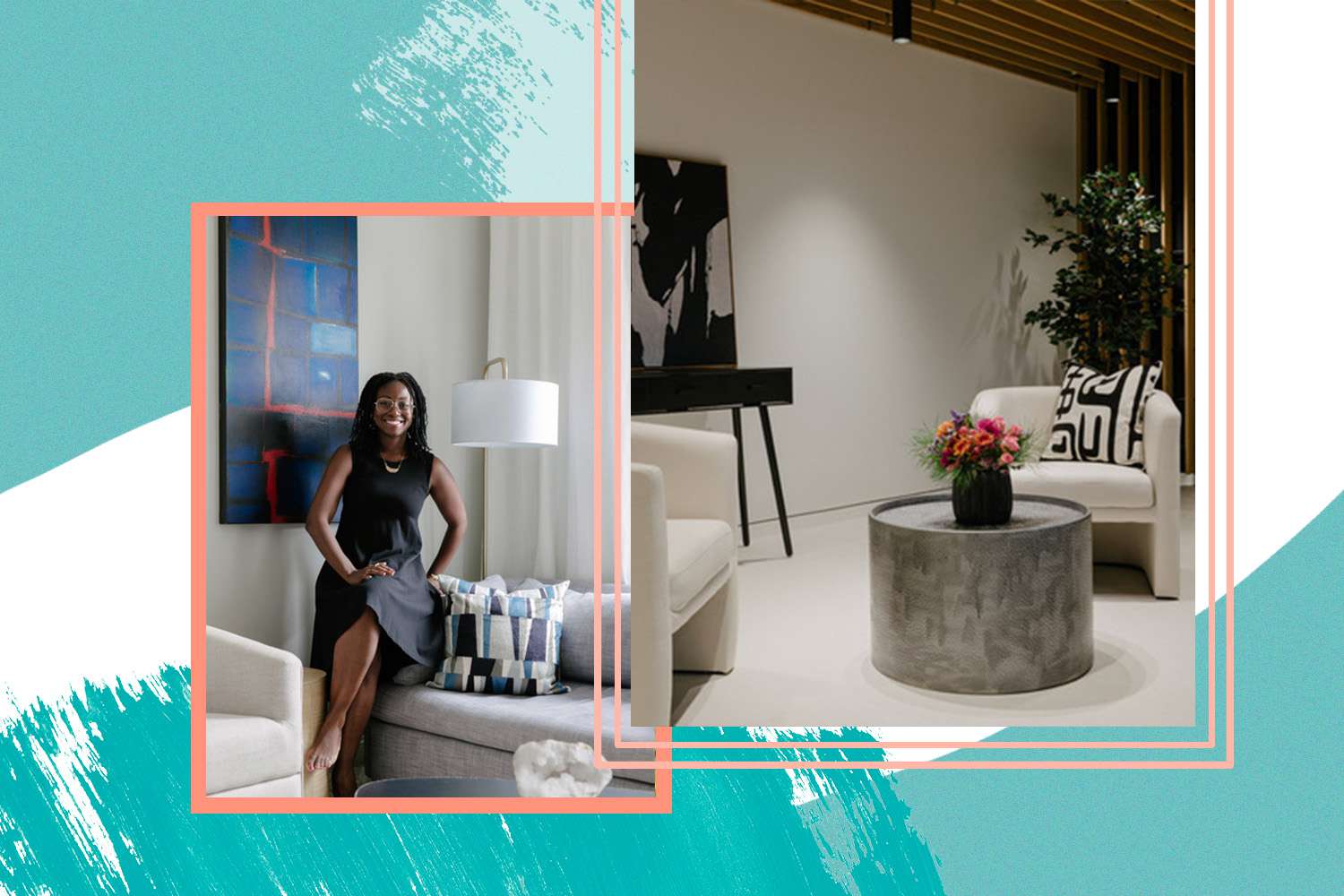
That idea sits at the heart of the work of Shareen Bailey, an Afro-Latina interior designer and founder of Green Shareen Design, a Harlem-based firm known for thoughtful, eco-conscious, highly personal spaces. Bailey’s approach shows that culture is not decoration sprinkled on top at the last minute. Culture is the blueprint. It guides the mood, the materials, the story, and the way a room makes people feel when they walk in and quietly think, “Yes, this place gets me.”
In a design world that has often centered a narrow definition of luxury, Afro-Latina designers bring something urgently needed: layered identity, community knowledge, ancestral references, sustainability, and a refusal to make homes look like anonymous hotel lobbies. Bailey’s work reminds us that beautiful spaces can be elegant, functional, and deeply rooted all at once. Imagine a room wearing good jewelry and also knowing its family history. That is the energy.
Who Is Shareen Bailey?
Shareen Bailey is a New York designer of Panamanian descent whose professional path blends business sense, creative instinct, and a love for spaces that feel alive. As the owner and principal designer behind Green Shareen Design and Salt & Light Design Co., she has worked across residential, commercial, hospitality, nonprofit, and business interiors. Her background also includes experience in fashion, graphics, and interior design, which helps explain why her spaces often feel composed rather than merely furnished.
Bailey is especially known for designing with a practical understanding of how people actually use space. A commercial interior, for example, cannot simply be pretty. It must welcome customers, support staff, photograph well, handle traffic, reflect the brand, and survive the occasional person who treats furniture like gym equipment. A home, on the other hand, must support routines, rest, family, work, guests, and the mysterious human habit of owning too many charging cables.
Her design philosophy is rooted in emotion. Rather than beginning with trends, Bailey often begins with meaning: What feeling should this room create? What story should it carry? What matters to the client? That is why her work feels connected to people instead of floating in from a catalog. She mixes modern, contemporary, midcentury, and vintage references, using each style like an ingredient rather than a rulebook.
Why Culture Belongs in Interior Design
Culture in design is sometimes misunderstood as a color palette or a few symbolic objects on a shelf. But for Afro-Latina designers, culture can be much more powerful than that. It can shape how a space supports gathering, privacy, celebration, food, music, ritual, business, and memory. It can influence whether a dining room invites long conversations, whether a waiting room feels dignified, or whether a boutique tells customers they are entering a place with a soul.
Afro-Latina identity itself is layered. It carries the histories of African diasporic experience and Latin American heritage, often alongside Indigenous, Caribbean, and immigrant influences. In design, that layering can become a rich visual language. It may appear through handmade textiles, sculptural silhouettes, natural materials, warm woods, bold artwork, rhythmic patterns, or references to the landscapes and traditions of Panama, Puerto Rico, the Dominican Republic, Cuba, Colombia, Brazil, or other parts of Latin America and the Caribbean.
Bailey has spoken about the joy of bringing rich culture into design. She has also noted her appreciation for Panamanian mola designs appearing in elevated design spaces. Mola textiles, traditionally associated with Guna women of Panama, are famous for layered fabric work, bold color, intricate forms, and visual storytelling. In an interior, references like these can do more than add pattern. They can honor artistry, women’s creative labor, cultural survival, and the beauty of handmade traditions.
Design as Storytelling, Not Set Dressing
The difference between culturally inspired design and lazy theme-room decorating is respect. A thoughtful designer does not throw a palm print on the wall and declare the project “Caribbean.” That is not design; that is a vacation brochure having a nervous breakdown. Real cultural design asks better questions. Who made this object? What does this pattern mean? Is this material connected to a community? Is the reference personal to the client, the designer, or the place?
Bailey’s approach is collaborative, which matters. She works with local woodworkers, carpenters, muralists, and small business owners. That kind of collaboration keeps design grounded in real communities rather than detached from them. It also helps clients receive spaces with custom character, not just products selected because they were on page four of a showroom catalog.
When local makers are included, a project gains depth. A custom banquette can reflect the exact needs of a restaurant. A mural can speak to a neighborhood’s history. A handcrafted table can become the piece everyone touches, gathers around, and remembers. These details are not just “nice.” They are how design becomes place-specific and emotionally durable.
The Power of Designing From Harlem
Harlem is not a neutral backdrop in Bailey’s story. It is a cultural landmark with deep ties to Black creativity, music, literature, entrepreneurship, activism, and style. To design from Harlem is to work within a living archive of reinvention. The neighborhood has long understood what mainstream design is finally catching up to: beauty does not require permission.
A Harlem-based Afro-Latina designer carries a unique point of view. Bailey’s work exists at the intersection of Black cultural expression, Latin heritage, New York practicality, and entrepreneurial ambition. That combination matters in residential projects, but it is especially powerful in commercial spaces, where design can help small businesses look established, professional, welcoming, and unforgettable.
For business owners, a well-designed space can change how customers behave. A spa can feel more calming. A café can encourage people to linger. A boutique can create a sense of discovery. A nonprofit office can feel more human and less like a waiting room for paperwork. Bailey’s commercial design experience shows that culture and strategy are not opposites. In fact, they often work best when they sit at the same table.
Eco-Conscious Design With Personality
The “Green” in Green Shareen Design is not just a cute nickname waiting for a logo. Bailey is associated with sustainable living and eco-conscious design. This matters because sustainability in interiors is no longer a niche preference for people who own six reusable water bottles and judge your paper towels. It is becoming a serious part of how designers think about materials, sourcing, longevity, and waste.
Eco-conscious design does not have to look plain, beige, or aggressively oatmeal. It can be colorful, layered, glamorous, and culturally expressive. Sustainable choices might include vintage pieces, custom furniture built to last, low-waste sourcing, durable upholstery, responsible woodwork, or simply designing a room so well that the client does not feel the urge to replace everything in two years.
Bailey’s mix of vintage character, modern structure, and custom collaboration fits naturally with this mindset. Vintage pieces keep useful objects in circulation. Local makers reduce the distance between design and production. Custom work can solve problems more precisely than mass-produced furniture. The result is not only more sustainable, but often more interesting. A room with a little history usually beats a room that looks like it was assembled by a very stylish robot.
Representation in the Interior Design Industry
Bailey’s visibility also matters because interior design has not always offered equal space to Black, Afro-Latina, and Latinx creatives. The industry is growing, and professional organizations such as ASID have reported continuing business development, increased employment measures, and the importance of small firms. Yet representation remains a major conversation, especially when design media, luxury branding, and high-end showrooms have historically elevated a narrow group of voices.
Afro-Latina designers challenge that imbalance by bringing lived experience into spaces that have often treated culture as a trend instead of a foundation. Their work asks clients, editors, brands, and homeowners to expand what “timeless” can mean. Timeless does not have to mean white walls, pale linen, and one lonely olive tree in a corner. Timeless can mean ancestral craft, saturated color, meaningful objects, hand-built furniture, and rooms that actually sound like the people who live in them.
Representation also changes what young designers imagine for themselves. When an Afro-Latina student sees someone like Bailey building a firm, managing projects, collaborating with artisans, and designing spaces for real clients, the path becomes more visible. Visibility does not solve every barrier, but it does open a door. And in design, doors are importantespecially when they have good hardware.
How Afro-Latina Heritage Can Shape a Room
Infusing culture into design does not mean every room must shout. Sometimes the cultural reference is bold: a mural, a patterned textile, a dramatic color story, or art that centers Black and Latinx identity. Other times, the reference is quiet: a family photograph, a handmade ceramic bowl, a woven texture, a wood tone that recalls a childhood home, or a seating arrangement built around conversation and hospitality.
Afro-Latina design can also embrace contrast. A space might combine clean architectural lines with a vintage cabinet, a modern light fixture with a handmade textile, or a neutral wall with art that carries emotional weight. This is where Bailey’s mixed-style approach feels especially relevant. Culture itself is not one-note, so the room should not be either.
Color as Memory
Color can carry cultural memory. Earthy terracotta may suggest clay, heat, and handmade vessels. Deep green can recall tropical landscapes or urban gardens. Black can feel elegant, grounding, and powerful when used intentionally. Gold, rust, indigo, coral, and ochre can bring warmth without turning the room into a carnival float. The key is balance: color should create mood, not mug the furniture.
Pattern as Language
Pattern is one of the most direct ways to bring cultural storytelling into interiors. Panamanian mola-inspired geometry, Caribbean rhythm, African diasporic motifs, and Latin American craft traditions can influence rugs, pillows, upholstery, murals, and art placement. But ethical use matters. Designers should prioritize authentic sourcing, proper credit, and personal relevance over copying sacred or community-specific designs for quick visual drama.
Objects as Anchors
Objects can anchor a space emotionally. A handmade bowl, inherited chair, framed textile, or locally commissioned painting can do more for a room than a dozen generic accessories. These pieces give people something to talk about. They invite questions. They hold memory. They also prevent the tragic design condition known as “showroom perfection,” where everything looks expensive and nothing looks loved.
Commercial Design With Cultural Intelligence
Bailey’s work with business owners points to a larger truth: commercial spaces need cultural intelligence. A restaurant, spa, boutique, or office is not simply a container for transactions. It is an experience. Customers notice how a place makes them feel before they notice the exact shade of the wall. They may not say, “Excellent millwork proportions,” but they will say, “I love it in here.”
For women-owned businesses and local entrepreneurs, design can become a form of growth. A strong interior can help a business communicate its values instantly. Is the brand calm and restorative? Bold and luxurious? Community-centered? Artistic? Family-friendly? High-end but not cold? Every decisionfrom lighting temperature to seating layoutanswers those questions.
This is where Bailey’s business background becomes an asset. Interior design is not only creative; it is logistical. Budgets, vendors, timelines, contractors, permits, measurements, and client expectations all have to behave, preferably at the same time. A designer who understands both beauty and business can help clients avoid expensive mistakes while creating a space that supports long-term goals.
What Homeowners Can Learn From Bailey’s Approach
You do not need a full renovation to apply the lesson behind Bailey’s work. Start by asking what story your space tells right now. Does it reflect your family, values, travels, culture, creativity, or daily rituals? Or does it mostly say, “I panicked during a furniture sale”? No judgmentmany of us have been emotionally defeated by a discount code.
Begin with meaning. Choose one room and identify the feeling you want: restful, joyful, grounded, social, focused, romantic, professional, or playful. Then select materials, colors, and objects that support that feeling. A reading corner might need soft lighting, a family textile, and a comfortable chair. A dining room might need art that sparks conversation. A home office might need storage, better lighting, and a background that does not make video calls look like hostage footage.
Next, bring in personal culture with intention. Frame a textile. Display pottery from a local maker. Reupholster a chair instead of replacing it. Commission art from someone in your community. Use family photographs in a modern way. Choose colors connected to memory, not just trend forecasts. The goal is not to make a museum of your identity. The goal is to create a space where your life feels welcome.
The Bigger Lesson: Design Should Feel Human
The most compelling part of Bailey’s design philosophy is its humanity. She is not simply arranging furniture; she is creating emotional environments. Her work sits within a broader movement of Black, Afro-Latina, and Latinx designers who are asking the industry to value heritage, collaboration, sustainability, and community as much as it values polish.
That shift is good for everyone. Culture-rich design does not exclude minimalism, luxury, or modernity. It expands them. It says a sleek room can still have a heartbeat. It says a commercial space can be strategic and soulful. It says sustainability can have style. It says heritage can be contemporary. Most importantly, it says people deserve spaces that recognize where they come from and support where they are going.
Experiences and Reflections: Living With Culture-Infused Design
One of the most powerful experiences related to culture-infused design is the moment a person recognizes themselves in a room. This recognition is subtle but unforgettable. It might happen when someone sees a woven pattern that reminds them of a family home, hears music playing softly in a restaurant that respects the neighborhood’s roots, or sits in a waiting room where the art does not feel random. Suddenly, the space is not just attractive. It is speaking.
In many homes, cultural design begins accidentally. A family brings back a textile from a trip. A parent saves a wooden chair from an older relative. Someone frames a market print, a festival poster, a handwritten recipe, or a piece of embroidery. At first, these objects may not be considered “design.” They are simply things people love. But over time, they become the emotional center of a room. A designer like Bailey understands how to elevate those pieces so they feel intentional rather than tucked away like sentimental clutter.
Another common experience is discovering that culture can solve design problems. For example, families who gather often may need flexible seating, durable surfaces, and dining spaces that invite people to stay. That is not just a layout issue; it reflects a cultural value around hospitality. In many Afro-Latinx and Caribbean households, food, music, conversation, and extended family are central to home life. A beautiful room that cannot handle guests is like a gorgeous shoe you cannot walk indramatic, but ultimately suspicious.
Business owners experience culture-infused design differently. For them, design can become a public introduction. A spa that incorporates warm materials, handmade details, and calming cultural references tells clients they are entering a restorative environment with identity. A café that uses local art and custom furniture tells customers it belongs to the neighborhood. A boutique that supports women-owned vendors tells shoppers that every purchase carries a wider story. These experiences create loyalty because people remember how a place made them feel.
There is also a personal confidence that comes from living or working in a culturally grounded space. Many people have been taught, directly or indirectly, that professional design must be neutral, quiet, and stripped of identity. Culture-infused design challenges that idea. It allows people to bring their full selves into the room without apologizing. It says your grandmother’s colors can sit beside modern lighting. Your heritage can live with clean lines. Your story does not need to be edited out to look sophisticated.
The experience is not always simple. Thoughtful cultural design requires care. It means avoiding stereotypes, respecting sacred symbols, buying from authentic makers when possible, and understanding that not every cultural reference is available for casual use. But this care is part of what makes the result meaningful. When done well, culture-infused design feels generous, intelligent, and alive. It gives a room memory, direction, and emotional texture.
That is why Bailey’s perspective resonates beyond one designer or one city. Her work points toward a future where interiors are not judged only by how photogenic they are, but by how honestly they hold people’s lives. A culture-infused space does not have to be loud. It simply has to be true. And truth, when paired with good lighting and a well-proportioned chair, is very hard to beat.
Conclusion
Shareen Bailey’s design philosophy proves that culture is not an accessoryit is architecture for the soul of a space. As an Afro-Latina designer working from Harlem, she brings together heritage, sustainability, collaboration, business strategy, and emotional storytelling. Her work shows that the future of interior design is not less personal, but more personal; not less rooted, but more connected; not less diverse, but more honest.
Infusing culture into design is not about filling rooms with obvious symbols. It is about listening carefully, sourcing respectfully, honoring memory, and creating spaces that feel specific to the people who use them. Whether in a home, spa, restaurant, office, or boutique, culturally intelligent design helps people feel seen. And in a world full of copy-paste interiors, being seen might be the most luxurious detail of all.

