
Beauty Tools & Accessories
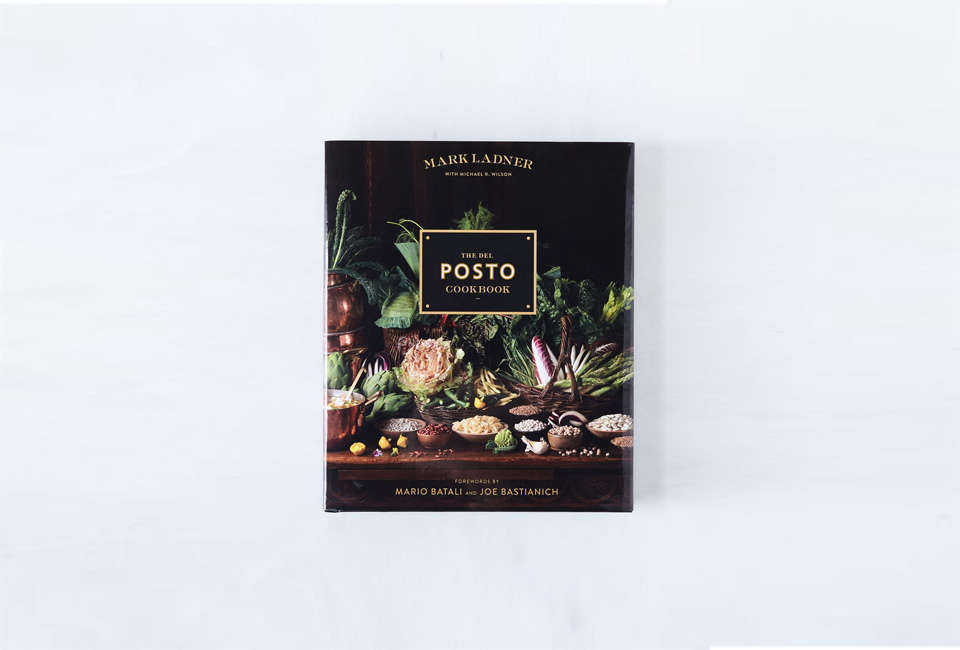
The Del Posto Cookbook
Aug
Some cookbooks politely invite you into the kitchen. The Del Posto Cookbook walks in wearing a tailored dinner jacket, places a 100-layer lasagna on the counter, and asks whether you have cleared your afternoon.
Published in 2016, The Del Posto Cookbook captures the cooking philosophy of chef Mark Ladner during his celebrated tenure at Del Posto, the ambitious Italian fine-dining restaurant that opened in Manhattan in 2005. The restaurant earned major critical recognition, including a four-star review from The New York Times, while Ladner received the James Beard Award for Best Chef: New York City in 2015.
Yet this is not simply a souvenir from an expensive restaurant. Across nearly 100 recipes, Ladner translates the precision, imagination, regional Italian influences, and occasional glorious excess of Del Posto into dishes that determined home cooks can actually attempt. Some require a comfortable relationship with butter. Others require patience normally associated with restoring Renaissance paintings.
The result is one of the more distinctive Italian cookbooks of its era: elegant without being frozen in tradition, technically demanding without becoming completely inaccessible, and serious about food while retaining a mischievous streak.
What Is The Del Posto Cookbook?
The Del Posto Cookbook was released by Grand Central Life & Style on November 1, 2016. The hardcover edition runs 272 pages and centers on recipes developed in the kitchen of Del Posto under executive chef Mark Ladner. Writer Michael R. Wilson is also credited with Ladner in publishing records, while figures associated with the restaurant contributed additional material and perspective.
The cookbook reflects a restaurant built around an unusually ambitious idea: Italian cuisine could receive the same formal treatment, technical refinement, theatrical service, and attention to detail traditionally associated with elite French dining rooms in New York.
That ambition appears everywhere in the book. Familiar Italian ideas remain recognizable, but they are stretched, polished, layered, and occasionally sent through culinary graduate school.
Italian tradition without being trapped by tradition
Ladner’s approach is rooted in Italian regional cooking rather than in novelty for novelty’s sake. Pasta, risotto, braciole, seafood, vegetables, gelato, biscotti, and rustic flavor combinations provide the foundations.
Then things get interesting.
Red wine risotto may arrive with carrot puree. Calamari meets a spicy caper butter sauce. Monkfish gets the piccata treatment. Ricotta and chocolate become a refined tortino. Eggplant Parmesan is reconsidered using small Japanese eggplants and additional layers of texture.
The recipes demonstrate a useful principle for anyone studying modern Italian cooking: innovation works best when the cook understands exactly what is being changed. Del Posto did not discard Italian culinary tradition. It treated tradition as raw material.
The Famous 100-Layer Lasagna
No discussion of The Del Posto Cookbook can avoid its culinary skyscraper: the 100-layer lasagna.
Lasagna is ordinarily one of the most comforting foods on Earth. It practically arrives wearing slippers. Ladner’s version looks at this cozy casserole and apparently asks, “What if architecture were involved?”
The dish relies on exceptionally thin sheets of pasta stacked into a remarkably tall, precise structure. The appeal is not merely visual. Many delicate layers change the ratio between pasta, sauce, filling, browned edges, and interior texture. Instead of encountering a handful of thick noodle sheets, the diner experiences repeated fine layers that almost merge into one luxurious whole.
It is exactly the sort of recipe that explains the cookbook’s personality. A familiar Italian-American idea becomes a technical challenge, but the objective remains deliciousness rather than culinary stunt work.
Should a beginner make it first?
Probably not.
Starting with the 100-layer lasagna is roughly equivalent to buying your first pair of running shoes and immediately entering an ultramarathon. Possible? Technically. Relaxing? Absolutely not.
New readers are better served by exploring sauces, vegetable preparations, simpler pastas, garnishes, and individual techniques before attempting the cookbook’s headline act.
Pasta Is Where Mark Ladner’s Style Really Shines
Ladner developed a formidable reputation for pasta during his New York career, and The Del Posto Cookbook makes clear why. The recipes demonstrate that exceptional pasta is less about piling ingredients onto noodles and more about controlling texture, seasoning, sauce consistency, and the final marriage between pasta and sauce.
That last step matters enormously. Pasta should generally finish cooking with its sauce rather than being treated as a dry carbohydrate waiting for something wet to be poured over it. Starchy pasta water, fat, cheese, heat, and vigorous movement help create an emulsion that clings naturally to every piece.
The book’s pasta dishes range from recognizably traditional preparations to combinations such as spaghetti with Dungeness crab and jalapeño or orecchiette with red lamb sausage and carrot puree.
These dishes demonstrate one of the cookbook’s strongest qualities: unexpected ingredients rarely appear random. Heat, sweetness, acidity, richness, salt, and texture are carefully balanced.
A cookbook that teaches systems, not just recipes
Serious cooks can learn more from the book than how to reproduce specific Del Posto dishes. Pay attention to how components are constructed and reused: purees, flavored oils, breadcrumbs, sauces, pasta doughs, braises, garnishes, and concentrated vegetable preparations.
This is restaurant thinking made visible.
Once you understand those building blocks, you can borrow them without reproducing an entire recipe. A seasoned breadcrumb technique might improve Tuesday night’s vegetables. A puree could become the foundation of another pasta. A sauce method may transform fish you already cook regularly.
In that sense, the cookbook becomes more valuable as your skill increases.
It Is Ambitious, but Surprisingly Home-Kitchen Friendly
Restaurant cookbooks have a recurring problem. Professional chefs sometimes write recipes as though every reader keeps six burners roaring, owns seventeen saucepans, employs two prep cooks, and has a walk-in refrigerator behind the laundry room.
The Del Posto Cookbook certainly contains complicated recipes, but contemporary reviewers repeatedly noted that the instructions were unusually conscious of home cooks. Serving quantities are sensible, substitutions and sourcing issues receive attention, and multi-component preparations are organized more logically than in many chef-driven books.
That does not make the cooking quick.
Some recipes involve multiple pots, separate garnishes, homemade components, resting periods, careful reductions, or several hours of work. This is weekend cooking, dinner-party cooking, birthday cooking, “I bought this pasta machine and everybody is going to hear about it” cooking.
But difficulty and impracticality are not the same thing. The recipes generally have a purpose behind their extra steps.
The Desserts Deserve More Attention
Readers who arrive for pasta may be surprised by how much attention the cookbook gives to dessert. A substantial portion explores dolci, gelati, cookies, tortes, and other sweets.
The dessert section continues Del Posto’s broader philosophy: recognizable Italian flavors can be refined without losing their emotional appeal.
Ricotta, chocolate, nuts, fruit, ice cream, pastry, and even unconventional combinations appear in carefully composed forms. One memorable direction pairs eggplant with chocolate, a combination that may sound as though somebody confused the produce drawer with the dessert cart but has historical roots in southern Italian cooking.
For ambitious bakers and pastry fans, this portion of the book alone offers substantial material for experimentation.
Wine Pairings Make the Book More Complete
Del Posto was famous not only for food but also for its extensive wine program. Appropriately, the cookbook incorporates wine-pairing guidance, with attention to Italian grape varieties and regional compatibility.
This matters because Italian food and Italian wine frequently make more sense together than they do in isolation. Bright acidity can balance rich pasta. Tannins can complement slow-cooked meat. Mineral whites can work beautifully with seafood. Sweet wines can turn dessert into an actual finale instead of merely additional calories wearing formal clothes.
Home cooks do not need an enormous cellar to benefit from these recommendations. The larger lesson is to think about the meal as a complete experience rather than treating beverages as an afterthought.
The Photography Is Deliberately Dramatic
The visual identity of The Del Posto Cookbook is another reason it stands apart from typical modern cookbooks.
Instead of leaning heavily on casual overhead photography and deliberately messy kitchen scenes, photographer Paulette Tavormina helped give the book a darker, richer, more formal visual language inspired by historical still-life painting.
Fine china, table linens, elaborate serving pieces, carefully controlled lighting, and highly composed dishes echo the grandeur of Del Posto’s dining room.
The presentation suits the recipes. Nobody spends hours constructing delicate pasta only to photograph it next to a chipped coffee mug and somebody’s car keys.
A Thoughtful Allergen Guide
One of the book’s less glamorous but genuinely useful features is its allergen guide. Publishers Weekly specifically highlighted several pages of charts identifying common allergens associated with the recipes.
That practical detail fits Del Posto’s broader history of taking dietary restrictions seriously. The restaurant’s kitchen developed methods for adapting dishesincluding pastato accommodate diners who required alternatives.
For a sophisticated restaurant cookbook, that degree of attention is significant. Great hospitality is not simply putting expensive ingredients on beautiful plates. It is making sure the person sitting in front of the plate can actually eat them.
Who Should Buy The Del Posto Cookbook?
It is ideal for serious home cooks
If making fresh pasta sounds enjoyable rather than alarming, you are in the target audience. Readers who like understanding restaurant technique, building sauces from scratch, preparing multi-component meals, and spending an afternoon on one remarkable dish will find plenty to explore.
It is useful for culinary students and professionals
The cookbook provides a window into the organizational thinking of a major fine-dining kitchen. Young cooks can study plating, component construction, Italian flavor combinations, pasta technique, menu logic, dessert development, and wine pairing.
It may frustrate cooks seeking 30-minute dinners
If your preferred instruction is “put everything on a sheet pan and come back in 25 minutes,” this may not become your most frequently used cookbook.
That is not a criticism. Different cookbooks have different jobs. The Del Posto Cookbook is designed to expand culinary ability, not rescue Wednesday dinner when everyone is hungry and someone has already opened the cereal box.
Why The Del Posto Cookbook Still Matters
Del Posto itself permanently closed in 2021 after a 16-year run, following the pandemic-era shutdown and subsequent sale of the restaurant space. That gives the cookbook a second identity today.
It is no longer simply a manual for cooking food from an active New York restaurant. It is also a record of a particular period in American fine dining.
The restaurant helped demonstrate that Italian cuisine in the United States could occupy the highest levels of formal dining without becoming vaguely French food with Italian nouns on the menu. Regional Italian ingredients, pasta, risotto, vegetables, seafood, and family recipes could remain recognizable while receiving extraordinary technical attention.
That philosophy has aged better than culinary gimmicks often do because its foundation is durable: master traditional technique, understand why a dish works, improve every component, and innovate from knowledge rather than novelty.
Cooking From The Del Posto Cookbook: A Realistic Home-Kitchen Experience
To understand what owning The Del Posto Cookbook is actually like, imagine planning a Saturday dinner around one of its more elaborate pasta dishes.
The first lesson arrives before the stove is even turned on: read everything. Then read it again. Restaurant-style recipes frequently contain preparations within preparations, and discovering at 7:12 p.m. that your sauce requires something that needed to chill for three hours is an excellent way to develop new vocabulary.
A good approach is to break the recipe into components. Make breadcrumbs earlier. Prepare a puree while the kitchen is quiet. Measure ingredients into small containers. Finish a sauce base before guests arrive. Suddenly, a complicated restaurant dish begins to feel less like one enormous project and more like several manageable little ones.
The pasta lesson changes everyday cooking
The most useful experience may not be the finished dish at all. It may be learning how carefully pasta behaves when you pay attention to details.
You begin noticing the salt level of the water. You reserve pasta water instead of sending it straight down the drain. You finish noodles in the pan. You watch how cheese, butter, sauce, and starch come together. You learn that thirty seconds can separate silky pasta from something that tastes like noodles wearing soup.
After practicing those techniques, ordinary weeknight pasta improves dramatically. That is the hidden value of an ambitious cookbook: the difficult recipes teach habits that make easy recipes better.
You also learn when not to follow the restaurant
Cooking at home eventually teaches another important lesson: you do not have to reproduce every component.
A professional restaurant might need a puree, two garnishes, a flavored oil, a crisp element, a sauce, handmade pasta, and precisely arranged herbs because diners are paying for a complete fine-dining experience.
At home, perhaps the pasta and sauce are enough.
Learning what can be removed without destroying the soul of a dish is an advanced cooking skill. The Del Posto Cookbook provides excellent material for developing it because its recipes expose the architecture of restaurant food so clearly.
The big-project recipes become occasions
Then there are dishes such as the 100-layer lasagna. These should not be approached because you suddenly feel hungry for lasagna at 5:30 p.m.
They are projects.
Invite friends. Open something good to drink. Start early. Accept that flour may eventually appear in rooms where pasta was never made. Take photographs before cutting into your creation because nobody will believe you otherwise.
Even if the result is imperfect, the process teaches precision, patience, organization, and respect for seemingly familiar food. Ordinary lasagna may never look quite so ordinary again.
The book rewards curiosity more than perfection
Perhaps the best way to experience The Del Posto Cookbook is not to treat it as a test. You do not receive a medal for completing every recipe, and Mark Ladner is unlikely to appear unexpectedly in your kitchen to inspect your gnudi.
Use the book as a workshop.
Make one pasta. Borrow one sauce. Try one dessert. Study one plating idea. Learn why a puree is cooked a certain way. Experiment with an Italian wine you have never tried. Attempt the ridiculous lasagna when your confidence becomes dangerously high.
That gradual exploration turns what initially appears to be an intimidating fine-dining cookbook into something much more useful: a culinary education disguised as a collection of recipes.
Conclusion
The Del Posto Cookbook succeeds because it preserves the extravagance of one of New York’s most ambitious Italian restaurants without reducing the book to a glossy museum piece. Mark Ladner and the Del Posto team present Italian cooking as something simultaneously historic and flexible: tradition provides the vocabulary, but cooks are encouraged to construct new sentences.
Yes, some recipes demand time. Yes, the 100-layer lasagna may make your ordinary casserole feel slightly underdressed. And yes, you may eventually own more tiny prep bowls than any reasonable person needs.
But for cooks who want to understand refined Italian cuisine, restaurant-level pasta technique, creative flavor construction, ambitious desserts, wine pairing, and the mechanics of turning familiar food into fine dining, this remains a fascinating cookbook to study as well as cook from.
Editorial note: This independently written article synthesizes factual information and critical perspectives from established U.S. publishing, culinary, restaurant, food-media, wine, and hospitality sources. It does not reproduce source text or recipes.

