
Makeup
The $3 Lysol Cleaner That Finally Removed My Toilet Bowl Rings
Aug
There are few household mysteries more irritating than the toilet bowl ring that keeps coming back like it pays rent. You scrub. You sigh. You flush. And somehow, a few days later, that dingy line is back, lounging around the bowl like it owns the place. For plenty of homeowners, especially those dealing with hard water, toilet bowl rings are not a sign of laziness. They are a chemistry problem wearing a very rude disguise.
That is why a roughly $3 bottle of Lysol toilet bowl cleaner has earned so much attention. It is affordable, easy to find, and designed for the exact kind of stain that makes ordinary bathroom sprays tap out early. If you have been fighting brown, orange, or grayish rings with half-successful DIY tricks and a toilet brush that deserves hazard pay, this kind of cleaner can feel like the first product that finally understands the assignment.
In this guide, we will break down why toilet bowl rings happen, why this Lysol cleaner works better than many general-purpose products, how to use it the smart way, and what to do if your stain is extra stubborn. We will also cover prevention, because the real dream is not just removing the ring once. It is making sure it does not return next week with a sequel.
Why Toilet Bowl Rings Are So Stubborn in the First Place
Before giving all the credit to one cleaner, it helps to understand the enemy. Toilet bowl rings usually form when minerals in water collect around the waterline and stick to the porcelain over time. In homes with hard water, this buildup can include calcium, lime, magnesium, and iron. Translation: your toilet is basically hosting a tiny geology convention.
That is why regular brushing alone often does not solve the problem. You are not just removing fresh grime. You are trying to loosen mineral deposits that have settled, dried, hardened, and decided to become part of the décor. In some cases, what looks like a classic hard-water ring may also include bacterial staining, especially if the ring is pinkish or orange rather than brown or chalky.
The important takeaway is this: toilet bowl rings are not always caused by “dirt” in the usual sense. They are often the result of water chemistry, inconsistent flushing in little-used bathrooms, or buildup that has been slowly forming under the radar. That is why the right toilet bowl cleaner matters. A basic all-purpose bathroom spray may freshen surfaces, but it is not necessarily built to cling to vertical porcelain and tackle stubborn mineral residue.
Hard Water Is the Main Villain
If you live in an area with hard water, you already know the signs. Faucets get cloudy. Shower doors collect a ghostly film. Kettles look crusty. And toilets develop rings that seem immune to motivational speeches. Hard water carries dissolved minerals, and once water evaporates, those minerals are left behind. Over time, that residue layers up into visible staining.
Toilet bowls are especially prone to this because the waterline stays constant. Minerals keep settling in the same place, which is why the stain often forms in a neat, annoying circle. It is less “random bathroom chaos” and more “predictable mineral buildup with a personal grudge.”
Not Every Ring Looks the Same
Brown or rust-colored rings often point to mineral-heavy water or iron. Chalkier stains can lean more toward lime and calcium. Pink or light orange staining may be tied to bacteria thriving in damp areas. That matters because the right solution can vary. A mild vinegar soak may help with lighter buildup, while a stronger commercial toilet bowl cleaner is usually the better move for stains that have been camping out for months.
So, What Is the $3 Lysol Cleaner?
The cleaner most people are talking about is the 24-ounce Lysol toilet bowl cleaner with a clinging gel formula, often sold for around $3 depending on the retailer and current promotions. That price point is part of the appeal. It is not a boutique miracle product with a name that sounds like a startup. It is a mainstream bathroom cleaner that is easy to throw into a cart while buying paper towels and pretending you came to the store for “just one thing.”
What makes it stand out is not just the price. It is the format. A clinging gel toilet bowl cleaner is built to stay where you put it long enough to work on stains instead of sliding immediately into the water. That matters, because toilet bowl rings live on the sides of the bowl and around the waterline. If your cleaner cannot hang on for more than two seconds, it is not exactly bringing its A-game.
Lysol also designs the bottle with an angled neck, which helps you get cleaner under the rim and around hard-to-reach spots. That is not glamorous, but it is practical. And in bathroom cleaning, practical usually beats glamorous by a mile.
Why It Works Better Than a Generic Bathroom Spray
General bathroom sprays are great for counters, handles, and the outside of the toilet. But when it comes to the bowl itself, especially stubborn toilet bowl rings, you want a product that is made for deep bowl cleaning. The Lysol gel formula is better suited to cling, coat, and focus on the exact area where stains live.
In other words, it is less like wiping down a sink and more like spot-treating a mess that has been building up for weeks. That extra staying power is often the difference between “the ring faded a little” and “wait, is that actually gone?”
How to Use Lysol Toilet Bowl Cleaner for Rings the Smart Way
You do not need a ten-step ritual and a playlist titled “Battle Music for Plumbing.” You do, however, need a little patience and a sensible approach.
Step 1: Start with Airflow and Gloves
Open a window or turn on the bathroom fan. Put on gloves. This is not the moment to get casual. Toilet bowl cleaners are useful because they are stronger than a spray-and-wipe product, which also means you should treat them with respect.
Step 2: Flush First
Flush the toilet before applying the cleaner. This helps wet the bowl evenly and clears away anything loose. It also gives the product a cleaner surface to work on.
Step 3: Apply the Gel Under the Rim and Around the Ring
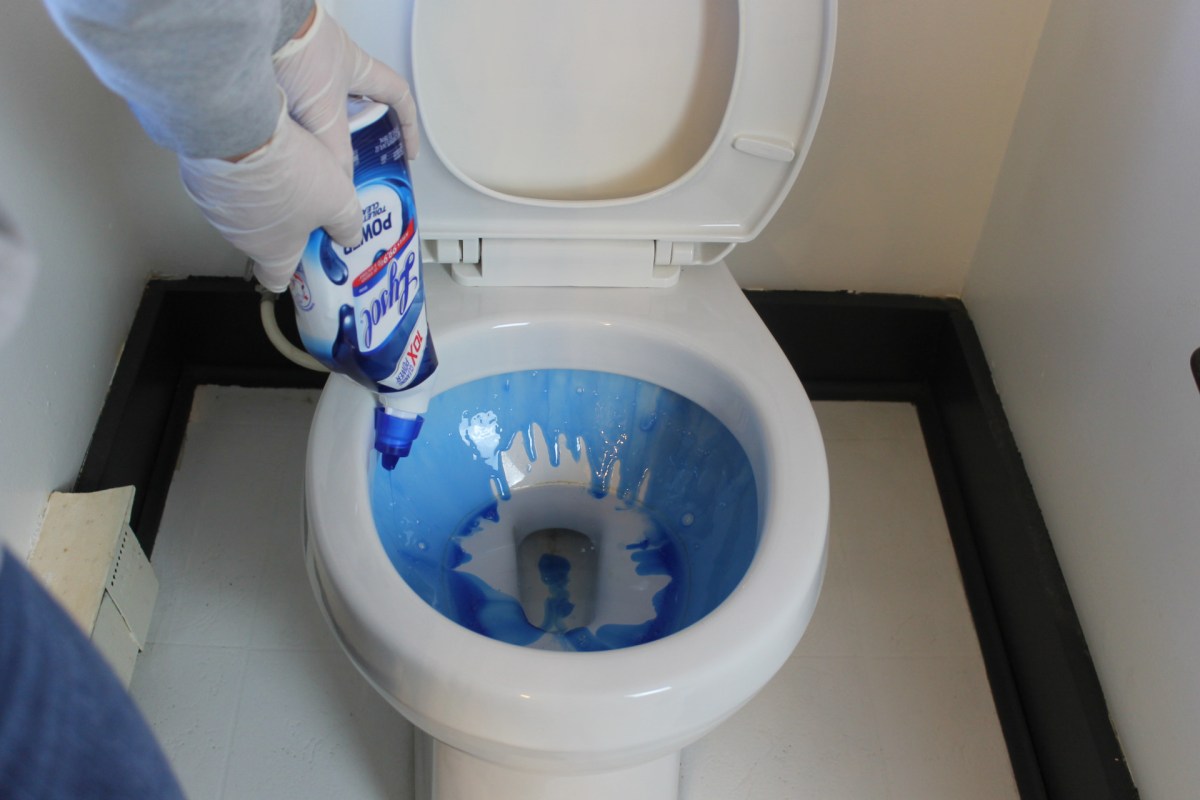
Use the angled bottle to apply the Lysol cleaner under the rim and around the stained area, making sure the ring is coated well. Be generous enough to cover the problem, but do not empty the whole bottle like you are icing a cake.
Step 4: Let It Sit
This is the part many people rush. Do not. Give the cleaner time to cling to the stain and loosen buildup. If you are cleaning for appearance only, a few minutes can make a noticeable difference. If you are also using the product for disinfecting, follow the dwell time listed on the label exactly. The bottle instructions matter more than guesswork.
Step 5: Scrub with a Toilet Brush
After the cleaner has had time to work, scrub the bowl thoroughly, paying special attention to the ring and the area just under the rim. Often, the stain will come off with much less effort than it would with plain brushing alone.
Step 6: Flush and Check the Result
Flush, then take a look before declaring victory. Light or moderate rings may disappear in one round. Older hard-water stains may need a second application. That is normal. It does not mean the cleaner failed. It means the ring had seniority.
What Makes This Cleaner Especially Useful for Hard-Water Rings
There are two big reasons this kind of product performs well on toilet bowl rings. First, it is formulated for bowl stains, not just daily surface cleanup. Second, the gel texture gives it time to work where the stain actually sits. That combination is what makes it feel more effective than DIY methods when buildup has moved beyond the “cute little mark” stage.
For many households, the biggest difference is the reduction in scrubbing. You still need the toilet brush, but you do not feel like you are trying to sand a rock with a toothbrush. The cleaner does more of the heavy lifting, which is exactly what people want when they have already spent too much of their lives staring angrily into a toilet bowl.
The price also matters. When a product costs around $3, expectations are usually modest. You hope for “good enough.” So when it removes a ring that more expensive products, trendy hacks, or homemade mixtures could not fully handle, it feels like a tiny household upset in the best possible way.
What If the Ring Is Still There?
If you have a deeply set mineral ring, one application may not fully erase it. That does not mean you are doomed to a lifetime of toilet embarrassment. It just means you may need one of these backup strategies.
Repeat the Cleaner Once More
Before escalating, try a second round with the Lysol gel. Many tough stains start to break apart after the first treatment and come off more easily during the second.
Use Vinegar for Light Maintenance, Not Heavy Drama
White vinegar is a solid tool for lighter mineral buildup and regular prevention. It can help soften hard-water deposits if you let it sit long enough. But if the ring looks like it has survived three presidential administrations, a stronger commercial bowl cleaner will usually get better results faster.
Try a Wet Pumice Stone Carefully
For truly stubborn mineral rings, some cleaning experts recommend a wet pumice stone as a last-resort scrubbing tool. The key word is wet. Keep both the bowl and the stone wet, and use a light hand. Some experts caution that abrasive tools can scratch porcelain if used carelessly, which may make future staining worse. So go gently, and only after trying the cleaner first.
How to Keep Toilet Bowl Rings from Coming Back
Removing the ring is satisfying. Preventing the next one is smarter. If your toilet bowl ring keeps returning, that usually means your water or your routine is setting the stage for a repeat performance.
Clean at Least Weekly
A quick weekly bowl clean is far easier than tackling a fully formed mineral ring. This is one of those annoying pieces of advice that turns out to be true. Frequent light cleaning really does save time later.
Do Not Neglect Guest Bathrooms
Rarely used toilets are sneaky. Water sits. Minerals settle. Rings form. Even if nobody is using that bathroom daily, flush the toilet regularly and give it attention before it turns into a hard-water time capsule.
Consider Your Water
If stains form fast no matter what you do, your water may be the bigger issue. In hard-water homes, a water softener or other treatment option can reduce mineral buildup throughout the house, not just in the toilet. That will not be the cheapest fix, but it may be the most effective long-term one.
Never Mix Cleaners
This deserves its own section because it is important. Do not mix toilet bowl cleaner with bleach, ammonia, vinegar, or any other cleaner unless the label specifically says it is safe. Flush and rinse thoroughly between products. Mixing cleaners is not a cleaning hack. It is a bad idea with excellent marketing by people on the internet.
Is the $3 Lysol Cleaner Worth It?
If your goal is to remove stubborn toilet bowl rings without spending a fortune, yes, it is a strong buy. It is affordable, widely available, and designed for the exact kind of mineral and grime buildup that makes toilet bowls look dirty even when the rest of the bathroom is spotless.
It is especially worth trying if you have already cycled through random bathroom sprays, baking soda experiments, or hopeful scrubbing sessions that left your arm tired and your toilet only mildly improved. The clinging-gel format is the real advantage. It stays in place, gives the stain time to loosen, and makes the brush do less work.
No cleaner is magic. Ancient buildup may still take more than one round, and truly severe hard-water stains can require maintenance changes beyond the bottle itself. But for an everyday, low-cost solution, this Lysol cleaner earns the hype. In the world of bathroom cleaning, “actually worked” is very high praise.
Real-World Experience: What Using It Actually Feels Like
The experience of using a cleaner like this is surprisingly relatable if you have ever stood in your bathroom wondering why one thin ring can make the whole room look neglected. That is the maddening part about toilet bowl stains: they create a visual effect that is much bigger than the stain itself. The sink can be shining, the mirror can be spotless, the towels can be folded like a hotel brochure, and still that ring makes the bathroom feel like it has been losing a private war. So the first emotional win with the Lysol cleaner is not chemistry. It is relief.
What stands out right away is how much more targeted the product feels compared with a general bathroom spray. You squeeze the gel around the bowl, and it actually stays where you put it instead of instantly slipping into the water like it is trying to avoid responsibility. That cling factor changes the whole cleaning experience. It feels less like spraying and hoping, and more like giving the stain something it cannot easily ignore.
Then comes the waiting period, which is usually the moment when people get impatient. But that pause is where a lot of the progress happens. Instead of attacking the ring with brute-force scrubbing from the first second, you let the cleaner soften the buildup. When you come back with the toilet brush, the difference is obvious. The scrubbing feels more productive, less desperate. You are not just polishing the problem. You are actually breaking it up.
Another real-life detail people notice is that success with this cleaner often makes them realize the problem was never a lack of effort. It was a mismatch between the stain and the product. Plenty of people work hard with the wrong cleaner and end up blaming themselves, their toilet brush, or the general moral decline of porcelain. But once a bowl-specific gel starts lifting the ring, the whole situation makes more sense. The issue was not that the stain was impossible. The issue was that it needed the right formula and a little time.
There is also a budget angle that makes the result feel even better. When a cleaner costs around $3, nobody expects it to deliver an emotional plot twist. Yet that low price is part of why the experience feels satisfying. You are not standing there thinking, “Well, it should work, I paid a premium for it.” You are thinking, “Wait, this little bottle did more than all the random hacks I tried last month.” That is deeply satisfying in a very ordinary, grown-up way.
Over time, the experience usually gets even better because the cleaner works best as both a fix and a maintenance tool. Once the worst ring is gone, future cleanings are easier. The bowl looks better longer. The brush glides instead of battles. And the bathroom starts feeling less like a cautionary tale about hard water and more like a room you actually have under control. It is not glamorous. It is not life-changing in the cinematic sense. But in the practical sense, where small wins make a home feel calmer and cleaner, it absolutely counts.
Conclusion
The reason this roughly $3 Lysol cleaner gets such enthusiastic praise is simple: it solves a frustrating problem without making the process complicated. Toilet bowl rings are stubborn because they are often made of mineral deposits, not just surface grime. A clinging gel cleaner designed for toilet bowls has a much better shot at breaking that buildup down than a generic spray or a rushed scrub session.
If you have been dealing with hard-water stains, rust-colored waterlines, or that one ugly ring that keeps making your bathroom look older than it is, this product is worth trying. Use it correctly, give it time to work, scrub thoroughly, and follow the label. Then back it up with regular maintenance so the ring does not stage a comeback. It may not be glamorous, but it is one of those rare household upgrades that is cheap, easy, and genuinely useful.
SEO Metadata

