
Skincare
Split Pea Hummus
Aug
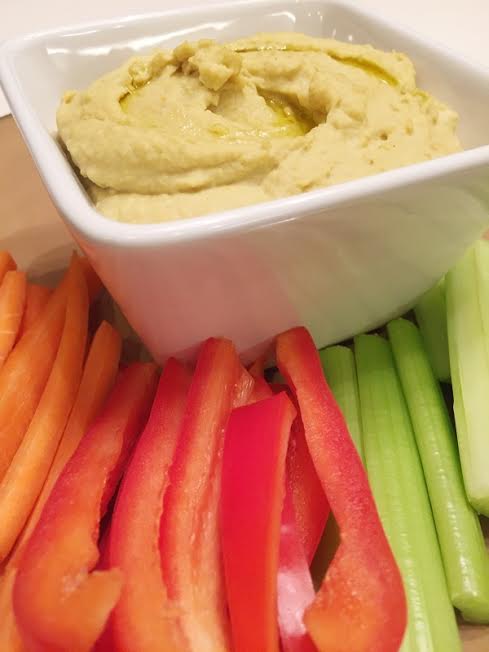
There is a bag of split peas in many American pantries quietly waiting for soup season. That is respectable work, but these humble legumes are capable of much more. Cook them until tender, blend them with tahini, lemon, garlic, and olive oil, and they become a creamy split pea hummus that is bright, savory, inexpensive, and unexpectedly elegant.
This recipe has the familiar nutty flavor and smooth consistency of hummus, but split peas contribute their own earthy personality. Green split peas create a vibrant, herb-friendly dip, while yellow split peas produce a mellow golden spread that looks suspiciously sophisticated for something that started in a plastic pantry bag.
What Is Split Pea Hummus?
Traditional hummus is a Levantine dish made primarily from cooked chickpeas, tahini, lemon juice, and garlic. Split pea hummus is best understood as a hummus-style variation rather than a replacement for the original. It borrows the classic flavor structure while substituting cooked split peas for chickpeas.
The substitution works because split peas become naturally soft and creamy when simmered. Unlike many dried beans and whole chickpeas, split peas do not require overnight soaking. They can generally be rinsed, simmered, and blended in one cooking session, making this an excellent recipe for anyone who forgot to plan yesterday’s snack today.
The finished dip is vegan, dairy-free, and naturally gluten-free when all packaged ingredients are verified. It can be served with vegetables and pita, spread on toast, added to grain bowls, or eaten from the refrigerator with a spoon while pretending to look for something else.
Why Split Peas Make Such a Good Dip
They Become Creamy Without Peeling
Chickpea hummus can require extra cooking, skin removal, or careful blending to achieve an especially smooth texture. Split peas are already divided and have their outer seed coats removed during processing. Once thoroughly cooked, they begin to collapse on their own. That natural breakdown makes them particularly cooperative in a food processor.
They Offer a Mild, Flexible Flavor
Green split peas have a pleasantly earthy, slightly grassy taste. Yellow split peas are usually milder and a little sweeter. Both pair well with the standard hummus lineup of tahini, fresh lemon juice, garlic, cumin, and extra-virgin olive oil.
They Are Pantry-Friendly
Dried split peas are inexpensive, widely available, and easy to store. Because they do not need soaking, they can move from pantry to appetizer in roughly an hour. Most of that time is passive simmering, leaving you free to chop vegetables, toast pita, or wonder why every appliance starts beeping at exactly the same moment.
They Add Plant-Based Protein and Fiber
Beans, peas, and lentils are recognized as sources of plant protein and dietary fiber. MyPlate includes them in both the Protein Foods Group and the Vegetable Group, while Harvard and Mayo Clinic nutrition resources identify legumes as useful sources of complex carbohydrates, protein, vitamins, minerals, and fiber.
Split Pea Hummus Recipe
Prep time: 10 minutes
Cook time: 35 to 45 minutes
Total time: About 55 minutes
Yield: Approximately 2 1/2 cups
Ingredients
- 1 cup dried green or yellow split peas, sorted and rinsed
- 3 cups water, plus more if needed
- 1/3 cup well-stirred tahini
- 1/4 cup freshly squeezed lemon juice
- 2 tablespoons extra-virgin olive oil, plus more for serving
- 1 small garlic clove, roughly chopped
- 3/4 teaspoon ground cumin
- 3/4 teaspoon kosher salt, plus more to taste
- 1/4 teaspoon freshly ground black pepper
- 3 to 6 tablespoons ice-cold water
- Smoked paprika, za’atar, parsley, dill, or toasted seeds for garnish
1. Rinse and Cook the Split Peas
Spread the dried peas on a plate and quickly check for small stones or debris. Transfer them to a fine-mesh strainer and rinse well under cool running water.
Place the peas and 3 cups of water in a medium saucepan. Bring the water to a boil, then reduce the heat to maintain a gentle simmer. Cook partially covered for 30 to 40 minutes, stirring occasionally, until the peas are extremely tender and beginning to break apart.
Split peas commonly become tender in about 30 minutes, although older peas may require more time. For this recipe, slightly overcooked is better than slightly firm. A pea that still has opinions about being blended is not ready.
Add a little extra water if the pan begins to dry before the peas are soft. Once cooked, drain away any obvious excess liquid. Allow the peas to cool for about 10 minutes.
2. Whip the Tahini and Lemon
Add the tahini and lemon juice to a food processor. Process for about 60 seconds, scrape down the bowl, and process for another 30 seconds. The mixture may initially tighten or look grainy. Keep blending until it becomes lighter and creamier.
Whipping tahini with lemon juice and introducing cold water gradually are common techniques for creating a smoother, airier hummus. The tahini also adds fat and body, helping disguise any remaining graininess in the cooked legumes.
3. Add the Seasonings
Add the olive oil, garlic, cumin, salt, and black pepper. Process for another 30 seconds. Scrape down the sides so that no garlic fragment escapes responsibility.
4. Blend in the Split Peas
Add the warm cooked split peas. Process for 1 minute, stop and scrape the bowl, then continue processing for another 1 to 2 minutes.
With the machine running, drizzle in the ice-cold water one tablespoon at a time. Stop when the hummus looks smooth, fluffy, and slightly softer than your desired serving texture. It will thicken as it cools.
5. Taste and Finish
Taste the hummus and adjust the salt, lemon juice, cumin, or garlic. Transfer it to a shallow bowl and create a few swoops with the back of a spoon. Drizzle with olive oil and add paprika, za’atar, chopped herbs, or toasted seeds.
For the best flavor, let the hummus rest for 15 to 20 minutes before serving. This short pause gives the garlic, cumin, lemon, and tahini time to stop shouting individually and begin acting like a team.
How to Get Smooth, Creamy Split Pea Hummus
Cook the Peas Past Al Dente
This is not pasta. The peas should not have a firm center or maintain a neat shape. They should be soft enough to mash easily against the side of the pot. Underprocessed hummus often begins with undercooked legumes, and no heroic amount of blending can completely correct that problem.
Use Good Tahini
Tahini quality varies considerably. Look for a product with a pourable consistency and a clean, toasted sesame flavor rather than one that tastes aggressively bitter. Stir the jar thoroughly before measuring because the sesame solids tend to settle below the oil. Culinary testing has shown that both tahini quality and quantity can noticeably affect hummus flavor and creaminess.
Blend Longer Than Seems Necessary
One minute may combine the ingredients, but additional processing helps produce a lighter texture. Stop occasionally to scrape the bottom and sides of the bowl. A high-speed blender can make an exceptionally smooth dip, although it may require more water to keep the mixture moving.
Add Water Slowly
Water changes the consistency quickly. Add it one tablespoon at a time while the processor runs. Cold water helps loosen and aerate the tahini mixture without adding extra heaviness. Several widely used hummus methods rely on cold or ice water to create a fluffier texture.
Adjust After Chilling
Split pea hummus becomes noticeably thicker in the refrigerator. When serving leftovers, stir in a teaspoon or two of water or lemon juice. A fresh drizzle of olive oil also restores some of its glossy, just-made charm.
Common Problems and Easy Fixes
The Hummus Is Too Thick
Add cold water one tablespoon at a time and process again. Lemon juice can also loosen the mixture, but too much may make the flavor sharply acidic. Use water for texture and lemon primarily for taste.
The Texture Is Grainy
The peas may not have cooked long enough. Return the mixture to a saucepan with a small amount of water and heat it gently until the peas soften further. Cool slightly and blend again. More tahini can also improve the mouthfeel, but it cannot fully disguise peas that are still firm.
The Garlic Is Too Strong
Raw garlic becomes more noticeable as the hummus rests. Use one small clove initially. For a milder result, let chopped garlic sit in the lemon juice for several minutes before blending, or replace it with roasted garlic. Lemon can help mellow the harsh bite of freshly cut garlic.
The Dip Tastes Flat
Flat hummus usually needs more salt or acidity rather than more oil. Add a pinch of salt, process, and taste again. Follow with a teaspoon of lemon juice if necessary. Cumin, paprika, herbs, and olive oil should support the base rather than rescue an underseasoned one.
The Peas Will Not Soften
Very old dried peas may take longer to cook. Continue simmering and add water as needed. Acidic ingredients such as lemon juice or vinegar should be added after the peas have softened because acid can interfere with the tenderizing process.
Flavor Variations
Green Herb Split Pea Hummus
Use green split peas and blend in a packed handful of parsley, cilantro, dill, or a combination of herbs. Add a little lemon zest for extra brightness. This variation works especially well with cucumber slices, snap peas, and toasted pita.
Smoky Yellow Split Pea Hummus
Use yellow split peas and add 1/2 teaspoon smoked paprika. Garnish with additional paprika, olive oil, and chopped parsley. For more heat, add a pinch of cayenne or a spoonful of harissa.
Roasted Garlic Hummus
Replace the raw garlic with three or four roasted cloves. Roasted garlic contributes a sweeter, rounder flavor and is ideal for anyone who likes garlic but does not want it to introduce itself from across the room.
Curried Split Pea Dip
Replace the cumin with 1 teaspoon mild curry powder. Add a pinch of turmeric and garnish with cilantro. A small amount of grated ginger can provide extra warmth.
Sesame-Free Split Pea Dip
Tahini is made from sesame, which the FDA recognizes as a major food allergen. For a sesame-free version, replace the tahini with unsweetened sunflower seed butter, or omit it and add extra olive oil and cold water until the dip becomes creamy. Always check packaged ingredient labels when preparing food for someone with an allergy.
What to Serve With Split Pea Hummus
This dip can go far beyond the standard bowl of pita chips. Serve it as part of a snack board with cucumbers, carrots, radishes, bell pepper strips, cherry tomatoes, olives, and warm flatbread. Its sturdy texture also makes it useful as a sandwich spread.
- Spread it inside pita with roasted vegetables and greens.
- Add a generous spoonful to a grain bowl with quinoa or brown rice.
- Use it instead of mayonnaise on a vegetable sandwich.
- Serve it beneath roasted carrots, cauliflower, or mushrooms.
- Thin it with lemon juice and water to create a creamy salad dressing.
- Top toast with hummus, sliced tomatoes, herbs, and cracked pepper.
- Pair it with falafel, tabbouleh, pickled onions, or a crunchy cucumber salad.
For entertaining, spread the hummus across a platter rather than placing it in a deep bowl. Add olive oil, herbs, spices, and finely chopped vegetables. The wide surface creates more room for toppings, which is the culinary equivalent of increasing the size of the dance floor.
Storage and Make-Ahead Tips
Transfer leftover split pea hummus to a shallow airtight container and refrigerate it promptly. USDA food-safety guidance recommends using most refrigerated leftovers within three to four days. Perishable foods should not remain at room temperature for more than two hours, or more than one hour when the temperature is above 90°F.
To reduce surface drying, press a reusable food cover or food-safe wrap directly against the hummus before closing the container. Stir before serving and add a little water if it has become too firm.
The hummus may also be frozen in small portions. Thaw it overnight in the refrigerator, stir thoroughly, and refresh it with lemon juice or olive oil. Freezing can make the texture slightly less fluffy, but a brief trip through the food processor usually restores it.
Conclusion and Kitchen Experience: What Making Split Pea Hummus Teaches You
The first practical lesson is that the cooking time printed on a bag should be treated as guidance rather than a legally binding agreement. Some split peas soften in 25 to 30 minutes. Others remain stubbornly intact after 40 minutes, particularly when they have spent a long time in storage. For hummus, patience is rewarded. Waiting until the peas visibly collapse produces a noticeably smoother dip and saves the food processor from attempting agricultural demolition.
Another useful observation is that green and yellow split peas behave similarly but do not taste identical. Green peas make a more earthy, savory hummus that welcomes dill, parsley, mint, black pepper, and smoky spices. Yellow peas create a gentler, slightly sweeter dip that works beautifully with turmeric, curry powder, roasted garlic, or chile oil. When serving skeptical guests, yellow split pea hummus may be the easier introduction because its golden color resembles several familiar bean dips.
The tahini stage also matters more than it appears. Dumping everything into the processor at once will still produce a perfectly edible spread, but whipping the tahini and lemon juice first generally creates a lighter base. The mixture often looks worse before it looks better: it may seize, thicken, or become grainy. Continued processing and a spoonful of cold water transform it into a creamy emulsion. It is a small piece of kitchen drama with a reassuring ending.
Seasoning is best handled in stages. Hot split peas can mute lemon and salt, while chilled hummus may taste less aromatic than it did immediately after blending. Begin conservatively, let the dip rest, then taste it again. More salt brightens the entire mixture. More lemon adds lift. More cumin contributes warmth, but too much can make the dip taste dusty. Raw garlic is the ingredient most likely to stage a takeover, so one small clove is usually enough.
Texture changes during storage are normal. Freshly processed hummus may appear almost too loose, but it thickens substantially after refrigeration. Making it slightly softer than desired prevents the next-day dip from resembling green or golden construction material. When it does become overly firm, a tablespoon of cold water and a vigorous stir are usually all it needs.
Perhaps the best experience associated with split pea hummus is watching people try to identify the main ingredient. The flavor is familiar enough to be welcoming but different enough to invite questions. It offers the comfort of a classic pantry dip without pretending to be traditional chickpea hummus. It is affordable, adaptable, colorful, and sturdy enough for meal preparation.
Ultimately, this recipe proves that split peas deserve a life outside the soup pot. With proper cooking, balanced seasoning, good tahini, and a patient blender, they become a creamy plant-based appetizer that works for weeknight snacking, packed lunches, sandwiches, and party platters. The soup can wait. The dip bowl is currently hiring.
Note: Ingredient brands, tahini thickness, split pea age, appliance strength, and serving size can affect cooking time, consistency, and estimated nutrition. People managing food allergies should verify every packaged ingredient and avoid cross-contact.

