
Hair Care
Can You Use WD-40 as Insect Repellent?
Aug
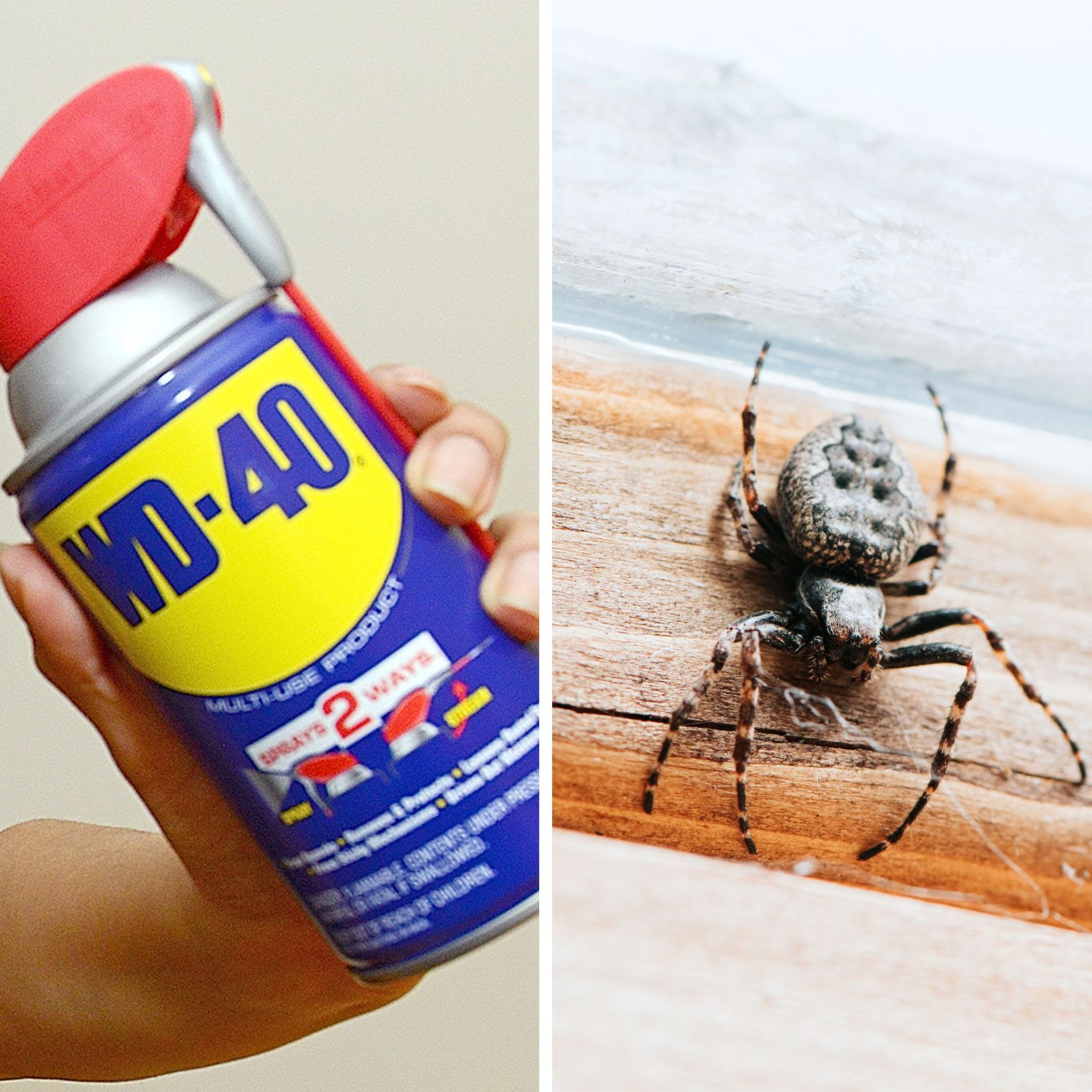
You hear buzzing near the patio, spot ants marching across the garage, and reach for the nearest spray can. Sitting on the shelf is WD-40the blue-and-yellow handyman’s sidekick famous for loosening bolts, silencing hinges, and making rusty hardware reconsider its life choices. But can you use WD-40 as insect repellent?
The practical answer is no. Standard WD-40 Multi-Use Product is not designed, tested, registered, or labeled as a personal insect repellent or household insecticide. Although a direct spray may injure or immobilize some small insects, that does not make WD-40 a reliable repellent, a safe pesticide, or an appropriate substitute for an EPA-registered bug spray.
Most importantly, WD-40 should never be sprayed on your skin, clothing, pets, pet bedding, food-preparation surfaces, or standing water to control insects. The product is a petroleum-based lubricant and water-displacing spray with important flammability, inhalation, ingestion, and exposure precautions.
What WD-40 Is Actually Designed to Do
WD-40 Multi-Use Product is primarily marketed as a lubricant, penetrant, moisture-displacing product, corrosion protector, and soil-removing aid. It is useful for jobs such as loosening stuck hardware, protecting metal from rust, and quieting squeaky mechanical parts.
Its official safety information identifies a mixture containing aliphatic hydrocarbons, petroleum base oils, and carbon dioxide propellant. In other words, it is a workshop productnot mosquito cologne.
The manufacturer’s safety data sheet classifies the aerosol as extremely flammable and warns users to avoid breathing its vapors or mist. It also advises against prolonged skin contact and says the product should be used outdoors or in a well-ventilated area. Those precautions are quite different from the directions found on a repellent formulated for controlled application to exposed skin.
Why People Think WD-40 Repels Insects
The idea is not completely imaginary. Homeowners have circulated numerous unconventional WD-40 uses over the years, including claims involving ants, spiders, wasps, and mosquitoes. Some people report that insects avoid a freshly treated area, while others say a direct blast kills bugs almost immediately.
There are several reasons these anecdotes may appear convincing:
- Direct contact can harm a small insect. An oily chemical mixture may coat the insect, interfere with normal movement, or cause chemical injury.
- The odor may temporarily disturb insect behavior. A strong petroleum smell can cause an insect to move away without providing dependable, lasting repellency.
- The spray creates a slippery residue. Crawling insects may have difficulty crossing a newly coated surface, at least until the film becomes dirty or wears away.
- A visible insect disappears. Unfortunately, making one ant retreat is not the same as controlling the colony hiding behind the wall.
These effects are inconsistent and have not been established through the kind of safety and efficacy testing used for registered insect repellents. The fact that a product inconveniences a bug does not automatically make it a good pest-control product. A garden hose can chase away a raccoon, but that does not turn the hose into a wildlife-management system.
Killing an Insect Is Not the Same as Repelling It
An insecticide kills or controls insects. A repellent discourages them from approaching, landing, biting, or remaining in a treated area. Some products perform both functions, but their labels state which pests they target, where they can be applied, and how they should be used.
WD-40 provides none of that pest-control information. Its label does not specify target insects, application rates, reapplication intervals, protection times, indoor treatment locations, or precautions for pest use. You therefore cannot know how long an apparent effect will lastor whether the insects are simply taking a short detour around your oily experiment.
This distinction is especially important with mosquitoes and ticks. Repelling disease-carrying pests requires dependable protection. “The mosquitoes seemed mildly offended by the smell” is not a meaningful public-health standard.
Is WD-40 Safe to Use on Your Skin as Mosquito Repellent?
No. Do not apply WD-40 to your skin. It is not a skin-applied insect repellent, cosmetic, sunscreen, or medical product. Its safety instructions warn that prolonged or repeated skin exposure may cause drying, irritation, and loss of the skin’s natural oils.
The spray can also irritate the eyes and respiratory system. Concentrated vapor or mist exposure may cause symptoms such as headache, dizziness, nausea, or drowsiness. Because the aerosol is extremely flammable, spraying it around cigarettes, grills, fire pits, pilot lights, sparks, hot equipment, or other ignition sources adds a separate and potentially serious hazard.
For mosquito and tick protection, use a repellent specifically labeled for application to human skin. EPA-registered options may contain active ingredients such as:
- DEET
- Picaridin
- IR3535
- Oil of lemon eucalyptus
- Para-menthane-diol, also known as PMD
- 2-undecanone
EPA registration means the product has been evaluated for safety and effectiveness when used according to its label. Choose the product based on the insects involved, the required protection time, the user’s age, and the label instructions.
Can You Spray WD-40 Around the House to Keep Bugs Away?
Spraying WD-40 along baseboards, windows, door frames, cabinets, or floors is not a recommended home pest-control strategy. Even when insects temporarily avoid the treated spot, several problems remain.
It Leaves an Oily Residue
WD-40 can leave a film that collects dust and debris. On floors, stairs, handles, or smooth outdoor surfaces, that film may also create a slipping or handling hazard. Certain painted, plastic, rubber, fabric, or finished surfaces can discolor, soften, or stain, so an enthusiastic perimeter treatment may leave your home less buggy but noticeably greasier.
It Does Not Address the Source
Ants, roaches, flies, and spiders usually appear because they have access to food, water, shelter, entry points, or prey. Spraying a visible insect does not remove crumbs beneath an appliance, repair a leaking pipe, seal a gap around a utility line, or eliminate a nest.
Indoor Spraying Can Increase Vapor Exposure
The product should be used with adequate ventilation, and users are instructed to avoid breathing aerosol mist or vapor. Applying it repeatedly in closets, cabinets, basements, or other enclosed spaces is therefore a poor way to solve an insect problem.
It Is Risky Near Food and Pets
Do not spray WD-40 on countertops, cutting boards, dishes, pantry shelves containing exposed food, pet bowls, toys, cages, bedding, or animal fur. Pets may lick treated surfaces and ingest residue. Birds and other small animals can also be particularly sensitive to airborne chemicals.
Does WD-40 Work on Ants?
A direct spray may kill or disable an individual ant, and a fresh oily line may briefly disrupt a trail. However, WD-40 does not reliably eliminate the nest or queen. The surviving workers can simply establish a new route, sometimes only a few inches away.
A better ant-control plan begins with identification. Different species have different feeding and nesting habits. Clean up food residue, store pantry goods and pet food in sealed containers, repair moisture problems, and seal accessible entry points. For an established indoor colony, use an ant bait labeled for the species and location. Baits work more slowly than a dramatic aerosol blast, but workers can carry the active ingredient back to the colony.
Carpenter ants, Pharaoh ants, and persistent infestations may require professional pest management. Random spraying can sometimes scatter a colony or make bait less attractive, turning a manageable problem into an insect-themed scavenger hunt.
Does WD-40 Repel Spiders?
WD-40 may kill a spider if the animal is directly saturated, but it is not a dependable spider repellent. Spiders enter homes in search of shelter or prey. Reducing the insects they eat is usually more effective than coating corners with lubricant.
Vacuum webs and egg sacs, reduce clutter, move firewood and debris away from the building, repair screens, seal exterior gaps, and use sticky monitoring traps where appropriate. Occasional harmless spiders can often be captured in a container and released outdoors.
When medically significant spiders may be present, avoid casual chemical experiments. Correct identification and targeted pest-control advice are much more useful than chasing the spider with whichever can happens to be closest.
Can WD-40 Keep Mosquitoes Away From a Patio?
There is no reliable evidence that spraying WD-40 around a patio provides meaningful mosquito protection. Any odor-based effect is likely to be limited, inconsistent, and unrelated to the tested protection offered by registered repellents.
Never spray WD-40 into puddles, birdbaths, ponds, gutters, fountains, drains, rain barrels, or other standing water in an attempt to kill mosquito larvae. Petroleum residues do not belong in water used by wildlife, pets, beneficial insects, or people.
Instead, empty or refresh standing water at least weekly, clear clogged gutters, cover water-storage containers, maintain pools properly, repair window screens, wear protective clothing, and use an EPA-registered personal repellent. For water that cannot be drained, choose a larvicide specifically labeled for that site and follow its directions exactly.
What About Wasps, Roaches, Flies, and Other Pests?
A direct spray may affect some visible insects, but improvised treatment can create more risk than benefit.
- Wasps and hornets: Approaching a nest with a short-range lubricant spray can provoke defensive insects. Use a labeled wasp-and-hornet product with the appropriate range or contact a professional.
- Cockroaches: Individual roaches may die after direct exposure, while eggs and hidden populations remain untouched. Sanitation, moisture reduction, monitoring traps, and labeled gel baits are usually more effective.
- Flies: Screens, sanitation, covered trash, drain cleaning, and removal of breeding material address the cause. An oily spot on the wall mainly creates another cleaning job.
- Bed bugs: WD-40 is not a bed bug treatment. Bed bug control requires careful identification, inspection, heat or other validated methods, and often professional assistance.
- Fleas and ticks: Never apply WD-40 to an animal. Use veterinarian-recommended products and treat the environment according to labeled instructions.
Safer Alternatives to WD-40 for Insect Control
The best alternative depends on whether you are protecting your body or managing pests around a building.
For Biting Insects Outdoors
Use an EPA-registered skin repellent and follow the label. Apply it only to permitted areas, avoid eyes and irritated skin, and do not spray directly into the face. Spray it onto your hands first when facial application is allowed. Wash treated skin after returning indoors.
For Crawling Insects Indoors
Begin with integrated pest management:
- Identify the insect accurately.
- Remove accessible food and water.
- Seal cracks, screens, pipe gaps, and door openings.
- Vacuum insects, webs, egg cases, and food debris.
- Use traps or baits to locate and control hidden activity.
- Apply a pesticide only when needed and only as its label permits.
For Large or Recurring Infestations
Call a licensed pest-control professional. This is particularly sensible for termites, bed bugs, carpenter ants, repeated cockroach activity, stinging-insect nests, or pests that may threaten health or property.
What to Do After Accidental WD-40 Exposure
For skin contact, wash the area thoroughly with soap and water. If the product gets into the eyes, rinse with water for several minutes, remove contact lenses when practical, and continue rinsing. Move to fresh air if aerosol mist or vapor causes irritation, dizziness, or other symptoms.
If WD-40 is swallowed, do not induce vomiting because the liquid can enter the lungs and cause severe injury. In the United States, contact Poison Control at 1-800-222-1222 or seek prompt medical advice. Call 911 when someone collapses, has a seizure, cannot be awakened, or has difficulty breathing.
Real-World Experiences: Why the WD-40 Bug Trick Often Disappoints
The following composite scenarios reflect common homeowner experiences and practical pest-control lessons. They are not controlled scientific tests or personal endorsements.
The Garage Spider “Success”
A homeowner spots a spider beside a toolbox and sprays it with WD-40. The spider stops moving, so the spray appears to have worked brilliantly. The next evening, another spider appears near the same corner.
The first application probably affected the spider through direct chemical and physical exposure. It did not repel future spiders, seal the gap beneath the garage door, remove the insects serving as food, or eliminate egg sacs. Meanwhile, the overspray left a slick patch on the concrete that collected sawdust. The homeowner solved one spider and accidentally invented seasoned flooring.
The Ant Trail That Moved
Another homeowner sprays a thin WD-40 line across an ant trail near a kitchen window. The ants retreat, and the household celebrates an apparent victory. Several hours later, the trail reappears around the opposite side of the window frame.
The spray disrupted the route but did not reach the colony. After the area was cleaned, the homeowner sealed the window gap, removed a sugary spill beneath a small appliance, and placed a labeled ant bait beside the new trail. Activity gradually declined because the treatment addressed both attraction and colony control.
The Mosquito-Free Chair That Wasn’t
A patio owner sprays WD-40 onto metal chair legs, assuming the odor will create a mosquito barrier. The chair becomes shiny, but the mosquitoes continue landing on exposed ankles. This is predictable because mosquitoes locate people using multiple cues, including body heat, movement, carbon dioxide, and skin odors. Treating furniture legs does not create tested protection around the person sitting above them.
The more effective combination was removing water from plant saucers, cleaning a clogged gutter, running an outdoor fan, wearing lightweight clothing, and using a registered skin repellent. None of those measures made the patio furniture smell like an auto shop.
The Roach That Disappeared Behind the Refrigerator
A direct spray sends a cockroach scrambling beneath an appliance. The roach is no longer visible, which feels satisfying until more appear several nights later. The oily spray never reached the cracks where the insects were hiding, and it did nothing to remove their water source.
Inspection eventually revealed a slow plumbing leak, food debris under the refrigerator, and gaps around a pipe. Drying the area, cleaning thoroughly, installing monitoring traps, and applying labeled gel bait produced better control than chasing individual roaches with a maintenance spray.
The Useful Lesson
These experiences illustrate why WD-40 can earn an undeserved reputation as insect repellent. A bug may retreat or die after direct exposure, creating an immediate and memorable result. What remains unseen is the nest, breeding site, moisture problem, structural opening, or untreated population.
Good pest management is less theatrical but more dependable. Identify the pest, remove what supports it, block entry, monitor activity, and select a product labeled for the exact job. Keep WD-40 for rusty bolts and squeaky hingesthe chores at which it can be genuinely impressive without requiring anyone to argue with a mosquito.
Conclusion: Should You Use WD-40 as Insect Repellent?
WD-40 may injure certain insects when sprayed directly, but it should not be used as personal insect repellent or as a general substitute for household pesticides. It offers no verified protection time, no pest-specific application instructions, and no approval for use on skin, animals, food areas, or mosquito-breeding water.
Use registered repellents for mosquito and tick protection. For household pests, focus on sanitation, moisture control, exclusion, traps, baits, and properly labeled treatments. Your WD-40 can still be the hero of the garagejust let the insect-control products handle the insects.
Safety note: Product formulas and labels can change. Always read the instructions and warnings on the specific container before use. This article provides general educational information and does not replace medical advice, product labeling, veterinary guidance, or professional pest-control recommendations.

