
Hair Care
Roasted Garbanzo Beans Recipe
Jul
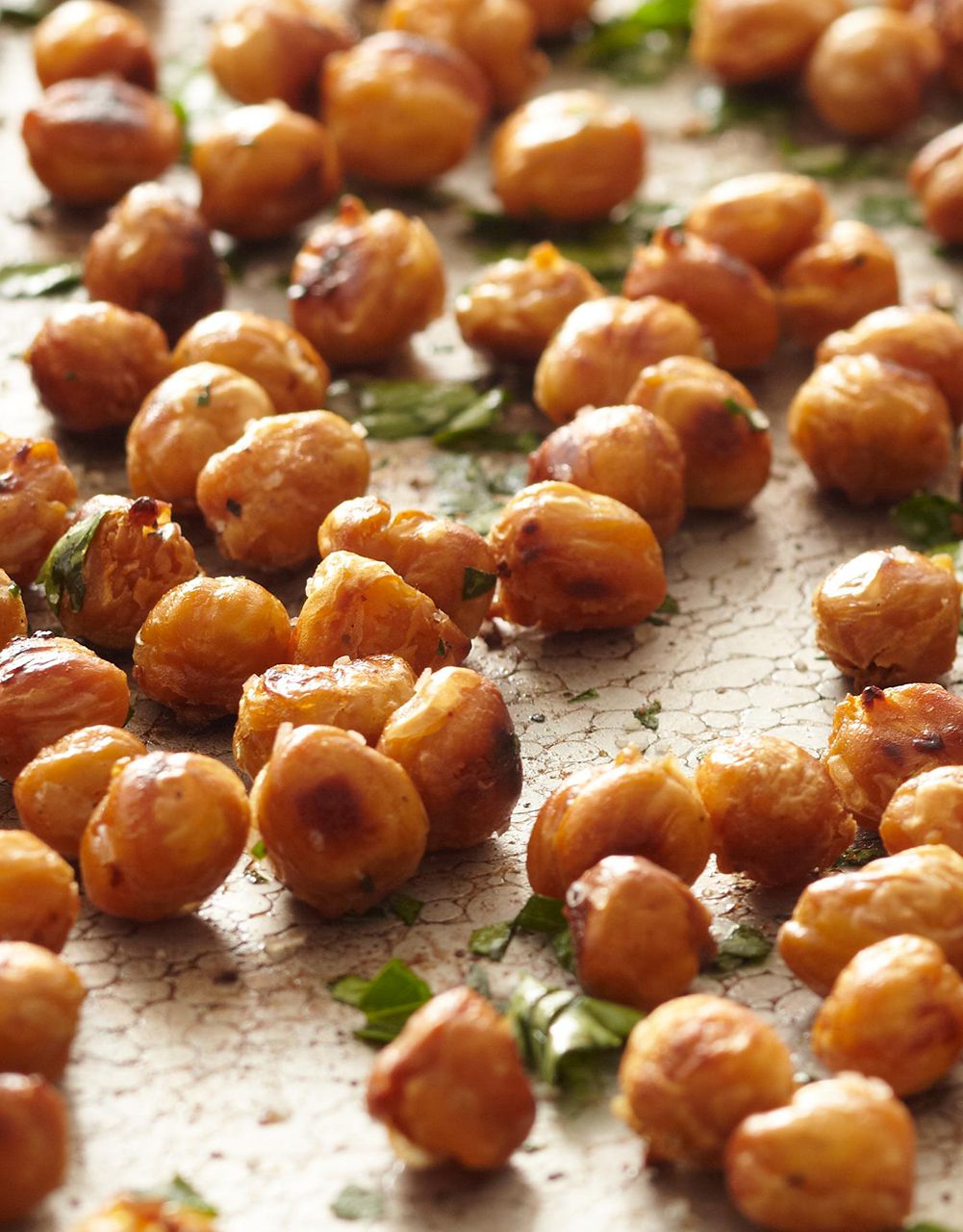
If you have a can of chickpeas, a sheet pan, and the kind of optimism usually reserved for online shopping carts, you are already halfway to a ridiculously good snack. This roasted garbanzo beans recipe turns humble pantry staples into crunchy, savory bites that work as a snack, salad topper, soup garnish, or the thing you “accidentally” eat straight off the pan while pretending to clean the kitchen.
Garbanzo beans and chickpeas are the same ingredient, just with a dual identity like a superhero who also pays taxes. Once roasted, they become nutty, crisp on the outside, and deeply satisfying. They also play well with almost any flavor profile, from smoky paprika to ranch-style herbs to spicy chili-lime. That makes them one of the easiest, cheapest, and most customizable snacks you can make at home.
This guide gives you a dependable roasted garbanzo beans recipe, plus the little tricks that separate “pleasantly toasted” from “wow, these are actually crunchy.” We will cover ingredients, step-by-step instructions, seasoning ideas, storage, troubleshooting, and some honest kitchen wisdom from repeated chickpea-roasting adventures. In other words, this is the article you read before your beans go into the oven and your confidence goes through the roof.
Why This Roasted Garbanzo Beans Recipe Works
The secret to great roasted garbanzo beans is not magic. It is moisture management. Chickpeas arrive with a lot of surface moisture, especially when they come from a can. If they go into the oven wet, they steam instead of crisp. If you dry them well, spread them in a single layer, and roast them hot enough, they become crunchy and deeply flavorful.
This recipe also keeps the seasoning simple. Olive oil helps the spices cling, salt brings everything to life, and smoked paprika adds instant personality without making your spice cabinet feel judged. Garlic powder and black pepper round things out, and a tiny pinch of cayenne is there if you like your snacks with a little sass.
Another reason this method works is that it respects the cooling phase. Roasted garbanzo beans continue to firm up as they cool, which means the pan coming out of the oven is not the final chapter. Patience matters here. Yes, I know that is rude.
Roasted Garbanzo Beans Recipe
Ingredients
- 2 cans (15 to 16 ounces each) garbanzo beans, also called chickpeas
- 2 tablespoons olive oil
- 1 teaspoon kosher salt
- 1 teaspoon smoked paprika
- 1/2 teaspoon garlic powder
- 1/2 teaspoon freshly ground black pepper
- 1/8 teaspoon cayenne pepper, optional
- 1/2 teaspoon onion powder, optional
- 1 teaspoon lemon zest, optional for finishing
- 1 tablespoon chopped parsley, optional for serving
Directions
- Preheat the oven. Set your oven to 425°F. Line a large rimmed baking sheet with parchment paper if you want easier cleanup, or leave it unlined for slightly stronger browning.
- Drain, rinse, and dry the beans. Pour the garbanzo beans into a colander, rinse them well, and spread them onto a clean kitchen towel or layers of paper towels. Pat them very dry. Then let them air-dry for 10 to 15 minutes if you have time.
- Remove loose skins if you feel ambitious. This step is optional, not mandatory, and certainly not worth tears. Rub the beans gently in the towel to loosen some of the skins. Fewer skins can mean a slightly crisper result.
- Season the beans. Transfer the dried garbanzo beans to a bowl. Add olive oil, salt, smoked paprika, garlic powder, black pepper, cayenne, and onion powder if using. Toss until evenly coated.
- Spread in a single layer. Pour the beans onto the baking sheet and spread them out so they are not crowded. Personal space matters in chickpea roasting.
- Roast until crisp. Bake for 30 to 40 minutes, shaking the pan or stirring once or twice during cooking. Start checking around the 25-minute mark. You want the beans golden brown, dry-looking, and crisp on the outside.
- Cool before serving. Remove the pan from the oven and let the beans cool for 10 to 15 minutes. They will crisp more as they cool. Add lemon zest or parsley after roasting if you want a brighter finish.
Yield and Timing
This roasted garbanzo beans recipe makes about 4 snack-size servings. Total time is usually 45 to 55 minutes, depending on how dry your beans are before roasting and how crunchy you want them.
Flavor Variations You Can Actually Use
One of the best things about roasted garbanzo beans is that they take direction well. Think of them as the improv actors of your snack world. Give them a cue, and they commit.
1. Chili-Lime
Use chili powder, cumin, garlic powder, and a little lime zest after roasting. This version is bright, punchy, and dangerously easy to snack on by the handful.
2. Ranch-Style
Toss the beans with dried dill, onion powder, garlic powder, parsley, and a little salt. Add a tiny pinch of buttermilk powder if you use it in your kitchen and want extra ranch energy.
3. Sweet and Spiced
Use cinnamon, a little sugar or maple sugar, and a pinch of salt. This variation leans more toward snack mix territory and works well for people who claim they are “not really savory snack people.”
4. Curry Roasted Garbanzo Beans
Try curry powder, cumin, coriander, and a whisper of cayenne. These are excellent on grain bowls and very dramatic on top of tomato soup.
5. Everything Bagel
Roast the beans with just oil and salt, then toss them with everything bagel seasoning right after they come out of the oven. It is low effort and oddly addictive.
Tips for Crispy Roasted Garbanzo Beans
If you have ever made roasted chickpeas that turned soft five minutes later, welcome. You are among friends. Here are the fixes that matter most.
Dry Them More Than You Think You Need To
Surface moisture is the main enemy. If the beans still look glossy or damp, keep drying. A short air-dry on towels helps more than people expect.
Use a Hot Oven
High heat helps the exterior dry and brown before the beans simply warm through. An oven around 400°F to 425°F is the sweet spot for many home cooks, though some go a little higher for faster browning.
Do Not Crowd the Pan
If the beans overlap or pile up, they steam. A single layer gives them a fair shot at crispness and saves you from snack-related disappointment.
Let Them Cool on the Pan
This is where the crunch often finishes developing. Hot beans can still feel slightly soft, but as they cool, the texture improves.
Add Delicate Seasonings at the End
Dried herbs, citrus zest, Parmesan, and some spice blends can lose their best flavor in a long roast. Add those after baking, while the beans are still warm.
Best Ways to Serve Roasted Garbanzo Beans
Yes, you can eat them plain. You can also put them on almost everything and immediately feel like a resourceful genius.
- As a snack: Pack them in a jar or bowl for afternoon crunch without resorting to mystery vending machine chips.
- On salads: Use them like croutons, especially on chopped salads, kale salads, or grain bowls.
- On soup: Sprinkle them over tomato soup, carrot soup, or blended vegetable soups for contrast.
- In lunch boxes: Add a small portion to a lunch container, but keep them separate from moist foods.
- With drinks: Serve them as a party snack with olives, nuts, and sparkling water or cocktails.
- Over roasted vegetables: They add crunch to sheet-pan dinners and help make meatless meals feel more substantial.
Troubleshooting Common Problems
Why are my roasted garbanzo beans not crunchy?
Usually because they were not dry enough before roasting, the pan was crowded, or the oven temperature was too low. It can also happen if they were stored while still warm, which traps steam and softens them.
Why did they turn hard instead of crisp?
They may have roasted too long. There is a fine line between crunchy and “small edible marbles.” Start checking early, especially if your oven runs hot.
Can I use dried chickpeas instead of canned?
Yes, but cook them fully first. Once cooked and well-drained, treat them the same way as canned beans. Canned beans are simply faster and more convenient for most weeknight roasting plans.
Can I make them in the air fryer?
Absolutely. Air-fried garbanzo beans crisp quickly and work well for small batches. Just keep an eye on them, since they can go from perfect to overdone in a hurry.
Storage and Reheating
Roasted garbanzo beans are at their very best on the day you make them. That is the truth, and I will not insult you with false promises. Still, they can hold up surprisingly well for several hours at room temperature if stored loosely in a container that does not trap steam.
If you want to keep them longer, let them cool completely, then store them in a glass jar or a container with the lid slightly ajar. Fully sealed plastic containers can soften the crunch. If they lose texture, re-crisp them in a 400°F oven for 3 to 5 minutes.
If you season them with fresh herbs or citrus, they are best eaten sooner rather than later. Moist add-ins are delicious, but they are not exactly team crunch.
Are Roasted Garbanzo Beans Good for You?
In general, garbanzo beans bring fiber and plant-based protein to the table, which is one reason they are such a popular pantry staple. Roasting them into a snack can be a smart move when you want something crunchy that also has a little staying power. The overall nutrition will depend on how much oil and salt you use, of course, because even chickpeas cannot outrun enthusiastic seasoning forever.
They are also versatile enough to fit into different eating styles. Keep them simple with olive oil and salt, make them spicy, or go lighter on sodium if that is your goal. The beauty of making roasted garbanzo beans at home is that you control the flavor, the texture, and the ingredient list.
Kitchen Experience: What It Is Really Like to Make Roasted Garbanzo Beans Again and Again
The first time I made roasted garbanzo beans, I expected a polite little healthy snack. You know, something respectable. Something that would sit in a bowl and make me feel organized. What I got instead was a pan of deeply snackable, crispy beans that disappeared before they had fully cooled. That was the moment I realized roasted chickpeas are not just “good for a bean.” They are genuinely delicious when treated right.
Over time, I learned that this recipe rewards small acts of patience more than fancy technique. If I rush the drying step, the beans come out fine but not fabulous. If I actually dry them well, give them room on the pan, and resist opening the oven every six minutes like an anxious theater parent, the texture gets dramatically better. It is one of those recipes that quietly teaches you that the boring steps are secretly the important ones.
I have also learned that roasted garbanzo beans are wildly useful in real life. They rescue sad salads. They make a bowl of soup feel more complete. They save the afternoon when you want something salty and crunchy but do not want to demolish a family-size bag of chips while standing at the counter in a state of emotional negotiation. They are also excellent for those odd in-between moments when lunch was too small, dinner is too far away, and your patience has left the building.
One particularly memorable batch was a smoked paprika version I made for a casual gathering. I set them out in a bowl thinking they would be one snack among several. They ended up being the snack people talked about. Not the fancy cheese. Not the dip. The beans. Tiny roasted beans were somehow the star of the evening, which feels very on-brand for the current era of pantry ingredients having a glow-up.
Another time, I tried a sweet-and-spiced version with cinnamon and a little sugar. That batch taught me two things. First, roasted garbanzo beans can absolutely lean dessert-adjacent without becoming weird. Second, if you tell people what they are before they eat them, they become thoughtful and curious. If you do not tell people, they inhale them and ask questions later. Both methods are valid.
There have been failures, too, because every good kitchen story includes at least one tray of disappointment. I have under-dried them and ended up with chewy beans. I have over-roasted them into crunchy pebbles that required more commitment than a snack should demand. I once stored them in a tightly sealed container while they were still slightly warm, which transformed them from crisp to moody in record time. But that is part of why this recipe is worth sharing: it is forgiving enough to teach you, and easy enough to repeat.
What keeps bringing me back to roasted garbanzo beans is that they feel practical without being boring. They are inexpensive, easy to customize, and a nice reminder that a simple can of beans can become something with texture, personality, and major snack appeal. In a kitchen full of recipes that demand specialty ingredients and advanced planning, this one is refreshingly straightforward. Dry the beans, season the beans, roast the beans, try not to eat them all before serving. That is the system. It works. And honestly, it is kind of beautiful.
Conclusion
A good roasted garbanzo beans recipe is one of those small kitchen wins that pays off immediately. It uses pantry staples, adapts to whatever flavors you like, and gives you a crunchy, satisfying result with very little fuss. Once you understand the keys to crispness, mainly drying the beans well, roasting at a high temperature, and letting them cool properly, you can make endless variations with confidence.
Whether you want a simple snack, a smarter salad topper, or a crispy little ingredient that makes dinner feel more interesting, roasted garbanzo beans deliver. They are inexpensive, flexible, and surprisingly fun to make. Not bad for a bean with two names and excellent taste.
SEO Tags

