
Beauty Unlocked
Our get-ahead whipped blue cheese and pear crostini recipe doesn’t get easier and is lighter than air
Jun
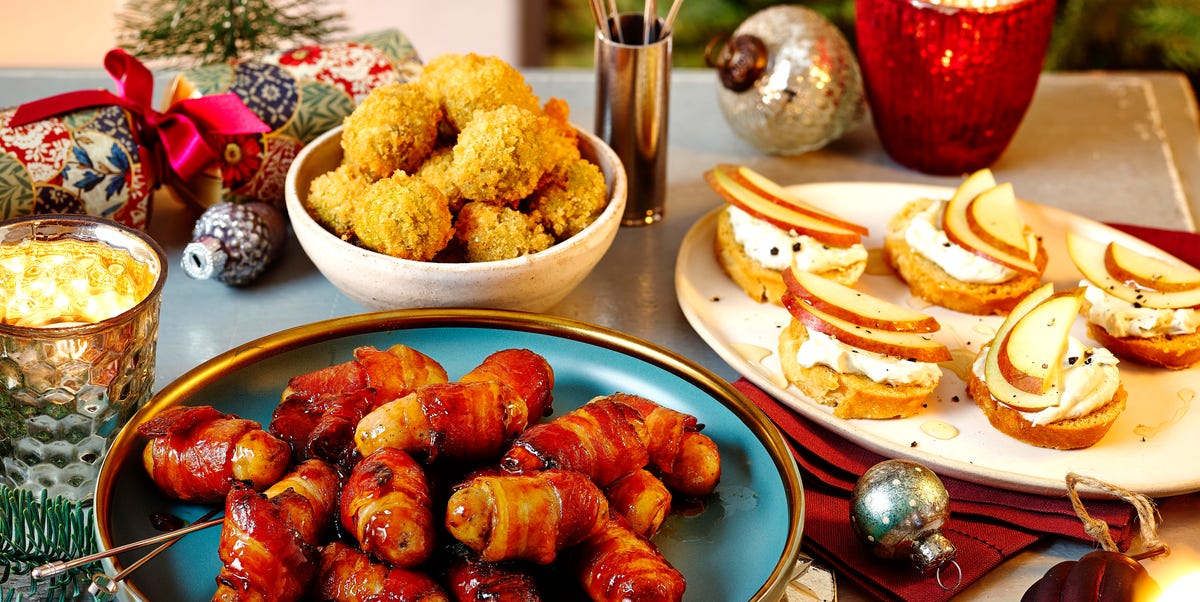
Some party appetizers demand tweezers, architectural training, and the patience of a saint. These whipped blue cheese and peaue cheese spread, juicy pear, toasted walnuts, honey, and fresh thyme in one tidy bite that looks far more demanding than it actually is.
Better still, most of the work can be completed ahead of time. Toast the bread, whip the cheese, and prepare the garnishes before guests arrive. When the doorbell rings, all that remains is a little spreading, topping, and strategic drizzling. Nobody needs to know you were calmly drinking coffee five minutes earlier.
Why this whipped blue cheese and pear crostini recipe works
Pear and blue cheese are longtime culinary partners because each ingredient supplies what the other lacks. Ripe pear is sweet, fragrant, and juicy, while blue cheese contributes salt, tang, richness, and a savory edge. Honey strengthens the sweet side of the partnership, lemon adds brightness, and walnuts provide the crunch needed to prevent every bite from becoming a soft-food convention.
The whipped cheese is the secret to making the appetizer feel especially polished. Rather than placing a dense chunk of blue cheese on each toast, we blend it with cream cheese and a small amount of heavy cream. The mixture becomes smooth, spreadable, and noticeably lighter in texture. It retains the character of blue cheese without overwhelming the pear or attempting to take control of the entire appetizer table.
What “lighter than air” means here
This description refers to texture rather than calorie content. Blue cheese, cream cheese, and cream are still dairy ingredients with plenty of richness. Whipping incorporates air and distributes the stronger cheese throughout a mild, creamy base, producing a spread that tastes less heavy than a solid layer of blue cheese.
The result is balanced enough for a holiday appetizer, cocktail party, bridal shower, book club, or any gathering at which people claim they will eat “just one” and then quietly return to the platter four times.
Get-ahead whipped blue cheese and pear crostini recipe
Yield: About 24 crostini
Preparation time: 20 minutes
Cooking time: 10 minutes
Total time: About 30 minutes, plus cooling
Make-ahead window: Most components can be prepared one to two days in advance
Ingredients for the crostini
- 1 French baguette, preferably a day old
- 2 tablespoons extra-virgin olive oil
- Freshly ground black pepper, to taste
Ingredients for the whipped blue cheese
- 6 ounces full-fat cream cheese, softened
- 4 ounces creamy blue cheese, crumbled and brought to room temperature
- 2 tablespoons heavy cream, plus more if needed
- 1 teaspoon finely grated lemon zest
- 1 teaspoon fresh lemon juice
- Freshly ground black pepper, to taste
Ingredients for the pear topping
- 2 firm-ripe Bosc, Anjou, or Bartlett pears
- 1 teaspoon fresh lemon juice
- 1/3 cup walnuts or pecans, toasted and roughly chopped
- 2 to 3 tablespoons honey
- 1 tablespoon fresh thyme leaves
- Flaky sea salt, optional and used sparingly
How to make blue cheese and pear crostini
Step 1: Toast the baguette
Preheat the oven to 400°F. Slice the baguette on a slight diagonal into pieces approximately 1/2 inch thick. A diagonal cut creates more surface area for the topping and makes each crostino look pleasantly generous.
Arrange the slices in a single layer on a rimmed baking sheet. Lightly brush the tops with olive oil and add a few twists of black pepper. Bake for 8 to 10 minutes, turning once if desired, until the bread is crisp and golden around the edges.
Transfer the toasted baguette slices to a wire rack and let them cool completely. Do not place them in a storage container while they are still warm. Trapped steam is the natural enemy of crisp bread and will transform your elegant crostini into tiny, disappointed sandwiches.
Step 2: Whip the blue cheese spread
Place the softened cream cheese, blue cheese, heavy cream, lemon zest, lemon juice, and black pepper in a food processor. Process for 45 to 60 seconds, stopping once or twice to scrape down the bowl.
Continue processing until the mixture looks creamy, smooth, and slightly aerated. Add another teaspoon of heavy cream only when the spread seems too stiff. It should hold its shape on a spoon but spread easily without cracking the crostini beneath it.
Taste before adding salt. Most blue cheeses provide more than enough seasoning on their own. Transfer the whipped blue cheese to an airtight container and refrigerate until needed.
Step 3: Prepare the pears
Wait until shortly before assembly to cut the pears. Quarter and core them, then slice each quarter into thin pieces. Leaving the peel intact adds color, texture, and structure, although peeling is perfectly acceptable when a softer finish is preferred.
Gently toss the pear slices with one teaspoon of lemon juice. The acidity slows browning and lifts the sweetness without making the fruit taste sharply lemony.
Step 4: Assemble the crostini
Remove the whipped blue cheese from the refrigerator about 15 minutes before serving. Stir it briefly to restore its soft texture.
Spread approximately two teaspoons of whipped cheese on each cooled toast. Add one or two pear slices, followed by toasted walnuts, a light drizzle of honey, several thyme leaves, and a twist of black pepper.
Add flaky salt only after tasting a completed crostino. Depending on the blue cheese, extra salt may be unnecessary. Arrange the finished appetizers on a platter and serve promptly.
The easiest make-ahead schedule
The beauty of this easy crostini appetizer is that its components can be prepared separately. Keeping them separate prevents moisture from the cheese and pears from softening the bread.
Up to two days before serving
Prepare the whipped blue cheese and refrigerate it in a tightly covered container. The flavors will settle and mingle as it rests. If the mixture becomes firm when chilled, let it stand at room temperature for 15 to 20 minutes and stir before spreading.
One day before serving
Toast the baguette slices, cool them completely, and store them in an airtight container at room temperature. Toast the walnuts and keep them in a separate container. Freshly toasted nuts contribute a deeper flavor and a much better crunch than nuts taken directly from an open bag that has been living behind the oatmeal since last winter.
Thirty minutes before serving
Bring the whipped blue cheese out of the refrigerator, slice the pears, and place all the garnishes within easy reach. Assemble the crostini no more than 15 to 20 minutes before they will be eaten for the crispest result.
How to choose the best pears
A good pear for crostini should be ripe enough to taste sweet but firm enough to slice cleanly. Pears ripen from the inside outward, so squeezing the widest part of the fruit can be misleading. Instead, press gently near the stem. A slight amount of give generally indicates that the pear is ready.
Bosc pears are particularly useful because their dense flesh holds its shape and their bronze skin looks handsome against the pale cheese. Anjou pears offer clean sweetness and a smooth texture, while Bartlett pears are softer, more aromatic, and especially juicy. When using a Bartlett, choose one that has only just ripened so it does not collapse during slicing.
Hard pears can be left at room temperature for several days. Once they reach the desired ripeness, refrigerate them to slow further softening. Avoid pears with large bruises, wrinkled skin, or a mushy base.
Choosing a blue cheese without frightening the guests
Not every blue cheese has the same strength. A creamy Gorgonzola dolce creates a mild, buttery spread that works well for people who are uncertain about blue cheese. Danish blue provides more salt and tang, while Roquefort produces a sharper and more assertive result.
For a mixed crowd, choose a creamy, moderately flavored cheese. The cream cheese will soften its edges, but it cannot turn an especially pungent blue into mozzarella. Cheese remains cheese; it has boundaries.
Bring both cheeses to room temperature before processing. Cold cream cheese tends to form small lumps, while softened ingredients blend rapidly into a smooth, fluffy spread.
Simple variations for different occasions
Add prosciutto
Place a small ribbon of thinly sliced prosciutto beneath the pear. Its savory flavor makes the crostini more substantial, although the blue cheese should be kept mild so the cured meat is not lost beneath it.
Use hot honey
Replace regular honey with hot honey for a sweet-spicy finish. A small pinch of crushed red pepper can create a similar effect. Use restraint; the goal is a warm spark, not an appetizer that requires emergency beverages.
Try rosemary or sage
Fresh thyme is delicate and easy to use, but finely chopped rosemary adds a woodsy note. Sage can also work, particularly when gently warmed in the honey before serving.
Make it nut-free
Replace walnuts with roasted pumpkin seeds or omit the crunchy topping. Thin slices of crisp celery can also add freshness and texture.
Use apples instead of pears
A crisp, sweet-tart apple makes a reliable substitute when ripe pears are unavailable. Honeycrisp, Pink Lady, or Fuji apples all provide enough sweetness to balance the cheese.
Serving ideas and drink pairings
Serve these pear crostini at the beginning of a meal alongside olives, roasted nuts, and a simple tray of raw vegetables. Because the appetizer combines bread, cheese, fruit, and nuts, it already delivers several textures and flavors; it does not need an entire parade of competing toppings.
Sparkling wine works particularly well because its acidity and bubbles cut through the creamy spread. A dry Riesling, Sauvignon Blanc, or lightly sweet hard cider can also complement the pear. For a nonalcoholic pairing, try sparkling water with lemon, unsweetened iced tea, or a tart apple spritzer.
If the crostini are part of a larger holiday menu, plan on two pieces per guest. For a cocktail party at which appetizers are the main event, allow three to four per person and consider preparing a second platter.
Common crostini mistakes to avoid
Using bread slices that are too thick
Thick bread is difficult to bite neatly and can overwhelm the topping. Keep the slices near 1/2 inch thick so they become crisp without turning rock-hard.
Assembling everything too early
Pears release juice, and cheese contains moisture. Once both are placed on the bread, the countdown to softness begins. Prepare the individual components ahead, but assemble shortly before serving.
Using an overripe pear
An overripe pear may taste wonderful when eaten over the sink, but it will not create clean, attractive slices. Save very soft pears for smoothies, sauces, oatmeal, or baking.
Adding too much honey
A delicate drizzle is enough. Too much honey masks the blue cheese and makes the crostini sticky to handle. Guests should be able to hold one while talking, not become permanently attached to the cocktail napkin.
Serving the spread directly from the refrigerator
Cold cheese tastes muted and can be difficult to spread. A brief rest at room temperature produces a creamier texture and fuller flavor.
Storage and food-safety guidance
Store the whipped blue cheese in the refrigerator in an airtight container and use it within three to four days. Keep unused pear slices refrigerated and consume them promptly, as their texture will soften over time.
The toasted bread should be stored separately at room temperature. Refrigeration can expose it to moisture and make it stale or chewy. If the toasts lose their crispness, warm them in a 350°F oven for three to five minutes and cool them again before assembly.
Because the finished appetizer contains perishable dairy ingredients, do not leave it at room temperature for more than two hours. At outdoor events above 90°F, reduce that limit to one hour. Refill the serving platter in smaller batches rather than placing every crostino out at once.
Our experience making this get-ahead appetizer
The first time we tested these whipped blue cheese and pear crostini, we approached the recipe with the sort of confidence that normally appears moments before a small kitchen disaster. We used very ripe Bartlett pears, spread the cheese on warm toast, and assembled the entire platter nearly an hour before serving. The flavors were excellent. The structure was not. By the time the guests arrived, the bread had absorbed enough moisture to lose its crunch, and several pear slices were attempting to slide off the cheese like tiny fruit-based escape artists.
That trial taught us the central rule of crostini: prepare early, assemble late. On the next attempt, the bread cooled completely before storage, the cheese rested in its own covered container, and the pears were sliced just before serving. The difference was dramatic. Each toast remained crisp, the pear kept its fresh snap, and the whipped spread acted almost like edible adhesive.
We also tested the recipe with several types of blue cheese. A strong, crumbly blue created a spread that was delicious but divisive. Devoted blue cheese fans hovered around the platter approvingly, while cautious guests took one bite and developed the thoughtful expression of people reconsidering their life choices. A softer, creamier blue proved more universally appealing. It still delivered the recognizable tang people expect, but the cream cheese gave it a gentle landing.
The heavy cream made another noticeable difference. Without it, the mixture was smooth but dense. With two tablespoons, it became easier to whip, lighter on the tongue, and simpler to spread without breaking the toast. Adding much more, however, made the mixture too loose, particularly after it warmed. Two tablespoons turned out to be the useful middle ground.
We tried both walnuts and pecans. Walnuts contributed a slightly bitter edge that matched the blue cheese beautifully, while pecans made the appetizer sweeter and more buttery. Both disappeared from the platter at approximately the same alarming speed. Toasting them was essential. Raw nuts tasted flat by comparison and lacked the fragrance that made the finished crostini seem special.
Honey application also required discipline. A generous pour looked attractive for roughly seven seconds, after which it ran onto the platter and the guests’ fingers. A thin drizzle provided enough sweetness without creating a cleanup project. Hot honey became our favorite variation for informal gatherings, while regular honey felt more classic for holiday dinners.
The most useful discovery was how calm the recipe made the final hour before a party. With the cheese, nuts, and bread already prepared, assembly took only a few minutes. There were no hot pans to monitor and no complicated garnish requiring culinary tweezers. We could arrange the crostini, wipe the edge of the platter, and join the gathering while everyone still believed the kitchen was under complete control.
Final thoughts
These get-ahead whipped blue cheese and pear crostini succeed because they balance elegance with genuine practicality. The toast is crisp, the spread is airy, the pear is sweet, and the garnishes add just enough contrast without turning the recipe into a scavenger hunt for specialty ingredients.
Prepare the components in advance, choose pears that are firm-ripe, and wait until shortly before serving to assemble them. Follow those three rules and you will have an appetizer that looks polished, tastes complex, and leaves you free to enjoy your own gathering. That may be the rarest party trick of all.
Note: For the best texture, assemble the crostini no more than 15 to 20 minutes before serving and keep extra whipped cheese refrigerated until needed.

