
Skincare
Michael Ruh’s Handblown Carafe With Glasses
Jun
Note: This article is written as publish-ready HTML body content. Product facts are synthesized from real maker, retailer, and glass-design references; no source links are inserted inside the article body.
A Carafe Set That Makes Water Look Like an Event
Most water carafes have one job: hold water without leaking all over your bedside table. Noble work, certainly. But Michael Ruh’s Handblown Carafe With Glasses does something a little more theatrical. It turns a simple sip of water into a small design ritual, the kind of everyday moment that makes you think, “Perhaps I am the sort of person who owns linen napkins and remembers to buy lemons.”
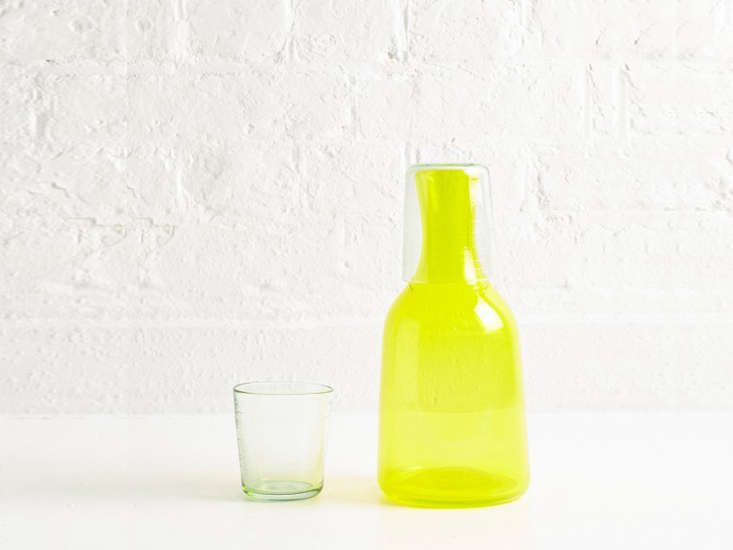
This handmade glass carafe set was originally listed through The New Craftsmen and highlighted by Remodelista as part of the design world’s love affair with colorful, two-tone glassware. The set includes a striking colored water carafe and two hand-blown glasses, all made in Michael Ruh’s London studio. It was offered in two color combinations: an aubergine carafe with tourmaline glasses, or a lemon carafe with lichen glasses. In other words, it is not shy. It is tableware with a personality, but thankfully not the kind that corners you at a dinner party to explain cryptocurrency.
For readers searching for Michael Ruh glassware, handblown carafe with glasses, artisan glass drinkware, or a designer bedside carafe set, this piece sits at the charming intersection of functional object and collectible craft. It is useful, beautiful, handmade, and just impractical enough to feel luxurious.
Who Is Michael Ruh?
Michael Ruh is a glass artist and master glassblower known for hand-blown tableware, lighting, vessels, and decorative objects. His studio, founded in London in 2004, is a partnership with fellow glassblower Natascha Wahl. Together, they create glassware for individuals, luxury brands, architects, restaurants, hotels, and interiors projects.
Ruh’s work is admired for its quiet tension between precision and softness. The silhouettes are simple, but not generic. The colors are rich, but not loud. The surfaces often carry subtle incised lines, a signature technique created while the glass is still hot. These marks give the pieces texture, movement, and a little visual electricity. They remind you that glass is not merely “made”; it is negotiated with heat, breath, gravity, timing, and nerve.
That last part matters. Handblown glass is a demanding medium. Molten glass does not pause politely while the maker checks a measurement. It cools, droops, stretches, resists, and occasionally behaves like a toddler in a museum gift shop. Ruh’s skill lies in shaping that unruly material into vessels that feel calm, balanced, and elegant.
Product Overview: What Makes the Carafe Set Special?
The original product listing described Michael Ruh’s Handblown Carafe With Glasses as an individually made, striking colored water carafe sold with two hand-blown glasses. The carafe measured approximately 11 centimeters wide, 11 centimeters long, and 24.5 centimeters high. The glasses measured approximately 7.5 centimeters wide, 7.5 centimeters long, and 8 centimeters high.
Key Details
- Designer: Michael Ruh
- Maker: Michael Ruh Studio, London
- Object type: Handblown water carafe with two glasses
- Material: Glass
- Original retailer: The New Craftsmen
- Original price at publication: £195 GBP
- Color options: Aubergine with tourmaline glasses, or lemon with lichen glasses
- Best uses: Bedside water, dining table service, guest room styling, gifting, or collecting handmade glassware
The design is especially clever because the carafe and glasses do not simply match. They converse. The colored carafe becomes the visual anchor, while the two smaller glasses add contrast and rhythm. It is the tabletop equivalent of a jazz trio: structured, expressive, and much cooler than it needs to be.
The Beauty of Two-Tone Glassware
Two-tone glassware has a particular magic. One color can feel clean and classic, but two colors introduce movement. They make the object shift as light passes through it. A lemon-colored carafe beside lichen-toned glasses feels fresh and botanical, while aubergine paired with tourmaline has a deeper, jewel-like mood. The result is not merely a water set; it is a tiny color study.
This matters because glass is one of the few household materials that performs differently throughout the day. Morning light makes colored glass glow. Afternoon light sharpens its edges. Evening lamplight gives it shadow and drama. A handblown carafe on a nightstand may look calm at noon and cinematic by 9 p.m. Add water, and the whole thing becomes even better, because liquid bends the color and makes the glass feel alive.
Unlike mass-produced drinkware that aims for perfect uniformity, handmade glass celebrates small variations. A rim may have a subtle waviness. A wall may be slightly thicker in one place. The color may gather more deeply near the base. These are not flaws; they are fingerprints of process. They tell you the piece came from a studio, not a factory line doing its best impression of eternal sameness.
Why Handblown Glass Still Feels Luxurious
Glassblowing is ancient, but it still feels almost magical. The basic idea sounds simple: gather molten glass, introduce air through a blowpipe, shape the form, and let it cool. In reality, the craft is a dance of timing and temperature. Too hot, and the glass collapses. Too cold, and it refuses to move. Blow too hard, and the shape distorts. Blow too softly, and nothing happens except a glassblower quietly judging your lung capacity.
The invention of glassblowing dramatically expanded the range of vessel shapes artisans could create. That history is part of what gives a contemporary handblown carafe its depth. When you use a piece like this, you are not just using a design object from the 21st century. You are touching a lineage of vessel-making that stretches back thousands of years, from ancient blown glass to the modern studio glass movement.
Michael Ruh’s work belongs to that lineage, but it is not nostalgic. His carafe set feels modern because it strips the object down to proportion, color, and tactility. No fussy engraving. No heavy crystal drama. No “grandma’s cabinet, do not touch” energy. Instead, the set is approachable and refined. It says, “Use me,” but also, “Maybe don’t toss me into the sink like a cereal bowl.”
Design Analysis: Form, Function, and Feeling
The Carafe
The carafe has a tall, narrow presence that works beautifully on a bedside table, dining console, or breakfast tray. Its height gives it elegance, while its compact footprint keeps it practical. A water carafe should be easy to lift, pour, and live with. This one manages that while still looking like a small sculpture.
The Glasses
The two glasses are low, simple, and tactile. Their proportions make them suitable for water, juice, a small cocktail, or that mysterious “just a little something” people pour when they are pretending not to snack after dinner. Because they stack visually with the carafe, the set feels cohesive even when not in use.
The Color
The color choices are where the design becomes memorable. Aubergine and tourmaline suggest depth, minerals, and evening light. Lemon and lichen feel brighter, greener, and more playful. Both combinations are sophisticated without becoming sterile. That balance is one of Ruh’s strengths: his glass can sit in a minimalist interior, but it still brings warmth.
Where to Use Michael Ruh’s Handblown Carafe With Glasses
This carafe set is versatile, but it shines in places where utility and beauty overlap. A nightstand is the obvious location. Instead of a plastic bottle or random tumbler, you get a complete bedside water set that feels intentional. In a guest room, it becomes a welcoming gesture. Guests may forget your Wi-Fi password, but they will remember the beautiful glass carafe beside the bed.
On the dining table, it works as a water service for two. For larger gatherings, it can serve as a color accent among clear glassware, ceramics, linen, and flowers. Because the form is not overly ornate, it pairs well with modern plates, rustic stoneware, vintage silverware, or simple wooden boards. It has enough character to hold its own, but it does not scream for attention like a centerpiece with unresolved childhood issues.
It also works beautifully on a desk or reading table. Fill it with water, iced tea, or citrus-infused water, and suddenly hydration feels less like a health goal and more like a civilized hobby. In a home office, that is no small victory.
How It Compares With Ordinary Glassware
An ordinary carafe is often purchased because the household needs a container. A Michael Ruh carafe set is purchased because the household wants a container with presence. That distinction is important. Both can hold water, but only one changes how the surrounding space feels.
Mass-market glassware is usually designed for consistency, affordability, and easy replacement. Those are good qualities. Nobody wants to hold a memorial service every time a tumbler breaks. But artisan glassware offers something different: individuality. The value is not only in the material; it is in the making. The slight variations, the hand-shaped curves, and the layered color all contribute to an object that feels personal.
That is why handmade glass often becomes part of a home’s emotional inventory. You remember where it sits. You remember who gave it to you. You remember the dinner where someone asked about it. It becomes a small story with a practical job.
Sustainability and Recycled Optical Glass
Michael Ruh Studio is known today for its commitment to recycled optical-quality glass. The studio has described its colored glass as 98 percent recycled optical glass and its clear glass as 100 percent recycled glass. That detail adds a thoughtful layer to the appeal. Sustainability in home design can sometimes feel like a lecture wearing beige linen, but here it is built into the material itself.
Optical-quality glass is prized for clarity and the way it interacts with light. In Ruh’s work, that clarity helps color feel deep rather than flat. The result is glassware that looks luminous without needing excessive decoration. It is a reminder that sustainable design does not have to look rough, rustic, or apologetic. It can be polished, colorful, and quietly glamorous.
Care Tips for Handblown Glass
Because handmade glass is special, it deserves sensible care. Unless a current seller or maker explicitly confirms dishwasher safety for a specific piece, hand-washing is the safest approach. Use warm water, mild dish soap, and a soft sponge or cloth. Avoid sudden temperature changes, such as pouring boiling water into a cold carafe, because thermal shock can damage glass.
Dry the pieces with a lint-free towel to prevent water spots. If the carafe is used for anything besides water, rinse it soon after use. For mineral buildup, a gentle soak with diluted white vinegar can help, followed by a thorough rinse. Do not use abrasive pads, harsh scouring powders, or the mysterious sponge under the sink that has seen things no sponge should see.
Storage also matters. Keep the glasses where they will not knock against heavier objects. If displaying the set, choose a stable surface away from busy elbows, enthusiastic pets, and children practicing indoor parkour.
Buying and Collecting Advice
Because this particular carafe set was associated with a previous product listing, availability may vary. Collectors searching for Michael Ruh’s Handblown Carafe With Glasses should check specialist craft retailers, design resale platforms, auction listings, and the Michael Ruh Studio’s current collections. Similar carafe and tumbler sets may appear under updated colorways or different collection names.
When evaluating a handmade glass set, look for clear product details: maker attribution, dimensions, condition, color description, and whether the glasses are original to the carafe. If buying secondhand, ask about chips, cracks, scratches, repairs, and signs of clouding. Tiny handmade variations are normal; damage is not.
For gifting, this set is excellent for weddings, housewarmings, milestone birthdays, or anyone who has already upgraded from “whatever mug is clean” to “I care about the objects I use every day.” It is elegant without being icy, practical without being boring, and memorable without requiring the recipient to find wall space.
Experience Section: Living With a Handblown Carafe Set
There is a quiet pleasure in using a beautiful carafe every day. It begins before the first sip. You fill the vessel at the sink, and the water changes the way the color behaves. The glass grows heavier in the hand. The light thickens around the base. Suddenly, the most ordinary household actgetting waterfeels like preparation for a small ceremony.
On a bedside table, Michael Ruh’s handblown carafe set changes the mood of the room. It makes the bed feel more like a boutique hotel bed, even if there is laundry on the chair and a charging cable staging a rebellion on the floor. The carafe gives the room a sense of intention. It says someone thought about comfort, proportion, color, and the late-night need for water after too much salty takeout.
The two glasses also create a social feeling. A single tumbler can seem purely personal, but a carafe with two glasses suggests hospitality. It is ready for a guest, a partner, a morning conversation, or a shared tray of breakfast. Even when used alone, the second glass gives the set a generous quality. It feels less like an object and more like an invitation.
At dinner, the experience becomes more visual. Place the carafe beside a simple salad, a loaf of bread, and a few candles, and it instantly brings depth to the table. Colored glass has a way of making everything around it look more considered. White plates look cleaner. Linen looks softer. Flowers look less like an afterthought grabbed from the grocery store while buying paper towels.
The handblown quality becomes most noticeable in touch. Machine-made glass can be beautiful, but it often feels anonymous. A handmade glass has small differences that your fingers detect before your eyes do. The rim, the weight, the curve, the thickness near the basethese details turn use into awareness. You hold the glass slightly more carefully, not out of fear, but out of respect.
That respect may be the real luxury. In a world full of disposable objects, a handblown carafe asks you to slow down. It asks you to pour instead of grab, rinse instead of abandon, display instead of hide. It brings beauty to hydration, which is admittedly a dramatic assignment for a water vessel, but this one handles it gracefully.
There is also pleasure in watching other people notice it. Someone will eventually ask, “Where did you get that?” This is the moment the carafe earns its keep as a conversation piece. You can explain that it was made by Michael Ruh, a glassblower known for tactile forms, rich color, and meticulous craftsmanship. Or you can simply say, “It’s handblown,” and let the object do the talking. It has been waiting politely for its cue.
Conclusion: Small Object, Big Atmosphere
Michael Ruh’s Handblown Carafe With Glasses is more than a water set. It is a compact expression of craft, color, and everyday elegance. Its appeal comes from the way it combines usefulness with artistry: a carafe you can actually pour from, glasses you can actually drink from, and colors that make the whole arrangement feel alive.
For design lovers, it offers the satisfaction of owning handmade glass by a respected maker. For collectors, it represents a beautiful example of contemporary studio glassware. For hosts, it adds charm to the table or guest room. For anyone who has ever looked at a plastic water bottle on a nightstand and thought, “Surely civilization can do better,” this carafe set is the answer.
In the end, the best handmade objects do not simply decorate a home. They improve the rituals that happen inside it. This Michael Ruh carafe set does exactly that, one luminous pour at a time.

