
Beauty Unlocked
Melanoma and Skin Cancer Symptoms
May
Skin cancer is sneaky. It does not kick open the front door, announce itself with dramatic music, and hand you a warning label. More often, it shows up as a spot that “probably wasn’t there before,” a mole that seems to be changing its personality, or a sore that refuses to heal even though you have given it plenty of time and maybe a suspicious amount of optimism.
Understanding melanoma and skin cancer symptoms is one of the simplest ways to protect your health. Skin cancer is highly treatable when found early, but early detection depends on noticing changes before they become serious. That means learning what normal moles usually look like, what suspicious skin changes may mean, and when it is time to stop Googling and call a dermatologist.
This guide explains the warning signs of melanoma, basal cell carcinoma, squamous cell carcinoma, and other suspicious skin changes in plain American English. No medical-school decoder ring required.
What Is Skin Cancer?
Skin cancer begins when skin cells grow abnormally. The most common trigger is damage from ultraviolet radiation, better known as UV rays. UV exposure can come from sunlight, tanning beds, and sunlamps. Your skin may look calm on the surface, but repeated UV damage can change the DNA inside skin cells over time.
The three major types of skin cancer are:
- Basal cell carcinoma: The most common type, usually slow-growing and often found on sun-exposed skin.
- Squamous cell carcinoma: Also common, often appearing as rough, scaly, crusted, or firm lesions.
- Melanoma: Less common than basal and squamous cell cancers, but more dangerous because it is more likely to spread if not treated early.
Here is the important part: not all skin cancers look the same. Some are dark. Some are pink. Some are shiny. Some are scaly. Some look like a stubborn pimple, a scar, a wart, or a tiny wound that missed the memo about healing.
Melanoma Symptoms: The Warning Signs You Should Know
Melanoma can develop in an existing mole, but it can also appear as a brand-new spot on skin that looked completely normal. That is why checking only the moles you already know is not enough. You should also look for new growths, unusual marks, or changes anywhere on your skin.
The ABCDE Rule for Melanoma
The ABCDE rule is one of the most useful tools for spotting possible melanoma symptoms:
- A is for Asymmetry: One half of the spot does not match the other half.
- B is for Border: The edges are irregular, blurred, scalloped, jagged, or poorly defined.
- C is for Color: The color is uneven or includes different shades of brown, black, tan, red, white, blue, or pink.
- D is for Diameter: The spot is larger than about 6 millimeters, roughly the size of a pencil eraser, although melanomas can be smaller.
- E is for Evolving: The mole or spot changes in size, shape, color, height, texture, or sensation.
If you remember only one letter, make it E. A changing mole deserves attention. Skin spots are allowed to exist, but they should not be auditioning for a new role every month.
The “Ugly Duckling” Sign
Another useful clue is the “ugly duckling” sign. Most people have moles that look somewhat similar to one another. A suspicious mole may stand out because it looks different from the rest. It may be darker, larger, oddly shaped, unusually colorful, or simply strange compared with your other spots.
Think of your skin like a neighborhood. If most of the houses are beige ranch homes and one is a purple castle with a moat, you would notice. That one deserves a closer look.
Melanoma May Itch, Bleed, or Crust
Melanoma is often painless in the beginning, which is one reason people ignore it. However, as it develops, it may itch, bleed, ooze, become tender, form a crust, or feel sore. A mole that suddenly becomes irritated without a clear reason should be checked.
Other possible melanoma warning signs include:
- A sore that does not heal
- A mole that becomes raised or swollen
- Redness spreading beyond the edge of a mole
- A dark streak under a fingernail or toenail
- Discoloration on the palms, soles, mouth, or other less visible areas
Basal Cell Carcinoma Symptoms
Basal cell carcinoma is the most common form of skin cancer. It often grows slowly and usually appears on areas that get a lot of sun, such as the face, ears, neck, scalp, shoulders, arms, and hands. But “usually” is not the same as “always,” so do not ignore suspicious spots in covered areas.
Common basal cell carcinoma symptoms include:
- A shiny, pearly, or waxy bump
- A pink or red patch that may be slightly scaly
- A sore that bleeds, crusts, heals, and then returns
- A flat, scar-like area without a known injury
- A bump with visible tiny blood vessels
- A pale or flesh-colored growth that slowly enlarges
Basal cell carcinoma can be easy to dismiss. It may look like a pimple, an acne mark, a shaving nick, or a dry patch. The difference is that ordinary skin problems usually improve. A suspicious lesion keeps hanging around like an uninvited guest who brought luggage.
Squamous Cell Carcinoma Symptoms
Squamous cell carcinoma often develops on sun-exposed areas, including the face, lips, ears, scalp, neck, arms, and backs of the hands. It can also appear in scars, chronic wounds, and areas not commonly exposed to the sun.
Common squamous cell carcinoma symptoms include:
- A rough, scaly, red, pink, or darker patch
- A firm raised bump or nodule
- A wart-like growth
- A sore that does not heal
- A crusted or bleeding lesion
- A tender, painful, itchy, or burning spot
Squamous cell carcinoma may grow faster than basal cell carcinoma and can become serious if left untreated. A rough patch that keeps crusting, bleeding, or returning should not be treated like a cosmetic annoyance. It is worth a medical opinion.
Symptoms of Skin Cancer in Different Skin Tones
Skin cancer can affect people of every skin tone. While lighter skin has less melanin and is more vulnerable to UV damage, darker skin is not immune. In fact, skin cancer in people with brown or Black skin may be diagnosed later because suspicious changes are easier to miss or are mistaken for harmless marks.
In darker skin tones, melanoma may appear in places that do not get much sun, including:
- Palms of the hands
- Soles of the feet
- Under fingernails or toenails
- Inside the mouth
- Genital areas
A dark streak under a nail, a changing patch on the sole, or a sore in an unusual location should be evaluated. The rule is simple: if a spot is new, changing, bleeding, painful, or not healing, it deserves attention no matter your complexion.
Where Skin Cancer Symptoms Commonly Appear
Skin cancer often develops where UV exposure is highest. These areas include the face, nose, ears, lips, neck, scalp, shoulders, chest, forearms, and hands. Bald or thinning areas of the scalp are especially vulnerable because the sun is rude and does not respect hairlines.
However, melanoma can appear almost anywhere. It may develop between toes, under nails, on the back, on the legs, or in areas covered by clothing. That is why a full-body skin check matters. A quick glance in the bathroom mirror is helpful, but it is not exactly a complete investigation.
When Should You See a Dermatologist?
You should contact a healthcare provider or dermatologist if you notice any of the following:
- A new mole or growth that looks unusual
- A mole that changes in size, shape, color, or texture
- A spot that bleeds, crusts, oozes, or does not heal
- A lesion that itches, hurts, burns, or becomes tender
- A dark streak under a nail without clear injury
- A sore that heals and then comes back
- A spot that looks different from all your other spots
Many suspicious-looking skin changes are not cancer. That is the good news. The better news is that a dermatologist can examine the spot and, if needed, perform a biopsy to find out what it is. Guessing is not a diagnostic strategy, even if your bathroom lighting makes you feel like a detective.
How to Check Your Skin at Home
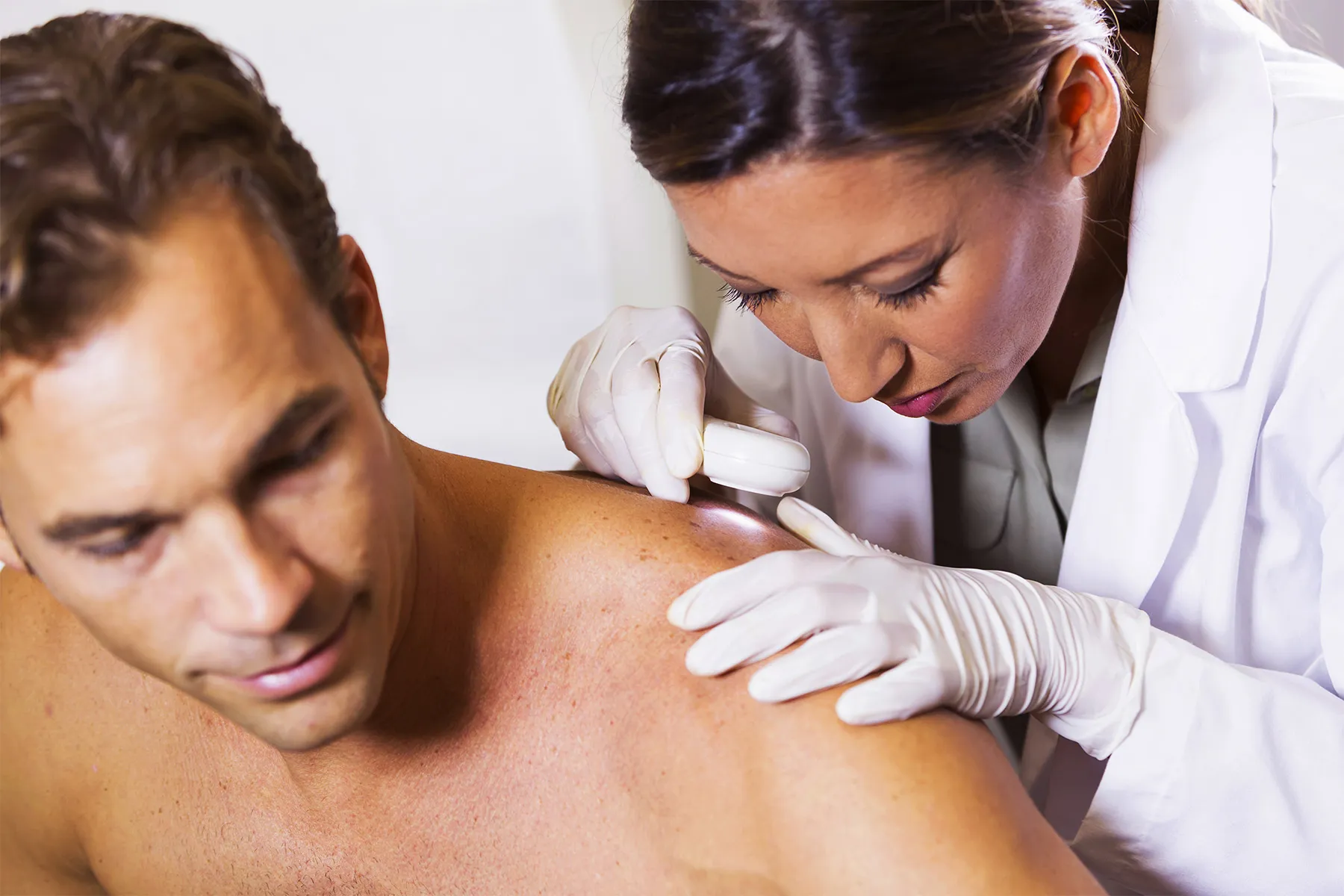
A monthly skin self-exam can help you notice changes early. Choose a consistent time, such as the first day of each month. Use a full-length mirror, a hand mirror, and good lighting. If possible, ask a partner, friend, or family member to check hard-to-see areas like your back and scalp.
Simple Skin Check Steps
- Check your face, nose, lips, ears, and scalp.
- Look at your hands, between your fingers, and under your nails.
- Examine your arms, elbows, underarms, chest, and stomach.
- Check your neck, shoulders, back, and buttocks.
- Look at your legs, feet, soles, toes, and toenails.
- Use the ABCDE rule and watch for ugly duckling spots.
- Take photos of moles you want to monitor over time.
Photos can be helpful because memory is not always reliable. A mole may look “kind of the same” until you compare it with last month’s picture and realize it has been quietly expanding its territory.
Risk Factors That Make Skin Checks Even More Important
Anyone can get skin cancer, but some people have a higher risk. You may need extra vigilance if you have:
- A personal or family history of skin cancer
- Many moles or unusual moles
- Fair skin, freckles, red or blond hair, or light eyes
- A history of sunburns, especially blistering sunburns
- Frequent tanning bed use
- A weakened immune system
- Long-term outdoor work or recreation
- Previous radiation treatment
Risk factors do not guarantee skin cancer, and having no risk factors does not make you invincible. They simply help you decide how careful you should be. Spoiler: careful is always a good look.
Prevention: How to Lower Your Skin Cancer Risk
Not every case of skin cancer can be prevented, but many risks can be reduced. The main goal is to limit UV damage.
Smart Sun Protection Habits
- Use broad-spectrum sunscreen with SPF 30 or higher.
- Apply sunscreen generously and reapply every two hours, or after swimming or sweating.
- Wear protective clothing, wide-brimmed hats, and UV-blocking sunglasses.
- Seek shade, especially during peak sunlight hours.
- Avoid tanning beds and sunlamps.
- Protect your skin year-round, not only at the beach.
Clouds do not cancel UV rays. Winter does not cancel UV rays. “I’m just running errands” does not cancel UV rays. Sunscreen is not only for vacations where someone inevitably forgets to pack the charger.
Common Mistakes People Make With Skin Cancer Symptoms
One common mistake is waiting for pain. Many skin cancers do not hurt at first. Another mistake is assuming a spot is harmless because it is small. Melanoma can be smaller than a pencil eraser, especially early on.
People also ignore spots in hidden areas, including the scalp, soles, and under nails. Others assume that if a sore heals temporarily, it must be fine. But some skin cancers bleed, crust, appear to improve, and then return.
The safest mindset is not panic. It is curiosity. When a skin change behaves oddly, ask a professional. Your skin is not being dramatic; it may be giving you useful information.
Real-Life Style Examples of Suspicious Skin Changes
Imagine a small shiny bump on the side of the nose. It looks like a pimple, but it never fully goes away. Sometimes it bleeds when washed. That could be a basal cell carcinoma symptom.
Now imagine a rough, crusty patch on the ear that keeps flaking and returning. It feels tender when touched and has been there for months. That could resemble squamous cell carcinoma.
Or picture a mole on the back that used to be round and brown but now has uneven edges, several colors, and a larger size. That is the kind of change that raises concern for melanoma.
None of these examples proves cancer. They do prove that suspicious skin changes should be checked, not ignored.
Personal Experience and Practical Lessons About Melanoma and Skin Cancer Symptoms
One of the most practical lessons about melanoma and skin cancer symptoms is that people rarely notice every change on their skin in real time. Life is busy. You shower quickly, get dressed faster than planned, and do not usually inspect your shoulder blade like it is a museum artifact. That is exactly why routine skin checks matter. They turn accidental discovery into a habit.
Many people first become aware of a suspicious spot because someone else notices it. A spouse sees a changing mole on the back. A barber notices a scaly patch on the scalp. A friend points out a dark mark near the ear. These moments can feel awkward, but they are often helpful. Skin cancer symptoms may appear in areas you cannot easily see, and there is no award for detecting everything alone.
Another real-world lesson is that suspicious spots often look ordinary at first. A pearly bump may look like clogged skin. A scaly patch may seem like dryness. A bleeding spot may be blamed on scratching. A dark streak under a nail may be dismissed as an old injury. Sometimes those explanations are correct. Sometimes they are not. The difference usually becomes clearer when the spot persists, changes, or returns after seeming to heal.
People also tend to underestimate the value of photos. Taking a clear picture of a mole once a month can reveal changes that the human brain smooths over. Without photos, you may tell yourself, “It has always looked like that.” With photos, you may realize the border has become uneven or the color has shifted. Your phone camera should not replace a dermatologist, but it can help you communicate clearly during an appointment.
A helpful habit is creating a simple “skin map.” You do not need fancy software. You can write down where your noticeable moles are and note anything unusual: size, color, shape, or symptoms like itching. If a spot changes, you have a record. Dermatologists appreciate clear timelines because “sometime recently” is less useful than “this mole started bleeding about six weeks ago.”
Sun protection is another area where experience teaches humility. Many people apply sunscreen once and assume they are protected all day. In real life, sweat, water, towels, clothing friction, and time reduce coverage. Sunscreen works best when applied generously and reapplied. Hats, shade, sunglasses, and protective clothing are not overkill; they are backup singers helping sunscreen hit the high notes.
It is also worth remembering that skin cancer awareness should not create fear of the outdoors. The goal is not to live like a vampire with better Wi-Fi. The goal is to enjoy life while lowering unnecessary UV exposure and paying attention to meaningful skin changes. Outdoor walks, beach days, sports, gardening, and travel can still be part of a healthy life. Just bring the hat, use the sunscreen, and check your skin afterward.
The most important experience-based takeaway is simple: do not wait until a spot becomes frightening. If a mole changes, a sore will not heal, a bump keeps bleeding, or a patch looks unlike anything else on your skin, schedule an exam. Early action is not overreacting. It is responsible maintenance, like changing the oil in your car before the engine starts making expensive noises.
Conclusion
Melanoma and skin cancer symptoms can be subtle, but they are not impossible to spot. Watch for new growths, changing moles, sores that do not heal, rough or scaly patches, shiny bumps, bleeding lesions, and spots that look different from the rest. Use the ABCDE rule, remember the ugly duckling sign, and check your skin regularly from scalp to soles.
Most suspicious spots are not emergencies, but they do deserve attention. When skin changes persist, evolve, bleed, itch, hurt, or simply seem wrong, a dermatologist can help you get answers. Your skin is your body’s largest organ. It has been with you through sunburns, bug bites, bad haircuts, and questionable fashion phases. Return the favor by listening when it speaks up.

