
Makeup
5 of the Worst Fathers In the Animal Kingdom
May
Fatherhood in nature is not always the warm-and-fuzzy scene we imagine from greeting cards: a proud dad, a tiny baby, maybe a mug that says “World’s Best Pop.” In the animal kingdom, parenting can be much stranger, harsher, and occasionally so brutal that even a sitcom dad would look like a saint by comparison.
To be fair, animals are not making moral choices the way humans do. A male lion is not waking up and thinking, “Today I shall be emotionally unavailable.” Animal behavior is shaped by survival, reproduction, competition, hunger, hormones, and environmental pressure. Still, when we look at certain species through the lens of parental care, some males earn a truly spectacular “do not leave alone with the kids” reputation.
This article looks at five examples of bad animal fathersor, more accurately, males whose behavior toward offspring can be neglectful, dangerous, cannibalistic, or just biologically rude. From cub-killing lions to egg-eating fish dads, these creatures remind us that nature is beautiful, yes, but it also has absolutely no HR department.
What Makes an Animal a “Bad Father”?
Before ranking the worst fathers in the animal kingdom, it helps to define what “bad father” means in a wildlife context. In many species, males provide no parental care at all. That is not automatically “bad”; it may simply be how the species evolved. In other species, males actively protect, feed, warm, or carry their young. Think emperor penguins, seahorses, poison dart frogs, and many birds. Those dads deserve tiny trophies.
The animals on this list go beyond ordinary non-involvement. Some males kill offspring to bring females back into breeding condition. Some eat eggs they were supposed to guard. Some attack young when social conditions flip the wrong biological switch. Others are so focused on mating opportunities that fatherhood becomes less of a family plan and more of a hostile takeover.
So, yes, the title is playful. These animals are not villains in little fur coats. But as examples of animal parenting behavior, they are fascinating, unsettling, and oddly useful for understanding evolution.
1. Male Lions: The Pride Takeover Dad Nobody Asked For
Male lions look regal, majestic, and ready to pose for a national anthem. But when a new male or coalition of males takes over a pride, the royal image can turn dark very quickly. New males may kill existing cubs that were fathered by previous males. This behavior, known as infanticide, is one of the most famous examples of harsh reproductive strategy in mammals.
The reason is brutally practical. A lioness nursing young cubs may not come into heat again for months or even years. If those cubs die, she can become receptive sooner, allowing the new male to father his own offspring. From the male lion’s evolutionary point of view, raising another male’s cubs is not a winning investment. From the cubs’ point of view, the new stepdad is basically a walking disaster with a mane.
Why Male Lions Make the List
Male lions are not always terrible fathers. A resident male can help protect a pride from rival males, hyenas, and other threats. His presence may indirectly benefit his own cubs. But the takeover behavior is so severe that male lions deserve a place among the worst fathers in the animal kingdom. When your parenting strategy includes “remove the previous children from the equation,” you are not getting invited to the PTA.
This behavior also shows how animal fatherhood is often tied to paternity certainty. If a male has reason to believe the young are his, he may tolerate or defend them. If they are likely sired by a rival, those cubs may be in serious danger. In the wild, family drama does not need a reality TV producer. It comes with claws.
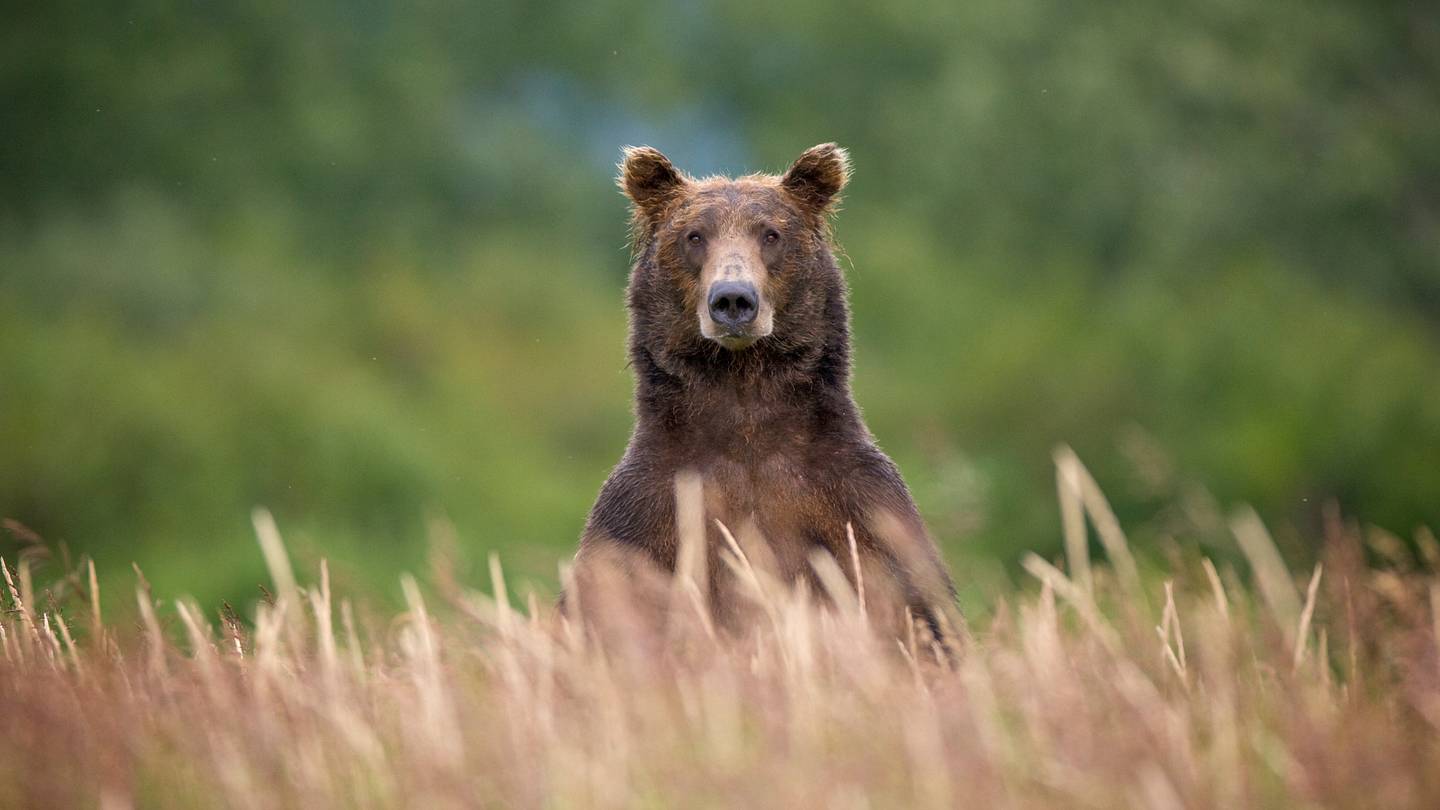
2. Male Bears: Solitary, Powerful, and Occasionally Cannibalistic
Bears are often associated with motherhood, and for good reason. Female bears can be fiercely protective, nursing cubs, teaching them to forage, and defending them against danger. Male bears, however, usually do not help raise cubs. In several bear species, adult males may even kill cubs, sometimes consuming them afterward.
This has been documented in species such as brown bears and polar bears. The motive may vary. In some cases, killing unrelated cubs may help a male gain a future mating opportunity with the mother. In other situations, especially in harsh environments, cubs may become a food source. Either way, it is not exactly “father-son camping weekend.”
Why Male Bears Make the List
Male bears are mostly solitary animals, so nobody expects them to show up with lunch boxes and bedtime stories. Still, the risk they can pose to cubs makes them one of nature’s more alarming examples of male behavior around young. Mother bears may avoid adult males during cub-rearing seasons, and that tells us plenty. When mom’s parenting strategy includes “keep the children away from dad-sized males,” the family newsletter is not going well.
Polar bear cubs, for example, depend heavily on their mothers for survival in a difficult Arctic environment. Cubs need milk, warmth, protection, and time to learn how to hunt. An adult male bear entering that picture may be less “supportive co-parent” and more “uninvited apex predator.” In ecological terms, that is a serious survival threat. In human terms, it is a dad fail with teeth.
3. Sand Gobies and Other Fish Dads: Guardians Who Snack on the Nursery
Some fish fathers are surprisingly dedicated. In many species, males guard eggs, fan them with fresh oxygenated water, clean the nest, and defend the brood from predators. On paper, that sounds like excellent parenting. Then comes the twist: some of these same males may eat some or even all of the eggs they are guarding.
This behavior is called filial cannibalism, which is the scientific way of saying, “Dad ate the kids.” It has been studied in species such as sand gobies, sticklebacks, blennies, and other fishes with male parental care. Sometimes males consume eggs that are unhealthy, unfertilized, infected, or unlikely to survive. In those cases, the behavior may help protect the remaining clutch. But males may also eat eggs when the brood is small, when parental care is costly, or when future mating opportunities seem more valuable than the current batch of offspring.
Why Egg-Eating Fish Fathers Make the List
These fish dads are complicated. They often do real work: guarding, cleaning, fanning, and defending. But the whole “turning the nursery into a buffet” issue is hard to ignore. Imagine hiring a babysitter who says, “I protected most of them.” That is not a five-star review.
Filial cannibalism is not random cruelty. It can be an adaptive trade-off. A male fish has limited energy. If caring for a small or low-quality clutch reduces his chances of future reproduction, eating the eggs may help him recover energy or reset his reproductive strategy. Evolution does not ask, “Is this heartwarming?” It asks, “Does this improve lifetime reproductive success?” This is why nature documentaries need both soft music and legal disclaimers.
For SEO readers interested in animal parenting behavior, fish fathers are especially fascinating because they challenge easy labels. A male goby may be both a caregiver and a cannibal. That makes him not only one of the worst fathers in the animal kingdom, but also one of the most confusing.
4. Male Mice: Tiny Bodies, Big Infanticide Problem
At first glance, a mouse seems too small to be terrifying. It has whiskers, tiny paws, and the general appearance of something that should live inside a teacup. But male mice can show harsh behavior toward pups, especially under certain social or reproductive conditions.
In house mice and other rodent species, males may attack or kill newborn pups. Research has shown that male mice can shift between infanticidal behavior and parental behavior depending on mating experience, timing, social exposure, hormones, and brain activity. In some cases, after mating and living with a pregnant female, a male’s behavior changes so that he becomes less likely to attack pups and more likely to care for them. In other words, the mouse brain may eventually say, “Oh, wait, these might be mine.”
Recent research on African striped mice has made this even more interesting. Male striped mice can be caring fathers, but social conditions and gene activity can influence whether they nurture pups or become aggressive toward them. Scientists have connected changes in the brain’s parenting-related regions with differences in care, neglect, and infanticide.
Why Male Mice Make the List
Male mice earn their spot because their fatherly behavior can be alarmingly conditional. Under one set of circumstances, a male may care for pups. Under another, he may become a threat. That makes mouse fatherhood less like a stable family plan and more like a software update you hope installs correctly.
This does not mean every male mouse is a miniature monster. Many rodents have complex social systems, and some species show meaningful paternal care. But the fact that pup-killing can be triggered by social, sensory, and reproductive cues makes male mice one of the clearest examples of how fragile parenting behavior can be in the animal kingdom.
5. Male Chimpanzees: Smart, Social, and Sometimes Brutal
Chimpanzees are among our closest living relatives, which makes their behavior both fascinating and uncomfortable. They use tools, form alliances, recognize social relationships, and show emotional complexity. They also live in competitive communities where aggression can be intense. In some chimpanzee populations, males have been observed killing infants.
Male infanticide in primates is often linked to sexual selection, dominance, and mating competition. If a male kills an infant that is not his, the mother may resume cycling sooner, potentially creating a future mating opportunity. Chimpanzee societies are not simple, and not all males behave the same way. Some males may tolerate infants, interact with them, or form bonds with mothers. But the recorded cases of infant killing place male chimpanzees among the more disturbing examples of animal fatherhood gone wrong.
Why Male Chimpanzees Make the List
Chimpanzees make this list because their intelligence does not prevent brutal reproductive behavior. In fact, their social complexity can make the behavior even more unsettling. Male chimpanzees compete for rank, access to females, and influence within the group. Infants can become caught in that competition.
For humans, this is emotionally difficult to process because chimpanzees seem familiar. Their faces, gestures, and family bonds remind us of ourselves. That familiarity can make their violence feel especially shocking. But scientifically, it shows that parental care, aggression, and reproductive strategy are deeply shaped by social context. Intelligence does not automatically create tenderness. Sometimes it just gives competition a sharper toolkit.
Why Bad Animal Fathers Exist
The worst fathers in the animal kingdom are not bad because they lack character. They are products of evolutionary pressure. If a behavior increases the chance that a male passes on his genes, it may persist even if it looks horrifying to us.
Reproductive Competition
Many examples of male infanticide are tied to competition. If killing unrelated young allows a male to mate sooner, the behavior may offer a reproductive advantage. This is seen in lions, some primates, rodents, and other mammals.
Energy Trade-Offs
Parental care costs energy. Guarding eggs, defending cubs, or feeding offspring can reduce a male’s chances of surviving or reproducing again. In fish, eating part of a clutch may help a male conserve energy or improve future mating success.
Paternity Uncertainty
Some males are more likely to invest in offspring when they are likely to be the biological father. When paternity is uncertain, care may decline and aggression may increase. This helps explain why mating systems matter so much in animal parenting behavior.
Environmental Pressure
Food scarcity, population density, habitat stress, and social instability can all influence paternal behavior. A male that is tolerant in one setting may be aggressive in another. Nature loves context, even when context is deeply inconvenient.
Are There Good Fathers in the Animal Kingdom?
Absolutely. The animal kingdom is full of excellent dads. Male emperor penguins incubate eggs through brutal Antarctic conditions. Seahorse males carry developing young in a pouch. Some poison dart frog fathers transport tadpoles to water. Many bird species help feed chicks, defend nests, and keep family life running like a tiny feathered logistics company.
That contrast is what makes bad animal fathers so interesting. Paternal care is not one simple behavior. It evolves when the benefits outweigh the costs. In some species, fatherhood is essential to offspring survival. In others, males contribute little. And in the most extreme cases, males may become a direct threat to the next generation.
Experience-Based Reflections: What These “Worst Fathers” Teach Us About Nature
Reading about the worst fathers in the animal kingdom can feel like opening a family album and finding out half the relatives are suspects in a wildlife crime documentary. But the experience is also strangely educational. These examples force us to stop thinking of nature as either cute or cruel and start seeing it as strategic, flexible, and often brutally efficient.
One of the most memorable lessons from studying animal fatherhood is that parenting is not automatic. Humans often talk about parental instinct as if it is a button that switches on and stays on forever. In wildlife, the button may be connected to hormones, mating history, food availability, social rank, paternity cues, and environmental stress. A male mouse may attack pups before mating and care for them later. A fish may guard eggs carefully, then eat part of the clutch when conditions change. That does not make the behavior emotionally pleasant, but it does make it biologically revealing.
Another experience that stands out is how quickly our human expectations get in the way. We see a lion cub and want every adult nearby to protect it. We see a bear cub and imagine a complete bear family, perhaps with dad teaching fishing lessons like a furry outdoor instructor. Nature usually refuses to cooperate with our sentimental script. In many mammals, mothers do almost all the work, while males compete for mating opportunities. The result can look cold, but it reflects a reproductive system built over thousands of generations.
These animal examples also make good fathers look even more impressive. When a male bird feeds chicks from sunrise to sunset or a seahorse carries developing embryos, that care represents a major evolutionary investment. It means the male’s effort increases offspring survival enough to be worth the cost. Good animal dads are not just cute; they are living proof that cooperation can be a successful survival strategy.
For writers, teachers, parents, and curious readers, the topic is useful because it opens a doorway into deeper conversations. It can lead to discussions about evolution, animal behavior, ecology, reproduction, and the danger of projecting human morals onto wildlife. It can also make a classroom or blog article instantly more engaging because, let’s be honest, “fish dad eats eggs” gets attention faster than “parental investment theory.” Science sometimes needs a dramatic entrance.
The final experience is humility. The animal kingdom does not exist to comfort us. It exists because different strategies work in different environments. Some fathers protect. Some disappear. Some compete. Some eat the eggs and somehow still fit into the logic of natural selection. That may not be heartwarming, but it is real. And in its own wild, uncomfortable way, it makes nature even more fascinating.
Conclusion
The worst fathers in the animal kingdom show that parenting in nature is not always gentle, loyal, or even safe. Male lions may kill cubs after taking over a pride. Male bears can pose a deadly threat to young cubs. Some fish fathers guard eggs only to eat them later. Male mice can shift between care and infanticide depending on biological and social cues. Male chimpanzees, despite their intelligence and complex societies, can also engage in infant-killing behavior.
These examples are shocking, but they are not random. They reveal how survival and reproduction shape animal behavior. In nature, fatherhood is not judged by greeting cards, bedtime stories, or attendance at soccer games. It is judged by evolutionary outcomes. Sometimes that creates devoted dads. Sometimes it creates dads that should not be left in charge of the nursery.
Note: The phrase “worst fathers” is used as a playful human label. The animal behaviors described here are based on real observations and scientific research, but animals act according to evolutionary pressures, not human moral rules.

