
Makeup
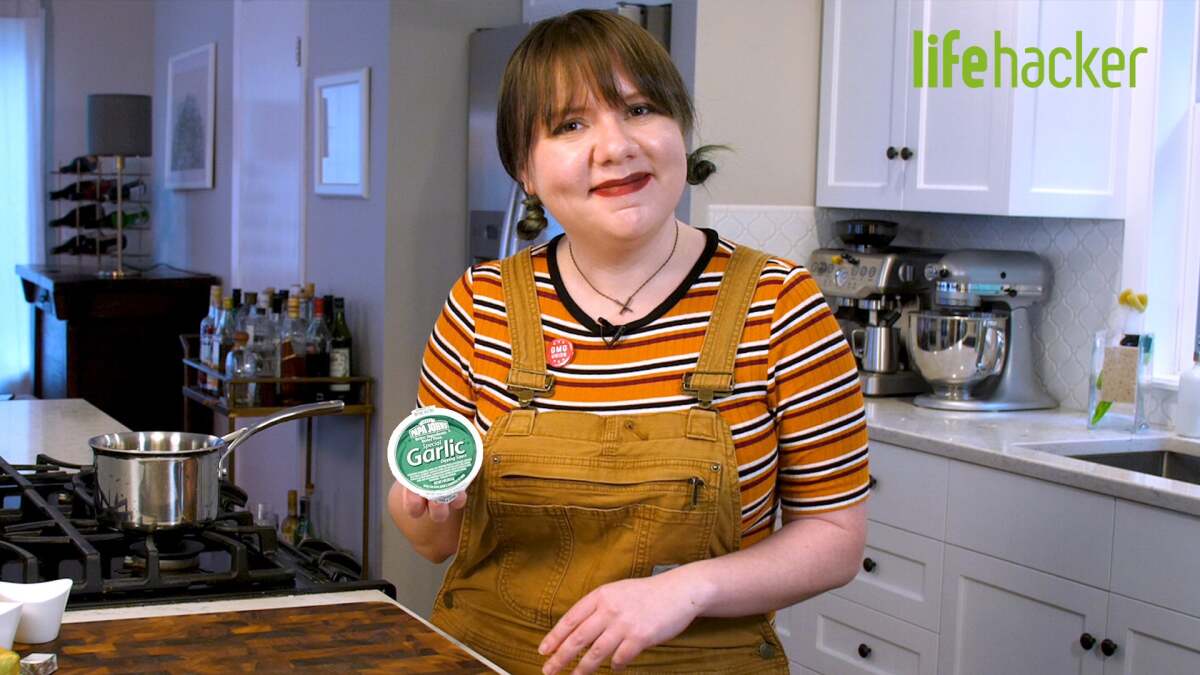
Make Papa John’s Garlic Butter Sauce With No Garlic and No Butter
Aug
You want that iconic “pizza-night liquid gold” dipcreamy, salty, rich, and suspiciously addictive
but you also want zero garlic and zero butter. At first glance, that sounds like ordering a cheeseburger
and asking them to hold the… burger and cheese.
Here’s the plot twist: that famous Papa John’s-style “garlic butter sauce” vibe isn’t actually dependent on butter.
It’s built on a few flavor pillars: fat + salt + tang + savory aroma + that warm yellow color.
Nail those, and your taste buds will happily sign the paperwork that says, “Yep, close enough.”
This guide gives you two foolproof recipes (a fast pantry version and a more “ingredient-label nerd” version),
plus substitutions for common dietary needs (vegan, dairy-free, garlic allergy, low-sodium, gluten-free).
And yeswe’ll keep it fun, because sauces should never be stressful. If a dip is raising your blood pressure,
it’s doing the job wrong.
Why This Works: The “Flavor Blueprint” Behind That Famous Dip
The classic dipping sauce style used by big pizza chains is typically an oil-forward sauce with:
a little water, salt, emulsifiers (to keep it from separating), gentle acidity (to pop the flavor),
and color (so it looks like it belongs on a breadstick). The garlic is a major notebut it’s not the only note.
So when we remove garlic and butter, we don’t try to “recreate garlic and butter.” We recreate the
experience: rich mouthfeel, savory aroma, a tiny tang, and that “buttery” suggestion that makes pizza crust taste
like it just got a promotion.
The 5 flavor targets
- Fat (body): the sauce feels plush and coats the crust.
- Salt (spark): makes the flavor “wake up.”
- Tang (brightness): a tiny acidic note that keeps it from tasting flat or greasy.
- Savory aroma (the trick): the part your brain interprets as “garlic-butter-ish.”
- Golden color (the psychology): your eyes taste first. They’re dramatic like that.
The No-Garlic, No-Butter Game Plan
1) Replace butter with “buttery vibes,” not butter
Without butter, you need ingredients that suggest butter: creamy richness, a little toastiness,
and a savory depth. Great options:
-
Neutral oil + a touch of refined coconut oil: coconut oil adds body and that “melt” sensation.
Use refined so it doesn’t taste like a beach vacation. -
Nutritional yeast: adds savory, slightly “cheesy” depth that reads as richness.
(It’s the overachiever of the pantry.) -
Butter-flavor extract (optional): a few drops can provide a bakery-style butter aroma.
Choose one that matches your dietary needs (some are dairy-free; always check labels).
2) Replace garlic with “allium illusion” (no garlic required)
If you can’t use garlic, don’t chase garlic. Chase the savory allium profile.
These bring a similar family of aromas:
- Asafoetida (hing): used in many cuisines to mimic onion/garlic depth with a pinch. A pinch. Not a spoonful.
- Onion powder: gentle, familiar, and dependable.
- Dried chives: gives that “garlic-adjacent” green note without tasting like salad.
- White pepper: adds subtle bite that can trick the palate into “there’s something going on here.”
Important: If you’re avoiding garlic due to an allergy or sensitivity, read labels carefullysome spice blends
contain hidden garlic or “natural flavors” derived from alliums.
3) Add tang + salt like a pro
A small amount of acid makes the dip taste brighter and less oily. Options:
lemon juice (tiny amount), white vinegar, or a pinch of citric acid.
The goal is “pop,” not “lemonade stand.”
4) Keep it smooth: emulsify or accept a shake-and-dip lifestyle
Restaurant-style sauces often use emulsifiers to keep oil and water from splitting. At home you can:
- Use lecithin (best match): helps oil and water stay blended.
- Use prepared mustard (easy mode): mustard naturally helps emulsify and adds a tiny tang.
- Use a blender + patience: good blending can hold things together long enough to eat pizza. Which is… the point.
Recipe #1: Fast “Pizza-Night” No-Garlic, No-Butter Dipping Sauce
This version is the one you make when the pizza is already on the table and everyone is suddenly starving like
they ran a marathon. No special ingredients required.
Ingredients (makes about 1/2 cup)
- 1/3 cup neutral oil (canola, vegetable, grapeseed)
- 2 tablespoons refined coconut oil, melted (for body) or use more neutral oil if you prefer
- 2 tablespoons warm water
- 1 tablespoon nutritional yeast (optional but highly recommended)
- 1/2 teaspoon onion powder
- 1/4 teaspoon dried chives (or a pinch more to taste)
- 1/4 teaspoon fine salt (start here, adjust after mixing)
- 1/2 teaspoon prepared yellow mustard (emulsifier + tang)
- 1/2 teaspoon lemon juice or white vinegar (optional, for brightness)
- Optional “butter aroma”: 2–4 drops butter-flavor extract (check labels to match your dietary needs)
- Optional “allium illusion”: a tiny pinch of asafoetida (hing) (seriously tinylike the amount you’d regret if it spilled)
- Pinch of turmeric (for color, optional)
- Pinch of white pepper (optional)
Instructions
-
In a small bowl, whisk together the warm water, mustard, salt, onion powder, chives, nutritional yeast,
and (if using) lemon juice/vinegar. -
Slowly drizzle in the oil while whisking. Keep whisking for 30–45 seconds until it looks lightly creamy.
(If it separates, see the troubleshooting section below.) -
Add optional butter-flavor extract, turmeric, white pepper, and/or a pinch of asafoetida.
Taste after each addition. This sauce rewards patience and punishes bravado. - Let it sit 5 minutes so the dried herbs hydrate. Taste again and adjust salt or tang.
What it tastes like
Rich, salty, lightly tangy, and “garlic-butter-adjacent” without actually being garlic or butter.
It’s the stunt double of pizza dipsconvincing from the front row.
Recipe #2: The “Closer to the Ingredient Label” Version (Still No Garlic, No Butter)
If you want a texture closer to the small dipping cup experiencesilky, stable, and less “homemade dressing”
this version uses lecithin for a more restaurant-like emulsion.
Ingredients (makes about 3/4 cup)
- 1/2 cup neutral oil (canola/vegetable)
- 1/4 cup warm water
- 1 teaspoon liquid lecithin or 1/2 teaspoon lecithin powder (start low; you can add a touch more)
- 1/2 teaspoon fine salt
- 1/2 teaspoon onion powder
- 1/2 teaspoon dried chives
- 1 tablespoon nutritional yeast (optional)
- 1/2 teaspoon lemon juice or a pinch of citric acid (optional, for brightness)
- 2–6 drops butter-flavor extract (optional; label-check for dietary needs)
- Optional: pinch turmeric for color
- Optional: tiny pinch asafoetida for an allium-like aroma
Instructions
-
In a blender cup (or with an immersion blender), combine water, lecithin, salt, onion powder, chives,
nutritional yeast, and optional acid. -
Blend 10 seconds. With the blender running, slowly drizzle in the oil. Blend another 20–30 seconds.
It should look smooth and slightly creamy. -
Add optional butter-flavor extract, turmeric, and/or asafoetida. Pulse to combine.
Taste and adjust salt and tang. - Rest 10 minutes (this helps flavors round out), then serve warm or room temp.
Pro tip: warm it like the pizza chains do
Warm the sauce gently (10–15 seconds in the microwave, or set the jar in warm water).
Warmth boosts aromayour brain interprets it as “more buttery,” even when butter is not invited to the party.
Flavor Tweaks: Make It Taste “More Like That”
If it doesn’t taste rich enough
- Add another teaspoon of nutritional yeast.
- Add 1 more tablespoon refined coconut oil (or reduce water slightly).
- Add 1–2 more drops butter-flavor extract (if using).
If it tastes flat
- Add a tiny splash of lemon juice/vinegar or a pinch of citric acid.
- Add a pinch of white pepper.
- Increase salt in very small steps (salt is powerful and loves to show off).
If it’s missing the “garlic” vibe (without using garlic)
- Add a bit more chives.
- Add a microscopic pinch of asafoetida.
- Try a pinch of smoked paprika for savory depth (not traditional, but surprisingly good on crust).
If it tastes too oniony
- Reduce onion powder and replace with a pinch of white pepper for bite.
- Add a little more oil and salt to rebalance.
Diet-Friendly Swaps (So Everyone Can Dip)
Vegan & dairy-free
These recipes are naturally dairy-free if you choose a butter-flavor extract that’s dairy-free (or skip it).
Nutritional yeast is plant-based.
Soy-free
Use sunflower lecithin instead of soy lecithin, and choose an oil that fits your needs.
Skip products with soy-based emulsifiers if you’re sensitive.
Gluten-free
Most individual spices are gluten-free, but some asafoetida blends use wheat as an anti-caking agent.
If gluten matters, look for a specifically labeled gluten-free option.
Low-sodium
Reduce salt and add more aroma boosters: chives, nutritional yeast, acid, and a pinch of pepper.
Your tongue likes salt, but it also likes being tricked.
What to Serve It With (Besides Pizza Crust, Obviously)
- Breadsticks: the classic move. Bonus points if they’re warm.
- Roasted potatoes: suddenly you’re running a gourmet snack bar.
- Air-fryer cauliflower: dip it like wings. No one will stop you.
- Grilled veggies: especially zucchini, mushrooms, and bell peppers.
- Sandwich spread: thin it slightly and use it like a savory drizzle.
Storage & Food Safety (Because We’re Making a Sauce, Not a Science Experiment)
Since these recipes include water (and sometimes herbs/spices), store them like a homemade dressing:
refrigerate in a clean, sealed container and use within 3–4 days for best quality and safety.
Always use clean utensils so you’re not adding extra microbes to the party.
Also: if you’re tempted to “improve” this sauce later by adding fresh herbs or fresh garlic
be careful with oil mixtures and room-temperature storage. Food-safety guidance commonly warns that
garlic/herb-in-oil mixtures can be risky if handled improperly. (Your dipping sauce should not come with a suspense plot.)
Troubleshooting: When Your Sauce Acts Like a Sauce
Problem: It separated
- Whisk again right before serving (quick fix).
- Add 1/2 teaspoon mustard and whisk hard (stabilizes).
- Blend with lecithin for a more stable emulsion (best fix).
Problem: It’s too thick
- Add warm water 1 teaspoon at a time until it loosens.
Problem: It’s too thin
- Add a teaspoon of oil and whisk/blend.
- Let it rest 10 minutessome ingredients thicken slightly as they hydrate.
Problem: The flavor is “close, but not it”
- Try warming it slightly to boost aroma.
- Add a touch more salt and a tiny bit more acid.
- Add 1–2 drops butter-flavor extract or another teaspoon of nutritional yeast.
Conclusion
Making a Papa John’s-style dipping sauce without garlic and without butter isn’t a contradictionit’s a remix.
Focus on the blueprint: rich fat, balanced salt, a little tang, and savory aroma. Whether you choose the
quick pantry version or the more stable lecithin version, you’ll end up with a sauce that makes pizza crust
taste like it’s getting applause.
And if anyone asks what’s in it, you can say, “Confidence,” and keep dipping.
Real-World Experiences: What People Notice When They Try This (And What They Learn Fast)
The first time someone makes a “no garlic, no butter” version of a famous pizza dip, the reaction is usually a mix of
curiosity and suspicionlike you just told them you built a snowman without snow. And then the tasting happens,
and the room gets very quiet for a second. Not because it’s perfect, but because it’s surprisingly close to the
feeling of the original: warm, salty richness that makes crust disappear faster than your willpower on a Friday night.
A common early experience is learning how much aroma matters. Many home cooks notice that when the sauce is cold,
it can taste a little “neutral-oily,” but when warmed for just a few seconds, it suddenly smells more like the dip
they’re chasing. That’s because warmth boosts the perception of savory and buttery notes. It’s also why people
who do a quick microwave warm-up feel like they unlocked a secret leveleven though they just used… temperature.
(The most underrated ingredient.)
Another pattern: people tend to overshoot the “allium illusion” at least once. Onion powder and especially
asafoetida are powerful. The usual lesson learned is: start small, taste, and let the sauce rest for a few minutes.
Resting is when the dried chives soften, the nutritional yeast rounds out, and the sharper edges calm down.
Without that rest, you might think it needs “more,” add more, and accidentally create a dip that tastes like it
wants to introduce itself as “Onion, Esq.”
Many also discover that nutritional yeast is either (1) their new favorite pantry ingredient or (2) something they
respect from a safe distance. When it works, it adds a savory richness that people describe as “buttery-adjacent”
even when they know there’s no butter. When it doesn’t work, it’s usually because too much was added too quickly.
The experience tends to improve when people use it like a seasoning rather than a base: a tablespoon to start,
then adjust slowly. The goal is subtle depth, not “I can taste the health food aisle.”
The final “aha” moment for a lot of folks is realizing that the dip doesn’t need to be a perfect clone to be a hit.
If someone in the group avoids garlic or dairy, a good substitute sauce doesn’t just taste niceit changes the vibe.
Suddenly, nobody is missing out or eating plain crust while everyone else double-dips. That shared experience
becomes part of the sauce’s success: it tastes good and it keeps the table inclusive.
And yes, people do get a little proud. It’s hard not to. You made a convincing pizza dip out of pantry staples,
avoided two headline ingredients, and still ended up with something that makes everyone reach for “one more bite.”
That’s not just cookingthat’s culinary problem-solving with a side of smug satisfaction.
(The healthiest thing in this whole recipe, honestly.)

