
Hair Care
How to Rebuild Trust in Your Relationship (15 Meaningful Activities for Couples)
Aug
Trust rarely disappears in one dramatic movie-scene moment. Sometimes it is damaged by infidelity, financial secrecy, repeated broken promises, emotional withdrawal, or a lie that kept growing legs. Other times, it erodes through hundreds of tiny disappointments: “I forgot,” “You are overreacting,” or the ever-popular relationship classic, “We will talk about it later.”
The good news is that trust can often be rebuilt. The less glamorous news is that rebuilding it takes more than a heartfelt speech, three roses, and a password offered with theatrical sincerity. Trust returns when honest words are followed by dependable behavior over time. Relationship guidance from psychologists, marriage and family therapists, and major health institutions consistently emphasizes accountability, open communication, boundaries, empathy, and follow-through.
The following activities are designed to help couples rebuild emotional safety and connection. They can be useful after dishonesty, recurring conflict, emotional distance, or other relationship injuries. However, trust-building exercises are not appropriate substitutes for safety. If the relationship includes violence, threats, coercive control, stalking, intimidation, or ongoing abuse, prioritize individual support and a safety plan rather than joint counseling or couple exercises.
What Rebuilding Trust Actually Requires
Trust repair is not about persuading the hurt partner to “get over it.” It is a process in which the person who caused harm takes responsibility, the injured partner has room to express the impact, and both people decide whether they are willing to create new patterns. The Gottman approach to affair recovery describes a broad progression of atonement, attunement, and attachment: first addressing the injury, then rebuilding emotional understanding, and finally developing a renewed bond.
Forgiveness may become part of healing, but it should not be demanded, rushed, or confused with forgetting. Forgiveness does not excuse harmful behavior, erase consequences, or obligate someone to reconcile.
Three Ground Rules Before You Begin
- Stop the harmful behavior first. Trust cannot grow while lying, cheating, secret spending, substance misuse, or boundary violations continue.
- Choose progress over interrogation. Honest questions matter, but conversations should have a purpose, time limit, and respectful tone.
- Expect uneven progress. A good weekend does not erase the injury, and a difficult Tuesday does not mean the relationship is doomed.
15 Meaningful Activities for Couples Rebuilding Trust
1. Hold a Truth-and-Impact Conversation
Set aside 20 to 30 minutes. One partner explains what happened without minimizing, blaming, or editing the story into a more flattering director’s cut. The other explains the emotional impact. Use two prompts: “What I need you to understand is…” and “The part that hurt most was…” End by summarizing what you heard rather than defending yourself.
2. Practice the Apology Without a “But”
A useful apology names the action, acknowledges its impact, expresses remorse, and explains the corrective step. Try: “I lied about the purchase. That made you question whether our finances were safe. I am sorry. From now on, purchases over our agreed amount will be discussed first.” Delete “but,” “if,” and “you made me.” They are tiny words with impressive demolition skills.
3. Create a Trigger-Need-Response Map
Each partner writes three common triggers, the fear underneath each one, and a helpful response. Example: “When you come home late without texting, I fear you are hiding something. I need a brief update.” The response might be, “I will send a message when plans change.” This converts vague anxiety into a concrete request rather than a midnight courtroom drama.
4. Build a Small-Promises Calendar
For two weeks, make only modest, measurable promises: call at lunch, transfer money on Friday, attend the appointment, or put the phone away during dinner. Check them off together. Reliability is persuasive because it is observable. Grand promises can feel romantic, but trust usually returns wearing work shoes and carrying a very ordinary calendar.
5. Use a Daily 10-Minute Check-In
Ask three questions: “How are you feeling?” “What felt connecting today?” and “Is there anything small we should repair before bed?” Keep the check-in short and do not turn it into a surprise summit meeting. Regular check-ins help couples stay informed about each other’s inner worlds, while positive reunions can support calmer communication.
6. Try the Listening Relay
Partner A speaks for two minutes. Partner B may not solve, correct, or explain. Instead, B says, “What I hear you saying is…” and asks, “Did I get that right?” Then switch. Active listening reduces misunderstandings because the goal is understanding before response. Validation does not mean agreement; it means showing that the other person’s feelings make sense from their perspective.
7. Hold a Boundary Reset Meeting
Discuss boundaries involving phones, friendships, family members, social media, money, privacy, work, alcohol, and sexual intimacy. Write down what is acceptable, what requires discussion, and what is nonnegotiable. Healthy boundaries are not punishments. They clarify how both partners can feel respected and safe. Review the agreement after one month rather than assuming everyone remembers the fine print.
8. Design a Temporary Transparency Plan
After serious secrecy, additional transparency may be appropriate if both partners freely agree. This could include shared financial statements, honest schedule updates, or clear communication about contact with a third party. Define the purpose, limits, and review date. Transparency should support accountability, not create permanent surveillance. Password policing without an exit plan can turn a relationship into a poorly managed airport security line.
9. Schedule a Weekly Repair Ritual
Choose one recurring time to discuss what went well, what felt difficult, and what needs adjustment. Each partner answers: “One thing I appreciated,” “One moment I felt distant,” and “One action I will take next week.” Repair works best when it becomes routine, not something attempted only after both people have reached the emotional temperature of a toaster oven.
10. Exchange Specific Appreciation
Every day for one week, name one specific action you appreciated: “Thank you for checking in before changing our plans,” or “I noticed you stayed calm when I was upset.” Specific appreciation reinforces trustworthy behavior and helps couples notice improvement. Research on gratitude in romantic relationships links feeling appreciated with responsiveness, commitment, and relationship maintenance.
11. Rebuild Your Positive-History Timeline
On paper, mark meaningful relationship moments: how you met, challenges you survived, trips, ridiculous kitchen disasters, and times you supported each other. Do not use the exercise to erase the betrayal. Use it to remember that the relationship has a fuller history than its worst chapter. Each person should add one quality they admired in the other during each period.
12. Complete a Low-Stakes Team Challenge
Cook a new meal, assemble furniture, take a beginner class, plan a day trip, or complete a puzzle together. Choose something cooperative rather than competitive. Shared play and teamwork can encourage communication, positive interaction, and friendship. Start low stakes; rebuilding trust with a tandem skydive may be emotionally symbolic but logistically excessive.
13. Plan a Novel Date With No Relationship Autopsy
Try a museum, walking tour, dance lesson, food market, or scenic bike ride. For the first hour, agree not to discuss the trust injury unless a safety issue arises. Enjoyable, activating experiences can help partners create fresh memories instead of repeatedly revisiting the same painful scene. Fun does not solve the problem, but a relationship needs oxygen as well as repair work.
14. Use a Consent-Based Affection Ladder
Physical closeness may feel complicated after betrayal. Create a ladder from least to most intimate: sitting nearby, holding hands, hugging, cuddling, kissing, and sexual contact. Each person can say yes, no, or not yet at every step. No one should use affection as proof of forgiveness. Everyday affectionate touch may support closeness, but only when it is welcome and emotionally safe.
15. Write a Relationship Operating Agreement
Together, finish these sentences: “Honesty means…,” “When plans change, we will…,” “When conflict gets heated, we will…,” “Our financial rules are…,” and “We will ask for help when….” Sign and revisit the document in 30 days. The goal is not to make romance feel corporate. It is to replace assumptions with shared expectations and practical commitments.
When Couples Therapy May Help
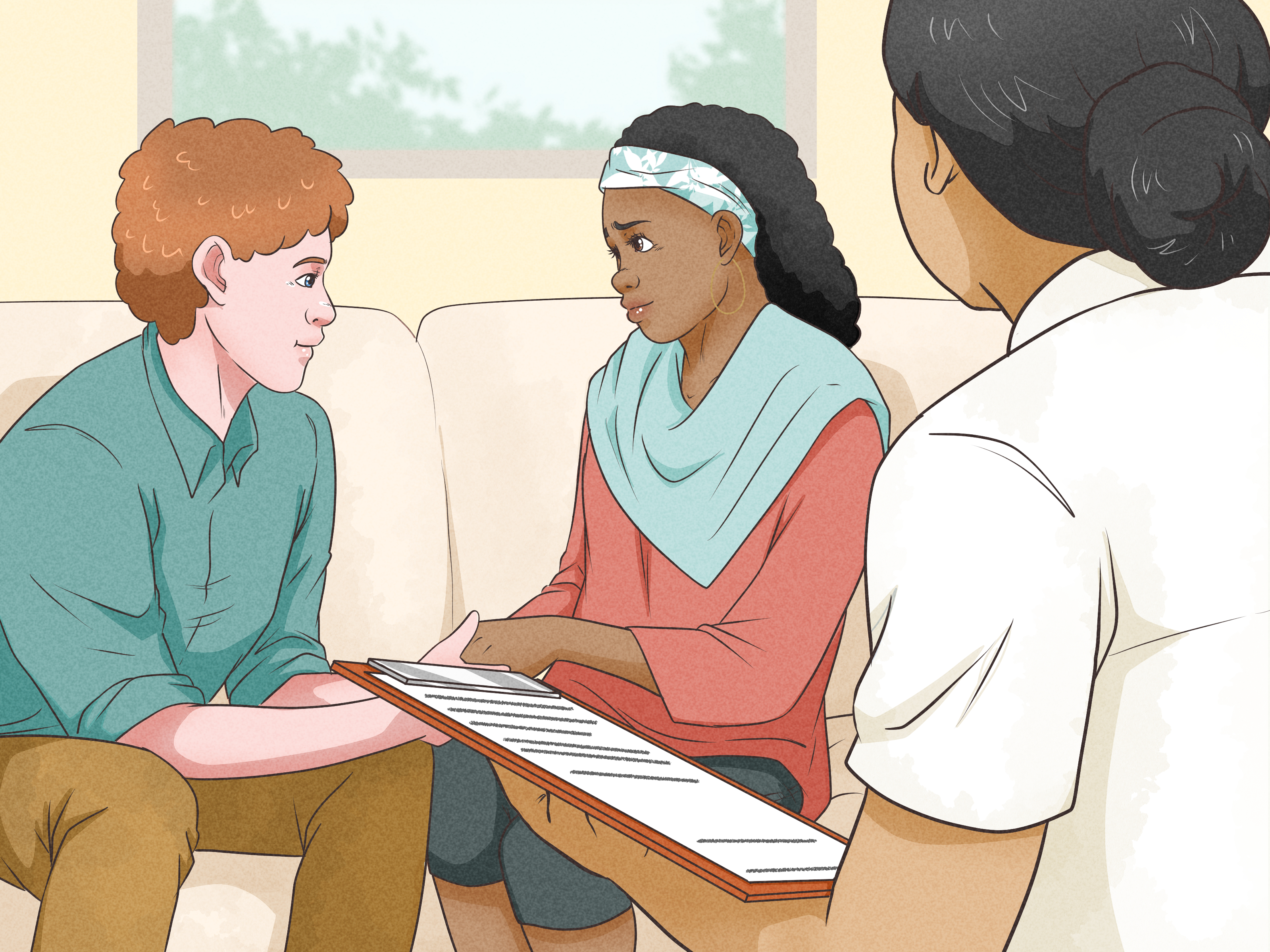
Consider professional support when conversations repeatedly become hostile, one partner cannot stop ruminating, important facts remain disputed, the injury involved an affair or major deception, or both people want to repair the relationship but keep repeating the same cycle. Couples therapy is designed to help partners work through conflict with a trained, licensed professional, and relationship education often focuses on communication, commitment, problem-solving, friendship, and shared expectations.
Choose a therapist with relevant experience, particularly for infidelity, trauma, addiction, or financial betrayal. Again, when abuse or coercive control is present, seek confidential individual guidance rather than standard couples counseling.
Experience-Based Lessons: What Trust Repair Often Feels Like
The following observations are drawn from common relationship-repair patterns and composite examples, not from any single couple. They matter because the lived experience of rebuilding trust is usually less tidy than a checklist suggests.
The First Honest Conversations May Feel Worse Before They Feel Better
Imagine a couple, Maya and Daniel, discussing hidden credit card debt. Daniel finally gives a complete account, expecting relief because “the truth is out.” Maya feels more upset, not less, because the full scale of the secrecy is now real. This does not automatically mean honesty failed. New information can temporarily increase distress. The useful question is whether the conversation creates greater clarity and whether behavior changes afterward. Emotional discomfort and meaningful progress can occupy the same room, even if neither one offers the other a chair.
Consistency Is Usually More Convincing Than Intensity
After breaking trust, a partner may make dramatic declarations: deleting every app, promising lifelong perfection, or announcing a complete personality renovation before breakfast. The injured partner may remain unconvinced. That reaction is understandable. Trust grows from repeated evidence. A calm update when plans change, an accurate bank statement, or showing up when promised may matter more than an emotional speech. In practice, repair often looks boring. Boring is underrated. Bridges are also built with repetitive structural work, not inspirational quotes.
Triggers Can Return on Good Days
A restaurant, song, notification sound, or unexplained delay may suddenly reactivate fear. The couple may have enjoyed three peaceful weeks, and then one small event seems to pull them backward. A helpful response is not, “I thought we were past this.” Try, “I can see why this brought the fear back. What would help right now?” The triggered partner also has a responsibility to describe the present need without using the past injury as permission for cruelty, threats, or unlimited control.
Shame Can Quietly Turn Into Defensiveness
The partner who caused harm may initially tolerate hard conversations, then become impatient: “How many times do I have to apologize?” Often, shame is sitting underneath the irritation. Shame says, “I am irredeemably bad,” while accountability says, “I did harm, and I am responsible for changing.” The first can produce hiding or self-pity; the second supports repair. Couples make more progress when remorse does not become a request for the injured person to provide immediate comfort.
Progress Is Better Measured in Patterns Than Moods
Some days will feel close and hopeful. Others will feel stiff, sad, or suspicious. Do not grade the entire relationship by tonight’s mood. Look for patterns over several weeks: Are facts becoming clearer? Are promises being kept? Are arguments shorter or less contemptuous? Can both people discuss needs without punishment? Is affection becoming more natural rather than obligatory? A relationship may be healing even when it is not constantly happy. Conversely, pleasant weekends do not equal repair if dishonesty continues underneath them.
Humor Often Returns Before Complete Confidence
Many couples notice an encouraging moment when they laugh together without forcing it. That laugh does not erase what happened, but it signals that the relationship is becoming more than a repair project. Shared humor, meals, errands, and ordinary affection help restore a sense of partnership. Eventually, the couple may stop discussing trust every day because trustworthy behavior has become normal. That is the destination: not endless monitoring, but a relationship in which honesty and reliability require less supervision.
Conclusion
Learning how to rebuild trust in a relationship is less about finding one perfect activity and more about creating a dependable pattern. Tell the truth completely. Listen without preparing a courtroom rebuttal. Make smaller promises and keep them. Respect boundaries, allow time for emotional recovery, and seek professional support when the injury is too complicated to manage alone.
Trust may return slowly, but slow does not mean impossible. When both partners are willing, safe, honest, and consistent, the relationship can become strongernot because the damage was good, but because the repair required them to build better habits than they had before.

