
Skincare
Lyme Disease
Aug
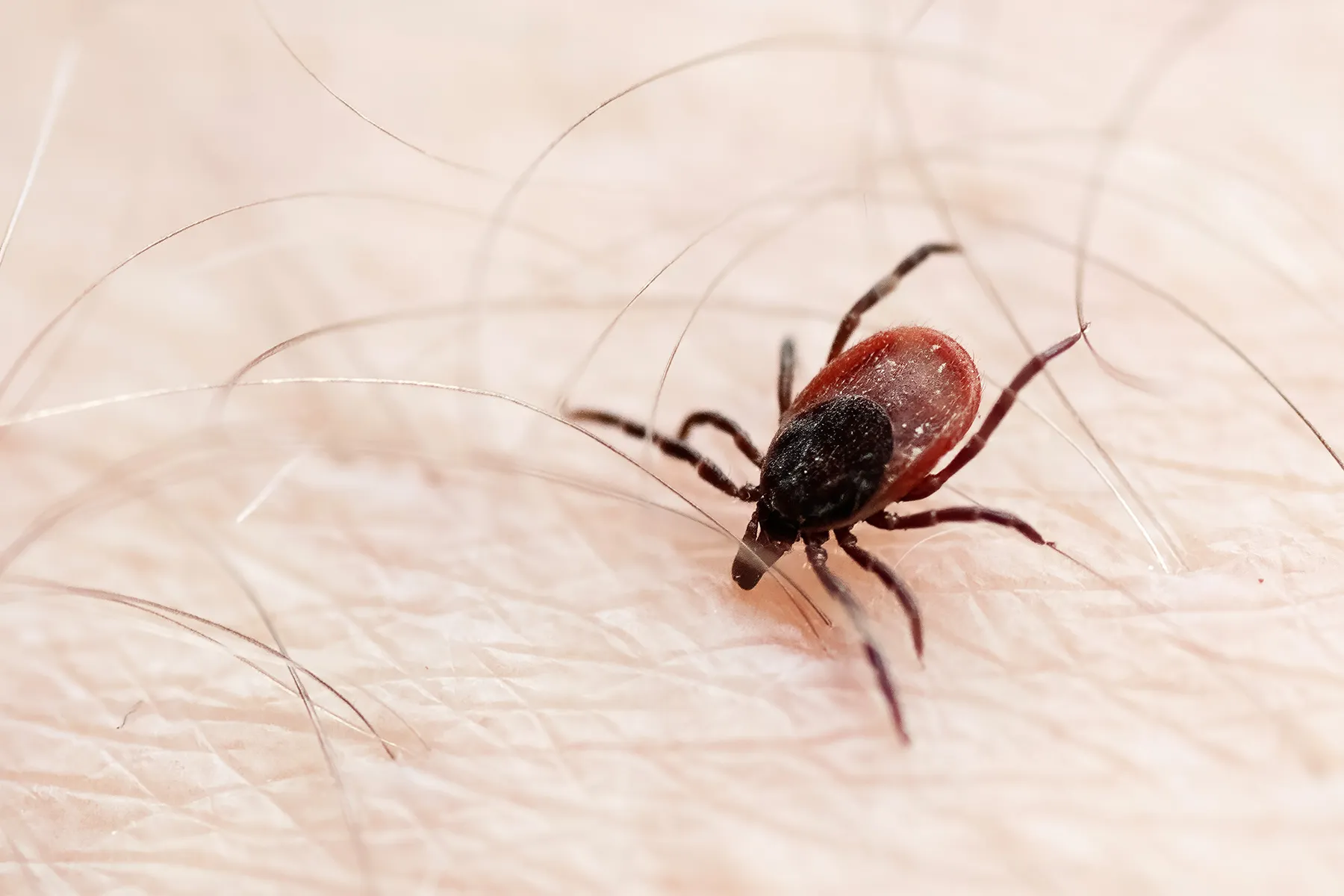
Lyme disease proves that something smaller than a sesame seed can cause a surprisingly large amount of trouble. Spread through the bite of an infected blacklegged tick, this bacterial infection may begin with a rash, fever, headache, or fatigue. Without timely treatment, it can affect the joints, heart, and nervous system.
The reassuring news is that Lyme disease is usually treatable, particularly when recognized early. Understanding the symptoms, testing limitations, treatment options, and tick-prevention strategies can turn a mysterious outdoor threat into a manageable health risk.
What Is Lyme Disease?
Lyme disease is a tick-borne infection caused by bacteria in the Borrelia family. In the United States, most cases are caused by Borrelia burgdorferi, while Borrelia mayonii causes a much smaller number of infections.
The bacteria reach humans through infected blacklegged ticks. The eastern blacklegged tick, also called the deer tick, spreads Lyme disease in the Northeast, Mid-Atlantic, and Upper Midwest. The western blacklegged tick is responsible for transmission along the Pacific Coast.
Lyme disease is especially common in wooded, brushy, and grassy environments where ticks wait for a passing person or animal. Contrary to their action-movie reputation, ticks do not fly or jump. They simply climb vegetation, extend their legs, and grab onto a host that brushes past.
How a Tick Bite Transmits the Infection
Not every tick carries Lyme disease bacteria, and an infected tick does not necessarily transmit the infection immediately. In general, the risk increases the longer the tick remains attached. Transmission commonly requires more than 24 hours and often approximately 36 to 48 hours of attachment.
This delay is why prompt tick removal matters. Finding a tick during an evening shower is considerably better than discovering it several mornings later after it has treated your leg like an all-inclusive resort.
Who Is Most at Risk?
Anyone bitten by an infected blacklegged tick can develop Lyme disease. Risk is higher among people who live in or travel to areas where the infection is common, especially during spring, summer, and early fall.
Hikers, campers, gardeners, hunters, forestry workers, outdoor athletes, and children who play near wooded areas may have frequent exposure. Pets can also bring unattached ticks indoors, although people do not catch Lyme disease directly from dogs or cats.
Nymphal ticks cause many human infections because they are extremely smallroughly the size of a poppy seed. Their bites are usually painless, so a person may never notice the tick or remember being bitten.
Lyme Disease Symptoms and Stages
Symptoms vary from person to person and may change as the infection progresses. Lyme disease is often described in three overlapping stages: early localized, early disseminated, and late disseminated disease. Not everyone moves neatly through each stage, because bacteria rarely read medical textbooks.
Early Localized Lyme Disease
Early symptoms generally appear within three to 30 days after an infected tick bite. They may include:
- Fever or chills
- Headache
- Unusual tiredness
- Muscle and joint aches
- Swollen lymph nodes
- An expanding skin rash
The classic Lyme disease rash is called erythema migrans. It usually expands gradually over several days and may feel warm, but it is not typically very itchy or painful. Some rashes develop central clearing and resemble a bull’s-eye. Many do not. They may be uniformly red, oval, irregularly shaped, faint, or difficult to recognize on darker skin.
A small bump or patch of redness immediately after a tick bite is often a local skin reaction rather than erythema migrans. The Lyme rash grows progressively instead of disappearing within a day or two. Importantly, some infected people never notice a rash.
Early Disseminated Lyme Disease
If untreated, the bacteria may spread beyond the original bite site over days or weeks. Possible signs include multiple rashes, facial weakness or drooping, severe headache, neck stiffness, shooting nerve pain, tingling, numbness, dizziness, shortness of breath, or heart palpitations.
Lyme carditis occurs when the infection disrupts the heart’s electrical signals. It is uncommon but potentially serious. Fainting, chest pain, difficulty breathing, or an unusually slow or irregular heartbeat requires prompt medical evaluation.
Late Disseminated Lyme Disease
Months after an untreated infection, some people develop recurring episodes of pain and significant swelling in one or more large joints. The knee is the most common target. This condition, called Lyme arthritis, may produce dramatic swelling even when the joint is not equally dramatic about pain.
Late neurological complications may include numbness, nerve pain, weakness, or problems involving memory and concentration. These symptoms are not unique to Lyme disease, so a careful medical evaluation is essential.
How Lyme Disease Is Diagnosed
Diagnosis combines symptoms, physical findings, possible tick exposure, geographic risk, and laboratory results when appropriate. A healthcare professional may diagnose an expanding erythema migrans rash clinically without waiting for a blood test.
Why Early Testing Can Be Tricky
Standard blood tests usually detect antibodies made by the immune system rather than detecting the bacteria directly. It can take several weeks to produce measurable antibodies. Consequently, a test performed very early may be negative even when an infection is present.
When laboratory testing is appropriate, recommended testing uses a two-step process. The second step is performed only when the first result is positive or uncertain. Both steps may use antibody-based immunoassays, or a traditional immunoblot may be used for the second test.
A positive result does not automatically prove that Lyme disease is causing a person’s current symptoms. Antibodies can remain detectable for months or years after a past infection has resolved. For that reason, blood tests cannot reliably determine whether treatment has “cleared” the disease.
Testing people without compatible symptoms or meaningful exposure can generate misleading results. Unvalidated specialty tests and indiscriminate home testing may also lead to incorrect diagnoses while the actual cause of illness goes untreated.
Lyme Disease Treatment
Antibiotics are the primary treatment for Lyme disease. Most people treated during the early stage recover rapidly and completely. Common oral medications include doxycycline, amoxicillin, and cefuroxime axetil. The most appropriate drug and treatment length depend on age, pregnancy status, allergies, symptoms, and the organs involved.
Early localized Lyme disease is commonly treated with a relatively short oral antibiotic course. Lyme arthritis usually requires a longer course. Certain neurological or serious cardiac complications may require intravenous antibiotics, hospital monitoring, or additional supportive treatment.
Patients should take antibiotics exactly as prescribed and contact their healthcare professional about significant side effects. Leftover antibiotics, medications borrowed from a neighbor, and remedies discovered during a late-night social media expedition are not substitutes for individualized care.
Preventive Antibiotics After a Tick Bite
Antibiotics are not automatically recommended after every tick encounter. A healthcare professional may consider a single preventive dose of doxycycline when a clearly high-risk blacklegged tick bite meets specific criteria, including prolonged attachment, exposure in an area where Lyme disease is common, and the ability to begin medication within 72 hours after removal.
If preventive treatment is not appropriate, monitoring for fever, an expanding rash, facial weakness, or other symptoms during the following weeks is usually advised.
Persistent Symptoms After Treatment
A minority of patients report fatigue, widespread pain, sleep problems, or difficulty thinking after completing recommended treatment. When these symptoms continue after appropriately treated Lyme disease, clinicians may use the term post-treatment Lyme disease syndrome, or PTLDS.
The biological causes are still being studied. Current evidence does not show that prolonged or repeated antibiotic therapy benefits patients who have persistent nonspecific symptoms but no objective evidence of an active infection. Extended antibiotics can cause serious complications, including allergic reactions, intestinal infections, catheter-related infections, and antibiotic resistance.
Persistent symptoms deserve respectful evaluation, not a shrug. Care may include checking for reinfection, complications, medication effects, sleep disorders, anemia, thyroid problems, autoimmune disease, depression, or another condition that can produce similar symptoms. Symptom-focused treatment, gradual activity planning, sleep support, and follow-up care may help recovery.
How to Prevent Lyme Disease
There is currently no approved human Lyme disease vaccine available in the United States, although vaccine candidates remain under investigation. Prevention therefore depends on reducing tick bites and removing attached ticks quickly.
Before Going Outdoors
- Use an EPA-registered repellent according to its label.
- Treat clothing and outdoor gear with an appropriate permethrin product, or purchase pretreated items.
- Wear long pants, closed shoes, and light-colored clothing that makes crawling ticks easier to see.
- Walk near the center of trails and avoid brushing against tall grass and leaf litter.
After Outdoor Activity
- Check clothing, backpacks, children, and pets for ticks.
- Shower soon after returning indoors.
- Inspect hidden areas such as the scalp, hairline, ears, armpits, waist, groin, belly button, backs of the knees, and between the toes.
- Tumble dry clothing on high heat when the fabric permits.
Reducing leaf litter, keeping grass short, moving woodpiles away from living areas, and creating a barrier between lawns and wooded edges can make yards less welcoming to ticks. The goal is not to turn the property into a parking lot; it is simply to reduce the damp, shaded habitat ticks prefer.
How to Remove a Tick Safely
- Use clean, fine-tipped tweezers to grasp the tick as close to the skin as possible.
- Pull upward with steady, even pressure. Do not twist, crush, or jerk the tick.
- Clean the bite area and your hands with soap and water, rubbing alcohol, or another suitable antiseptic.
- Record the date and, if useful, save a clear photograph of the tick.
- Watch for an expanding rash, fever, headache, facial weakness, joint pain, or other new symptoms.
Do not cover an attached tick with petroleum jelly, nail polish, gasoline, or essential oil. Do not burn it with a match. These methods are ineffective, can delay removal, and may transform a simple tick bite into a small household emergency.
When to Contact a Healthcare Professional
Seek medical advice if you develop an expanding rash or flu-like symptoms after a known tick bite or after spending time in an area where Lyme disease occurs. A remembered bite is helpful but not required, because many people never see the tick.
Urgent evaluation is appropriate for fainting, chest pain, shortness of breath, heart palpitations, severe headache with neck stiffness, facial drooping, marked weakness, or rapidly worsening neurological symptoms.
Tell the clinician where you traveled, when outdoor exposure occurred, when symptoms began, and whether you removed a tick. A simple timeline and photographs of a changing rash can be surprisingly useful diagnostic tools.
Common Lyme Disease Myths
“Every Lyme Rash Looks Like a Bull’s-Eye”
False. Central clearing may occur, but many erythema migrans rashes are uniformly colored or otherwise atypical. Waiting for a perfect target-shaped rash may delay care.
“A Negative Early Test Rules It Out”
False. Antibody levels may be too low to detect during the first weeks of infection. Test timing and the clinical picture both matter.
“Once Treated, You Cannot Get Lyme Disease Again”
False. Previous infection does not provide reliable lifelong immunity. Another infected tick can cause reinfection.
“Every Tick Bite Needs Antibiotics”
False. Many ticks are not infected, and rapid removal lowers the risk of transmission. Preventive medication is reserved for bites that meet defined high-risk criteria.
Experiences That Show How Lyme Disease Can Unfold
The following composite examples are educational illustrations based on commonly reported patient experiences. They do not describe specific individuals and should not be used for self-diagnosis.
The Hiker Who Never Saw a Tick
After a weekend hike in Pennsylvania, an active 34-year-old noticed a warm red patch behind one knee. It was not painful, did not itch, and lacked the textbook bull’s-eye pattern. Assuming it was an ordinary insect bite, the hiker ignored it. Over several days, however, the patch expanded while fatigue, headache, and mild chills arrived.
A clinician recognized the expanding rash as likely erythema migrans and asked about recent outdoor exposure. No tick had been found, but that did not rule out Lyme disease. Because the clinical signs were characteristic and early blood tests can be falsely negative, treatment began without waiting for laboratory confirmation. The symptoms improved during the prescribed antibiotic course.
The practical lesson is simple: a Lyme rash does not require dramatic rings, and an invisible tick can still leave visible evidence.
The Gardener With a Known Tick Bite
A gardener in Wisconsin found a tiny tick attached near the waist after clearing brush. Using fine-tipped tweezers, the gardener pulled it straight out, cleaned the area, photographed the tick, and wrote down the date. The tick appeared flat rather than engorged and had probably been attached for only a short period.
After discussing the details with a healthcare professional, preventive antibiotics were not recommended. Instead, the gardener monitored for symptoms over the following weeks. No expanding rash, fever, headache, or unusual joint pain developed.
This experience demonstrates why a tick bite is not the same thing as a Lyme disease diagnosis. Tick type, geographic location, attachment duration, and symptoms all influence medical decisions. Calm observation can be appropriate when the estimated risk is low.
The Patient Whose Knee Became the Main Character
Several months after a summer filled with yardwork and camping, a middle-aged adult developed substantial swelling in one knee. There had been occasional fatigue and aches, but no remembered tick bite or rash. The knee was impressive enough to make every pair of pants feel poorly designed.
The clinician considered Lyme arthritis along with injuries, gout, autoimmune disease, and other infections. A history of outdoor exposure in an endemic region increased suspicion, while recommended two-step antibody testing supported the diagnosis. Treatment required a longer antibiotic course than is generally used for an early skin infection, followed by reassessment of the joint.
The experience highlights the value of considering Lyme disease when objective joint swelling appears after possible exposure, even when the first chapterthe tick bitewas never observed.
Living Through a Slower Recovery
Another patient received appropriate early treatment but continued to experience fatigue, poor sleep, and difficulty concentrating. Friends expected recovery to work like flipping a switch. It behaved more like an old laptop installing updates: gradual, unpredictable, and occasionally stuck at what felt like 12 percent.
Rather than assuming persistent infection or beginning indefinite antibiotics, the healthcare team reviewed the original diagnosis, looked for objective signs of active disease, and evaluated other possible contributors. A paced return to activity, sleep management, symptom-directed care, and regular follow-up supported gradual improvement.
These experiences reveal why Lyme disease care must be both evidence-based and humane. Most people recover well, but symptoms and timelines vary. Early attention, accurate testing, appropriate antibiotics, and thoughtful follow-up provide a far better path than panic, dismissal, or unproven treatment.
Conclusion
Lyme disease is a preventable and treatable bacterial infection, but it does not always arrive wearing a perfect bull’s-eye. Recognizing an expanding rash, flu-like illness, facial weakness, heart symptoms, or unexplained joint swelling can lead to earlier care and fewer complications.
The best defense combines repellent, protective clothing, routine tick checks, prompt removal, and sensible medical follow-up. When symptoms occur, diagnosis should consider exposure history, clinical findings, and appropriately timed testing. In other words, respect the tickbut do not give it free rent in your imagination.

