
Hair Care
How to Remove Candle Wax from Table Linens and Hard Surfaces
Aug
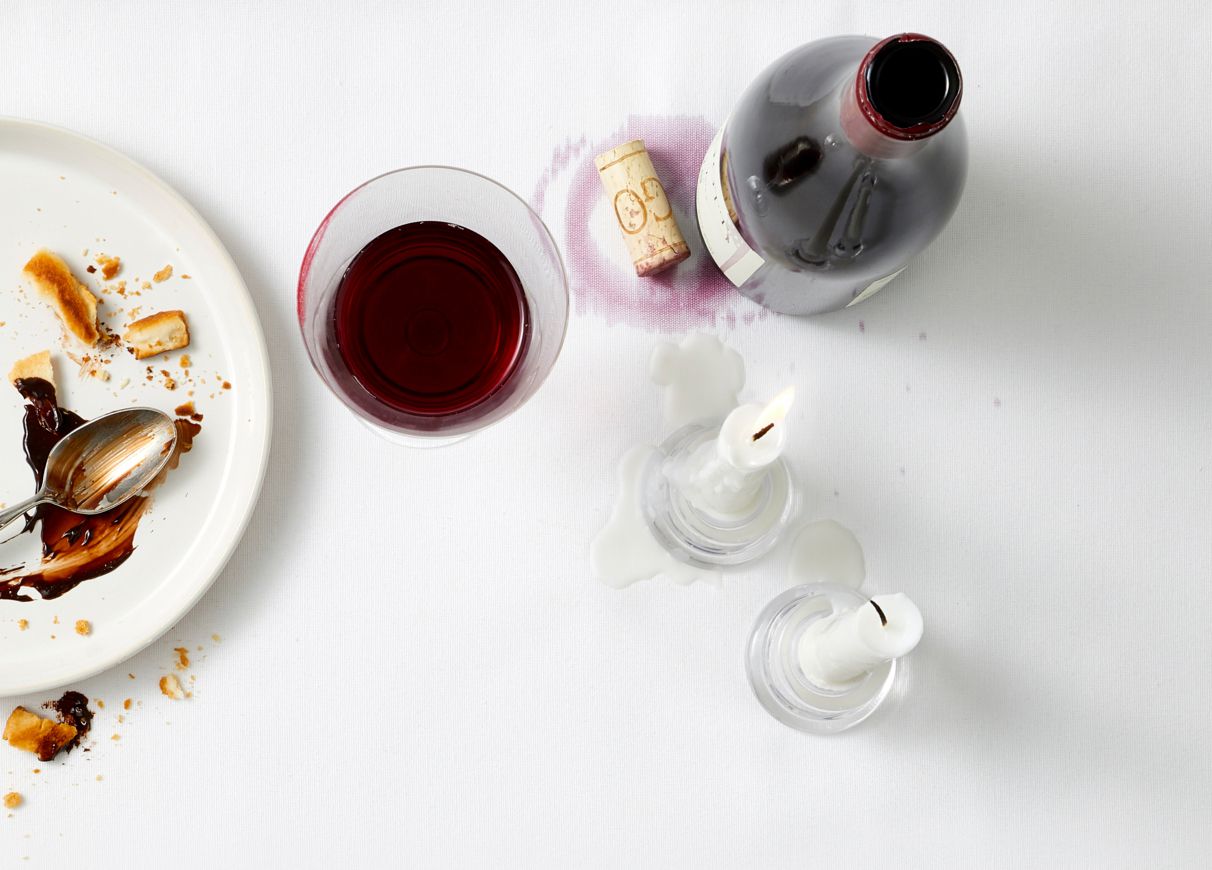
Candles are wonderful until one of them decides to redecorate your tablecloth, dining table, glass tray, or countertop with a glossy blob of wax. One minute you have cozy ambiance; the next, your linen napkin looks like it lost a wrestling match with a vanilla-scented glacier.
The good news? Candle wax is usually removable. The secret is not panic, not scrubbing, and definitely not attacking the spill with a sharp knife like you are carving a holiday roast. Whether you are dealing with table linens, wood, glass, stone, tile, or metal, the best way to remove candle wax is to slow down, harden or soften the wax strategically, lift it gently, and treat any oily or colored residue left behind.
This guide explains how to remove candle wax from table linens and hard surfaces using practical, fabric-safe, surface-safe methods. You will also learn what not to do, because sometimes the “quick fix” is the thing that turns a small wax drip into a permanent dinner-party souvenir.
Before You Start: The Golden Rules of Candle Wax Removal
Candle wax is part solid, part oil, and sometimes part dye. That means you are not just removing a lump; you may also need to deal with a greasy stain or a color mark, especially if the candle was red, blue, green, or heavily scented.
Let the Wax Harden First
If wax just spilled, resist the urge to wipe it. Warm wax spreads fast and can sink deeper into fabric fibers or surface pores. Let it cool naturally, or speed things up by placing ice cubes in a sealed plastic bag and setting the bag on top of the wax. Once the wax becomes firm and brittle, it is much easier to lift.
Use a Dull Edge, Not a Sharp Blade
A credit card, plastic scraper, spoon edge, or dull butter knife is usually enough. Sharp knives can cut table linens, gouge wood, scratch stone sealant, or leave marks on painted surfaces. Candle wax is annoying, yes, but it does not deserve a full kitchen-knife showdown.
Check Fabric and Surface Care Instructions
Before using heat, water, alcohol, detergent, or stain remover, check the care label or manufacturer guidance. Antique linens, silk, wool, unsealed stone, raw wood, and painted finishes need extra care. When in doubt, test in a hidden area first.
Tools and Supplies You May Need
You do not need a professional cleaning kit to remove wax. Most supplies are probably already in your kitchen, laundry room, or junk drawerthe official museum of things we might need someday.
- Ice cubes and a resealable plastic bag
- Credit card, plastic scraper, spoon, or dull butter knife
- White paper towels or clean white cotton cloths
- Brown paper bag with no ink or coating
- Iron with a low heat setting
- Hair dryer
- Liquid laundry detergent
- Dish soap
- Oxygen bleach for washable white or colorfast fabrics
- Rubbing alcohol for certain dye stains and hard surfaces
- Microfiber cloth
- Vacuum for wax flakes or crumbs
How to Remove Candle Wax from Table Linens
Tablecloths, runners, placemats, and napkins often take the worst hit because candles usually sit right in the middle of the action. The best method depends on the fabric type, but the overall process is simple: harden, scrape, absorb, pretreat, wash, and inspect.
Step 1: Harden the Wax
Let the wax cool completely. For faster results, place ice in a sealed plastic bag and rest it on the wax for several minutes. Do not place loose ice directly on the fabric because melting water can spread dye or create extra moisture problems.
Step 2: Scrape Off the Excess Wax
Once the wax is hard, gently lift it with a dull edge. Work from the outside toward the center so the wax does not break into the surrounding fibers. If the fabric is textured, such as embroidered linen or woven cotton, take your time and scrape in small sections.
Step 3: Use Low Heat to Transfer Remaining Wax
After scraping, wax may still be embedded in the fibers. Place the stained area between layers of clean white paper towels or plain brown paper. Set your iron to low heat with no steam. Press gently for a few seconds, then lift. The heat softens the wax, and the paper absorbs it.
Move the paper to a clean spot and repeat until no more wax transfers. Do not drag the iron back and forth like you are ironing a shirt in a hurry. Press, lift, check, repeat. This method is especially helpful for cotton and linen tablecloths that can tolerate low heat.
Step 4: Pretreat the Oily Stain
Even after the wax is gone, an oily mark may remain. Rub a small amount of liquid laundry detergent into the stain and let it sit for 10 to 15 minutes. For colored wax stains, use a fabric-safe stain remover or oxygen bleach if the care label allows it.
Step 5: Wash According to the Care Label
Launder the table linen in the warmest water safe for the fabric. Warm water helps dissolve oily residue, but do not ignore the care label. Delicate linen, lace, silk, and vintage pieces may need hand washing or professional cleaning.
Step 6: Inspect Before Drying
This step matters. Do not put the item in the dryer until you are sure the wax and stain are gone. Dryer heat can set remaining oil or dye into the fabric, turning a fixable stain into a stubborn one. Air-dry first, inspect in good light, and repeat treatment if needed.
How to Remove Candle Wax from Delicate or Vintage Linens
Delicate linens deserve the soft-glove treatment. If the item is antique, heirloom-quality, silk, wool, lace, heavily embroidered, or labeled dry-clean-only, avoid aggressive heat and heavy rubbing.
Start by hardening the wax with the ice-bag method. Gently lift away what you can with your fingernail or a smooth plastic edge. If residue remains, do not experiment wildly with solvents. For valuable or sentimental pieces, a professional cleaner is the safest choice.
For washable delicate linens, use cool or lukewarm water, a mild detergent, and gentle blotting. Never twist or wring delicate fabric. Your grandmother’s embroidered table runner survived decades; it does not need to be defeated by one enthusiastic cleaning session.
How to Remove Candle Wax from Wood Tables
Wood surfaces need patience because heat, moisture, and scraping can damage the finish. Start by letting the wax harden completely. You can use an ice bag, but avoid leaving it too long because condensation may affect the wood.
For Finished Wood
Gently scrape the hardened wax with a plastic card or scraper. Hold the edge almost flat against the surface and nudge the wax rather than digging under it. Once the bulk is removed, use a hair dryer on low heat to soften any thin residue. Wipe it away with a clean microfiber cloth.
If the surface looks dull afterward, clean it with a wood-safe cleaner or polish recommended for that finish. Avoid soaking the area with water, vinegar, or alcohol unless the finish is known to tolerate it.
For Unfinished or Raw Wood
Unfinished wood is more absorbent, which makes wax removal trickier. Harden and scrape carefully. If wax has soaked into the grain, use very low heat and a clean cloth to blot the residue. Do not overheat the surface. If the wax leaves a mark, light sanding and refinishing may be necessary for a perfect result.
How to Remove Candle Wax from Glass
Glass is one of the easier surfaces to clean, but it can still scratch if you use the wrong tool. Let the wax harden, then gently pop it off with a plastic scraper or credit card. If the wax is stubborn, warm it slightly with a hair dryer and wipe it with paper towels.
To remove the final film, use a small amount of rubbing alcohol on a microfiber cloth, then clean the glass with your usual glass cleaner. For candle holders, you can also chill the glass briefly to contract the wax, but avoid extreme temperature changes that could crack fragile glass.
How to Remove Candle Wax from Stone Countertops
Granite, marble, quartz, and other stone surfaces need careful treatment. First, scrape hardened wax gently with a plastic scraper. Avoid metal tools, which can scratch or damage sealants.
For remaining residue, use a hair dryer on low heat and blot with paper towels. Clean afterward with a stone-safe cleaner or mild dish soap diluted in water. Avoid acidic cleaners like vinegar on marble, limestone, or travertine because acid can etch natural stone.
How to Remove Candle Wax from Tile, Metal, and Laminate
Tile, sealed metal, and laminate are generally forgiving surfaces. Harden the wax, scrape it with a plastic edge, then wipe residue with warm soapy water. If needed, use a hair dryer on low heat to soften the last thin layer.
For grout lines, use a soft brush and dish soap after removing the main wax. Avoid grinding wax deeper into grout. On metal trays or candlesticks, warm the wax slightly and wipe with a paper towel, then polish with a microfiber cloth.
How to Remove Candle Wax from Painted Walls or Furniture
Painted surfaces can lose paint if you scrape too hard or use strong solvents. Start with the safest method: harden the wax and gently lift it with a plastic card. If a thin layer remains, warm it with a hair dryer on low and blot with paper towels.
Clean the area with a soft cloth dipped in mild soapy water. Blot rather than scrub. If the paint is matte or flat, be especially gentle because those finishes show rub marks more easily.
What to Do About Colored Candle Dye Stains
Colored candles are festive until the dye decides to join the table setting permanently. After the wax itself is removed, dye may remain on linens or porous surfaces.
For washable linens, pretreat with liquid detergent or a fabric-safe stain remover. If the fabric is white or colorfast, soak it in an oxygen bleach solution according to the product directions. Rinse and wash again. Avoid chlorine bleach unless the fabric label clearly says it is safe.
For hard surfaces, wipe with mild dish soap first. If residue remains, test rubbing alcohol in a hidden spot, then lightly wipe the stained area. On stone, wood, or painted surfaces, be cautious because alcohol can affect some finishes.
Common Mistakes to Avoid
Do Not Wipe Hot Wax
Wiping hot wax spreads it and pushes it deeper into fibers. Let it harden first. This one rule can save you a lot of cleanup drama.
Do Not Use High Heat Immediately
High heat can melt wax too quickly, spread dye, or damage delicate fabrics and finishes. Low, controlled heat works better.
Do Not Use Colored Paper Towels
Use white paper towels or plain brown paper. Printed or colored materials can transfer ink or dye when heated.
Do Not Dry Fabric Too Soon
Always inspect linens before machine drying. Heat can set leftover oil or dye stains.
Prevention Tips for Next Time
The easiest candle wax stain is the one you never have to remove. Use dripless candles, sturdy holders, candle plates, trays, or glass hurricanes. Keep candles away from breezy windows, ceiling fans, and crowded centerpieces. Trim wicks before lighting to reduce uneven burning and dripping.
If you love candlelit dinners but hate cleanup, place washable placemats or a protective runner under candle arrangements. Flameless LED candles are also a smart option for busy households, outdoor tables, and anyone whose candles seem to have a personal vendetta against tablecloths.
Real-Life Experience Notes: What Actually Works Best
In real homes, candle wax spills rarely happen under perfect laboratory conditions. They happen during holidays, birthdays, dinner parties, power outages, romantic meals, and that one cozy evening when someone says, “Let’s light every candle we own.” The best wax-removal method often depends on when you discover the mess.
If you catch the spill while it is still warm, the hardest thing is doing nothing. It feels wrong to let wax sit there, but waiting is usually the smartest move. I have seen more table linens damaged by frantic wiping than by the wax itself. When hot wax is rubbed, it spreads into a wide greasy shadow. When it is allowed to harden, it often lifts off in satisfying little chips, like the stain is politely leaving the party.
For cotton tablecloths, the freeze-and-scrape method followed by low iron heat is the most reliable combination. The ice makes the top layer easy to remove, while the iron-and-paper method pulls out the residue hiding in the fibers. The trick is patience. Replace the paper often. If you keep pressing with the same waxy section of paper, you are basically reapplying the wax you just removed. That is not cleaning; that is a craft project nobody requested.
For polyester blends, use extra caution with heat. A low iron setting is important because synthetic fibers can react badly to high temperatures. A hair dryer may be safer because it lets you control the heat from a distance. Blot with white paper towels as the wax softens. Do not rub in circles, even though circles feel productive. Blotting lifts; rubbing smears.
On wood tables, the biggest lesson is to avoid impatience. A plastic card works surprisingly well for lifting hardened wax without scratching the finish. If a faint film remains, a hair dryer on low heat and a microfiber cloth usually finish the job. The mistake to avoid is using too much water afterward. Wood and excess moisture are not best friends. They are acquaintances who should only meet briefly.
Glass candle holders and glass tabletops are usually forgiving. Chilling the wax helps it pop loose, and rubbing alcohol can remove the final cloudy residue. Still, fragile glass should not go from freezing cold to hot water suddenly. Extreme temperature changes can cause cracking, and nobody wants to turn a wax spill into a glass replacement project.
Stone countertops require a calm, careful approach. I would never start with vinegar on marble or other acid-sensitive stone. Mild dish soap, a plastic scraper, and low heat are safer first steps. If the stone is porous or unsealed, wax can leave a darker spot that needs more time and sometimes professional help. This is why testing in a hidden area is not just cautious advice; it is the adult version of “look before you leap.”
Colored candle wax is the true troublemaker. White wax is usually simple. Deep red, purple, blue, or green wax can leave dye behind even after the wax is gone. For linens, stain treatment before washing is essential. I prefer liquid detergent first because it targets oily residue without being too harsh. If the stain remains and the fabric allows it, oxygen bleach is often the next best step. The dryer should stay off-limits until the stain is fully gone.
The most useful habit is building a quick cleanup routine: cool the wax, scrape gently, absorb with controlled heat if needed, pretreat stains, wash or wipe, then inspect. Once you know the sequence, candle wax feels less like a disaster and more like a mildly dramatic guest who can be escorted out with the right tools.
Conclusion
Removing candle wax from table linens and hard surfaces is all about choosing the right temperature at the right time. Cold helps harden wax so it can be lifted cleanly. Gentle heat helps transfer leftover wax out of fabric or away from smooth surfaces. Detergent, dish soap, rubbing alcohol, and oxygen bleach can help with residue or dye stains when used safely and appropriately.
The most important rule is simple: do not rush. Let wax harden before scraping, use low heat instead of high heat, treat stains before drying fabric, and always protect delicate materials. With a little patience, your tablecloth, countertop, or dining table can recover beautifullyand your candlelit dinner can remain a cozy memory instead of a cleaning legend.
Note: This article is written for web publication in standard American English and focuses on practical, surface-safe cleaning methods. Always follow product labels, fabric care tags, and manufacturer instructions before using heat, stain removers, or cleaning solutions.

