
Hair Care
Is it Safe to Give my Daughter a Bubble Bath?
Jun
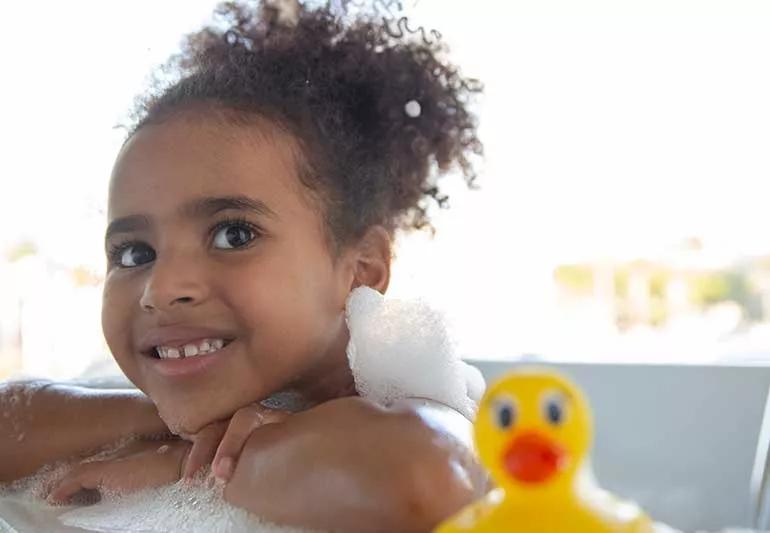
Few parenting scenes look more peaceful than a child happily sitting in a tub full of bubbles, arranging foam beards, floating rubber ducks, and declaring herself the mayor of Bath Town. But if you have a daughter, you may have heard a warning from another parent, pediatrician, or very confident grandmother: “Don’t give girls bubble baths!” So, is it safe to give your daughter a bubble bath, or is that bottle of lavender-scented foam secretly plotting against your family?
The honest answer is: sometimes, but with caution. Bubble baths are not automatically dangerous, and an occasional bubble bath will not harm every child. However, girls, especially toddlers and prepubertal girls, can be more sensitive to bubble bath products because the skin around the vulva and urethra is delicate. Fragrance, dyes, harsh detergents, shampoo, soap, and long soaks in sudsy water can irritate that area and lead to redness, itching, burning, or pain while urinating.
In other words, the villain is usually not “fun.” The villain is irritation. Bubble bath safety depends on your daughter’s age, skin sensitivity, history of urinary tract infections, the ingredients in the product, and how the bath is handled from start to finish. Let’s break it down in plain English, without turning bath time into a medical drama starring one rubber duck and three worried adults.
The Quick Answer: Bubble Baths Are Best Used Sparingly
If your daughter has never had genital irritation, eczema flares, painful urination, or urinary tract infections, an occasional short bubble bath with a mild, fragrance-free product may be fine. Still, plain warm water is usually the gentlest choice for everyday bathing.
If your daughter is prone to vulvar irritation, itching, burning, redness, eczema, sensitive skin, or recurrent UTIs, it is better to skip bubble baths. Many pediatric and children’s health sources recommend avoiding bubble bath products in young girls because they can irritate the vulva and urethra. That irritation can feel like a urinary tract infection even when no infection is present.
So the practical parent rule is simple: bubbles are a treat, not a daily routine. Think of bubble bath like birthday cake. Fun? Absolutely. Necessary every night? Your pediatrician, dentist, and kitchen floor would all like a word.
Why Girls Can Be More Sensitive to Bubble Bath
Young girls are not just “small adults.” Before puberty, the vulvar skin is thinner and more sensitive. The protective changes that happen later in puberty, including hormonal changes and a more mature vaginal environment, are not fully in place yet. That means soap, shampoo, bubble bath, scented products, wet swimsuits, tight clothing, and even leftover detergent in underwear can irritate the area more easily.
The opening of the urethra, where urine leaves the body, is also close to the vulva. When sudsy bathwater sits against that area, it may cause stinging or burning when your child pees. A child may then avoid urinating because it hurts. Holding urine too long can create another problem because urine sitting in the bladder gives bacteria more opportunity to grow.
This is why some parents believe bubble baths “cause UTIs.” The more accurate explanation is that bubble bath can irritate the urethra and vulva, and irritation can sometimes contribute to behaviors or conditions that make urinary problems more likely. But not every burning sensation is a UTI. Sometimes it is soap vulvitis, which is inflammation and irritation caused by soap or bath products.
Bubble Bath Irritation vs. a UTI: How to Tell the Difference
Bubble bath irritation and urinary tract infections can overlap in annoying ways. Both may involve burning with urination, urgency, or complaints that “it hurts down there.” But they are not the same thing.
Common signs of bubble bath irritation
Bubble bath irritation often appears after a bath or after repeated use of bath products. Your daughter may complain of itching, burning, soreness, or stinging when urine touches irritated skin. You may notice redness around the vulva. There may be no fever, no belly pain, and no strong-smelling or cloudy urine. Symptoms often improve after stopping bubble bath, switching to plain water, and keeping the area clean and dry.
Common signs of a urinary tract infection
A UTI is an infection in the urinary tract and needs medical attention. Possible signs include pain or burning when urinating, frequent urination, urgent trips to the bathroom, lower belly pain, cloudy urine, blood in the urine, fever, back or side pain, vomiting, or a child who seems unusually sick. In babies and toddlers, symptoms can be vague, such as fever, fussiness, poor feeding, or new accidents after toilet training.
If your daughter has fever, blood in the urine, back pain, worsening symptoms, repeated painful urination, or you simply feel something is not right, call her pediatrician. A urine test may be needed to confirm or rule out a UTI. Guessing at home is tempting, but the bladder is not a place for amateur detective work.
When a Bubble Bath May Be Okay
A bubble bath may be okay if your daughter is older, has no history of irritation or recurrent UTIs, and you use a gentle product carefully. The safest approach is to keep bubble baths occasional, short, and mild.
Choose products labeled fragrance-free, dye-free, hypoallergenic, and made for sensitive skin. Be careful with words like “natural,” “botanical,” or “calming.” Those terms sound friendly, but they do not automatically mean a product is non-irritating. Essential oils, strong fragrances, colorful dyes, and glittery bath products can still cause problems for sensitive skin.
Use only a small amount of bubble bath. More bubbles do not mean a cleaner child. They simply mean more soap residue, more rinsing, and a tub that looks like it is auditioning for a foam party. Keep the bath short, ideally around 5 to 10 minutes, especially for children with dry or sensitive skin. Use lukewarm water rather than hot water, because hot water can dry and irritate skin.
Most importantly, rinse your daughter well with clean water at the end of the bath. If she needs shampoo or body cleanser, use it near the end, not at the beginning. That way she is not sitting in soapy water for the entire bath.
When You Should Skip Bubble Baths Completely
Skip bubble baths if your daughter has current redness, itching, burning, vaginal discharge, pain with urination, eczema flare-ups, open irritated skin, labial adhesions, or a recent UTI. Also skip them if bubble baths have caused symptoms before. Your child’s skin has already voted, and the bubbles lost.
It is also wise to avoid bubble bath products in toddlers who are still learning hygiene skills. Young children may sit in sudsy water longer, splash product into their eyes, accidentally drink bathwater, or fail to rinse properly. Bath products are usually low in toxicity when small amounts are accidentally swallowed, but they can still cause mouth irritation, nausea, vomiting, diarrhea, or eye irritation. So keep bottles out of reach and treat bath products like soap, not juice boxes with better branding.
How to Make Bath Time Safer for Your Daughter
Safe bath habits matter more than fancy bath products. A plain warm bath can be soothing, relaxing, and perfectly fun with toys, songs, cups, and a little imagination. You do not need a mountain of bubbles to create a happy bath routine.
Use plain warm water for the genital area
For young girls, warm water is usually enough to clean the vulva. Avoid scrubbing. The vulva does not need bubble bath, scented soap, deodorant products, feminine sprays, or harsh cleansing. Those products can disrupt and irritate sensitive skin. Teach your daughter that the outside area can be gently rinsed, but nothing needs to be washed inside the vagina.
Save soap and shampoo for the end
If your daughter needs soap or shampoo, use mild fragrance-free products at the end of the bath. Then drain the tub or have her stand for a quick rinse with clean water. This limits how long her skin sits in soapy water.
Pat dry, do not rub
After the bath, gently pat the genital area dry with a clean towel. Rubbing can make irritation worse. Make sure the area is dry before pajamas or underwear go on, because dampness can invite irritation.
Choose breathable clothing
White cotton underwear and loose-fitting pajamas can help the area breathe. Avoid tight leggings, nylon underwear, damp swimsuits, and sweaty clothes for long periods. If your daughter swims, have her change into dry clothing soon afterward.
Teach front-to-back wiping
Girls should wipe from front to back after using the toilet. This helps reduce the chance of moving bacteria from the anal area toward the urethra and vulva. Younger children may need reminders, supervision, or help. Parenting is glamorous like that.
Encourage regular bathroom breaks
Some children hold urine because they are busy, distracted, embarrassed, or trying to avoid a bathroom they dislike. Encourage your daughter to urinate regularly and not hold it for long stretches. Drinking enough water also helps keep urine diluted, which may reduce stinging if the skin is mildly irritated.
What Ingredients Should Parents Avoid?
When choosing a bubble bath or bath product, avoid strong fragrance, dyes, glitter, deodorizing claims, antibacterial soaps, harsh detergents, and products that make your child’s skin feel dry or tight afterward. “Tear-free” is useful for eyes, but it does not guarantee the product will be gentle on the vulva or urethra.
Bath bombs, color tablets, and fizzy products deserve extra caution. Many are fun, but they often contain dyes, fragrances, acids, salts, or oils. Some children tolerate them; others react quickly. If your daughter has sensitive skin, eczema, or genital irritation, skip them. If you try one, use it occasionally, supervise closely, and rinse well afterward.
What to Do If Bubble Bath Causes Irritation
If your daughter becomes red, itchy, or uncomfortable after a bubble bath, stop using the product. Give her plain warm water baths only for a few days. Avoid soap directly on the vulva. Have her wear loose cotton underwear or sleep in loose pajamas without tight clothing. Encourage water intake and regular urination.
If symptoms are mild and clearly linked to soap exposure, they may improve within a couple of days after removing the irritant. But call the pediatrician if symptoms are severe, keep coming back, include discharge or bleeding, involve fever, or cause significant pain with urination. Also call if you suspect a UTI, because UTIs need proper diagnosis and treatment.
Parent Experience: What Bubble Bath Safety Looks Like in Real Life
In real family life, bubble bath decisions rarely happen in a calm laboratory with a clipboard. They happen at 7:42 p.m., when your child is sticky from dinner, emotionally attached to a rubber mermaid, and negotiating like a tiny attorney for “just a few bubbles.” That is why practical routines matter.
Many parents find that the safest approach is not banning all bath fun, but creating a gentle bath system. For example, one family may reserve bubbles for Friday night only. The child gets a short bubble bath with a small amount of fragrance-free product, then a quick clean-water rinse. The rest of the week, bath time is plain water, bath toys, storytelling, and maybe a washcloth puppet named Sir Scrub-a-Lot. The child still gets fun, but her skin is not exposed to sudsy water every day.
Another common experience is the “mystery UTI scare.” A daughter complains that it burns when she pees, and the parent immediately worries about infection. Then they remember the extra-long bubble bath from the night before, complete with scented foam, shampoo floating in the tub, and possibly a bath bomb shaped like a cupcake. After a pediatrician rules out infection or recommends stopping irritants, the symptoms improve with plain water baths and better rinsing. The lesson sticks: not every bathroom complaint is caused by bacteria, but every complaint deserves attention.
Parents of children with eczema often learn this lesson even faster. A product may smell amazing in the store and still leave a child itchy by bedtime. For sensitive skin, fragrance-free and boring is often beautiful. The best baby and kid products are sometimes the least exciting ones: no sparkles, no neon blue water, no tropical volcano scent. They may not look thrilling on Instagram, but they are much less likely to start a 10 p.m. itch crisis.
There is also an emotional side. Some children love bubble baths because they make bath time less scary or more playful. If bubbles help your daughter transition into the tub, you do not necessarily have to remove the joy completely. You can replace bubble bath with safer rituals: floating toys, bath crayons used on tile, waterproof books, songs, counting games, or pouring cups. If you do use bubbles, keep them occasional and rinse thoroughly. The goal is not to make bath time sterile and joyless. The goal is to keep the fun while lowering the irritation risk.
A helpful parent habit is to watch patterns. If your daughter gets redness, itching, or painful urination after bubble baths, scented soaps, swimming, tight leggings, or wet swimsuits, write it down. Patterns are powerful. They help you and your pediatrician separate likely irritation from possible infection, constipation-related urinary issues, or other causes. A simple note in your phone can be more useful than trying to remember everything while your child is crying and the dog is drinking bathwater.
Finally, talk about hygiene in a calm, shame-free way. Girls should know that vulvar skin is sensitive and deserves gentle care. Use correct body words, teach front-to-back wiping, encourage bathroom breaks, and explain that discomfort is something they should tell you about. A child who feels comfortable saying “it burns when I pee” or “I feel itchy” can get help sooner. That confidence is far more important than any bubble mountain.
Final Verdict: Safe Sometimes, But Not Necessary
So, is it safe to give your daughter a bubble bath? For many girls, an occasional short bubble bath with a mild, fragrance-free product is probably fine. But for young girls, especially those with sensitive skin, eczema, vulvar irritation, painful urination, or recurrent UTIs, bubble baths are best avoided.
Plain warm water is the safest everyday bath option. If you choose to use bubble bath, use a small amount, keep the soak short, avoid fragrance and dyes, wash hair at the end, rinse well with clean water, and watch for symptoms afterward. Bath time should leave your daughter clean, comfortable, and ready for pajamasnot itchy, irritated, or afraid to pee.
When in doubt, choose gentle. The rubber ducks will adjust.
SEO Tags

