
Beauty Unlocked
The Ultimate Guide to Headboard Shapes
Jul
A headboard is the eyebrow of the bedroom: technically not required, but without one, the whole face can look a little surprised. It frames the bed, gives the room a focal point, cushions your late-night reading habit, and may even save your wall from pillow scuffs and the occasional “I swear I wasn’t leaning that hard” bump.
But choosing a headboard is not only about fabric color or whether you enjoy the word “tufted.” The shape determines the visual mood of your bedroom. A crisp rectangular headboard can make a room feel calm and contemporary. A curved headboard softens hard architectural lines. A scalloped silhouette adds personality without requiring your bedroom to wear a beret and call itself eclectic.
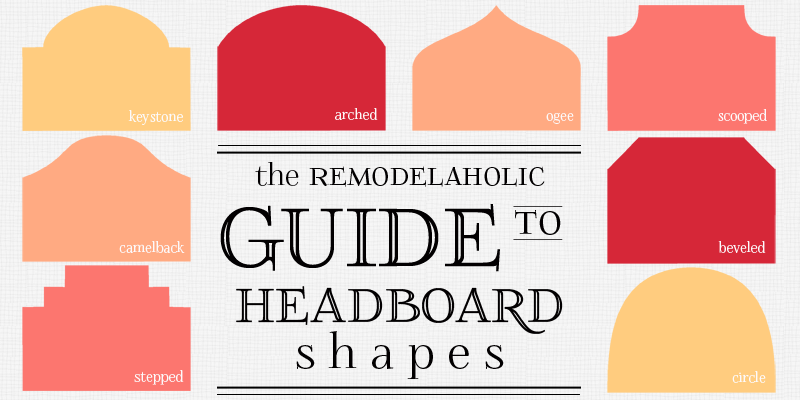
This guide breaks down the most popular headboard shapes, how they affect a room, which interior styles they suit, and how to choose one that looks intentional rather than accidentally enormous.
Why Headboard Shape Matters More Than You Think
The bed is usually the largest piece of furniture in a bedroom, which means the headboard often becomes the room’s visual anchor. Its outline influences what your eye notices first: height, width, softness, symmetry, drama, or simplicity.
A headboard also has practical value. Upholstered options can create a comfortable backrest for reading, scrolling, or watching television. A properly installed headboard can help protect the wall behind the bed from rubbing, marks, and dents. Wall-mounted, frame-mounted, and freestanding models each work differently, so installation should be part of the decisionnot a surprise plot twist after delivery day.
In short, the right headboard shape does three jobs at once: it supports your style, improves the proportions of the bed wall, and makes the bedroom feel more finished.
Before Choosing a Shape: Measure the Room, Not Just the Mattress
Many headboard mistakes begin with one charmingly optimistic assumption: “It looked normal in the showroom.” Showrooms have high ceilings, generous walkways, professional lighting, and no laundry chair quietly judging your decisions.
Start With Bed Width
Your headboard should match your mattress size unless you are intentionally creating a wider, hotel-style look. A queen mattress is typically 60 inches wide, while a standard king is about 76 inches wide. A headboard that is roughly the same width as the bed creates a tidy, classic appearance. A slightly wider headboard can look luxurious, especially when it visually connects two nightstands.
Consider Ceiling Height
Headboard height changes the perceived scale of a room. Lower profiles tend to feel modern and relaxed, while tall headboards create drama and can visually stretch the wall upward. Many standard headboards fall in roughly the 45- to 65-inch range, though exact height varies by design and bed size.
In a small bedroom with low ceilings, an extra-tall, heavily tufted headboard may feel like a velvet skyscraper. In a room with vaulted ceilings, however, a low headboard can disappear faster than a sock in a dryer.
Check Windows, Wall Sconces, and Trim
Look behind the bed before falling in love with a silhouette. A high arch may overlap a window. A wide wingback shape may collide with bedside sconces. Decorative wall molding can either frame a headboard beautifully or make the entire arrangement look like furniture playing a game of Tetris.
Measure from the floor to the bottom edge of windows, artwork, sconces, and molding. Then compare those numbers with the headboard’s actual dimensions, including legs and mounting brackets.
The Most Popular Headboard Shapes
1. Rectangular Headboards: The Reliable Classic
A rectangular headboard has straight vertical sides and a flat horizontal top. It is the little black dress of headboard shapes: versatile, polished, and almost impossible to offend with the wrong accessories.
Rectangular headboards work in modern, transitional, Scandinavian, industrial, farmhouse, and traditional bedrooms. The shape is simple enough to support a bold fabric, nailhead trim, channel tufting, wood grain, or woven texture without becoming visually chaotic.
Best for: Minimalist rooms, symmetrical layouts, small bedrooms, and people who want a long-term choice that will survive several future paint colors.
Style tip: Choose a low, clean-lined rectangle for a contemporary platform bed. Choose a taller upholstered rectangle with tufting for a more tailored, classic look.
2. Arched Headboards: Soft, Architectural, and Universally Flattering
An arched headboard rises into one smooth curve, usually at the center. This shape can feel romantic, architectural, or quietly modern depending on the fabric and detailing.
A simple rounded arch in linen or boucle feels warm and contemporary. A taller arch with button tufting leans traditional. A wood arch with cane or rattan infill can create a breezy coastal or vintage-inspired bedroom.
Arches are especially helpful in rooms full of hard lines. If your bedroom has square windows, boxy nightstands, flat-panel doors, and straight-edged artwork, an arched headboard can provide much-needed softness.
Best for: Transitional interiors, French country rooms, coastal bedrooms, romantic guest rooms, and spaces that need visual warmth.
Style tip: Repeat the curve somewhere else in the roomperhaps through a round mirror, globe lamp, curved bench, or oval rugso the arch feels intentional rather than lonely.
3. Camelback Headboards: Traditional Shape With a Tailored Twist
A camelback headboard has a raised center and gently slopes down on both sides. It is related to the arch but feels more formal and decorative. Think of it as the arched headboard’s cousin who owns a vintage cocktail shaker and knows how to use it.
This silhouette works beautifully in traditional, grandmillennial, French-inspired, and formal transitional bedrooms. It often appears in upholstered fabric, wood, or painted finishes, sometimes with nailhead trim or carved detailing.
Best for: Bedrooms with classic furniture, antique accents, floral textiles, or a desire for a polished, heritage-inspired feel.
Style tip: Keep the bedding simple if the camelback shape is ornate. White linen, a neutral quilt, and a few structured pillows allow the silhouette to shine without turning the bed into a costume party.
4. Scalloped Headboards: Playful Curves With Serious Style
Scalloped headboards feature a series of rounded dips or waves along the top edge. They can be delicate and feminine, bold and sculptural, or surprisingly sophisticated when rendered in a neutral fabric.
Scallops are especially popular in bedrooms that lean whimsical, vintage-inspired, coastal, cottage-style, or maximalist. They add personality without requiring a loud pattern. A cream scalloped upholstered headboard can feel serene; a velvet scalloped version in sapphire, moss, or rust can become the room’s main event.
Best for: Guest rooms, children’s rooms, romantic bedrooms, colorful spaces, and anyone bored by straight lines.
Style tip: Let scallops be the star. Pair them with simpler nightstands and bedding unless you are intentionally building a layered, maximalist room.
5. Wingback and Shelter Headboards: The Cozy Envelope
Wingback or shelter headboards extend slightly forward at the sides, creating a wrapped, cocoon-like shape around the bed. The silhouette can be square, curved, arched, or gently sloped, but the defining feature is the side “wings.”
This style feels plush and hotel-like because it creates visual depth. It also works well for people who read in bed, since the padded sides and generous upholstery create a comfortable lounging zone.
However, wingback headboards need breathing room. In a narrow bedroom, a very wide shelter bed can make nightstands feel squeezed into a furniture sandwich.
Best for: Primary bedrooms, larger rooms, upholstered bed lovers, and anyone chasing a boutique-hotel look.
Style tip: Use a textured neutral such as linen, performance fabric, woven cotton, or boucle for an elevated look that will not feel overly formal.
6. Channel-Tufted Headboards: Vertical Drama Without Buttons
Channel-tufted headboards have vertical padded sections that create a ribbed or fluted effect. They are usually rectangular or softly curved, but the vertical lines make them feel taller and more architectural.
This shape works particularly well in modern glam, Art Deco-inspired, contemporary, and moody bedrooms. The channels pull the eye upward, which makes them useful in rooms with average ceiling heights.
Best for: Bedrooms needing height, texture, and a polished focal point without traditional button tufting.
Style tip: Velvet channels feel glamorous, while linen or performance fabric channels look more relaxed and current. Avoid overly busy wallpaper directly behind one unless you enjoy visual competition before coffee.
7. Geometric Headboards: Strong Lines for Modern Rooms
Geometric headboards use angular shapes, paneled grids, stepped edges, hexagons, chevrons, or asymmetrical outlines. These designs can range from subtle wood paneling to bold upholstered compositions.
A geometric headboard is a good choice when you want the bed wall to feel designed rather than decorated. It is especially effective in mid-century modern, contemporary, industrial, and eclectic interiors.
Best for: Modern bedrooms, loft-style spaces, bold color palettes, and design-forward homes.
Style tip: Repeat one geometric element elsewhere. A square nightstand, linear pendant light, or grid-patterned throw can make the room feel cohesive without becoming a math textbook.
8. Spindle, Slatted, and Open-Frame Headboards: Airy and Timeless
Spindle, slatted, and open-frame headboards use vertical or horizontal wood rails rather than a solid upholstered panel. They bring texture and structure while keeping the bed visually lighter.
These shapes suit farmhouse, Scandinavian, cottage, Japandi, coastal, and traditional bedrooms. They also work well in smaller spaces because the open design allows more wall color to remain visible.
Best for: Small bedrooms, natural-material interiors, wood furniture lovers, and rooms that need a less bulky bed profile.
Style tip: Use pillows generously. Open-frame headboards look beautiful, but they are not usually as comfortable for late-night reading as padded upholstery.
9. Cane, Rattan, and Woven Headboards: Texture First, Fuss Second
Woven headboards often feature arched, rectangular, peacock-inspired, or fan-shaped silhouettes. They bring a handmade, textural quality that feels casual and collected.
Rattan and cane work well in coastal, bohemian, tropical, eclectic, and relaxed traditional interiors. They can also bring warmth to a minimalist room that feels a little too polished.
Best for: Sunlit bedrooms, layered neutral palettes, vintage-inspired spaces, and anyone who wants warmth without a heavy upholstered piece.
Style tip: Balance woven texture with softer bedding. Cotton, linen, a quilted coverlet, and a few plush pillows keep the look inviting rather than overly rustic.
How to Match Headboard Shapes to Interior Styles
Choosing the right headboard silhouette becomes easier when you think about the overall mood you want from the room.
- Modern and minimalist: Low rectangular, softly curved, or clean channel-tufted headboards.
- Traditional and formal: Camelback, tall tufted, wingback, or carved wood silhouettes.
- Mid-century modern: Rounded rectangles, low curves, tapered wood, and simple geometric forms.
- Coastal and relaxed: Arched cane, rattan, woven panels, and pale upholstered curves.
- Farmhouse and cottage: Slatted wood, spindle styles, gentle arches, and painted wood frames.
- Glamorous or Art Deco: Tall channel tufting, scallops, dramatic curves, and velvet upholstery.
- Eclectic and maximalist: Scalloped, asymmetrical, oversized, colorful, or heavily textured shapes.
Material Can Change the Personality of Any Shape
The same headboard shape can feel completely different depending on the material. A rectangular headboard in dark oak feels grounded and modern. Put that same rectangle in pale linen, and suddenly it becomes soft, serene, and slightly more interested in throw pillows.
Upholstered Fabric
Fabric is comfortable, flexible, and available in almost every color and texture imaginable. Linen and cotton blends feel relaxed. Velvet adds depth and drama. Performance fabrics can be a practical choice for homes with pets, children, snack enthusiasts, or anyone who treats bed as a secondary dining table.
Wood
Wood headboards bring durability, grain, and architectural character. Pale oak and ash feel Scandinavian or coastal. Walnut leans mid-century. Painted wood can support farmhouse, cottage, or traditional styles.
Metal
Metal headboards tend to have open silhouettes, from simple industrial rails to ornate vintage curves. They are durable and visually light, though less comfortable for sitting up unless you pile on pillows like you are building a fort.
Rattan and Cane
Natural woven materials bring texture and a laid-back feeling. They are especially effective when a bedroom needs warmth but does not have room for a bulky upholstered bed.
Mounting Options: A Beautiful Headboard Must Also Stay Put
Headboards generally come in three installation styles:
- Frame-mounted: Bolts directly to the bed frame. This is common, practical, and often adjustable in height.
- Wall-mounted: Attaches to the wall, often with a mounting system such as a French cleat. This can create a floating, custom look.
- Freestanding: Extends to the floor and may attach to the frame or stand behind it. These often look substantial and are popular with upholstered designs.
Always confirm compatibility before ordering. The prettiest headboard in the world is not very charming when its mounting holes do not line up with your frame. Check the weight, mounting hardware, wall type, and whether the headboard needs a stud-supported installation.
Common Headboard Shape Mistakes to Avoid
Choosing Height Without Considering Mattress Thickness
A 24-inch-tall headboard may look perfectly adequate in a product photo, but a thick mattress plus tall pillows can swallow it whole. Measure from the top of your mattress, not only from the floor.
Ignoring Visual Weight
Dark velvet, heavy wood, winged sides, deep tufting, and tall proportions all add visual weight. That can be gorgeous in a spacious bedroom, but it may overwhelm a compact room.
Mixing Too Many Competing Curves
An arched headboard, scalloped bedding, round nightstands, bubble lamps, and a wavy mirror can create a room that feels like it is slowly melting. Pick one or two curved features, then balance them with straight-lined pieces.
Buying a Statement Shape Without a Styling Plan
A dramatic headboard needs supporting players. Consider the nightstands, lamps, wall color, rug, bedding, and artwork before committing. A headboard should lead the room, not start a design argument with every other object in it.
Real-World Experiences: What Living With Different Headboard Shapes Teaches You
Headboard shopping often begins as a visual decision and ends as a lifestyle decision. The shape that looks extraordinary in a saved image may be completely wrong for how you actually use your bedroom. That is not failure; it is simply what happens when beautiful furniture meets real life, laundry piles, reading habits, pets, and the mysterious number of pillows that appear over time.
People who read in bed usually learn quickly that a soft upholstered headboard is not merely decorative. A tall rectangular or wingback upholstered design creates a supportive backdrop for books, laptops, coffee, and the occasional “one more episode” that becomes three. By contrast, a beautiful spindle or metal headboard can be less forgiving when you lean against it for an hour. Pillows help, but eventually they slide, flatten, or stage a quiet rebellion behind your back.
Homeowners with small bedrooms often discover that low-profile or open-frame shapes make the room feel less crowded. A slim rectangular wood headboard, a cane panel, or a wall-mounted upholstered piece can provide personality without taking over the wall. In a tight room, every inch matters. A deeply winged shelter bed may look spectacular online but can reduce the usable space beside the mattress, making nightstands feel cramped and bed-making feel like an obstacle course.
Curved and arched headboards tend to create a surprisingly calming effect in rooms filled with straight lines. A bedroom may have square windows, rectangular closets, boxy dressers, and standard doors. Add one rounded headboard, and the space suddenly feels less rigid. It is a small move with a large emotional payoff. The room looks softer before you have changed a single blanket.
Scalloped and decorative silhouettes offer another lesson: personality has a scale. A scalloped headboard can turn a plain guest room into a memorable retreat, especially in a soft neutral fabric. But once the headboard is lively, the rest of the room usually benefits from restraint. Simple bedding, one patterned accent pillow, and calm nightstands often look better than adding floral wallpaper, a busy rug, and six other decorative ideas trying to introduce themselves at once.
Wood headboards teach a different kind of lesson. They are generally forgiving, durable, and easier to live with than many people expect. A walnut slatted headboard can handle changing bedding, new paint colors, and evolving taste better than an intensely trend-driven fabric. Wood also ages gracefully; small scratches may become part of its character rather than a reason to panic. Upholstery, on the other hand, rewards regular care. Dust, hair products, skin oils, and pet fur all enjoy visiting a fabric headboard, so occasional vacuuming and prompt spot treatment are practical rituals.
Another common experience is realizing that height changes the entire room. A tall headboard can make a bedroom feel luxurious and intentional, particularly when paired with bedside sconces or narrow vertical artwork. But in rooms with low ceilings, it can dominate the wall. Many people find the best compromise in a medium-height curved or channel-tufted design: enough visual presence to feel special, without transforming bedtime into a meeting with a giant upholstered monument.
Finally, the most satisfying headboards tend to be the ones that fit both the room and the routine. A shape does not need to be the loudest, tallest, newest, or most expensive option to work. It only needs to make the bed feel grounded, comfortable, and like it belongs there. When the proportions are right, even a simple rectangular headboard can make a bedroom feel finished. And when the proportions are wrong, even the prettiest scallop in the world cannot save you from bumping into the wingback every morning before coffee.
Final Thoughts: Choose the Shape That Makes Your Bedroom Feel Like Home
The best headboard shape is not determined by a trend report, a showroom display, or the number of times a particular silhouette appears on social media. It is determined by your room’s proportions, your design style, how you use your bed, and how much visual drama you actually enjoy living with every day.
Choose a rectangular shape for timeless flexibility. Pick an arch for softness and architectural charm. Try scallops when you want playful personality. Consider a wingback or shelter silhouette for comfort and hotel-inspired luxury. Use open wood, cane, or rattan when you want texture without visual heaviness.
Measure carefully, think about mounting early, and remember that a headboard does not need to solve every design problem in the room. Its job is simply to make the bed look and feel more complete. That is plenty of responsibility for one piece of furnitureespecially one that has to coexist with decorative pillows.

