
Skincare
How to Play Roulette: Rules & Betting
May
Roulette looks dramatic from across the casino floor: a spinning wheel, a tiny white ball, a crowd leaning forward like they are watching the final scene of a thriller. The good news? Learning how to play roulette is much easier than the table makes it look. The bad news? The ball does not care about your birthday, lucky socks, or the fact that red has not appeared in six spins. Roulette is elegant, exciting, and completely random.
This guide explains roulette rules, betting options, payouts, table etiquette, and smart bankroll habits in plain American English. Whether you are preparing for your first casino visit, learning online roulette basics, or simply trying to understand why everyone keeps yelling “red!” like it is a team sport, this article will help you sit down with confidence.
What Is Roulette?
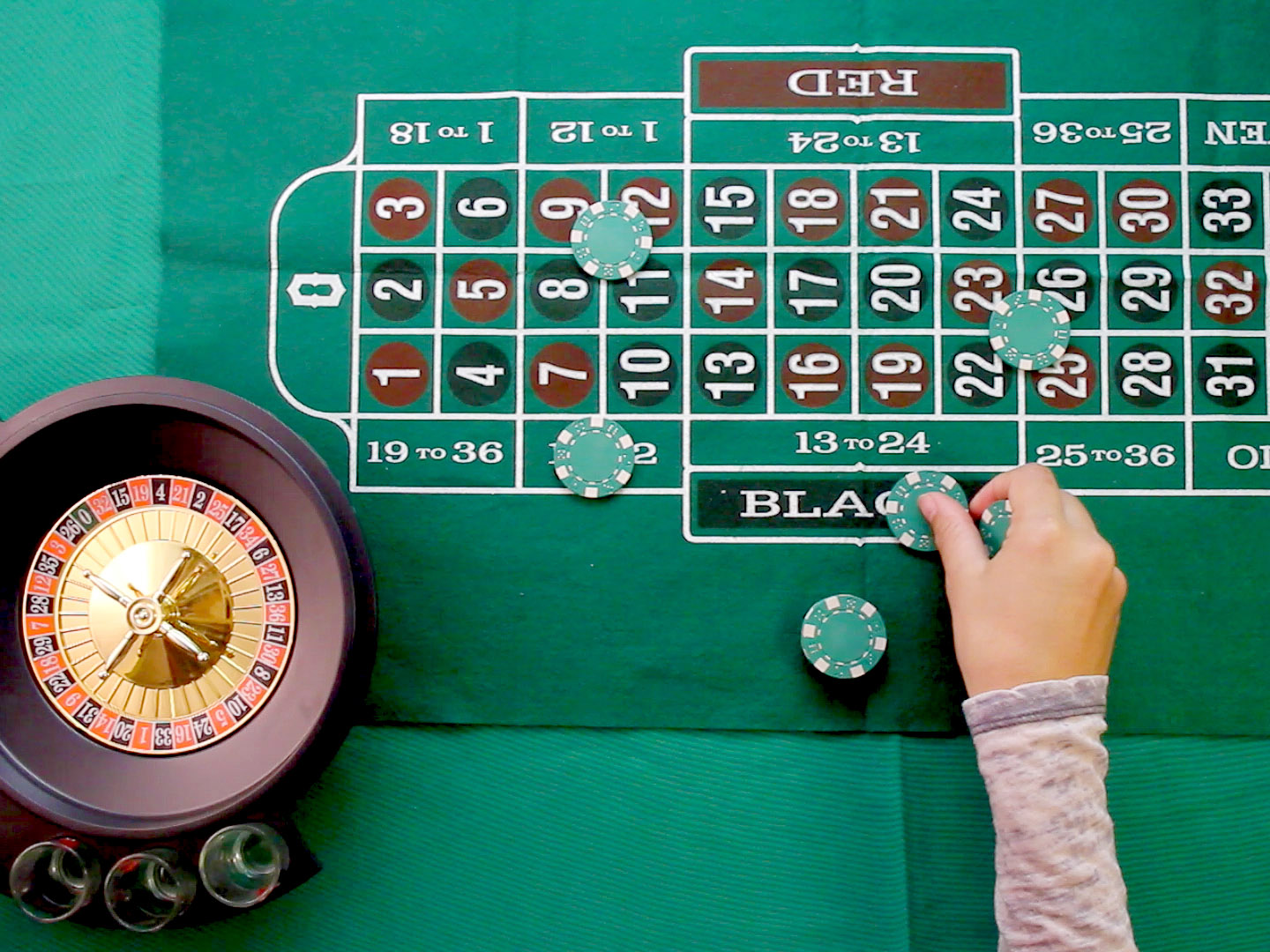
Roulette is a casino table game where players bet on where a ball will land after a dealer, also called a croupier, spins a wheel. The wheel contains numbered pockets from 1 to 36, plus one or more green zero pockets depending on the roulette variation. The betting layout on the table mirrors the numbers and includes extra spaces for broader wagers such as red or black, odd or even, low or high, dozens, and columns.
The goal is simple: place your chips on a prediction before the dealer says “no more bets.” If the ball lands on a number, color, or group covered by your wager, you win according to the payout for that bet. If not, the casino collects the losing chips. That is the entire game in one sentence, which is why roulette remains one of the most beginner-friendly casino games around.
American, European, and French Roulette: Know the Wheel Before You Bet
Before placing a chip, look at the wheel. The number of zero pockets matters because it changes the house edge, which is the casino’s built-in mathematical advantage over time.
American Roulette
American roulette uses 38 pockets: numbers 1 through 36, a single zero, and a double zero. Both zero and double zero are green. This version is common in many U.S. casinos and carries a house edge of about 5.26% on most standard bets. In simple terms, the extra double zero makes the game less favorable for players than single-zero roulette.
European Roulette
European roulette uses 37 pockets: numbers 1 through 36 and one green zero. Because there is no double zero, the house edge drops to about 2.70% on standard bets. If you have a choice between American roulette and European roulette with the same table limits, European roulette is usually the smarter pick.
French Roulette
French roulette also uses a single-zero wheel, but some tables include special rules such as “La Partage” or “En Prison” on even-money bets. These rules can return half of your even-money wager or hold it for another spin when the ball lands on zero, depending on the casino’s policy. French roulette is less common, but when the favorable rules are available, it can be one of the better roulette options for players.
How a Round of Roulette Works
A roulette round has a predictable rhythm. First, players buy chips from the dealer. At many physical tables, each player receives a different-colored stack of non-value roulette chips. The value is assigned when you buy in, and those chips must be cashed out at the same roulette table before you leave.
Next, players place chips on the layout. You can bet on one number, multiple numbers, a color, a range, or a group. While the ball is spinning, you may continue placing bets until the dealer announces “no more bets.” After that, hands off the layout. The ball eventually drops into a pocket. The dealer marks the winning number, clears losing bets, and pays winners.
That is the basic flow: buy chips, place bets, wait for “no more bets,” watch the ball land, and collect if your prediction is correct. It is simple, but the betting menu has plenty of flavor.
Roulette Table Layout Explained
The roulette layout is divided into two broad categories: inside bets and outside bets. Inside bets are placed on the numbered grid and cover specific numbers or small groups. Outside bets are placed around the edges of the layout and cover larger groups such as red or black, odd or even, or 1 through 18.
Inside bets usually offer bigger payouts because they are harder to hit. Outside bets pay less because they cover more numbers and win more often. Think of inside bets as the spicy hot sauce of roulette: exciting, bold, and not something you should pour over your entire bankroll without thinking.
Inside Bets: Higher Risk, Higher Payouts
Inside bets are wagers on exact numbers or small combinations of adjacent numbers. They are popular because the payouts look exciting, especially the famous straight-up bet that pays 35 to 1. However, these bets win less frequently than outside bets.
Straight-Up Bet
A straight-up bet is a wager on one number. Place your chip directly on the number square. If you bet $5 on number 17 and the ball lands on 17, the payout is 35 to 1. You would win $175 in profit, plus your original $5 stake.
Split Bet
A split bet covers two adjacent numbers. Place your chip on the line between two numbers, such as 8 and 9 or 14 and 17. A winning split bet pays 17 to 1.
Street Bet
A street bet covers three numbers in a horizontal row, such as 7, 8, and 9. Place your chip on the outside edge of the row. A winning street bet pays 11 to 1.
Corner Bet
A corner bet, also called a square bet, covers four numbers that meet at one corner. For example, a chip placed at the intersection of 10, 11, 13, and 14 covers all four numbers. A winning corner bet pays 8 to 1.
Six-Line Bet
A six-line bet, sometimes called a double street, covers two adjacent rows for a total of six numbers. For example, a bet on 1, 2, 3, 4, 5, and 6 pays 5 to 1 if any of those numbers hit.
Top-Line or Five-Number Bet
On American roulette, the five-number bet covers 0, 00, 1, 2, and 3. It pays 6 to 1. Many experienced players avoid this wager because it carries a higher house edge than most other standard roulette bets on a double-zero wheel.
Outside Bets: Lower Payouts, Better Hit Frequency
Outside bets are placed around the number grid and cover larger groups. These are often easier for beginners to understand and can help a bankroll last longer, although they still cannot beat the house edge.
Red or Black
This is one of the most famous roulette bets. You bet that the winning number will be red or black. It pays even money, meaning a $10 winning bet earns $10 in profit. Green zero pockets are not red or black, so they cause these bets to lose unless a special table rule says otherwise.
Odd or Even
This wager predicts whether the winning number will be odd or even. Like red or black, it pays even money. Zero and double zero are neither odd nor even.
Low or High
Low covers numbers 1 through 18. High covers numbers 19 through 36. These bets also pay even money. Again, green zero pockets do not count as low or high.
Dozens
A dozen bet covers 12 numbers: 1–12, 13–24, or 25–36. A winning dozen bet pays 2 to 1. If you bet $10 on the second dozen and the ball lands on 20, you win $20 in profit plus your original $10.
Columns
The table layout has three vertical columns of 12 numbers each. A column bet pays 2 to 1 if the winning number appears in your selected column.
Roulette Payout Table
| Bet Type | Numbers Covered | Typical Payout | Example |
|---|---|---|---|
| Straight Up | 1 | 35 to 1 | Bet on 17 |
| Split | 2 | 17 to 1 | Bet on 8 and 9 |
| Street | 3 | 11 to 1 | Bet on 7, 8, 9 |
| Corner | 4 | 8 to 1 | Bet on 10, 11, 13, 14 |
| Five-Number Bet | 5 | 6 to 1 | Bet on 0, 00, 1, 2, 3 |
| Six Line | 6 | 5 to 1 | Bet on 1 through 6 |
| Dozen | 12 | 2 to 1 | Bet on 13 through 24 |
| Column | 12 | 2 to 1 | Bet on one vertical column |
| Red/Black | 18 | 1 to 1 | Bet on red |
| Odd/Even | 18 | 1 to 1 | Bet on even |
| Low/High | 18 | 1 to 1 | Bet on 1–18 |
How to Place a Roulette Bet: Simple Examples
Let’s say you walk up to a $10 minimum American roulette table and buy in for $100. The dealer gives you a stack of colored roulette chips, each worth $5 or $10 depending on what you requested and what the table allows.
Example one: You place $10 on black. The ball lands on black 26. You win $10 in profit and keep your original $10 bet. Total returned: $20.
Example two: You place $5 on number 22. The ball lands on 22. Since a straight-up bet pays 35 to 1, you win $175 in profit and receive your $5 stake back. Total returned: $180.
Example three: You place $10 on the first dozen, covering 1 through 12. The ball lands on 9. A dozen bet pays 2 to 1, so you win $20 in profit and keep your $10 stake. Total returned: $30.
Example four: You place $10 on red, but the ball lands on 0. Since zero is green, your red bet loses. This is where beginners often learn that “almost half the wheel” is not the same as half the wheel.
Understanding Roulette Odds and the House Edge
The house edge exists because roulette payouts are based as if there were only 36 winning numbers, while real wheels include one or more extra green pockets. A straight-up bet pays 35 to 1, but on an American wheel there are 38 possible pockets. That difference is how the casino keeps a long-term advantage.
On a European wheel with one zero, the house edge is about 2.70%. On an American wheel with zero and double zero, the house edge is about 5.26%. On triple-zero roulette, sometimes found in modern casino variations, the edge is even higher. This does not mean you will lose exactly that amount in one session. Short-term results can swing wildly. But over many spins, the math favors the house.
The most important lesson is this: no betting system changes the odds of the next spin. Roulette has no memory. If black hits five times in a row, red is not “due.” The wheel is not trying to balance your emotional spreadsheet.
Common Roulette Betting Strategies
Roulette strategies are popular because they make players feel organized. Some can help with discipline, but none can remove the house edge. Here are the big ones beginners usually hear about.
Flat Betting
Flat betting means wagering the same amount every spin. For example, you might bet $10 on red each round. This approach is simple, easy to track, and less likely to spiral out of control than aggressive progression systems.
Martingale System
The Martingale system doubles the bet after every loss on an even-money wager. The idea is that one eventual win recovers previous losses and adds a small profit. The problem? Losing streaks happen, table limits exist, and bankrolls are not magical bottomless soup bowls. A few losses in a row can make the next required bet painfully large.
D’Alembert System
The D’Alembert system increases the bet by one unit after a loss and decreases it by one unit after a win. It is less aggressive than Martingale, but it still cannot change the actual roulette odds.
Fibonacci System
This system follows the Fibonacci number sequence after losses. It sounds fancy, which is half the charm, but it is still a progression system that depends on future wins arriving before your bankroll runs into a wall.
Best Practical Strategy
The best roulette strategy is not a secret formula. It is choosing lower-edge games when possible, understanding payouts, setting a budget, avoiding the worst bets, and leaving when the entertainment value is gone. Glamorous? Maybe not. Effective for staying in control? Absolutely.
Roulette Etiquette for Beginners
Roulette etiquette is mostly common sense with casino lighting. Wait for a break in play before buying chips. Do not throw cash onto the layout while the dealer is paying winners. Keep drinks, phones, elbows, purses, and dramatic hand gestures away from the betting area.
Once the dealer says “no more bets,” stop touching chips. After the ball lands, wait for the dealer to place the marker on the winning number and clear the table. Do not grab winning chips early. The dealer will pay them when it is time.
When leaving, ask the dealer to “color up” or exchange your roulette chips for standard casino chips. Roulette chips are table-specific, so walking away with them is like leaving a restaurant with a pager from 2006: technically possible, but not useful.
Smart Bankroll Tips for Roulette
Before you play, decide how much money you are comfortable spending on entertainment. Treat that amount like the price of a night out, not an investment account. If you would be upset losing it, do not put it on the table.
A practical bankroll plan might look like this: bring $100, divide it into ten $10 units, and limit yourself to one or two units per spin. You can mix outside bets with small inside bets if you want variety. For example, place $10 on red and $2 on your favorite number. This gives you a steady main bet plus a small “wouldn’t that be fun?” bet without turning the table into financial karaoke.
Set a win goal and a loss limit. If your $100 becomes $160, consider taking a break or cashing out part of the profit. If your bankroll drops to $50 and that was your stop point, step away. Chasing losses is one of the fastest ways to turn a fun game into a bad evening.
Online Roulette vs. Casino Roulette
Online roulette follows the same basic rules as live casino roulette, but the experience feels different. Digital roulette may use a random number generator, while live dealer roulette streams a real wheel operated by a human dealer. Online games often have lower minimum bets, faster rounds, and more variations.
Because online play can move quickly, bankroll control becomes even more important. A physical casino has natural pauses: buying chips, waiting for payouts, chatting with other players, or watching someone dramatically bet on 23 because “it feels warm.” Online roulette can zip through spins at a much faster pace, so set time and spending limits before you start.
Big Mistakes Beginners Should Avoid
The first common mistake is not checking the wheel type. A double-zero table usually has a higher house edge than a single-zero table. The second mistake is misunderstanding payouts. A 35-to-1 payout sounds huge, but it reflects a low chance of winning.
The third mistake is betting emotionally. After a losing streak, it is tempting to increase the bet and “win it back.” That is not strategy; that is the roulette table pressing your buttons like an elevator panel. The fourth mistake is believing in hot and cold numbers. Past spins can be entertaining to watch, but they do not predict the next outcome.
The fifth mistake is ignoring table minimums and maximums. Some tables have separate minimums for inside and outside bets. Always check the posted sign before playing, and ask the dealer if anything is unclear.
Responsible Roulette Play
Roulette should be entertainment. It should not be used to pay bills, recover losses, escape stress, or prove that your “system” is smarter than probability. Set a budget, set a time limit, stay sober enough to make clear decisions, and walk away if the game stops feeling fun.
Only gamble where it is legal and regulated in your jurisdiction. If gambling is causing financial pressure, relationship problems, secrecy, anxiety, or a feeling that you cannot stop, seek help from a trusted support resource. The smartest roulette player is not the one who wins every spin. That player does not exist. The smartest player is the one who knows the rules, understands the risk, and stays in control.
Experience Section: What Playing Roulette Feels Like in Real Life
The first time you stand near a roulette table, it can feel like everyone else knows a secret language. Someone is placing chips across four corners. Another player is calmly stacking chips on black. The dealer is moving quickly, the wheel is spinning, and you are wondering whether putting one chip on your birthday makes you a romantic or a financial hazard. The secret is that roulette looks more complicated than it is. After a few rounds of watching, the rhythm becomes clear.
A good beginner experience starts by observing before playing. Watch one or two spins without betting. Notice when players place chips, when the dealer calls “no more bets,” and how the marker is placed on the winning number. This short pause can save you from the classic rookie move of reaching onto the layout at the wrong time. Casinos are used to beginners, but the game runs smoother when you let the dealer control the action.
When you are ready, start simple. Choose a table with limits that fit your budget. If the minimum bet feels too high, do not convince yourself that confidence will solve math. It will not. A lower-limit table gives you more breathing room and more time to learn. Many beginners enjoy starting with outside bets such as red or black, odd or even, or low or high because they are easy to follow and win more often than single-number bets. They do not guarantee profit, but they keep the game understandable.
One practical experience-based approach is to separate “steady bets” from “fun bets.” For example, you might place most of your wager on an outside bet and use a tiny portion on a favorite number. This gives you the excitement of chasing a larger payout without making the entire session depend on one tiny square. If your number hits, fantastic. If not, you have not thrown your whole bankroll into the roulette volcano.
Another thing you quickly learn is that roulette creates stories. Someone will say a number is hot. Someone else will insist that 0 appears whenever they leave the table. A third person will stare at the results board like it is sending coded messages from the future. These moments are part of the fun, but they should not drive your decisions. Results boards show history, not prophecy. The ball is not reading the room.
Winning also requires discipline, oddly enough. A small win can make you feel brilliant. A big win can make you feel chosen by destiny, physics, and perhaps a tiny casino angel. That is exactly when it is wise to slow down. Cash out some profit, take a walk, get water, or simply enjoy the win without immediately feeding it back to the wheel. Many players discover that leaving ahead is harder than getting ahead.
Losing requires discipline too. Roulette can be fast, and a few unlucky spins can shrink a bankroll quickly. The healthy move is not to double wildly or chase every loss. The healthy move is to remember the budget you set before the game started. If you hit your limit, stop. The table will still be there tomorrow, spinning with the same dramatic indifference.
The best roulette experience is social, relaxed, and informed. Ask questions politely if you are unsure. Tip the dealer if you receive good service and it fits your budget. Celebrate wins, accept losses, and never treat a casino game like a paycheck. Roulette is at its best when it is a sparkling little lesson in chance: thrilling, unpredictable, and much more fun when you know exactly what you are doing.
Conclusion
Learning how to play roulette begins with understanding the wheel, the table layout, and the difference between inside and outside bets. American roulette has both 0 and 00, while European and French roulette use a single zero. Straight-up bets offer the biggest standard payout, but outside bets usually win more often. The most important rule is not hidden in a betting system or lucky charm. It is simple: know the odds, manage your bankroll, and treat roulette as entertainment.
If you choose to play, look for single-zero games when available, avoid betting more than you can afford to lose, and remember that every spin is independent. Roulette is easy to learn, exciting to watch, and full of dramatic little moments. Just do not expect the wheel to owe you anything. It is a wheel, not a financial advisor.

