
Body Care
How to Make Cat Jungle Gyms and Playgrounds: 12 Steps
Jun
Most cats do not dream of owning a tiny sweater. They dream of ruling a kingdom from the highest possible shelf while silently judging everyone below. A DIY cat jungle gym gives your indoor cat a safe place to climb, scratch, hide, nap, chase, and perform dramatic parkour at 2:17 a.m.
The best cat playground is not simply a tall cat tree with a few fuzzy platforms. It is a cat-friendly environment that gives your pet choices: a high perch for surveying the living room, a scratcher near a favorite nap spot, a tunnel for stealth missions, and a cozy hideout for ignoring visitors. With some planning, basic materials, and a strong respect for gravity, you can create a cat jungle gym that looks great in your home and makes your cat feel like the CEO of a small forest.
This guide explains how to make cat jungle gyms and playgrounds in 12 practical steps. You will learn how to choose a location, build vertical routes, add scratching surfaces, create safe resting zones, and avoid the mistakes that turn a fun feline project into a wobbly tower of regret.
Why Cats Love Jungle Gyms and Indoor Playgrounds
Cats are natural climbers, observers, hunters, and scratchers. Even the fluffiest couch potato usually enjoys a higher viewpoint, especially near a window. Vertical spaces can help cats feel more secure because they can watch activity from a distance instead of being stuck at floor level with noisy humans, vacuum cleaners, dogs, and suspicious grocery bags.
A well-designed cat jungle gym can also make an indoor home more interesting. It encourages movement, supports healthy scratching habits, gives cats more places to rest, and may reduce boredom-related behavior such as curtain climbing, countertop exploration, or launching small objects off shelves for scientific research.
For homes with more than one cat, adding multiple perches and escape routes can be especially helpful. Cats do not always want to share one “best seat in the house.” Giving them separate places to climb, hide, and relax can reduce competition over space.
What You Need Before Building a DIY Cat Playground
You do not need a full woodworking workshop to create a great cat playground. Many successful DIY cat jungle gyms combine sturdy furniture, wall shelves, carpet remnants, sisal rope, storage cubes, tunnels, scratching posts, and comfortable beds.
Useful Materials for a Cat Jungle Gym
- Sturdy shelves, wooden boards, or modular cube storage units
- Wall anchors and hardware designed for the wall type and expected weight
- Cat-safe carpet, rug remnants, cork, or textured mats for traction
- Sisal rope or replaceable scratching pads
- Soft blankets, washable cushions, or pet beds
- Cardboard boxes, tunnels, or enclosed cat cubbies
- Cat toys, puzzle feeders, or treat-dispensing toys
- A measuring tape, level, drill, screws, and basic safety equipment
Choose strong, smooth materials that will not splinter, crack, shed sharp pieces, or release strong odors. Avoid loose strings, dangling cords, tiny detachable decorations, or anything your cat may chew and swallow. A cat playground should be exciting, but it should not double as a feline escape room.
How to Make Cat Jungle Gyms and Playgrounds: 12 Steps
Step 1: Watch Your Cat Before You Build
The first step is less “DIY television montage” and more “quiet wildlife documentary.” Watch how your cat already uses the home. Does your cat love the back of the couch? Does she perch near a sunny window? Does he scratch the side of one particular chair as if the chair personally offended him?
Your cat’s habits should guide the design. A confident young cat may enjoy higher shelves and bigger jumping gaps. A senior cat may prefer gradual levels, ramps, and wide resting platforms. A shy cat may value enclosed cubbies more than a tall climbing tower.
Build around your cat’s personality instead of forcing your cat to become an Olympic gymnast. The goal is not to impress your neighbors. The goal is to make your cat use the thing you spent Saturday building.
Step 2: Pick the Right Location
Choose a room where your cat already spends time. Living rooms, bedrooms, home offices, and quiet corners near windows often work well. A window-facing location can provide visual stimulation from birds, leaves, people, and the occasional squirrel who has no idea it is being monitored.
Avoid placing the cat jungle gym next to loud appliances, unstable furniture, hot radiators, open flames, or doors that are constantly swinging. Cats usually appreciate activity, but they do not need to complete a climbing course beside a washing machine during the spin cycle.
Also keep the playground separate from food bowls and litter boxes. Your cat may be many things, but “eating dinner beside the bathroom” is usually not one of their lifestyle goals.
Step 3: Plan a Vertical Route
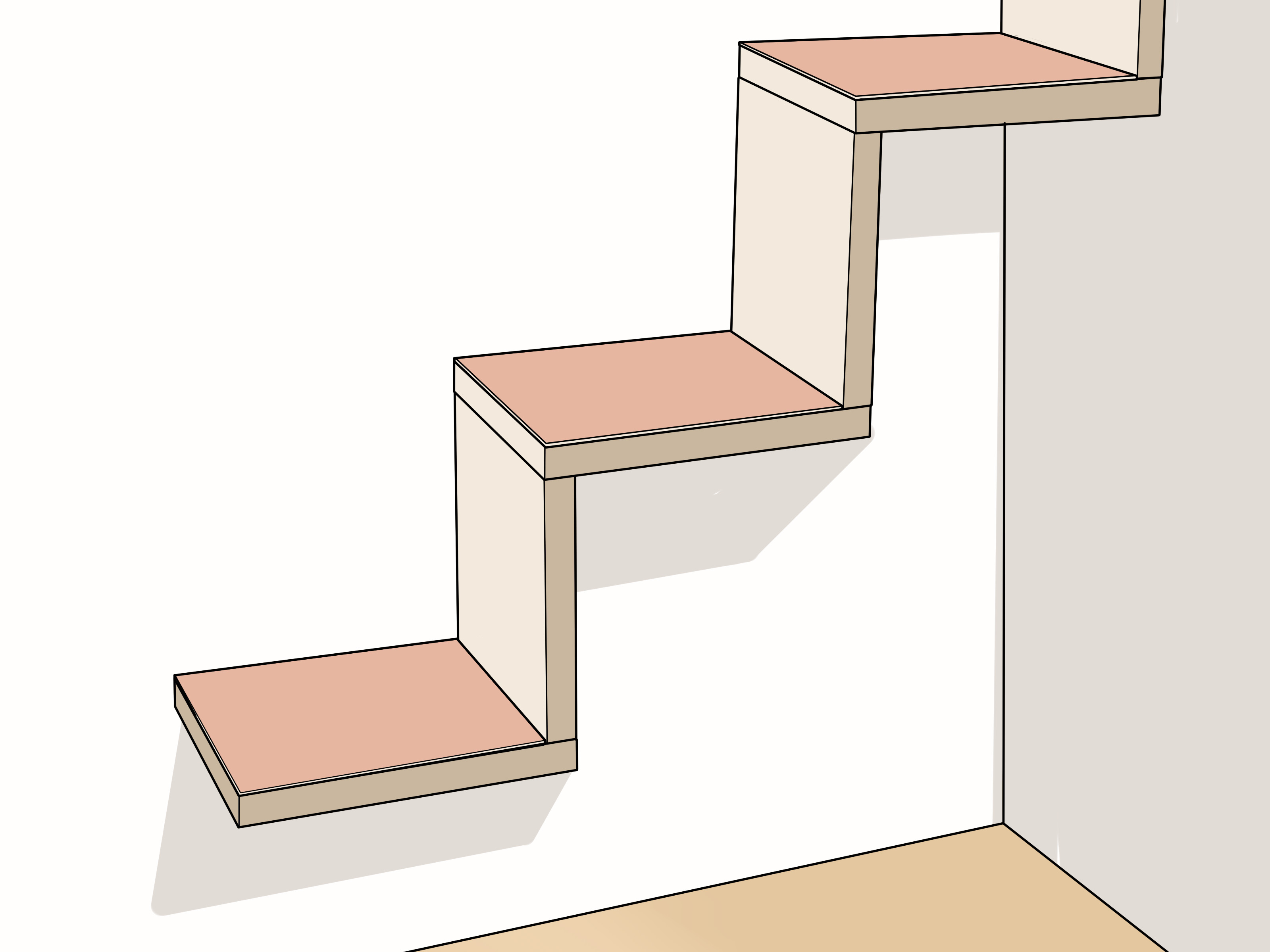
The heart of a cat jungle gym is the climbing route. Think of it as a staircase designed by someone wearing mittens and a tail. Your cat should be able to move from the floor to a perch through a series of comfortable steps, shelves, platforms, or furniture levels.
Sketch your route before drilling anything. Start with a low platform, then add one or two intermediate levels before reaching the highest perch. Keep each landing wide enough for your cat to turn around, sit, stretch, and lie down comfortably.
For agile adult cats, a few well-spaced shelves may be enough. For kittens, large cats, senior cats, or cats with joint concerns, make the route easier by adding shorter climbs, ramps, stools, or carpeted steps. A jungle gym should feel like an adventure, not a surprise final exam.
Step 4: Build a Strong Base First
Every successful cat playground begins with a stable foundation. A floor-based cat tree, sturdy storage cube, low bench, or reinforced cabinet can serve as the starting point. Make sure the base does not wobble when your cat jumps onto it from the side.
If you are converting furniture into a cat activity center, check that it cannot tip over. Anchor tall furniture when appropriate, especially if your cat is large, energetic, or fond of entering rooms at full speed. A dramatic leap should end with a proud landing, not a furniture avalanche.
Add a non-slip surface to the base using cat-safe carpet, a washable mat, or a textured cover. This gives your cat better footing and makes the first platform feel more inviting.
Step 5: Install Wall Shelves Securely
Wall-mounted cat shelves can turn an ordinary room into a feline skyway. However, they must be installed correctly. Use shelves and mounting hardware that are designed to support the combined weight of the shelf, the cat, and the impressive amount of confidence your cat brings to every jump.
Whenever possible, secure shelves into wall studs or use appropriate anchors for your wall type. Follow the manufacturer’s instructions for weight limits and mounting requirements. If you are unsure about your walls, ask a qualified installer or experienced handyman for help before turning your drywall into a climbing course.
Use a level so the shelves are flat. Cats may tolerate chaos, but they do not need a tilted runway that sends them sliding toward the floor. Test each shelf gently before allowing your cat to explore it.
Step 6: Add Grip and Comfortable Surfaces
Smooth wood or laminate can be slippery, especially when cats run, jump, or land after an enthusiastic chase. Cover shelves and platforms with textured materials that improve grip. Carpet remnants, cork mats, woven rugs, or removable cat-safe pads can work well.
Choose surfaces that are easy to clean. Hair, dust, and mysterious crumbs will appear eventually because cats have a special talent for turning tidy furniture into a fur-based weather system.
Removable covers are helpful because they can be washed or replaced when they become worn. Avoid loose fabric edges that could unravel into long strings.
Step 7: Create a Scratching Zone
Scratching is not bad behavior. It is normal cat behavior. Cats scratch to stretch, maintain their claws, leave visual marks, and deposit scent from their paws. A good cat jungle gym should include at least one scratching surface, preferably in an area your cat already likes.
Wrap a sturdy post with sisal rope, attach a vertical scratching panel to the side of a base platform, or place a horizontal cardboard scratcher near the playground. Some cats prefer vertical scratching, while others favor a flat surface. Your cat may have strong opinions about this, despite never contributing to household rent.
Place scratchers near sleeping areas, entrances, and favorite hangout spots. Cats often scratch after waking up, so a scratcher beside a bed or perch can become part of their daily routine.
Step 8: Include Hiding Places and Resting Nooks
A cat playground should not be all climbing and chaos. Cats also need quiet places where they can nap, hide, and observe without being touched every six seconds by an enthusiastic child, dog, or adult who has decided the cat looks “too cute not to pet.”
Add a covered cubby, cardboard box, tunnel, basket, or enclosed bed at one or more levels. A hideout can be placed on the floor, midway up the structure, or near the highest perch. Some cats prefer high hideaways, while others like a private den close to the ground.
For multi-cat households, create more than one resting option. Ideally, cats should be able to leave a perch without being trapped by another cat blocking the only route down.
Step 9: Add a Window Perch or Observation Deck
A window perch can be the crown jewel of a cat playground. Cats often enjoy watching birds, moving branches, passing cars, rain, and the strange ritual humans call “taking out the trash.”
Position the perch near a securely closed window with a reliable screen. Make sure the platform is stable, wide enough for your cat to rest on, and not exposed to excessive heat or direct sunlight for long periods.
You can add a soft cushion or blanket for comfort. A sunny cat shelf can quickly become the most valuable piece of real estate in the entire home, surpassing even your favorite chair.
Step 10: Add Toys and Food-Based Enrichment
A cat jungle gym becomes more interesting when it includes different activities. Add a small toy basket near the base, attach safe toys that cannot become tangled, or hide a few treats in a puzzle feeder placed on a lower platform.
Use toys that encourage stalking, chasing, batting, and pouncing. Rotate them regularly instead of leaving every toy out all the time. Cats can get bored with the same objects, even if those objects are technically shaped like tiny glamorous mice.
Interactive play is important too. Use a wand toy during supervised playtime, let your cat chase and catch it, then finish with a treat or meal. This gives your cat a satisfying “hunt, catch, eat, rest” rhythm.
Step 11: Test the Playground Slowly
Do not expect your cat to immediately race up the new jungle gym like a professional stunt performer. Some cats will inspect it within three seconds. Others will stare at it from across the room as if you have installed a suspicious monument.
Encourage exploration with treats, favorite toys, catnip if your cat enjoys it, or a familiar blanket placed on a platform. Never force your cat onto a shelf or into a cubby. Let curiosity do the work.
Watch how your cat moves through the structure. Are the shelves too far apart? Is one landing too narrow? Does your cat avoid a particular route? Make adjustments based on behavior, not on the original sketch you became emotionally attached to at 11:45 p.m.
Step 12: Maintain and Refresh the Cat Playground
A DIY cat playground is not a “build it once and forget it forever” project. Check it regularly for loose hardware, worn carpet, frayed rope, cracked platforms, unstable supports, and damaged toys. Tighten, replace, or remove anything that no longer looks secure.
Vacuum or wipe down platforms to control fur and dust. Wash removable bedding regularly. Rotate toys, change the location of a puzzle feeder, or add a new cardboard box occasionally to keep the space interesting.
You do not need to redesign the entire playground every month. Small changes can make it feel new. A different blanket, a new scratcher, or a fresh box can be enough to convince your cat that you have finally understood interior design.
Common Mistakes to Avoid When Building a Cat Jungle Gym
Making It Too Tall Without Easy Access
A high perch is great only if your cat can reach it comfortably and climb down safely. Add intermediate levels, ramps, or furniture steps when needed. Older cats may still enjoy vertical space, but they often need a gentler path.
Using Unstable Furniture
A lightweight bookcase, narrow table, or wobbly tower may look fine until your cat launches onto it at full speed. Stability matters more than style. Always check that the structure can handle jumping, climbing, and sudden changes in direction.
Forgetting About Multi-Cat Traffic
In a multi-cat home, a single narrow shelf can become a toll booth controlled by the cat with the biggest personality. Give cats multiple ways up and down, separate resting spots, and more than one high perch when possible.
Adding Too Much at Once
A cat playground should feel stimulating, not crowded. Leave room for your cat to move comfortably. Avoid filling every platform with toys, beds, plants, baskets, and decorative objects. Your cat needs a runway, not a storage unit.
Experiences and Lessons From Building a DIY Cat Playground
People who build cat jungle gyms often discover that the first design is only the beginning. Cats are excellent product testers because they provide immediate feedback without completing a survey. They simply use the parts they love, ignore the parts they dislike, and sit in the cardboard shipping box instead of the carefully upholstered platform you spent two hours making.
One common experience is learning that location matters as much as the structure itself. A beautiful cat shelf placed in a quiet hallway may receive little attention, while a simple perch beside a sunny window becomes a daily destination. Cats often choose spaces where they can watch household activity without being in the middle of it. A platform near a window, couch, or family room corner may become more popular than the tallest shelf in the house.
Another lesson is that cats have different ideas about “fun.” An energetic young cat may treat the jungle gym as a racetrack, racing up shelves and launching onto a cat tree before zooming away. A calm adult cat may use the exact same structure as a luxury apartment, moving slowly from a lower perch to a sunny bed and then disappearing into a covered cubby for six hours.
Owners also tend to learn that a cat playground works better when it offers choices. A high platform is useful, but so is a tunnel. A scratcher is useful, but so is a soft resting spot. A climbing route is useful, but so is an easy exit. Cats like to decide whether they want to be up high, hidden away, near people, or completely unavailable for meetings.
Multi-cat homes can reveal another important truth: vertical space can change how cats share a room. A cat that feels crowded on the floor may relax more when it has a perch of its own. A shy cat may become more confident after gaining access to a safe observation point. Meanwhile, the household’s boldest cat may still claim the tallest shelf, because apparently every cat playground needs a tiny furry monarch.
Maintenance is another real-world experience that surprises people. Carpeted platforms collect fur quickly. Scratching posts wear down. Toys migrate under furniture. What starts as a neat DIY cat gym can eventually resemble a small wilderness preserve. Regular cleaning and quick safety checks keep the space pleasant and prevent minor wear from becoming a problem.
The most rewarding part is usually watching a cat choose the playground on its own. The first slow climb, the first nap on a new perch, or the first enthusiastic scratch on a homemade post can make the project feel worthwhile. A cat jungle gym does not need to be expensive, huge, or perfect. It simply needs to be secure, comfortable, and designed around the strange, funny, wonderfully specific habits of the cat who will use it.
Final Thoughts
Learning how to make cat jungle gyms and playgrounds is really about creating a home that works from your cat’s point of view. Add vertical climbing opportunities, comfortable resting areas, scratching surfaces, safe hideouts, and playful enrichment. Start simple, build securely, and let your cat’s behavior guide your upgrades.
Whether you create a full wall of cat shelves, a modest window perch, or a repurposed storage cube with a scratching post attached, your cat will appreciate having a space that belongs to them. And you may finally convince them that the top of your kitchen cabinets is not the only acceptable penthouse in the house.

