
Hair Care
How to Get Rid of Age Spots (and Avoid Them)
Jun
Note: This article is for educational purposes only. Age spots are usually harmless, but any new, changing, bleeding, itchy, painful, irregular, or unusually dark spot should be checked by a board-certified dermatologist.
Age spots are one of those skin surprises that seem to appear overnight, like gray hairs, mystery knee noises, and the sudden urge to compare sunscreen labels at the drugstore. One day your hands look familiar; the next day, there is a small brown dot acting like it owns beachfront property on your knuckle.
The good news? Age spots, also called liver spots, sun spots, or solar lentigines, are often harmless and very common. The even better news? You have several smart ways to fade them, remove them, and prevent new ones from showing up with tiny lawn chairs and a long-term lease.
Still, the most important rule comes first: do not assume every brown spot is “just an age spot.” Some skin cancers can look like ordinary dark marks. Before treating a spot, especially one that is new or changing, it is wise to get a professional skin exam. Once you know what you are dealing with, you can build a plan that is safe, realistic, and far more effective than rubbing lemon juice on your face while whispering encouraging words.
What Are Age Spots?
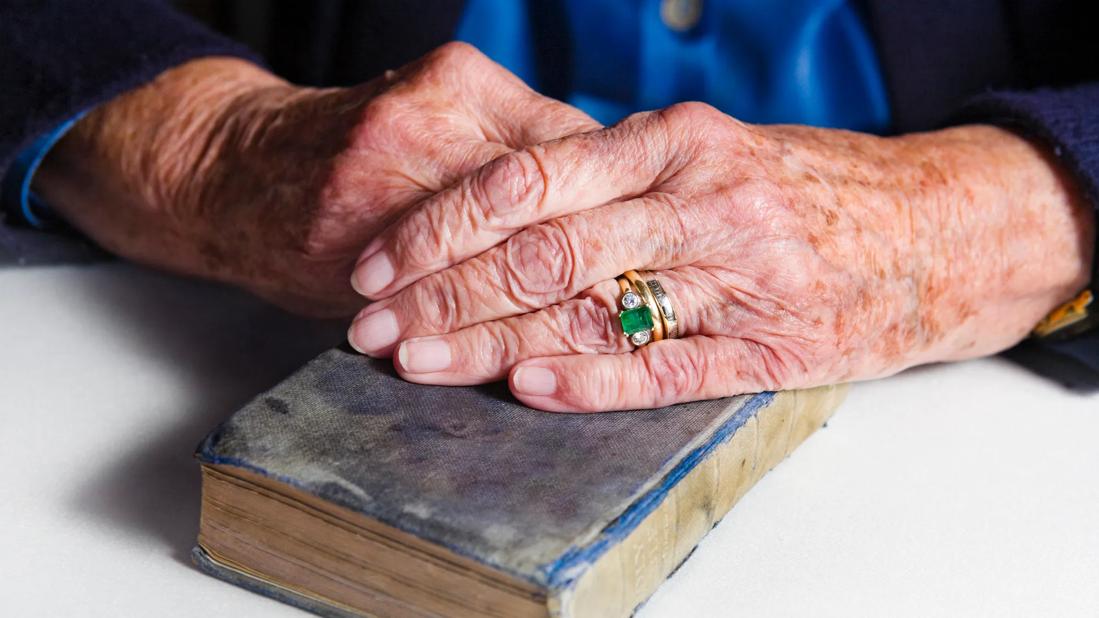
Age spots are flat areas of increased pigmentation that usually appear in shades of tan, brown, or dark brown. They commonly show up on skin that has had years of sun exposure, including the face, backs of the hands, shoulders, arms, chest, and upper back. Despite the nickname “liver spots,” they have nothing to do with the liver. Your liver is innocent. Please apologize to it.
These spots develop when ultraviolet radiation encourages the skin to produce more melanin, the pigment that gives skin its color. Over time, repeated sun exposure can cause melanin to cluster in certain areas. The result is a visible spot that may look like a freckle that decided to stay forever.
Who Gets Age Spots?
Age spots are more common after age 40 or 50, but they can appear earlier, especially in people who spend a lot of time outdoors, use tanning beds, or have a history of frequent sunburns. People with lighter skin may notice them more easily, but age spots can affect all skin tones. In darker skin, pigmentation changes may be more noticeable after inflammation or irritation, so treatment should be chosen carefully to avoid making discoloration worse.
Age Spot or Something Else?
Before asking how to get rid of age spots, ask a better question: “Am I sure this is an age spot?” True age spots are usually flat, painless, and fairly even in color. They often have clear borders and appear in areas that receive sun exposure.
However, a suspicious spot may be uneven, multicolored, rapidly growing, bleeding, crusting, itching, painful, or shaped differently from your other marks. Dermatologists often recommend watching for asymmetry, irregular borders, color changes, larger diameter, or evolution over time. In plain English: if the spot is acting dramatic, let a professional look at it.
A dermatologist can usually identify an age spot by examining the skin. If there is any concern, they may perform a biopsy, which means taking a small sample to rule out skin cancer or other conditions. This step matters because fading creams and cosmetic procedures are for harmless pigmentation, not for diagnosing medical problems.
How to Get Rid of Age Spots: The Real Options
There is no single “best” treatment for everyone. The right choice depends on your skin tone, how dark the spots are, where they are located, your budget, your tolerance for downtime, and how quickly you want results. A dermatologist can help match the treatment to your skin instead of letting you play bathroom-counter chemist with twelve products and a magnifying mirror.
1. Sunscreen: The Treatment That Makes Every Other Treatment Work Better
Sunscreen does not erase age spots overnight, but it is the foundation of any serious plan. Without daily sun protection, spots can darken again after treatment, and new ones can appear. Think of sunscreen as the security guard at the door. Without it, your expensive brightening serum is basically trying to mop the floor while the sink is still overflowing.
Choose a broad-spectrum sunscreen with SPF 30 or higher. Broad-spectrum means it helps protect against both UVA and UVB rays. UVA rays contribute to premature aging and pigmentation, while UVB rays are strongly linked with sunburn. Apply sunscreen to all exposed skin every morning, including your face, neck, ears, chest, and hands. Reapply every two hours when outdoors, and more often after swimming or heavy sweating.
For daily life, use enough product. A tiny decorative dab will not do much. For the face and neck, many dermatologists recommend roughly two finger-lengths of sunscreen. For the body, the common guideline is about one ounce, or a shot-glass amount. Your hands also deserve attention, especially if you drive often, garden, walk the dog, or hold iced coffee like it is a personality trait.
2. Over-the-Counter Brightening Ingredients
For mild age spots, over-the-counter products may help gradually even the look of skin. The key word is gradually. Most topical products need weeks or months of consistent use. If a cream promises to delete dark spots by Friday, it may also have a bridge to sell you.
Helpful ingredients may include niacinamide, vitamin C, azelaic acid, glycolic acid, kojic acid, licorice extract, and retinol. These ingredients work in different ways: some help slow pigment formation, some support cell turnover, and some improve overall tone and texture. A gentle routine is often better than an aggressive one. Irritated skin can create more discoloration, especially in medium to deep skin tones.
Start slowly. Use one new product at a time and patch test if your skin is sensitive. A simple routine might include a gentle cleanser, antioxidant serum in the morning, moisturizer, sunscreen, and a retinol or exfoliating product at night a few times per week. More products do not always mean more results. Sometimes they just mean more redness and a bathroom shelf that looks like a tiny pharmacy exploded.
3. Prescription Creams
Dermatologists may prescribe stronger topical treatments for age spots. These can include hydroquinone, prescription retinoids, or combination formulas. Hydroquinone is a skin-lightening ingredient that can be effective for hyperpigmentation, but it should be used correctly and under professional guidance, especially for longer treatment plans.
Prescription retinoids may help by encouraging skin cell turnover and improving the appearance of sun-damaged skin. They can also make skin more sensitive at first, so sunscreen becomes even more important. Common side effects of strong topicals may include dryness, peeling, stinging, or irritation. This is why “more often” is not always “more better.” Skin is not a stubborn carpet stain.
4. Chemical Peels
A chemical peel uses a controlled solution to remove outer layers of skin and encourage fresher, more even-looking skin to appear. Light peels may use acids such as glycolic acid, lactic acid, or salicylic acid. Medium-depth peels may create more noticeable peeling and downtime.
Chemical peels can help improve age spots, uneven tone, and rough texture, but they must be matched to your skin type. People with darker skin tones or a history of post-inflammatory hyperpigmentation need extra care because overly aggressive peels can trigger more darkening. A professional peel is usually safer and more targeted than experimenting with strong acids at home.
5. Laser and Light Treatments
Lasers and intense pulsed light treatments can target excess pigment in age spots. Some laser treatments break up pigment without removing the surface of the skin, while ablative lasers resurface the skin by removing upper layers. These procedures can be very effective, and some people see significant improvement after one to three sessions.
That said, lasers are not magic wands. They require skill, proper device selection, and careful aftercare. Risks may include swelling, crusting, temporary darkening, lightening of the skin, scarring, or infection. The risk of pigment changes can be higher if the wrong laser settings are used for your skin tone. Choose an experienced dermatologist or dermatologic surgeon, not a bargain coupon from a place that also repairs phone screens.
6. Cryotherapy
Cryotherapy freezes targeted spots, damaging pigment-producing cells so the area can lighten as it heals. It is commonly used for certain isolated age spots and may work quickly. The procedure can sting, and the treated area may crust or temporarily change color.
Cryotherapy is not ideal for every skin tone or every spot. In some cases, it can leave a lighter mark behind. This is another reason a dermatologist should confirm the diagnosis and decide whether freezing is appropriate.
7. Microdermabrasion and Dermabrasion
Microdermabrasion gently exfoliates the surface of the skin and may improve mild discoloration over a series of treatments. Results are usually modest and temporary compared with lasers or prescription treatments, but downtime is often minimal.
Dermabrasion is more intensive and removes deeper layers of skin. It can be useful for certain texture and pigmentation concerns, but it carries more downtime and risk. These treatments should be performed by qualified professionals, especially if you are prone to discoloration after irritation.
What Not to Use on Age Spots
The internet has a lively imagination. It may suggest lemon juice, baking soda scrubs, toothpaste, apple cider vinegar, or other kitchen experiments. These can irritate the skin, cause burns, increase sun sensitivity, or make pigmentation worse. Your face is not a salad dressing.
Be especially careful with unregulated skin-lightening products. Some products sold online or in informal markets may contain unsafe ingredients, including mercury or high-potency steroids that are not meant for unsupervised use. Warning signs include missing ingredient lists, unclear manufacturers, dramatic “instant whitening” claims, or instructions that sound like they were translated by a haunted printer.
How to Prevent Age Spots
Prevention is not glamorous, but it works. Age spots are strongly linked with cumulative sun exposure, which means your daily habits matter more than one heroic beach-day sunscreen application. The goal is not to hide indoors like a Victorian ghost. The goal is to enjoy life while giving your skin a reasonable defense plan.
Wear Sunscreen Every Day
Use broad-spectrum SPF 30 or higher on exposed skin every morning. This includes cloudy days, winter days, and “I’m only driving to the store” days. UVA rays can pass through clouds and window glass, so incidental exposure adds up over time.
Use Protective Clothing
Wide-brimmed hats, UV-blocking sunglasses, long sleeves, and UPF-rated clothing can reduce sun exposure. Clothing is especially useful because it does not need reapplication. Your hat will not suddenly stop working after two hours, unless it blows into a lake.
Seek Shade Strategically
Try to limit direct sun exposure when UV rays are strongest, often from late morning through midafternoon. Shade is not perfect protection, but it helps. Combine shade with sunscreen and clothing for the best results.
Avoid Tanning Beds
Tanning beds expose skin to ultraviolet radiation and can accelerate visible aging, including wrinkles, rough texture, and dark spots. They also increase skin cancer risk. A tan is not a “healthy glow”; it is your skin filing a complaint.
Protect Your Hands
Hands often reveal sun damage because they are exposed during driving, walking, sports, gardening, and errands. Apply sunscreen to the backs of your hands every morning and reapply after washing. For long drives, consider UV-protective driving gloves or keeping sunscreen in your bag.
Building a Simple Age Spot Routine
A routine does not need to be complicated to work. In fact, simple routines are easier to maintain, and consistency is where results live.
Morning Routine
Cleanse gently or rinse with water. Apply a brightening antioxidant serum, such as vitamin C or niacinamide, if your skin tolerates it. Follow with moisturizer if needed. Finish with broad-spectrum sunscreen SPF 30 or higher. If you are outdoors, reapply.
Evening Routine
Cleanse to remove sunscreen, sweat, and pollution. Apply a retinoid or gentle exfoliating product a few nights per week, depending on your skin’s tolerance. Moisturize well. If irritation appears, reduce frequency. The goal is steady improvement, not turning your skin into a warning label.
Weekly Check-In
Take a quick look at your spots once a month in consistent lighting. Photos can help you notice changes over time. Do not inspect your skin every six minutes in a 10x mirror. That way lies madness, and possibly an unnecessary online cart full of serums.
How Long Does It Take to Fade Age Spots?
Topical treatments usually take at least eight to twelve weeks to show visible improvement, and deeper pigmentation may take longer. Professional procedures may work faster, but they often require healing time and strict sun protection afterward. Some spots fade significantly; others lighten but do not disappear completely.
Results also depend on whether you prevent new sun damage. If you treat age spots but skip sunscreen, pigmentation can return. Think of treatment as cleaning the window and prevention as closing it before the dust storm comes back.
When to See a Dermatologist
See a dermatologist if a spot is new, changing, bleeding, painful, itchy, uneven, very dark, or different from your other spots. You should also schedule a visit if over-the-counter products are not helping after several months, if you have darker skin and want to avoid post-inflammatory hyperpigmentation, or if you are considering lasers, peels, cryotherapy, or prescription creams.
A dermatologist can confirm the diagnosis, recommend the safest treatment for your skin tone, and help you avoid unnecessary irritation. Professional guidance can save time, money, and the emotional damage of buying seven “miracle” creams that smell like industrial fruit.
Real-Life Experience: What Actually Helps Age Spots Fade and Stay Away
Here is the practical truth people often discover after trying to treat age spots: fading the spot is only half the project. The other half is changing the tiny daily habits that invited the spot in the first place. Most people do not get age spots from one dramatic sunburn on a vacation. They get them from years of everyday exposure: walking to the mailbox, driving with hands on the steering wheel, sitting near windows, gardening on weekends, forgetting sunscreen on the neck, or thinking cloudy weather means “UV rays took the day off.” They did not. UV rays are annoyingly punctual.
A common experience is starting with a brightening serum and expecting fast results. After two weeks, nothing much happens, and the product gets blamed. But pigmentation is stubborn. Skin needs time to turn over, and pigment does not pack its bags just because vitamin C showed up with a cute label. People who see the best results usually take a slower, steadier approach: daily sunscreen in the morning, a brightening ingredient used consistently, a retinoid or gentle exfoliant at night, and moisturizer to prevent irritation.
Another lesson is that the hands need their own plan. Many people carefully protect their face but forget the backs of their hands. Then the hands develop more visible spots than the cheeks. A simple fix is to apply leftover facial sunscreen to the hands every morning and keep a small tube near the sink, in a bag, or by the door. Reapplying after handwashing can feel annoying at first, but it becomes automatic, like checking for keys before leaving the house.
People who choose professional treatments often learn that aftercare matters as much as the procedure. A laser session or chemical peel can lighten spots impressively, but the treated skin is more vulnerable afterward. Skipping sunscreen during healing can cause the spot to darken again or trigger new discoloration. The best results usually come from treating the procedure like a reset button, not a permanent force field.
There is also an emotional side to age spots. Some people feel frustrated because the spots make them look older than they feel. Others do not mind them but want reassurance that they are harmless. Both reactions are valid. Skin tells stories: beach trips, sports, outdoor jobs, long walks, summer afternoons, and maybe a few years of “I don’t need sunscreen” confidence. The goal is not to hate your skin for having a history. The goal is to care for it wisely now.
The most useful mindset is progress, not perfection. You may not erase every mark, and you do not need to. Even a 30% improvement can make skin look clearer and more even. A good routine can prevent existing spots from getting darker and reduce the chance of new ones. That is a win. Quiet, steady, sunscreen-scented victory.
If you want a simple starting point, begin with three habits for the next 90 days: apply broad-spectrum SPF 30 or higher every morning, use one gentle brightening ingredient consistently, and cover up during strong sun. Take a photo on day one and another after three months. Skin changes slowly, and photos are often more honest than daily mirror inspections. Just remember: the best age spot treatment is the one you can actually keep doing without turning your life into a twelve-step skincare opera.

