
Body Care
How To Clean a Wound: Basic Wound Care
Jun
Note: This article is for general first-aid education and is not a substitute for professional medical advice. For deep, dirty, heavily bleeding, infected, or high-risk wounds, contact a healthcare professional or seek urgent care.
A small cut can turn an ordinary day into a tiny crime scene. One minute you are chopping onions, opening a package, fixing a bike, or bravely losing a battle with a coffee table corner; the next minute, you are staring at your skin and wondering, “Do I need a doctor, a bandage, or a dramatic soundtrack?”
The good news is that many minor wounds, including everyday cuts, scrapes, and small abrasions, can be cleaned and cared for safely at home. The even better news is that basic wound care is not complicated. It mostly comes down to clean hands, gentle rinsing, steady pressure, a proper dressing, and knowing when a wound has graduated from “home project” to “please let a medical professional handle this.”
Learning how to clean a wound correctly can reduce the risk of infection, support faster healing, and help minimize scarring. This guide explains the essentials of wound cleaning, dressing, aftercare, infection warning signs, and practical real-life experience so you can handle minor skin injuries calmly and confidently.
What Counts as a Minor Wound?
A wound is any break in the skin or body tissue. Minor wounds usually include shallow cuts, small scrapes, mild abrasions, and tiny punctures that are not heavily contaminated and are not bleeding severely. These are the classic “oops” injuries: paper cuts, scraped knees, nicked fingers, and small kitchen mishaps.
Not every wound belongs in the same category, though. A clean paper cut is very different from a rusty nail puncture, an animal bite, a deep glass cut, or a wound filled with gravel. The first rule of wound care is to look at the injury before treating it. Ask yourself: Is the bleeding controlled? Is the wound deep? Is anything stuck inside it? Was it caused by a bite, dirty object, burn, or crushing injury? If the answer makes you nervous, that is useful information. Your nervous system is basically waving a little red flag.
How To Clean a Wound Step by Step
1. Wash Your Hands First
Before touching the wound, wash your hands with soap and clean running water for at least 20 seconds. If soap and water are not available, use an alcohol-based hand sanitizer, but wash with soap and water as soon as possible. Clean hands are your first line of defense because germs from your fingers can easily enter broken skin.
If you have disposable medical gloves, use them, especially when helping someone else. If not, thoroughly washed hands are still far better than rushing in like an enthusiastic but germ-covered hero.
2. Stop the Bleeding With Gentle Pressure
For most minor cuts and scrapes, bleeding slows or stops on its own. If it does not, place a clean cloth, sterile gauze, or clean bandage over the wound and apply steady pressure. Keep the pressure firm but not crushing. If possible, raise the injured area above heart level to help slow bleeding.
Do not keep lifting the cloth every few seconds to check whether the bleeding has stopped. That can disturb early clotting. If blood soaks through the first layer, place another clean layer on top instead of removing the original dressing.
Seek urgent medical care if bleeding is spurting, will not stop after several minutes of steady pressure, or is associated with a deep wound, numbness, weakness, or a large object embedded in the skin.
3. Rinse the Wound Under Clean Running Water
Once bleeding is controlled, rinse the wound under clean running water. For many small wounds, tap water is acceptable. Let the water flow over the area to remove dirt, bacteria, and loose debris. Running water is often more useful than dabbing because it helps flush away particles without aggressive rubbing.
For a dirty scrape, such as a knee that met the sidewalk in an emotionally complicated way, rinse for several minutes. The goal is to remove grit, dust, and debris without damaging the skin further. If dirt remains, gently use a clean washcloth around the area. For visible small particles, use tweezers cleaned with rubbing alcohol.
If you cannot remove debris, or if there is glass, metal, wood, gravel, or another object lodged deep in the wound, do not dig around like you are mining for treasure. Cover the wound and get medical help.
4. Clean Around the Wound With Mild Soap
Use mild soap and water to clean the skin around the wound. Avoid getting a lot of soap directly inside the open wound because it may irritate exposed tissue. Fragrance-free, gentle soap is a good choice. You do not need fancy antibacterial soap for basic wound care; regular mild soap and careful washing are usually enough.
After cleaning, pat the surrounding skin dry with clean gauze or a clean towel. Do not rub the wound aggressively. The skin is already annoyed. It does not need an exfoliation session.
5. Avoid Harsh Chemicals Inside the Wound
Many people grew up believing that hydrogen peroxide bubbles mean “it is working.” The bubbles are memorable, yes, but modern wound care generally recommends avoiding hydrogen peroxide, iodine, and rubbing alcohol inside minor wounds because they can irritate tissue and may slow healing. Save the dramatic fizzing volcano experiment for science class.
Clean water, saline solution, and gentle washing are usually the best options for minor wounds. If you use an over-the-counter antiseptic or antibiotic ointment, follow the product instructions and stop using it if irritation or a rash develops.
6. Apply a Thin Layer of Petroleum Jelly or Ointment
After cleaning, apply a thin layer of petroleum jelly to help keep the wound moist. A moist wound environment can support healing and reduce the chance of a hard scab cracking open. Some people use antibiotic ointment for small cuts, but it is not always necessary for every minor wound. Petroleum jelly is often enough for clean, minor injuries.
If you choose an antibiotic ointment, use only a small amount. More ointment does not mean more healing. It just means your bandage may slide around like it is on a tiny slip-and-slide.
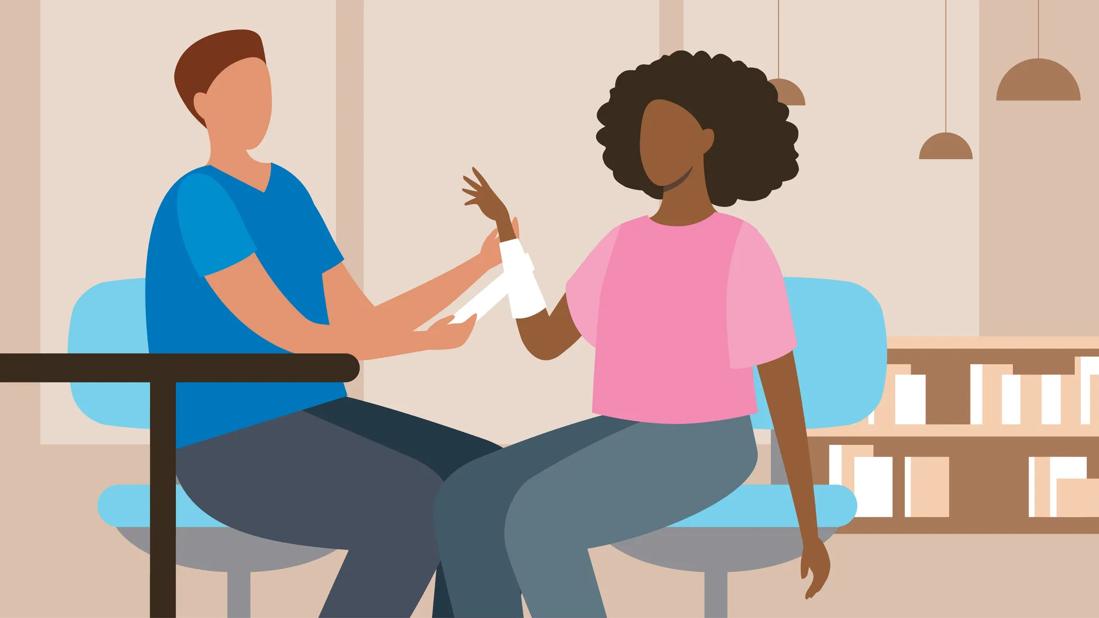
7. Cover the Wound With a Clean Bandage
Cover the wound with a sterile adhesive bandage, gauze pad, or nonstick dressing. Covering protects the injury from dirt, friction, and bacteria. It also keeps the wound moist and prevents you from absentmindedly poking at it during a meeting, movie, or snack break.
Choose the dressing based on the wound. A small finger cut may only need an adhesive bandage. A larger scrape may need a nonstick pad and medical tape. A wound that drains slightly may need absorbent gauze. The bandage should cover the wound completely without being so tight that it affects circulation.
8. Change the Dressing Daily
Change the bandage at least once a day, or sooner if it gets wet, dirty, loose, or soaked with drainage. Each time you change it, wash your hands, gently clean the area if needed, apply a fresh thin layer of petroleum jelly or ointment, and cover it again.
When removing a stuck bandage, do not yank it off like a magician pulling a tablecloth. Moisten it with clean water or saline, wait a moment, and gently loosen it. Your future self will appreciate the patience.
Common Wound Types and How Care Differs
Cuts
Cuts are breaks in the skin caused by sharp objects such as knives, scissors, glass, or paper. Small, shallow cuts often respond well to basic cleaning, pressure, petroleum jelly, and a bandage. Deep cuts, gaping edges, cuts longer than about three-fourths of an inch, or wounds that expose fat, muscle, or bone need medical attention. Stitches, skin glue, or wound strips may be needed to close the skin properly and reduce scarring.
Scrapes and Abrasions
Scrapes happen when the top layers of skin are rubbed away, often after falls on pavement, playground surfaces, or sports fields. They may look messy and sting dramatically because many nerve endings are exposed. The key is thorough rinsing. Scrapes can trap dirt and grit, so take time to flush the area gently but completely. Cover with a nonstick dressing to protect the surface while it heals.
Puncture Wounds
Puncture wounds are caused by pointed objects such as nails, needles, thorns, or animal teeth. They may look small on the surface but can carry bacteria deep into tissue. Do not assume a tiny hole is harmless. Seek medical advice for punctures from dirty objects, deep punctures, foot punctures, animal bites, human bites, or wounds in people who are not up to date on tetanus vaccination.
Bites
Animal and human bites deserve extra caution because they can introduce bacteria beneath the skin. Wash the area with running water and mild soap, control bleeding, cover the wound, and contact a healthcare provider. Bites to the hand, face, foot, genitals, or near a joint should be evaluated promptly. Depending on the situation, antibiotics, rabies assessment, or tetanus protection may be needed.
When To See a Doctor for a Wound
Basic wound care works well for minor injuries, but some wounds need professional care. See a healthcare provider or go to urgent care if:
- The wound is deep, gaping, or longer than three-fourths of an inch.
- Bleeding does not stop with steady pressure.
- The wound was caused by a dirty, rusty, or contaminated object.
- There is glass, metal, wood, gravel, or debris you cannot remove.
- The injury is from an animal bite or human bite.
- The wound is on the face, near the eye, across a joint, on the hand, or on the foot.
- You see fat, muscle, tendon, or bone.
- There is numbness, weakness, trouble moving the area, or loss of sensation.
- You have diabetes, poor circulation, a weakened immune system, or take medicines that affect healing.
- You are unsure about tetanus vaccination status.
Signs of Wound Infection
A little redness, tenderness, or clear fluid can be normal in early healing. However, infection is different. Watch the wound daily for warning signs. Call a healthcare provider if you notice increasing redness, swelling, warmth, worsening pain, pus, a bad smell, red streaks spreading from the wound, fever, chills, or swollen lymph nodes.
Also pay attention if the wound seems to improve and then suddenly gets worse. Healing should generally move in the direction of “less angry,” not “more dramatic.” A wound that becomes increasingly painful, hot, swollen, or oozy needs attention.
What About Tetanus?
Tetanus is a serious infection caused by bacteria that can enter through cuts, punctures, burns, crush injuries, and wounds contaminated with soil, dust, or feces. Vaccination is the best protection. Adults generally need tetanus booster shots on a recommended schedule, and certain wounds may require a booster depending on your vaccine history and the type of injury.
If you have a dirty wound, puncture wound, animal bite, crush injury, or wound with dead tissue, check your tetanus status. If you do not know when you last had a tetanus shot, contact a healthcare provider. This is especially important for puncture wounds from nails, outdoor injuries, and wounds contaminated with soil.
Basic Wound Care Supplies To Keep at Home
A simple first-aid kit makes wound care less chaotic. You do not need a hospital supply closet, but you do need a few essentials. Keep mild soap, sterile gauze pads, adhesive bandages in multiple sizes, nonstick dressings, medical tape, disposable gloves, tweezers, petroleum jelly, saline solution, and clean scissors. A cold pack, elastic wrap, and pain reliever can also be useful for related bumps and bruises.
Check your kit a few times a year. Replace expired products, dried-out wipes, empty ointment tubes, and bandages that have somehow turned into confetti. A first-aid kit is only helpful if you can find what you need before the injured person becomes impatient, lightheaded, or deeply unimpressed.
How Wounds Heal
Wound healing is a team effort inside your body. First, blood clotting helps stop bleeding. Then immune cells move in to remove bacteria and damaged tissue. New tissue begins forming, and the skin slowly closes. Over time, the repaired area strengthens, although scar tissue may not be as strong as uninjured skin.
Your job is to create good healing conditions. Keep the wound clean, moist, and protected. Avoid picking scabs, scratching, or exposing the wound to dirt. Eat a balanced diet, stay hydrated, and manage chronic conditions such as diabetes. Healing is biology, not magic, but it works better when you stop interfering with it.
Common Wound Care Mistakes
Using Hydrogen Peroxide Repeatedly
Hydrogen peroxide may look satisfying, but repeated use can irritate healthy cells that are trying to repair the wound. For minor wounds, rinsing with clean water and using gentle care is usually better.
Leaving a Wound Uncovered Too Soon
The old advice to “let it air out” is not always helpful. Open wounds can dry out, crack, and collect dirt. Covering a clean minor wound usually supports a better healing environment.
Picking at Scabs
Picking slows healing and can increase scarring or infection risk. Yes, scabs are strangely tempting. No, they do not need your editorial assistance.
Ignoring Infection Signs
Do not wait days while a wound becomes redder, hotter, more painful, or filled with pus. Early medical care can prevent a small infection from becoming a bigger problem.
Experiences and Practical Lessons From Everyday Wound Care
Anyone who has cared for a scraped knee, kitchen cut, or playground injury knows that wound care is part medical skill, part patience, and part emotional management. The actual cleaning process may take only a few minutes, but the person attached to the wound may have very strong opinions about water temperature, bandage style, and whether the injury is “definitely the worst thing that has ever happened.” This is especially true with children, but adults are not always much calmer. A paper cut can humble the strongest among us.
One useful experience-based lesson is to prepare before touching the wound. Gather clean gauze, bandages, petroleum jelly, tweezers, and a trash bag first. When supplies are ready, the process feels calmer. There is less running around with one hand in the air and more actual problem-solving. This is particularly helpful when dealing with a bleeding finger, because fingers love to bleed more than seems emotionally necessary.
Another practical lesson is that rinsing takes longer than people expect. A quick splash may not remove tiny particles from a scrape. If the wound came from asphalt, dirt, playground mulch, or a sports field, slow down and rinse carefully. Good cleaning at the beginning can prevent trouble later. It may feel tedious, but it is better than discovering a tiny piece of gravel still hanging out in the skin like an unwanted tenant.
Bandage choice also matters more than people think. A regular adhesive bandage may work for a small cut, but a larger scrape often does better with a nonstick pad. If gauze sticks directly to the wound, removal can reopen healing tissue and turn dressing changes into a miniature horror film. A little petroleum jelly and a nonstick dressing can make daily care much easier.
For children, distraction helps. Explain what you are doing in simple terms: “I am washing away dirt so your skin can heal.” Let them choose a bandage if possible. A dinosaur bandage does not have magical medical powers, but emotionally, it comes close. For adults, the equivalent may be taking a breath, sitting down, and not trying to clean a wound while rushing out the door.
Experience also teaches that wounds should be checked daily. Many people clean a cut once, cover it, and forget it exists until the bandage falls off in the shower. A quick daily check can catch infection signs early. Look for spreading redness, swelling, warmth, pus, worsening pain, or a bad smell. If the wound is on the foot, hand, or near a joint, be even more observant because movement and friction can slow healing.
Finally, know when home care has reached its limit. There is no prize for pretending a serious wound is minor. Deep cuts, bite wounds, dirty punctures, uncontrolled bleeding, and wounds in people with diabetes or immune problems deserve professional attention. Good wound care is not about being tough. It is about being smart, clean, and just humble enough to call a clinician when the situation demands it.
Conclusion
Cleaning a wound correctly is one of the most useful first-aid skills you can learn. Start with clean hands, stop the bleeding, rinse the wound well, clean around it with mild soap, avoid harsh chemicals, keep it moist, and cover it with a clean dressing. Change the bandage daily and watch for infection.
Most minor wounds heal well with simple care, but do not ignore warning signs. If the wound is deep, dirty, caused by a bite, bleeding heavily, filled with debris, or showing infection symptoms, get medical help. Your skin is excellent at repairing itself, but it appreciates a clean workspace and a little common sense.
SEO Tags

