
Body Care
How Long Would You Last in the Upside Down?
May
If you have ever watched Stranger Things and thought, “Honestly, I could survive that,” congratulations: you have the confidence of a raccoon crossing a six-lane highway. The Upside Down is not just a gloomy parallel Hawkins with bad lighting and aggressive interior design. It is cold, toxic-looking, spore-filled, vine-covered, monster-patrolled, psychologically crushing, and generally hostile to anyone whose main survival skill is knowing where the nearest snack drawer is.
So, how long would you last in the Upside Down? The honest answer depends on your gear, your health, your ability to stay calm, your knowledge of the terrain, and whether a Demogorgon has already added you to its dinner calendar. A prepared adult with protective clothing, clean water, a respirator, a light source, and a clear escape plan might survive several hours to a day. An unprepared person who falls through a gate in everyday clothes? Maybe minutes to a few hours, especially if panic, exposure, dehydration, or airborne irritants begin piling up.
This guide breaks down the survival odds using what the show tells us about the Upside Down and what real-world science says about hostile environments, emergency planning, respiratory hazards, isolation, and stress. No psychic powers requiredalthough if you have them, please use them responsibly and avoid government laboratories.
What Is the Upside Down, Really?
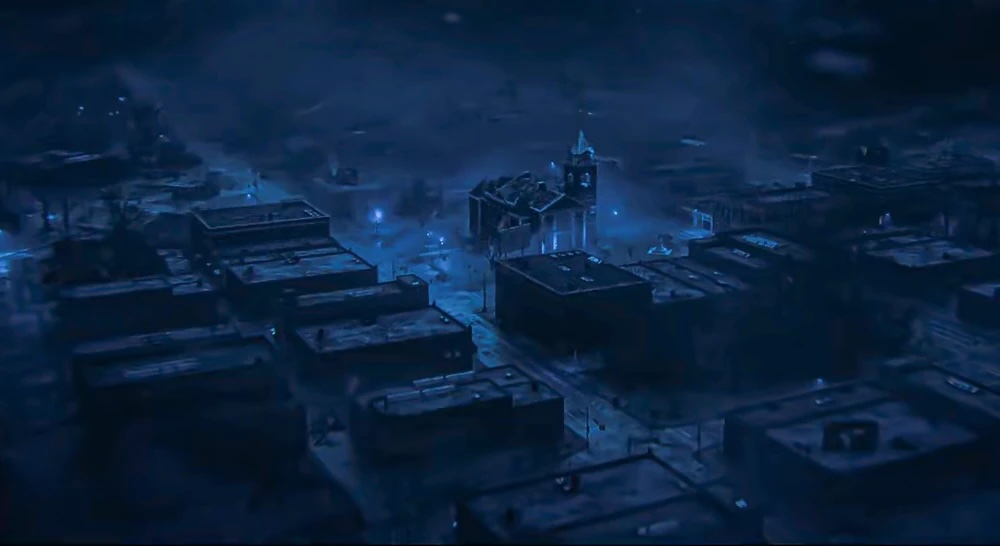
In the world of Stranger Things, the Upside Down is a dark mirror of Hawkins, Indiana. It looks familiar enough to trick your brain for about three seconds, then immediately reminds you that the wallpaper has been replaced by vines and nightmares. The environment includes floating dust-like particles, organic growth, eerie red lightning, predatory creatures, and a connection to forces such as Vecna, the Mind Flayer, and the Demogorgon.
One of the most disturbing things about the Upside Down is that it is not merely “a scary place.” It behaves like a living ecosystem. Vines spread, spores drift, creatures hunt, and the landscape appears infected by something ancient, alien, and deeply uninterested in human comfort. In recent official explanations, the Upside Down is also tied to a larger hostile realm, making it less like a simple alternate dimension and more like a bridge between Hawkins and something far worse.
That distinction matters for survival. A normal abandoned town is dangerous because of broken glass, darkness, exposure, and lack of resources. The Upside Down adds biological contamination, unknown atmospheric risks, supernatural predators, and psychic danger. It is basically the worst camping trip imaginable, except the forest is alive and your tent may try to strangle you.
The Biggest Survival Threats in the Upside Down
1. The Air May Be Your First Enemy
The Upside Down is famous for its floating particles, often described by fans as spores or toxic dust. In the show, characters can spend time there without immediately collapsing, but that does not mean the air is safe. Real-world exposure to mold, damp environments, dust, and airborne biological particles can irritate the eyes, throat, skin, and lungs. For people with asthma, allergies, chronic lung disease, or weakened immune systems, the risk would be much higher.
In a realistic survival scenario, your first question would not be “Where is the monster?” It would be “Can I breathe this?” A proper respirator would dramatically improve your odds. A thin scarf, Halloween mask, or “I’ll just hold my breath” strategy would not. Holding your breath works for diving into a pool, not for exploring an infected nightmare dimension with the air quality of a haunted basement.
2. Cold, Damp Conditions Drain Energy Fast
The Upside Down appears cold, damp, and windy. Even if the temperature is not instantly lethal, long exposure to cold and moisture can sap body heat. Hypothermia becomes a serious risk when the body loses heat faster than it can produce it. Early warning signs include shivering, fatigue, confusion, clumsy hands, slurred speech, and poor decision-making.
That last symptom is especially bad in the Upside Down, where one poor decision can become “I followed the suspicious vine noise and now I am part of the wall.” Wet clothing, fear, exhaustion, and lack of food would all accelerate the problem. If you arrived in a hoodie, jeans, and sneakers, your survival clock would start ticking quickly.
3. Dehydration Would Sneak Up on You
People usually think survival is about food, but water is the urgent issue. In a stressful environment, you breathe harder, sweat more, and burn energy faster. If you are running, hiding, coughing, or screaming “Steve!” into the darkness, you are losing fluids. Dehydration can cause thirst, dizziness, headache, fatigue, confusion, rapid heartbeat, and eventually life-threatening complications.
Could you drink water in the Upside Down? Technically, there may be water sources. Realistically, drinking from a contaminated puddle in an alien ecosystem is how you become the subject of a very short medical case study. Unless you have sealed water or a reliable purification system, dehydration becomes one of your biggest non-monster threats.
4. Monsters Make the Math Much Worse
Let’s be practical. The Upside Down would already be a survival nightmare without monsters. With monsters, the odds fall through the floor, into another floor, and possibly into Dimension X. Demogorgons are fast, strong, and excellent at making people regret entering dark rooms. Demobats attack in swarms. Vines can move and restrain victims. Vecna adds psychic threat, manipulation, and the deeply unfair advantage of being able to ruin your day from a distance.
If you are armed, trained, and traveling with a group, you have a chance. If you are alone, noisy, injured, or emotionally spiraling, you are basically ringing a dinner bell. The Upside Down rewards silence, teamwork, situational awareness, and fast exits. It does not reward curiosity, dramatic speeches, or wandering off because you “heard something.”
How Long Would an Average Person Last?
Let’s divide survival time into realistic categories. This is not a scientific stopwatch, because no lab has ethically dropped volunteers into a shadow dimension. Still, based on environmental hazards and emergency-survival principles, we can estimate.
Unprepared Visitor: 10 Minutes to 3 Hours
This is the person who accidentally enters the Upside Down wearing normal clothes and carrying only a phone with 14% battery. Their main tools are panic, optimism, and maybe a half-eaten granola bar. They are at high risk of getting lost, breathing contaminated air, becoming chilled, making noise, and attracting predators.
If they stay hidden and find a gate quickly, they might escape. If they run blindly, shout frequently, touch the vines, or try to explore, their survival time drops dramatically. The biggest danger is not one single threatit is the combination of fear, darkness, respiratory irritation, cold, and poor navigation.
Fit but Untrained Person: 3 to 12 Hours
A physically fit person has better odds. They can run longer, carry gear, climb obstacles, and handle stress for a while. But fitness is not the same as survival training. A marathon runner who panics in the dark may still make terrible choices. A calm, average person with good instincts may outlast someone stronger but reckless.
This category includes people who know basic first aid, can stay quiet, conserve energy, and avoid unnecessary risks. Their survival depends heavily on whether they have water, protective clothing, a flashlight, and a way to mark their path.
Prepared Survivalist: 12 to 36 Hours
A prepared survivalist with a respirator, layered clothing, sealed water, compact food, gloves, flashlight, backup batteries, first-aid supplies, map tools, and a group plan could last much longer. They would avoid touching organic matter, move carefully, stay low-noise, track time, ration water, and prioritize escape over exploration.
Even then, the Upside Down is not a place to “camp.” It is a place to leave. A trained person might survive long enough to complete a rescue or reconnaissance mission, but the longer they remain, the higher the chance of exposure, exhaustion, injury, monster contact, or psychological breakdown.
Hawkins-Level Hero: 1 to 3 Days
This is the elite tier: someone with strong nerves, group support, weapons, protective gear, knowledge of the Upside Down, and perhaps a friend with telekinetic abilities. They understand the enemy, know where gates may be, and have experience with supernatural chaos. Their survival time could stretch into multiple days, but only under exceptional circumstances.
Even the bravest characters in Stranger Things rarely treat the Upside Down as a place to linger. They enter with a mission. They move fast. They leave as soon as possible. That is not cowardice. That is intelligence with shoes on.
Your Survival Score: What Would Help You Last Longer?
Protective Gear
A respirator, goggles, gloves, boots, and layered clothing would make a huge difference. Your skin, eyes, and lungs are vulnerable in any contaminated environment. The Upside Down seems tailor-made to punish exposed skin and bad footwear. Flip-flops would be a bold choice, and by “bold,” we mean “tragic.”
Clean Water and Food
Water matters more than snacks, but food still helps maintain energy and focus. High-calorie, compact foods such as energy bars, trail mix, and jerky would be useful. However, the real win is sealed water. Do not rely on local sources unless you want your stomach to file a formal complaint.
Light and Backup Power
Darkness is a major threat because it slows movement, increases fear, hides hazards, and gives predators the advantage. A flashlight is essential. A headlamp is better because it keeps your hands free. Backup batteries are not optional. Your phone light is not a survival plan; it is a battery-draining cry for help.
Navigation Skills
The Upside Down resembles Hawkins, but that does not mean navigation is easy. Landmarks may be distorted, blocked, or overgrown. Marking your route, using a compass, tracking time, and moving with a clear objective would help. Wandering is deadly. Wandering while arguing is even worse.
Group Discipline
Groups survive better when they communicate clearly, assign roles, and avoid emotional chaos. A good group has a leader, a navigator, a medic, a lookout, and someone who says, “No, we are not investigating the screaming.” That last role may be the most important.
The Psychology of Surviving the Upside Down
Fear is not just an emotion. It changes how the body works. Your heart rate rises, breathing speeds up, muscles tense, and attention narrows. In small doses, fear helps you react. In large doses, it makes you clumsy, impulsive, and loud. In the Upside Down, loud is bad. Very bad.
Isolation also matters. NASA research into isolated and confined environments shows that extreme separation, monotony, danger, and confinement can affect mood, teamwork, judgment, and performance. The Upside Down would intensify all of that. There is no sunlight, no normal soundscape, no safe shelter, and no reassuring sense that the world follows normal rules.
A person who can slow their breathing, focus on small tasks, and follow a plan would last longer than someone who spirals emotionally. This is why survival is not only about muscles. It is about mental control. The best Upside Down survivor is not necessarily the toughest person in the room. It is the person who can whisper, “We move slowly, we stay together, and nobody touches the murder vines.”
What Should You Do in the First 10 Minutes?
The first 10 minutes would decide a lot. If you panic and run, you may get lost or attract attention. If you freeze completely, exposure and danger can catch up. The best strategy is controlled action.
First, cover your mouth and nose with the best material available, even though improvised protection is limited. Second, check your body for injuries. Third, identify your location and look for familiar landmarks. Fourth, reduce noise and light disciplineuse light only when needed, and do not shout unless absolutely necessary. Fifth, search for the nearest exit point or safe structure. Sixth, avoid vines, tunnels, nests, and anything that pulses like it pays rent.
Your goal is not to solve the mystery of the Upside Down. Your goal is to leave with all your limbs, memories, and internal organs in their original locations.
What Would Make You Die Fastest?
Several mistakes would shorten your survival dramatically. Running without direction wastes energy and increases noise. Touching vines could alert the hive-like network or expose you to unknown biological hazards. Drinking local water could cause illness. Splitting from your group is classic horror-movie behavior and should be avoided unless you are auditioning to become a cautionary tale.
Another fatal mistake is emotional distraction. In Stranger Things, trauma, guilt, fear, and memory often become part of the danger. In a real emergency, emotional overload can still reduce awareness and decision-making. You need a mission: breathe, hide, navigate, escape. Save the dramatic personal monologue for after you return to the regular world and have had soup.
So, How Long Would You Personally Last?
If you are calm under pressure, physically healthy, good at navigation, and carrying emergency gear, you might last 12 to 24 hours. If you are unprepared but cautious, perhaps a few hours. If you are loud, curious, underdressed, dehydrated, and determined to investigate every suspicious noise, your survival time may be best measured in scenes, not hours.
Most people would not last long because the Upside Down attacks every survival system at once: air, temperature, hydration, orientation, psychology, and physical safety. You are not just surviving a monster. You are surviving an ecosystem that feels designed to turn human confidence into compost.
Real-Life Lessons from an Imaginary Nightmare
The Upside Down is fictional, but the survival lessons are surprisingly practical. Keep emergency supplies at home. Learn basic first aid. Know how to shelter in place. Carry a flashlight. Store clean water. Understand that panic is not a strategy. Respect unknown environments, especially places with poor air quality, unstable structures, or biological contamination.
Emergency organizations recommend having supplies that can help you survive independently for several days after a disaster. That does not mean you are preparing for Demogorgons specifically, although if one appears, you will be glad you packed batteries. It means real life can become dangerous quickly during storms, fires, power outages, floods, evacuations, and other emergencies.
In that sense, asking “How long would you last in the Upside Down?” is more than a fun fan question. It is a playful way to ask: Are you prepared for darkness, confusion, stress, limited resources, and sudden danger? The answer does not require superpowers. It requires planning.
Extra Experience Section: What It Might Feel Like to Survive the Upside Down
Imagine the first moment you realize you are not in normal Hawkins anymore. The air feels heavy, like breathing through an old basement. The sky glows with a sick red pulse. Ash-like particles drift around your face. Your shoes press into damp ground that does not feel like soil so much as something pretending to be soil. Somewhere in the distance, something clicks, shrieks, or moves with too many limbs. Your brain immediately offers one helpful suggestion: “Nope.”
The first experience would likely be sensory overload. Everything familiar would look wrong. A street you know might still be there, but it would be twisted by vines and darkness. Your house might stand in the same place, yet feel abandoned for a hundred years. That mismatch between familiar and alien would be deeply unsettling. Psychologically, it may be worse than landing somewhere completely unknown, because the Upside Down corrupts places you already recognize. It turns memory into a haunted map.
Then comes the sound. In normal life, silence can be peaceful. In the Upside Down, silence would feel like a predator holding its breath. You would become aware of every step, every cough, every scrape of your jacket against a wall. Even your breathing might seem too loud. The instinct to call for help would fight with the instinct to stay hidden. This is where panic could become dangerous. A person who screams, runs, and crashes through debris might attract attention fast. A person who pauses, listens, and moves carefully has a better chance.
Fear would also distort time. Ten minutes could feel like an hour. A short walk to a familiar landmark could feel endless. Your body would burn energy quickly because adrenaline is expensive. Hands might shake. Thoughts might repeat. You might forget simple things, like checking your direction or rationing your water. This is why training and planning matter. In emergencies, people do not rise to the level of their imagination; they often fall to the level of their habits.
If you were with friends, the experience could become both easier and harder. A group offers emotional support, shared gear, and extra eyes. But groups also create noise, disagreement, and panic contagion. One frightened person can make everyone move too fast. One reckless person can touch the wrong vine, open the wrong door, or insist that the monster is “probably gone.” Good teamwork would mean speaking softly, making decisions quickly, and agreeing that curiosity is not worth dying over.
The most powerful experience might be the feeling of being watched. The Upside Down is not just empty darkness. It feels aware. Vines move. Creatures communicate. The environment seems connected by a hostile intelligence. In a normal forest, you can tell yourself nature is indifferent. In the Upside Down, indifference would almost be comforting. Instead, the place seems interested in you, and not in a friendly “welcome to the neighborhood” way.
Surviving even a few hours would change how you see ordinary life. Clean air would feel luxurious. A glass of water would seem heroic. Streetlights would look beautiful. You might never complain about weak Wi-Fi again, because at least the router is not covered in supernatural tendrils. The experience would teach one brutal lesson: survival is not about looking brave. It is about making one smart decision after another while your fear tries to take the wheel.
So, how long would you last? Maybe longer than you think, if you stay calm, protect your lungs, conserve energy, avoid contaminated surfaces, and move with purpose. Maybe shorter than you hope, if you treat the Upside Down like an escape room with dramatic lighting. The best survival strategy is simple: enter only if necessary, stay only as long as required, and leave before the soundtrack gets too intense.
Conclusion
The Upside Down is one of the most memorable horror settings in modern television because it combines the familiar with the impossible. It looks like home, but it breathes like a monster. It has streets, houses, and schools, but also spores, vines, psychic evil, and creatures that make bad decisions permanent. In a realistic survival analysis, most unprepared people would last only minutes to a few hours. Prepared survivors with gear, training, and teamwork might endure longer, possibly up to a day or more, but nobody should mistake survival for safety.
The real lesson is not that you need to become Eleven by next Tuesday. It is that preparation matters. Clean water, breathable air, warmth, light, navigation, teamwork, and emotional control are the difference between a scary story and a survivable one. Whether you are facing a power outage, a storm, a wilderness emergency, or a fictional shadow dimension with terrible hospitality, the basics still count.
And if you ever see a glowing crack in the wall, hear monster noises, and notice the wallpaper pulsing? Be smart. Back away slowly. Call your friends. Pack a flashlight. Maybe bring waffles. You never know who might save the day.
Note: This article is a fan-oriented survival analysis inspired by Stranger Things and real-world emergency-preparedness principles. It is written for entertainment and educational purposes, not as medical, rescue, or hazardous-environment advice.

