
Beauty Tools & Accessories
Hey Pandas! What’s The Weirdest Thing You Drew As A Kid?
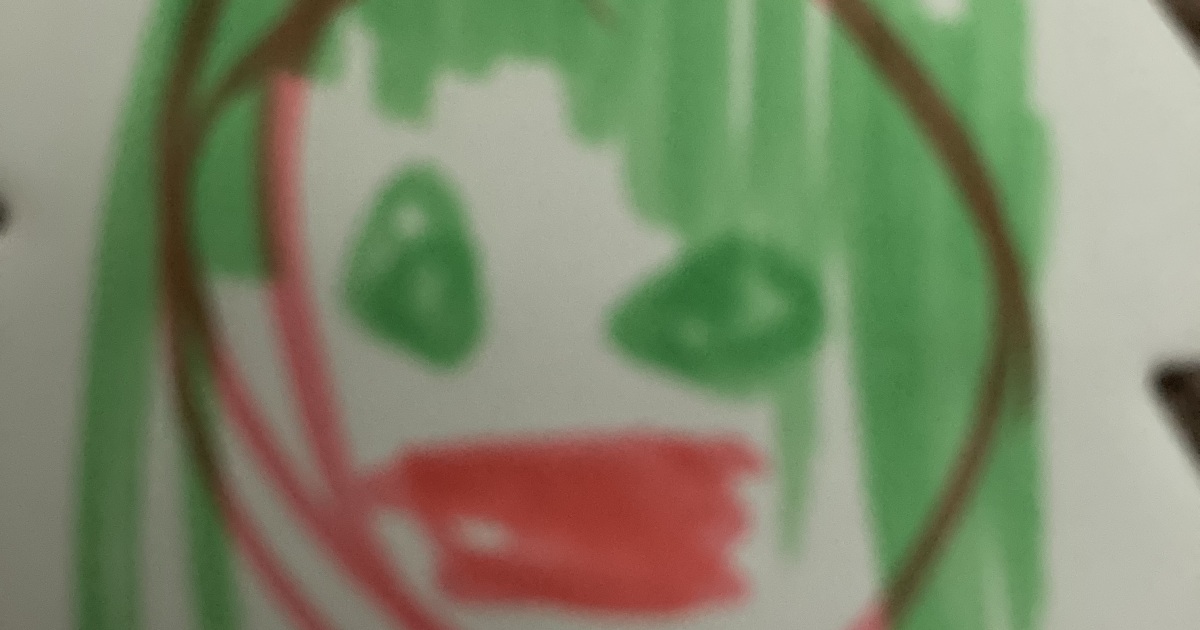
Jun
Every kid has a “blue period.” For Picasso, it was moody masterpieces. For the rest of us, it was probably a crayon drawing of a dog with twelve legs, a suspiciously confident sun wearing sunglasses, or a family portrait where Dad looked like a potato with anxiety. Childhood art is gloriously strange because kids are not trying to impress a gallery owner. They are trying to explain the universe with a marker that has no cap.
The question “Hey Pandas! What’s the weirdest thing you drew as a kid?” sounds silly at first, but it opens a surprisingly rich door into childhood imagination, creative development, memory, humor, and the strange little worlds kids build on paper. Weird childhood drawings are not just funny fridge artifacts. They are snapshots of how children think, experiment, process feelings, tell stories, and test reality with zero concern for perspective, anatomy, or whether a giraffe should have wheels.
So let’s celebrate the wonderfully odd universe of kids’ drawings: the haunted spaghetti monsters, the flying houses, the family pets with human eyebrows, and the “this is Mommy at work” portraits that accidentally look like courtroom evidence. Childhood creativity is weird because childhood itself is weirdand that is exactly what makes it beautiful.
Why Kids Draw Weird Things
Children do not see the world the way adults do. Adults look at a chair and think, “That is a chair.” A kid looks at the same chair and thinks, “That is a robot throne, a spaceship control center, and possibly a dinosaur trap.” Their drawings reflect that flexible, experimental way of thinking.
Early drawing is not only about making pretty pictures. It is also about movement, storytelling, problem-solving, emotional expression, memory, and discovery. When children scribble, they are learning what their hands can do. When they draw people as circles with legs, they are building symbolic thinking. When they draw a cat with dragon wings and a crown, they are inventing a world where pets have constitutional power.
Many experts in early childhood education emphasize process over product. That means the act of creating matters more than whether the final picture looks “correct.” A child who draws a purple tornado eating pancakes is not failing realism. They are succeeding at imagination.
The Beautiful Logic Behind Bizarre Childhood Art
To adults, a kid’s drawing might look random. To the child, it often makes perfect sense. The giant head? That person talks a lot. The tiny legs? Legs are boring. The house floating in the sky? Obviously, it has balloons, but the child forgot to draw them because lunch happened.
Children often draw what feels important rather than what is physically accurate. If a child gives Grandma enormous hands, it may be because Grandma bakes cookies, gives hugs, or once opened a very stubborn jar of pickles and became a legend. If the family dog is larger than the car, that may simply mean the dog is emotionally the main character.
That is one reason weird childhood drawings are so fun to look back on. They reveal priorities adults would never admit out loud. A seven-year-old might draw a birthday party where the cake is bigger than the house. Honestly, fair.
Common Types of Weird Things Kids Draw
1. Animals That Have Clearly Been Through a Rebrand
Kids love animals, but they rarely feel limited by biology. A childhood sketchbook may include a horse with antennae, a fish with eyebrows, a turtle wearing sneakers, or a “cat” that looks like a haunted loaf of bread. These creatures are not mistakes. They are original characters before the child knows what original characters are.
Animal drawings often combine observation and fantasy. A child may remember that a dog has ears, a tail, and enthusiasm, then add roller skates because the dog “wants to go faster.” This is the purest form of design thinking: identify a problem, add wheels.
2. Family Portraits That Should Come With Apology Notes
Family portraits are a classic childhood art genre, mostly because adults keep asking for them and then bravely pretending not to be alarmed. Kids draw the people they love with enormous heads, mismatched eyes, triangular bodies, and hands that resemble cheerful spiders.
These drawings can be unintentionally hilarious. A parent may be depicted with wild hair, giant teeth, or a coffee cup the size of a bathtub. Is it criticism? Is it realism? Is it documentary art? We may never know.
Still, family portraits are meaningful. They show how children notice relationships, routines, and roles. The person who cooks may be drawn near the stove. The sibling who steals toys may be drawn suspiciously close to the toy box. The baby may be a circle with rage lines. Again, documentary art.
3. Monsters That Are More Confused Than Scary
Many children draw monsters, but kid monsters are often less terrifying and more administratively unprepared. They have too many eyes, no feet, three hats, one tooth, and a name like “Blorpo.” They may eat socks, live under the couch, or guard a treasure made of crackers.
Monster drawings help children explore fear in a playful way. By putting a monster on paper, a child can control it. They can make it silly, colorful, friendly, or allergic to broccoli. Drawing gives kids power over big feelings, including uncertainty, nervousness, and the mysterious horror of bedtime shadows.
4. Machines That Break Every Law of Engineering
Children invent machines with the confidence of tiny unpaid NASA interns. They draw cars with wings, houses with rocket boosters, homework-destroying robots, automatic sandwich makers, and elevators that go to the moon. None of these machines would pass a safety inspection, but all of them deserve funding.
These drawings are early engineering fantasies. Kids imagine functions before they understand mechanics. A “toothbrush robot” might have twenty arms because twenty arms means efficiency. A “pancake helicopter” might be powered by syrup because syrup is important and adults are too afraid to admit it.
5. Food With Faces, Opinions, and Legal Rights
At some point, many kids draw food as living characters. A pizza with a mustache. A banana superhero. A broccoli villain. A cupcake crying because someone ate its cousin. Food drawings can be funny because they mix the familiar with the dramatic.
These drawings often come from children assigning emotions to objects. This kind of imaginative thinking is part of how kids practice empathy and storytelling. If a sandwich can be lonely, maybe the child can think about how friends feel too. Also, maybe lunch is getting too philosophical.
What Weird Drawings Tell Us About Childhood Development
Children’s drawings change as they grow. Toddlers may begin with scribbles, enjoying the motion more than the result. Preschoolers often start making shapes, symbols, and simple figures. Around early elementary school, drawings usually become more detailed and story-driven. Older children may become more concerned with realism, comparison, and whether their art looks “good.”
That last stage can be tricky. Many adults remember loving art as little kids, then suddenly becoming embarrassed because their horse looked like a table with a ponytail. As children become more socially aware, they may judge their drawings more harshly. That is why encouraging weird art matters. It protects creative confidence before perfectionism starts wearing a little referee shirt and blowing a whistle.
Weird drawings show that children are experimenting with symbols. They know a circle can stand for a face, lines can stand for hair, and a red scribble can stand for “the dragon is very mad because someone touched his cereal.” This symbolic thinking supports language, storytelling, early writing, and problem-solving.
Why Adults Love Looking Back at Their Weird Childhood Drawings
Old childhood drawings are funny because they are honest. They come from a time before personal branding, social media filters, and the adult fear of being bad at something. A kid draws a vampire toaster and simply announces, “This is Kevin.” No explanation. No apology. Kevin exists now.
Looking back at these drawings can also reconnect us with a more fearless version of creativity. Children are often willing to begin before they know how. They do not wait until they understand shading, composition, or color theory. They start with a marker and a mission.
That is a lesson many adults need. Creativity does not always begin with skill. Sometimes it begins with permission: permission to be messy, strange, funny, dramatic, and joyfully wrong.
The Internet’s Love Affair With Funny Kids’ Drawings
Online communities love sharing weird childhood drawings because they combine nostalgia, comedy, and surprise. A child’s drawing is never just a picture; it is a tiny plot twist. You think you are looking at a normal family scene, then notice everyone has wings except Uncle Mark, who is labeled “not trusted.”
Community prompts like “Hey Pandas! What’s the weirdest thing you drew as a kid?” work because everyone has a memory like this. Maybe you drew an entire civilization of talking spoons. Maybe you drew yourself as a mermaid astronaut. Maybe you created a superhero whose only power was yelling at clouds. Childhood art is universal, but the details are wonderfully personal.
These conversations are also comforting. They remind people that everyone was once a tiny surrealist. Before we learned how things “should” look, we drew how they felt, how they sounded, how we imagined them, or how they appeared in dreams after too much fruit punch.
How Parents Should React to Weird Kid Drawings
The best response to a child’s strange drawing is curiosity, not correction. Instead of saying, “That does not look like a dog,” try asking, “Tell me about this dog.” The answer may be: “He is a cloud dog who works at the dentist.” Congratulations, you have just entered premium childhood lore.
Open-ended questions help children develop language and confidence. Try asking what is happening in the picture, who the characters are, what they are feeling, or what happens next. These questions turn a drawing into a story and show the child that their ideas matter.
Adults should also avoid overpraising only realism. If the highest compliment is always “That looks real,” children may decide imagination is less valuable than accuracy. Try praising effort, choices, details, humor, persistence, and originality. “I love how you gave the moon boots” is a much better response than “The moon does not have feet.” Let the moon have a shoe era.
When a Drawing Seems Concerning
Most weird drawings are harmless, funny, and developmentally normal. Kids draw strange things because they are learning, imagining, experimenting, and sometimes just enjoying the dramatic power of a black crayon. However, adults can pay attention to repeated themes that come with major behavior changes, intense fear, withdrawal, or distress.
A single odd drawing should not be treated like a secret code. Children may draw something dark because they saw a movie trailer, heard a story, had a weird dream, or wanted to make their friend laugh. Context matters. If an adult is worried, the most helpful first step is gentle conversation: “Can you tell me what is happening here?” Not panic. Not interrogation. Just calm curiosity.
Art can help children express things they do not yet have words for, but interpretation should be careful. A drawing is a doorway to discussion, not a diagnosis.
How to Preserve Weird Childhood Drawings Without Keeping Every Paper Forever
Anyone who has lived with a young artist knows the paper multiplies. One day there are three drawings on the table. The next day, the kitchen looks like a raccoon opened an art school. Keeping every piece is impossible unless you own a warehouse or have made peace with becoming a paper dragon.
A simple system helps. Save the funniest, most meaningful, or most unusual drawings in a folder by year. Take photos of the rest. Create a digital album called “Tiny Weird Art Museum.” Add captions while the child still remembers what the drawing means, because five years later nobody will know why a carrot is driving a bus into space.
Some families turn favorite drawings into photo books, framed wall art, greeting cards, stickers, or custom calendars. A child’s strange drawing of a dinosaur accountant might not belong in the Louvre, but it absolutely belongs on Grandma’s birthday card.
Examples of Weird Childhood Drawing Ideas People Remember
Here are the kinds of childhood drawings people often remember years later:
- A family portrait where everyone has normal faces except the baby, who is drawn as a tiny boss.
- A dog with wings, roller skates, and a job title.
- A house with eyes because “it watches for burglars.”
- A superhero potato named Captain Mash.
- A school bus full of ghosts going on a field trip.
- A dragon who is not scary because he works in customer service.
- A sandwich courtroom where the pickle is clearly guilty.
- A self-portrait as a wizard, veterinarian, astronaut, and part-time dinosaur.
The best part is that each drawing probably came with a completely serious explanation. Children are excellent world-builders. They just use crayons instead of spreadsheets.
What Weird Childhood Drawings Teach Adults About Creativity
Weird kid drawings remind adults that creativity does not need permission to begin. Children do not ask, “Is this marketable?” They ask, “What if my bathtub had legs?” That is a more interesting question.
Adult creativity often gets trapped by expectations. We worry about quality, comparison, usefulness, and whether the result is worth sharing. Children are usually more focused on the adventure of making. They draw because the idea arrived and demanded crayons.
That mindset is valuable far beyond art. It supports flexible thinking, problem-solving, humor, resilience, and innovation. Many great ideas begin as strange combinations: phone plus camera, shoe plus wheel, restaurant plus conveyor belt, pancake plus helicopter. Not all combinations work, but playful thinking creates possibilities.
How to Revisit Your Childhood Drawing Style as an Adult
One fun exercise is to intentionally draw like you did as a kid. Use crayons or markers. Choose a ridiculous subject. Do not erase. Do not fix the proportions. Draw the sun in the corner if your heart says so. Give the cat six legs if the cat seems emotionally ready.
You can also recreate an old drawing from memory. What did you love drawing? Mermaids? Robots? Dogs? Castles? Giant flowers? Mysterious blobs with crowns? Try drawing the same thing now, but keep the original weirdness. This is not about becoming a better artist. It is about remembering the freedom of making something before your inner critic learned to talk.
For families, this can become a hilarious activity. Parents and kids can draw the weirdest creature, the strangest house, or the most dramatic vegetable. Then everyone explains their work like a museum curator. “This is Lord Pickle. He rules the refrigerator but fears the cheese drawer.” Perfect. No notes.
Personal Experiences: The Weirdest Things We Drew As Kids
Almost everyone has a childhood drawing memory that feels both embarrassing and precious. One person might remember drawing a horse that looked exactly like a table, except with eyelashes. Another might remember filling entire notebooks with maps of imaginary lands where every town was named after snacks. A third might have drawn a family portrait in which the family cat was larger than both parents because, emotionally, the cat controlled the household.
One common experience is the “creature phase.” This is when a child invents animals that biology has not approved. Maybe you drew a fish with bird wings, a rabbit with vampire teeth, or a dinosaur wearing a backpack because it had “school tomorrow.” These drawings often felt completely serious at the time. You were not trying to be funny. You were documenting a species. Future scientists would understand.
Another classic is the “house phase,” where every house had a triangle roof, square windows, a smoking chimney, and a sun smiling in the corner like it knew everyone’s secrets. Then, for reasons no adult could predict, the house might also have legs, a face, or a basement full of dragons. Childhood houses were not bound by zoning laws. They were emotional architecture.
Many people also remember drawing food characters. A slice of pizza with sunglasses. A taco superhero. A sad pea. A furious apple. These drawings are funny now, but they show how easily children turn ordinary objects into stories. The world is more exciting when lunch has a personality.
Some childhood drawings came from misunderstandings. A kid asked to draw “a knight” might draw “a night,” filling the page with stars, pajamas, and a sleepy moon. Another child might hear “draw a still life” and create a picture of a very bored person standing completely still. These mistakes are not failures; they are tiny comedy sketches created by language, imagination, and confidence.
Then there were the school assignment masterpieces. “Draw what you want to be when you grow up” produced astronauts, doctors, firefighters, singers, and at least one child who drew themselves as “a rich dog.” “Draw your favorite place” could result in a beach, a bedroom, or the cereal aisle at the grocery store. Children are honest in ways adults rarely are. Sometimes paradise is simply where the marshmallow cereal lives.
One of the sweetest things about weird childhood drawings is how proud kids are of them. A child can hand over a page of chaotic scribbles and announce, “This is a dragon wedding during a tornado.” Adults may not see it immediately, but the child sees the entire scene: the guests, the decorations, the wind, the cake, and probably an uncle dragon behaving badly near the punch bowl.
Looking back, the weirdest drawings were often the most imaginative. They were not polished, but they were alive. They had stories. They had confidence. They had deeply questionable anatomy. Most importantly, they captured a moment when making art felt natural, not intimidating. Nobody had to be “good” at drawing to enjoy it. The page was a playground.
That is why the question “What’s the weirdest thing you drew as a kid?” is more than a nostalgia prompt. It invites people to remember a version of themselves that created freely. Maybe the drawing was a monster with roller skates, a talking spoon, or a self-portrait as a queen of the moon. Whatever it was, it came from a mind busy building worlds. And honestly, the world could use more of that energy.
Conclusion
Weird childhood drawings are funny, tender, and surprisingly meaningful. They show how children think before rules crowd the room. They reveal imagination, emotion, storytelling, problem-solving, and personality in their wildest crayon form. Whether you once drew a flying dog, a haunted refrigerator, or a banana with political ambitions, your weird drawing was part of a creative journey.
So, Hey Pandas: what was the weirdest thing you drew as a kid? A monster? A magical animal? A family portrait that accidentally insulted everyone? Whatever it was, it deserves a place in the grand museum of childhood imaginationright between the glitter glue disaster and the macaroni necklace of historic importance.
Note: This article is written as original, publish-ready content and synthesizes established knowledge from child development, art education, creativity research, and family learning resources without copying source text.

