
Beauty Unlocked
Flourist: “Simplicity and Utility” in Vancouver
Aug
Some businesses sell flour. Flourist sells a much bigger idea: that the ingredients in your kitchen should have a stncake feel slightly more important than it probably is.
Located in East Vancouver, Flourist is a bakery, flour mill, pantry shop, and community-minded food business built around freshly stone-milled Canadian grains. It is also a lovely example of how thoughtful design can make an everyday product feel special without turning a bag of flour into a luxury handbag.
The phrase “simplicity and utility” captures the heart of Flourist’s Vancouver space. Nothing is there merely to pose for a photo, although it certainly photographs well. The shelves, the mill, the tools, the bread, and even the carefully organized pantry goods all serve a clear purpose. The result is a bakery that feels warm, practical, and quietly ambitious.
More Than a Vancouver Bakery
Flourist began as a grain-focused business founded by Janna Bishop and Shira McDermott. Long before the retail bakery opened, the company was working directly with Canadian family farms to source traceable grains, beans, and pulses. In 2019, the brand expanded into its flagship Mill + Bakery on Commercial Street in Vancouver, creating a place where customers could see flour being milled and then taste what that flour becomes.
That distinction matters. Most people encounter flour as a quiet white powder in the back of a grocery shelf, usually next to an expired packet of yeast and a cookbook bought during an optimistic January. Flourist puts the ingredient back at the center of the conversation. Grain is not treated as a mystery substance. It is treated as food with a place, a farmer, a variety, and a purpose.
The Vancouver bakery offers sourdough bread, pastries, coffee, prepared foods, pantry staples, fresh flour, and seasonal menu items. It also hosts pizza nights, where the naturally leavened dough becomes part of the main event rather than merely the vehicle carrying cheese to your mouth. That is a very respectable use of flour.
Freshly Milled Flour Is the Main Character
At Flourist, the central attraction is not hidden in a warehouse across town. The mill is part of the customer experience. Grain is stone-milled on site, allowing the bakery to use fresh flour in its breads and baked goods while also selling flour to home bakers.
Stone milling is a slower process than highly industrialized flour production. It helps preserve the character of the grain, including its aroma, color, and flavor. Fresh flour often has a noticeably nuttier, fuller scent than standard shelf-stable flour. Open a bag of it, and you may suddenly understand why bakers speak about wheat with the same enthusiasm other people reserve for wine or fantasy football.
Flourist’s flour selection includes familiar workhorses such as hard red spring wheat, as well as heritage and specialty grains including Red Fife, Marquis wheat, rye, spelt, einkorn, and durum. These varieties give home bakers more options than the usual all-purpose-versus-bread-flour debate.
Why Grain Variety Changes the Way You Bake
Different grains behave differently in a dough. A strong red spring wheat flour can support chewy sourdough loaves and pizza dough. Red Fife often brings deeper flavor to cookies, muffins, pancakes, and country-style bread. Rye can add earthiness and complexity, while spelt and einkorn introduce a more delicate, old-world character.
This does not mean every recipe requires a grain dissertation and a special apron. It simply means flour is not a one-note ingredient. Using a new grain variety can be as simple as replacing part of the flour in a banana bread recipe or making pancakes with freshly milled Red Fife flour. The difference may be subtle, but subtle is not the same as boring.
Traceability: Knowing Where Your Food Begins
One of Flourist’s defining ideas is edible transparency. The company works directly with Canadian family farms and introduces customers to the people behind the grains and beans. In a food system where many ingredients arrive with little more biography than a barcode, that level of detail is meaningful.
Traceability does not have to be treated as a trendy buzzword pasted onto a package. At its best, it gives buyers useful context. You can learn what grain you are using, where it was grown, and why it may perform differently in your kitchen. That knowledge encourages better baking decisions while also creating a more direct connection between farmers and urban eaters.
Flourist’s approach is particularly interesting because Canada is known for high-quality wheat and pulse crops, yet many consumers still know more about imported olive oil than the grain in their own bread. Flourist helps close that gap by bringing Canadian-grown grains into a visible, everyday setting.
It is a simple idea with a surprisingly big impact: when people understand their ingredients, they tend to value them more. And when you value your flour, you are statistically less likely to leave it next to the stove for three years until it develops its own mailing address.
“Simplicity and Utility” as a Design Philosophy
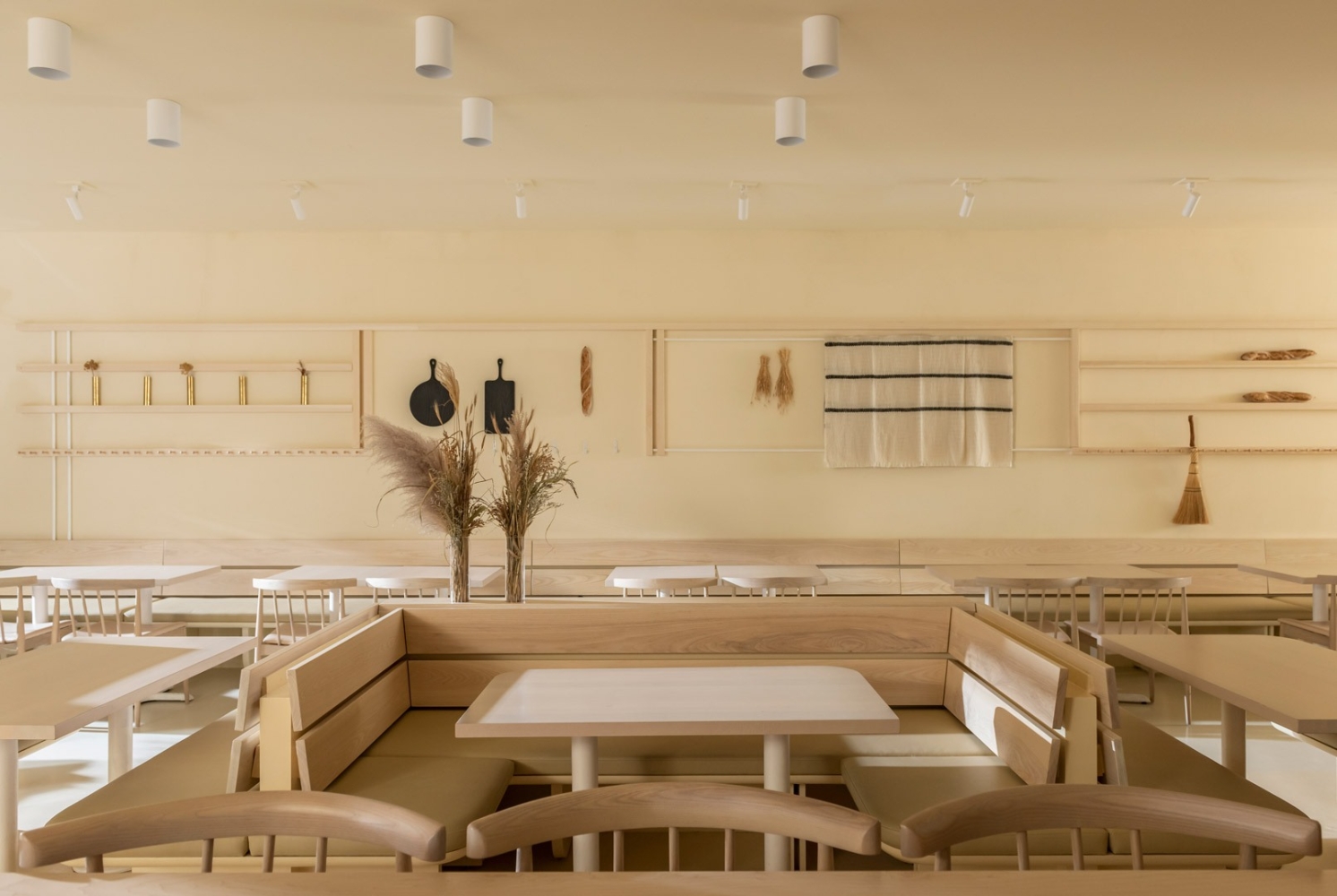
The visual identity of Flourist’s Vancouver bakery is closely tied to the design principle of simplicity, utility, and honesty. The interior draws inspiration from Shaker traditions, which emphasized practical craftsmanship, self-sufficiency, and objects designed for real use.
That influence appears in the bakery’s pale woods, clean lines, wall-mounted storage, practical hooks, open shelving, and carefully selected tools. The space feels calm but not sterile. It has the warmth of a farmhouse kitchen without the pressure to own a chicken coop or make your own butter before breakfast.
The mill is deliberately visible, turning production into part of the design. Customers can see the relationship between grain, flour, and finished food. Instead of hiding the work behind a wall, Flourist lets the process become part of the atmosphere.
Useful Objects Make a Better Space
In many modern cafes, design can become a performance. A chair may look stunning but feel as if it was invented to punish posture. A shelf may be beautiful but unable to hold a single book. Flourist takes the opposite route. Its design feels intentional because it supports the way the business actually works.
Storage rails hold useful items. Counters support service. Shelves display products that people can take home and cook with. The furniture is simple enough to let the food and materials do the talking. This is not minimalism for minimalism’s sake. It is a working bakery designed to improve how people move through the space.
That is the real value of utility. It does not make a place less beautiful. It gives beauty a job.
From Flour Mill to Everyday Pantry
Flourist is not only for devoted sourdough bakers with a named starter and a suspicious number of proofing baskets. The company also makes a strong case for better everyday pantry habits.
Freshly milled flour can be used for ordinary cooking projects: pancakes, muffins, waffles, cookies, biscuits, pasta, flatbread, pie dough, pizza crust, and quick breads. Whole grains and beans can anchor soups, grain bowls, salads, stews, and easy weekday dinners. A pantry built around useful ingredients makes cooking less complicated, not more.
For a beginner, the best approach is to start with one versatile flour. A sifted red spring wheat flour can work in many bread, pastry, and pizza recipes. Red Fife can be a great choice for baked goods that benefit from extra flavor. Whole-grain flour can be mixed with lighter flour until you learn how it changes texture and hydration.
The important thing is to let the ingredients fit your actual life. Buying five rare flours for a single ambitious weekend bake is not a personality trait. It is how a pantry becomes a museum.
Practical Tips for Baking With Fresh Flour
Fresh flour may behave differently from flour that has spent months on a grocery shelf. It can absorb water differently, develop dough at a different pace, and bring more flavor to recipes. Start by following a trusted recipe, then make small adjustments rather than changing everything at once.
For yeast breads, pay attention to dough texture instead of relying only on a measurement cup. For muffins and cookies, avoid overmixing. For pizza dough, give fermentation time to do its quiet, miraculous work. And because freshly milled flour is more perishable than heavily processed flour, storing it in the refrigerator or freezer can help maintain quality.
Most importantly, bake something you genuinely want to eat. Rustic sourdough is wonderful, but so are chocolate chip cookies. Flour is democratic like that.
Why Flourist Fits Vancouver So Well
Vancouver has a deep appreciation for local food, independent businesses, thoughtful design, and coffee serious enough to require its own personality profile. Flourist sits comfortably within that culture while adding something distinctive: a visible connection between rural agriculture and urban eating.
The bakery creates a meeting point for several worlds. Farmers grow the grain. Millers turn it into flour. Bakers transform it into bread and pastry. Home cooks bring it into their own kitchens. Customers can enjoy a meal in the bakery, buy flour for later, or simply become more curious about what is in their pantry.
That is why Flourist feels more substantial than a beautiful bakery. It is a working model of how food businesses can build community through clarity, craftsmanship, and useful design.
Its message is not that every meal must be artisanal, organic, handmade, and photographed near a window. The more practical message is better: pay attention to the ingredients that shape your everyday food. A loaf of bread can be delicious, useful, local, and thoughtfully made at the same time.
Experience: A Flourist-Style Day in Vancouver
Visiting Flourist in Vancouver feels less like entering a conventional bakery and more like stepping into an operating kitchen that happens to be exceptionally good-looking. The first impression is usually the light. The room has a soft, warm quality that makes pale wood, grain-colored surfaces, and neatly arranged shelves feel calm rather than precious. It is the kind of place where you immediately think, “I should bake more,” even though your last baking project may have been microwaving a frozen croissant.
The visible mill gives the space its rhythm. You are reminded that flour is made, not summoned from a magical white bag. Watching grain become flour adds a small but memorable sense of theater to the visit. There is no giant neon sign screaming about authenticity. The mill does the talking.
A typical Flourist experience can begin with coffee and something baked fresh that morning. A sourdough pastry or slice of bread feels more satisfying when you know the flour was milled nearby. The flavor is not loud or gimmicky. It is grounded, nutty, and quietly confident, like the bread has excellent boundaries and does not need your approval.
For lunch, the menu’s appeal comes from its usefulness. Toasts, bowls, soups, salads, and grain-focused dishes are easy to understand but thoughtfully assembled. The food does not pretend to be complicated. It just gives good ingredients room to work. That simplicity is part of the charm. A great slice of sourdough topped with hummus, ricotta, jam, or avocado can be enough when the bread is doing serious heavy lifting.
The experience changes again in the evening during pizza service. Pizza nights give the bakery a more social energy, with naturally leavened dough taking center stage. The crust becomes a showcase for freshly milled flour: crisp at the edges, chewy in the middle, and sturdy enough to support toppings without collapsing into a tragic cheese puddle. It is casual food made with unusually careful ingredients, which is often the best kind of food.
The retail side of Flourist may be the most useful part of the visit. You can leave with freshly milled flour, beans, lentils, grains, baking tools, or a cookbook, turning the bakery experience into something that continues at home. Instead of buying a souvenir that will gather dust, you buy ingredients that can become dinner.
That is the real pleasure of Flourist in Vancouver. It encourages you to slow down just enough to notice what you eat, but it does not make food feel intimidating. You can admire the design, learn about Canadian grains, eat a pastry, grab flour for pancakes, and head back into the city with a slightly better pantry. In a world full of overcomplicated food trends, that is a refreshingly useful kind of luxury.
Final Thoughts
Flourist proves that simplicity is not the absence of ideas. It is the result of making good decisions and removing the unnecessary ones. At its Vancouver mill and bakery, the grain is traceable, the flour is freshly milled, the space is designed for real life, and the food is made to be enjoyed rather than merely admired.
The business turns an ordinary pantry staple into a connection point between farmers, bakers, cooks, and customers. Its design philosophy of simplicity and utility is not just visible in the shelves and furniture. It is baked into the entire experience.
Whether you are a serious bread baker, a curious traveler, a Vancouver local, or someone who simply wants a better pancake, Flourist offers a compelling reminder: useful things can still be beautiful, and good flour can make everyday food feel extraordinary.

