
Beauty Tools & Accessories
Exclusive Pumping: What It Is, Benefits, Schedule and tips
Jun
Exclusive pumping is one of those parenting topics that sounds simple until you are standing in the kitchen at 2:43 a.m., wearing a pumping bra, labeling milk bags like a sleepy dairy scientist, and wondering whether your breast pump has become your closest coworker. Still, for many parents, exclusive pumping is not a backup plan. It is the plan.
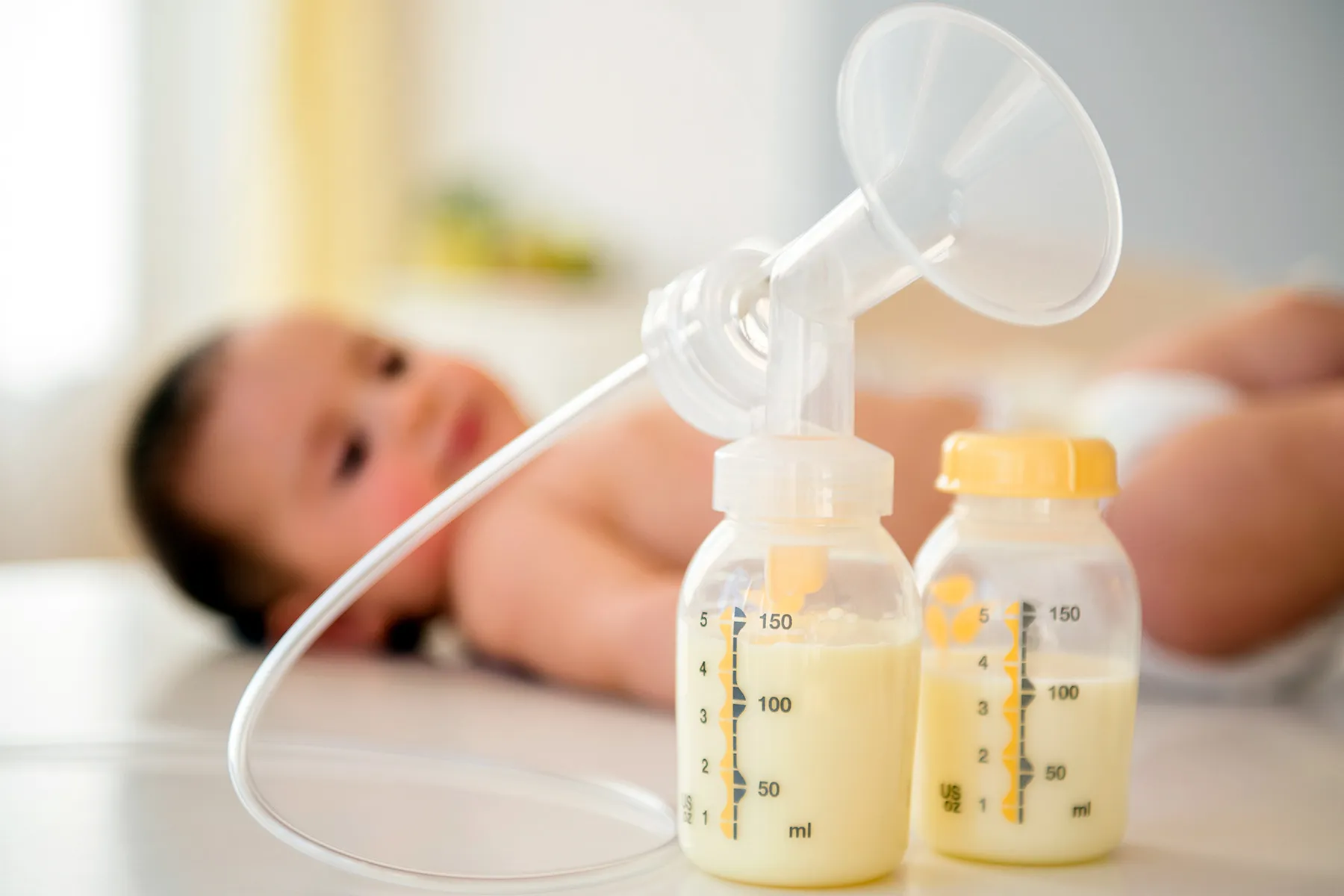
In plain English, exclusive pumping means a lactating parent expresses breast milk with a pump or by hand and feeds that milk to the baby by bottle instead of nursing directly at the breast. Some families choose it because of latch problems, prematurity, NICU stays, return-to-work needs, medical issues, personal comfort, shared feeding responsibilities, or simply because it fits their life better. The goal is the same as direct breastfeeding: to provide breast milk in a way that keeps the baby fed and the parent functioning.
This guide explains what exclusive pumping is, the benefits and challenges, how to build a realistic exclusive pumping schedule, how to store milk safely, and the practical tips that make the whole process less chaotic. Spoiler: the right flange size matters, snacks are not optional, and yes, you are allowed to make pumping work for you instead of building your entire personality around a pump motor.
What Is Exclusive Pumping?
Exclusive pumping, sometimes called exclusively expressing breast milk, is a feeding method in which all or nearly all of a baby’s breast milk comes from expressed milk rather than direct nursing. The parent pumps milk on a regular schedule, stores it safely, and feeds it by bottle.
Exclusive pumping is different from occasional pumping. A parent who nurses most of the time and pumps once a day for a freezer stash is not exclusively pumping. A parent who pumps every few hours and uses bottles for most feeds is. Some families exclusively pump for a few weeks while working through latch issues, while others do it for months or even a year or more.
Why Parents Choose Exclusive Pumping
There is no single “exclusive pumping type.” Parents may choose this path because:
- The baby cannot latch well or tires quickly at the breast.
- The baby was born early or needs NICU care.
- The parent has nipple pain, anatomical challenges, or a history of breast surgery.
- The family wants to know exactly how much milk the baby is drinking.
- Another caregiver wants to help with feeds.
- The parent is returning to work or school.
- Direct nursing feels emotionally or physically uncomfortable.
- The parent simply prefers pumping and bottle-feeding.
That last reason deserves respect. Feeding choices do not need a courtroom defense. If exclusive pumping keeps the baby nourished and the parent healthier, calmer, or more comfortable, that is a valid reason.
Benefits of Exclusive Pumping
Exclusive pumping can be hard work, but it comes with real advantages. Think of it as breastfeeding with a dashboard: more measuring, more equipment, and sometimes more dishes, but also more visibility and flexibility.
1. Baby Still Gets Breast Milk
Breast milk provides hydration, calories, fat, protein, carbohydrates, vitamins, minerals, antibodies, enzymes, and other protective factors. Pumped breast milk can still deliver many of the nutritional and immune-supporting benefits families want from breastfeeding. For babies who cannot nurse directly, exclusive pumping can be the bridge between “I want to provide milk” and “my baby can actually receive it.”
2. You Can Track Intake More Easily
With direct nursing, parents often wonder, “How much did the baby get?” With exclusive pumping, bottle amounts make intake easier to monitor. This can be reassuring for parents of premature babies, babies with weight-gain concerns, or families who simply like numbers. Parenting already has enough mystery; milk volume does not always need to join the detective novel.
3. Other Caregivers Can Help
Exclusive pumping allows partners, grandparents, babysitters, and other caregivers to feed the baby. This can give the pumping parent longer sleep stretches, time to shower, or the rare luxury of eating a meal with two hands. Shared feeding can also help another caregiver bond with the baby.
4. It Can Support Work or School Transitions
For parents returning to work, school, or travel, pumping creates a practical feeding plan. Milk can be stored in the refrigerator or freezer, transported in a cooler, and offered by another caregiver while the parent is away. A predictable pumping routine can make separation less stressful.
5. It May Reduce Some Nursing Challenges
Some parents pump because direct nursing causes pain, stress, anxiety, or frustration. Others have babies who bite, refuse the breast, fall asleep too quickly, or struggle with milk transfer. Pumping does not magically remove every challenge, but it can make feeding more controlled and less emotionally loaded for some families.
Challenges of Exclusive Pumping
Exclusive pumping is not “the easy way out.” Anyone who says that has probably never washed pump parts while holding a crying baby with one foot and reheating coffee for the fourth time.
Time Commitment
In the early weeks, exclusive pumping often means pumping 8 to 12 times in 24 hours. Each session may take 15 to 20 minutes, not counting setup, bottle feeding, labeling, storing milk, and cleaning parts. That is a lot of time attached to a machine that makes tiny robot sounds at your chest.
Supply Management
Milk production works largely on supply and demand. Frequent milk removal signals the body to keep making milk. Skipping sessions often, especially early on, may reduce supply. Pumping too aggressively, on the other hand, can contribute to oversupply, engorgement, clogged ducts, or discomfort.
Equipment Costs and Logistics
Exclusive pumping usually requires a good breast pump, extra bottles, milk storage bags, flanges, valves, tubing, a pumping bra, cleaning supplies, and a cooler bag if you pump away from home. Insurance may cover some pumps and supplies, but replacement parts still matter.
Emotional Load
Exclusive pumping can feel empowering, exhausting, lonely, or all three before breakfast. Parents may feel pressure to produce a certain amount, build a freezer stash, or avoid formula at all costs. A healthy feeding plan should support both baby and parent. If pumping is harming your mental health, it is worth talking with a lactation consultant, pediatrician, OB-GYN, or mental health professional.
Exclusive Pumping Schedule: How Often Should You Pump?
The best exclusive pumping schedule depends on your baby’s age, your milk supply, your body’s storage capacity, and your daily life. Early on, most exclusive pumpers need frequent sessions to establish supply. Later, many can gradually reduce the number of sessions while watching total daily output.
Newborn Stage: 0 to 12 Weeks
In the early weeks, many exclusive pumpers aim for 8 to 12 pumping sessions per day. That usually means pumping every 2 to 3 hours, including at least one overnight session. This stage is all about telling your body, “Yes, we are open for business.”
A sample newborn exclusive pumping schedule might look like this:
- 6:00 a.m.
- 8:30 a.m.
- 11:00 a.m.
- 1:30 p.m.
- 4:00 p.m.
- 6:30 p.m.
- 9:00 p.m.
- 12:00 a.m.
- 3:30 a.m.
This is only an example, not a law carved into a milk storage bag. Some parents need more sessions; some do well with fewer. The main goal is frequent, effective milk removal.
After Supply Regulates: Around 3 to 4 Months
Once milk supply becomes more established, some parents can move to 5 to 7 pumps per day. Others need to keep more sessions to maintain output. A possible schedule may be:
- 6:00 a.m.
- 10:00 a.m.
- 2:00 p.m.
- 6:00 p.m.
- 10:00 p.m.
- Optional overnight pump if needed
Drop sessions slowly. Remove one session, wait several days, and track your total daily output. If supply dips more than you are comfortable with, add the session back or adjust the spacing.
Six Months and Beyond
After solids are introduced, some babies still drink plenty of breast milk, while others gradually change their intake. Some exclusive pumpers continue with 4 to 5 sessions per day. Others wean slowly. A sample later-stage pumping schedule may include:
- 6:30 a.m.
- 11:30 a.m.
- 4:30 p.m.
- 9:30 p.m.
At this stage, comfort and sustainability matter. A schedule that looks perfect online but makes you miserable in real life is not perfect. It is just decorative suffering.
How Long Should Each Pumping Session Be?
Many parents pump for about 15 to 20 minutes per session, though some need less and others need more. The goal is not to stare at the clock like it owes you money. The goal is to remove milk effectively and comfortably.
You may need a longer session if milk is still flowing steadily, your breasts still feel full, or you are replacing a missed session. You may need a shorter session if milk has stopped flowing and your breasts feel comfortably drained. Pumping should not be sharply painful. Mild tugging can be normal; toe-curling pain is a sign to troubleshoot.
Essential Exclusive Pumping Supplies
You do not need every gadget in the baby aisle. However, a few supplies can make exclusive pumping much easier:
- Double electric breast pump: Helpful for regular pumping and saving time.
- Correct flange sizes: Poor fit can reduce output and cause pain.
- Hands-free pumping bra: Allows you to pump while eating, typing, or scrolling baby photos like a proud archivist.
- Extra pump parts: Backup valves, membranes, connectors, and bottles reduce washing stress.
- Milk storage bags or food-grade containers: Use containers designed for breast milk storage.
- Cooler bag and ice packs: Useful for work, errands, and travel.
- Labels or marker: Date every container before storing.
- Cleaning basin and drying rack: Keep pump parts separate from regular dishes.
Exclusive Pumping Tips That Actually Help
Get the Right Flange Fit
Flange size can make or break a pumping routine. A flange that is too small can pinch. A flange that is too large may pull in too much areola and reduce milk removal. If pumping hurts, your nipples rub the tunnel, or output seems surprisingly low, flange fit is one of the first things to check. A lactation consultant can measure and guide you.
Use Massage and Compression
Gentle breast massage before and during pumping can help milk flow. Some parents use warm compresses for a few minutes before pumping. Hands-on pumping, which means gently compressing areas of the breast while pumping, may help empty more effectively.
Start With Stimulation Mode
Many electric pumps have a faster, lighter setting designed to trigger letdown, then a slower expression mode for milk removal. Use the highest comfortable suction, not the highest setting available. Your breasts are not stubborn jar lids.
Replace Pump Parts Regularly
Worn valves and membranes can reduce suction, which may lower output. If your pump suddenly seems lazy, check the parts before blaming your body. Replacement timing depends on pump brand, frequency of use, and wear.
Protect Your Sleep When Possible
Overnight pumping can support supply, especially early on, but sleep matters too. Some parents arrange shifts so another caregiver feeds the baby while they pump or rest. Others keep a pumping station near the bed to reduce the 3 a.m. zombie march across the house.
Make a Pumping Station
Create a small setup with water, snacks, burp cloths, extra bottles, nipple cream if needed, charging cords, and entertainment. Exclusive pumping involves repetition, so make the repeated task less annoying. A tiny basket can become the command center of your milk empire.
Safe Breast Milk Storage Guidelines
Safe storage protects the milk you worked so hard to pump. Freshly expressed milk can generally be stored at room temperature for up to 4 hours, in the refrigerator for up to 4 days, and in the freezer for about 6 months for best quality, with up to 12 months considered acceptable. Use clean, food-grade containers or breast milk storage bags, and label each container with the date.
Store milk in small portions to avoid waste. Many families freeze 2- to 4-ounce amounts, plus a few 1-ounce “top-off” bags. Place milk toward the back of the refrigerator or freezer, where temperatures are more stable. Avoid storing milk in the door.
How to Warm Pumped Milk
To warm milk, place the container in warm water or use a bottle warmer according to instructions. Do not microwave breast milk. Microwaving can create hot spots and may affect milk quality. Gently swirl the milk after warming because fat can separate. Shaking like you are making a cocktail is unnecessary, though understandable on a tired day.
What About Leftover Milk?
If your baby does not finish a bottle, many safety guidelines recommend using the leftover milk within about 2 hours after the feeding begins. To reduce waste, offer smaller amounts first and add more if the baby is still hungry.
Cleaning Pump Parts Safely
Any pump part that touches breast milk should be cleaned after each use. Wash hands before handling pump parts or milk. Separate the parts, rinse milk-contact pieces, wash them with warm water and dish soap, rinse thoroughly, and let them air-dry on a clean towel or drying rack.
Sanitizing once daily can add extra protection, especially for babies younger than 2 months, premature infants, or babies with weakened immune systems. Follow your pump manufacturer’s instructions because not all parts tolerate boiling, steam bags, or dishwashers equally well.
Exclusive Pumping at Work
Pumping at work requires planning, but it is absolutely possible. Before returning, practice using your pump, estimate how many bottles your baby takes while you are away, and build a small freezer supply if you can. You do not need a freezer packed like a doomsday bunker. A modest backup stash is enough for many families.
A common workday plan is to pump about every 3 hours. For example:
- 6:30 a.m. pump before work
- 10:00 a.m. pump at work
- 1:00 p.m. pump at work
- 4:00 p.m. pump at work
- 8:30 p.m. pump at home
Pack your pump, parts, bottles, storage bags, cooler, ice packs, charger, and a backup shirt if leaks are a concern. Keep a checklist on your phone. Forgetting one tiny valve can turn a normal Tuesday into a lactation escape room.
How to Maintain or Increase Milk Supply While Exclusively Pumping
If you are trying to maintain or increase supply, focus on frequent, effective milk removal. Add a pump session, pump a few minutes after milk stops flowing, check flange size, replace worn parts, and make sure your pump is strong enough for regular use. Skin-to-skin contact with your baby may also support milk-making hormones.
Hydration and food matter, but you do not need a magical lactation cookie to deserve milk. Drink to thirst, eat enough calories, and rest when possible. If supply drops suddenly, consider pregnancy, illness, stress, menstruation, certain medications, skipped sessions, or pump problems. A lactation consultant can help identify the cause.
When to Call a Professional
Contact a healthcare professional or lactation consultant if you have severe nipple pain, cracked or bleeding nipples, signs of mastitis, fever, red painful areas on the breast, persistent clogged ducts, sudden supply changes, or concerns about your baby’s weight gain or diaper output.
Also reach out if exclusive pumping is affecting your mental health. Feeding your baby should not require sacrificing your well-being. Sometimes the best plan includes pumped milk, formula, donor milk, direct nursing, or a combination. The winning method is the one that safely feeds the baby and keeps the parent standing.
Real-Life Experiences and Practical Lessons From Exclusive Pumping
Exclusive pumping often looks neat in a schedule chart, but real life has spit-up, traffic, growth spurts, and pump parts that somehow disappear into another dimension. Many parents describe the first few weeks as the hardest because everything is new: the baby is learning to feed, the parent is recovering, and the pump schedule feels relentless.
One common experience is the emotional roller coaster of measuring every ounce. Seeing bottles fill can feel incredibly satisfying. Seeing low output can feel personal, even though it is not a report card. A parent may pump 4 ounces one morning and only 1.5 ounces later that day. That variation can be normal. Output changes with time of day, stress, sleep, hydration, hormones, and how recently milk was removed. The pump is giving data, not judging your character.
Another lesson exclusive pumpers often learn quickly: convenience is built, not discovered. The parents who last longest usually design systems. They keep duplicate parts at work, use a dedicated wash basin, label milk immediately, set phone alarms, and prepare the next session before they are exhausted. Many create a “night pump kit” with clean bottles, snacks, water, burp cloths, and a dim light. At 3 a.m., the brain should not be asked to solve advanced logistics. It has already clocked out.
Parents also discover that flexibility beats perfection. Maybe the ideal schedule says 10:00 a.m., but the baby has a diaper emergency, the meeting runs long, or the dog chooses that exact moment to bark at a leaf. A missed or delayed pump does not ruin everything. The key is the overall pattern. One imperfect day is usually manageable; repeated skipped sessions may affect supply. Think consistency, not military precision.
Many exclusive pumpers talk about the complicated relationship with the freezer stash. A freezer full of milk can feel comforting, but it can also become a source of pressure. Some parents chase a huge stash and burn out. In reality, most babies need enough milk for the next day plus a reasonable backup. A freezer stash should serve the family, not become the family’s tiny frozen boss.
There is also the matter of identity. Some parents feel proud of exclusive pumping because it took grit, creativity, and commitment. Others feel grief because direct breastfeeding did not go as hoped. Both feelings can exist at the same time. A bottle of pumped milk can represent love, effort, disappointment, relief, and triumph all in one. Parenting rarely gives one clean emotion per event; it prefers the variety pack.
The most practical advice from experienced exclusive pumpers is to make the routine sustainable. Use a pumping bra. Keep snacks nearby. Learn your pump settings. Replace parts before suction drops. Ask for help. Let someone else wash bottles when possible. Use formula if needed without treating it like failure. Celebrate small wins, such as one more day, one more bottle, one less painful session, or finally remembering to bring all the parts to work.
Exclusive pumping is not easy, but it can be deeply meaningful. It is a feeding method built from repetition, problem-solving, and love. Whether you pump for two weeks, six months, or a full year, every ounce counts, and so does the person making it.
Conclusion
Exclusive pumping is a valid, flexible way to provide breast milk when direct nursing is not possible, preferred, or practical. It offers measurable intake, shared feeding, workplace flexibility, and continued access to breast milk benefits. It also requires time, planning, equipment, and emotional energy.
The best exclusive pumping schedule is the one that protects milk supply while fitting your real life. Start with frequent sessions in the early weeks, adjust gradually as supply regulates, store milk safely, clean pump parts carefully, and ask for help before small problems become big ones. Most importantly, remember that feeding is not a purity contest. A healthy baby and a supported parent are the true goals.

