
Beauty Unlocked
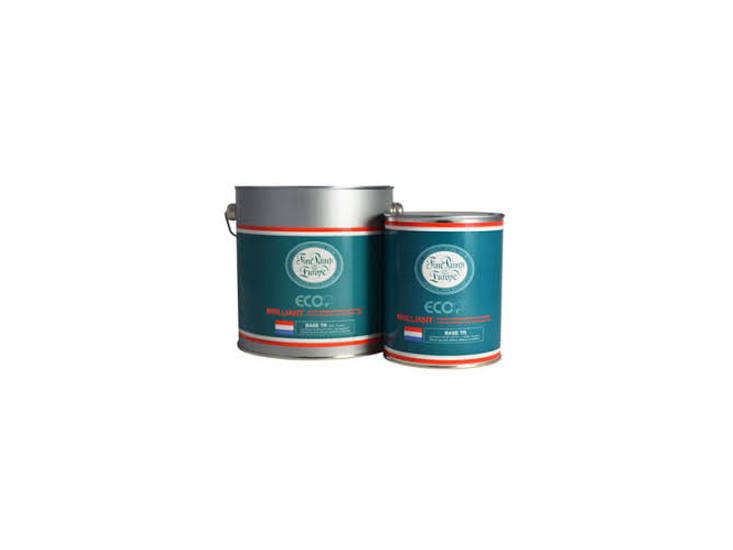
Eco Satin Paints
Jul
Choosing wall paint used to be simple: pick a color, argue with your household about whether it is “warm white” or “slightly warmer white,” and er labels such as low VOC, zero VOC, water-based, bio-based, GREENGUARD Gold, and Green Seal. Suddenly, buying beige paint feels like studying for an environmental science exam.
Eco satin paints aim to make that decision easier by combining a practical, softly reflective finish with formulas designed to reduce environmental and indoor-air impacts. The best options can provide attractive color, washable walls, low odor, and strong durability without relying on the higher solvent levels traditionally associated with many coatings.
However, the word “eco” is not a single regulated performance category. A green leaf on the label may look reassuring, but it does not tell the whole story. To choose an environmentally preferable satin paint, homeowners should examine VOC content, chemical emissions, third-party certifications, durability, coverage, packaging, and disposal options.
What Are Eco Satin Paints?
Eco satin paint is generally a water-based architectural coating with a low-to-medium sheen and a formula intended to reduce harmful emissions, strong odors, hazardous ingredients, or unnecessary waste. Depending on the manufacturer, an eco-focused product may be described as low VOC, zero VOC, low emitting, waterborne, responsibly manufactured, recycled-content, or independently certified.
Satin refers to the finish rather than the environmental qualities of the formula. It sits between flatter eggshell coatings and shinier semi-gloss paint. Once dry, satin creates a gentle glow that reflects enough light to make colors appear lively without turning the wall into a bathroom mirror.
Paint manufacturers do not always use sheen names identically. One brand’s satin may resemble another brand’s pearl, low luster, or high-sheen eggshell. For that reason, comparing physical sheen samples is more dependable than choosing solely by the word printed on the can.
Why Satin Is Such a Practical Finish
Satin paint occupies a useful middle ground. Flat finishes are excellent at disguising dents and uneven drywall, but they can be less resistant to repeated cleaning. Semi-gloss coatings are usually tougher and more moisture resistant, yet their stronger reflection highlights every patch, bump, and roller line. Satin offers moderate reflectivity, reasonable stain resistance, and a surface that is usually easier to clean than a typical matte wall.
Consumer Reports describes low-luster finishes such as satin and eggshell as versatile choices for many household areas. Manufacturer sheen guides likewise classify satin as a low-to-medium-reflectance coating suitable for spaces ranging from bedrooms to hallways, kitchens, and bathrooms, depending on the specific product’s durability and moisture resistance.
Rooms Where Satin Paint Works Well
Eco satin paints are commonly used in family rooms, children’s rooms, entryways, corridors, kitchens, bathrooms, laundry rooms, and home offices. These areas benefit from walls that can tolerate fingerprints, splashes, and routine wiping.
Satin may also work on doors, trim, cabinets, and furniture when the product is specifically approved for those surfaces. Standard wall paint is not automatically suitable for cabinetry. Cabinet doors experience more touching, grease, abrasion, and dramatic temperature changes than drywall, so they often need a specialized waterborne enamel.
When Satin May Not Be Ideal
Satin reflects more light than matte paint, which means it can reveal cracked plaster, rough patches, sanding scratches, and inconsistent texture. If an older wall looks as though it has survived several generations of enthusiastic picture hanging, a lower-sheen coating may be more forgiving.
Satin is also not necessarily the best option for ceilings. Unless a design intentionally calls for shine, ceilings are commonly painted flat because a low-reflective surface hides imperfections and reduces glare from overhead fixtures.
Understanding VOCs in Paint
Volatile organic compounds, or VOCs, are carbon-containing chemicals that can evaporate into the air. Paints, varnishes, cleaning products, adhesives, and many other household materials can release VOCs. The Environmental Protection Agency notes that VOCs matter indoors because exposure may affect occupants, while outdoor VOC regulation also focuses on their role in forming photochemical smog.
Choosing low-VOC or zero-VOC paint can reduce the pollution load associated with a painting project, particularly when large wall areas are coated. It can also make a room more pleasant to work in because lower-VOC products are often lower in odor. Still, “less smelly” and “harmless” are not synonyms. Even water-based paint should be used according to its label, with good ventilation and sensible exposure precautions.
Low VOC Versus Zero VOC
Low-VOC paint contains fewer regulated volatile compounds than conventional alternatives or meets a specified regulatory limit. Zero-VOC paint generally contains VOC levels at or below a manufacturer’s or regulatory threshold, often stated in grams per liter. It does not necessarily mean that the formula contains literally zero volatile chemicals or releases absolutely nothing into the room.
Behr, for example, explains that its zero-VOC coatings may still emit very low quantities during painting and afterward. PPG also warns on certain zero-VOC product pages that added colorants can increase the final VOC level depending on the selected color. These disclosures illustrate why buyers should investigate the tinted product, not merely the untinted base.
VOC Content Is Not the Same as VOC Emissions
VOC content measures regulated compounds in the liquid coating. Emissions testing evaluates chemicals released from a product after it is applied under controlled conditions. A paint may meet a low content limit yet still release other substances of concern, so these measurements answer related but different questions.
UL GREENGUARD certification evaluates products for low chemical emissions. GREENGUARD Gold uses stricter limits and additional criteria intended for environments that include children, schools, healthcare settings, and other sensitive populations. A verified low-emitting product therefore provides information beyond a front-label VOC number.
What Makes Satin Paint Genuinely Eco-Friendly?
No single feature makes paint sustainable. A more meaningful evaluation considers the entire formula and the amount of material required over the life of the surface.
1. Lower Chemical Content and Emissions
Look for a clearly stated VOC value, preferably for the finished color. Also check whether the paint has undergone independent emissions testing. Vague phrases such as “fresh,” “natural-inspired,” or “environmentally conscious” are marketing language unless supported by measurable standards.
2. Independent Certification
Green Seal’s GS-11 standard covers architectural paints, primers, coatings, stains, finishes, and sealers. It evaluates environmental and health requirements while also requiring functional performance. That performance component matters because a coating that needs four coats, stains immediately, and requires repainting next year is not especially sustainable, even if the can features an adorable drawing of a tree.
Other useful references include UL GREENGUARD certification and recognized low-emitting-material requirements used in green-building programs. Buyers should verify certifications in the certifier’s current database rather than assuming that every sheen or color within a brand family has identical approval.
3. Durable, Washable Performance
Durability is an environmental feature. Washable satin paint can remain attractive longer, reducing the materials, packaging, transportation, labor, and energy associated with frequent repainting.
A good coating should resist ordinary stains, scuffing, burnishing, and repeated cleaning appropriate to the room. Kitchens, hallways, rental units, and children’s rooms usually justify a more durable acrylic formula, even when it costs slightly more per gallon.
4. Strong Coverage
Coverage claims should be treated as estimates because porous drywall, dramatic color changes, application technique, and surface texture affect actual results. Nevertheless, a paint with strong hiding power may require fewer coats than a cheaper, thinner alternative.
Do not automatically skip primer because the label says “paint and primer in one.” Separate primer remains useful on new drywall, repaired areas, stains, glossy surfaces, bare wood, and walls changing from a very dark color to a light one. Correct priming often saves more finish paint than it consumes.
5. Responsible End-of-Life Options
Buying the correct quantity is one of the easiest ways to reduce paint waste. Measure the walls, subtract large doors and windows when appropriate, and account for the manufacturer’s stated coverage and expected number of coats.
Usable leftovers can be sealed, labeled, and stored for touch-ups. Where paint-stewardship programs operate, PaintCare provides participating retail and household-hazardous-waste drop-off locations for accepted leftover coatings. Local rules vary, so paint should never be poured into a drain, gutter, yard, or storm sewer.
Examples of Low-VOC Satin Paint Options
The U.S. market contains many water-based, low-VOC, and zero-VOC coatings available in satin or comparable low-luster finishes. Examples include Benjamin Moore Eco Spec and Ultra Spec 500, Sherwin-Williams ProMar 200 Zero VOC, Behr Premium Plus Interior Satin Enamel, PPG zero-VOC interior lines, and several Dunn-Edwards zero- or ultra-low-VOC products.
These examples are not a universal ranking. Availability, formulas, certification status, colorant systems, and product specifications can change. Benjamin Moore currently describes Eco Spec as a low-odor, zero-VOC, zero-emissions line, while Sherwin-Williams markets ProMar 200 Zero VOC in multiple sheens and colors. Behr, PPG, and Dunn-Edwards also publish product-specific environmental and performance information.
Before purchasing, read the technical data sheet and safety data sheet for the exact base, sheen, and color. Confirm recommended surfaces, drying conditions, coverage, cure time, cleaning instructions, VOC level after tinting, and any third-party certification.
How to Apply Eco Satin Paint Successfully
Prepare the Room
Move furniture away from the walls, cover floors, remove switch plates, and protect hardware. Wash greasy or dirty areas with an appropriate cleaner, rinse when required, and allow the surface to dry completely.
Fill dents and holes, sand repairs smooth, and remove dust. Satin paint is not cruel, exactly, but it is extremely honest. Any ridge left beneath the coating may become surprisingly visible when daylight hits the wall.
Prime Where Necessary
Spot-prime patches and use a suitable full primer on porous, stained, glossy, or difficult surfaces. A compatible low-VOC primer can improve adhesion, create uniform porosity, and prevent repaired areas from flashing through the satin finish.
Maintain a Wet Edge
Cut in manageable sections and roll before the brushed edge dries. Work from wet paint toward the unfinished area. Satin coatings can display lap marks when sections dry at different rates, especially on large walls exposed to strong sunlight or moving air.
Use the recommended roller nap. Smooth drywall generally needs a shorter nap than textured walls. Load the roller evenly, avoid squeezing it dry, and finish each section with light strokes in the same direction.
Allow Proper Drying and Curing
Dry-to-touch time is not the same as full cure time. A wall may feel dry within hours but remain vulnerable to washing, scratching, or sticking for days or weeks. Follow the product’s recoat and cure instructions rather than conducting an aggressive scrub test the following morning.
Keep windows open when weather permits, use exhaust fans that vent outdoors, and maintain airflow during painting and afterward. The Consumer Product Safety Commission recommends maximizing ventilation during interior painting, even when lower-emitting products are used.
Practical Experience: What Eco Satin Paints Are Like in a Real Room
A typical experience with eco satin paint begins with pleasant surprise. Compared with traditional solvent-heavy coatings, many modern water-based products have a noticeably milder smell. The room still smells freshly paintednobody is going to mistake it for a bakerybut the odor is often less aggressive and may be easier to manage with open windows and active ventilation.
The second surprise usually arrives during preparation. Homeowners often assume premium satin paint will hide everything. It does not. On a patched hallway wall, satin can make a poorly sanded repair look like a tiny mountain range. Spending an extra hour smoothing patches, cleaning baseboards, and spot-priming repairs commonly makes a greater visual difference than moving up to the most expensive can on the shelf.
Color selection also becomes more interesting with satin. Its gentle reflection can make a medium blue, green, or warm neutral appear richer than the same color in flat paint. Under bright daylight, the finish may look crisp and lively. At night, lamps can produce a soft glow across the surface. The effect is attractive, but it also means testing a sample on more than one wall is wise. A color that looks calm in the morning may become surprisingly energetic under warm evening bulbs.
During application, good eco satin paint usually feels smooth and manageable, although fast-drying formulas can punish slow rolling. The most reliable method is to work in sections, maintain a wet edge, and resist the urge to keep touching paint that has begun to set. Rolling back over half-dry satin can create texture, dull patches, or visible lines. This is the point where many painters learn that “one final little correction” is often the opening scene of a much longer project.
Coverage varies more than marketing language suggests. A pale neutral over a similar color may look excellent after two coats. A light cream over navy, or a saturated red over builder-grade beige, can require primer and additional planning. Deep colors may also behave differently because tinting affects opacity, drying, and sometimes VOC content. Buying a small sample and reading the technical data sheet prevents expensive surprises.
Once cured, satin proves its value in active rooms. Fingerprints near light switches, muddy marks in an entryway, and mysterious streaks produced by children, pets, or adults who deny all involvement can generally be cleaned more easily than on a traditional flat finish. A soft cloth, mild soap, and gentle pressure are usually safer than abrasive pads or harsh cleaners.
The finish is not indestructible. Cleaning too early can polish the surface unevenly, while vigorous scrubbing may produce shiny spots known as burnishing. Keeping a labeled jar of leftover paint is useful for small repairs. Stir it thoroughly, apply a minimal amount, and remember that touch-ups may show if the original wall has aged, faded, or developed a different texture.
The most satisfying part of the project is often realizing that environmental considerations did not require accepting dull color or fragile performance. Modern low-emission satin paints can look polished, withstand ordinary household life, and make indoor projects more comfortable. The key is choosing a product based on verifiable information, not merely the number of leaves printed on the label.
Final Thoughts
Eco satin paints combine a soft, attractive sheen with the practical washability needed in busy homes. Their environmental value is strongest when low VOC content is supported by emissions testing, safer ingredient standards, durable performance, efficient coverage, responsible manufacturing, and proper leftover-paint management.
For the best result, compare the exact tinted formulas, look for credible third-party certification, prepare the walls carefully, ventilate the room, and allow the coating to cure before heavy cleaning. A thoughtfully selected satin paint can create healthier-feeling spaces and longer-lasting wallswhile still surviving fingerprints, cooking splashes, and the occasional airborne cup of coffee.
Note: Paint formulas, environmental claims, certifications, and disposal programs may change. Verify the current technical data sheet, safety data sheet, certification database entry, product label, and local waste regulations before purchasing or disposing of paint.

