
Body Care
Easy Ways to Prevent Shoes from Yellowing: 8 Steps
Jun
White shoes are the golden retrievers of the closet: cheerful, lovable, and somehow able to find mud even when there is no mud nearby. One week they look crisp enough for a magazine shoot; the next week the soles have turned the color of old lemonade, the fabric looks tired, and your once-bright sneakers are quietly applying for retirement.
The good news? Yellowing is not some mysterious shoe curse. It usually happens because of dirt buildup, sweat, oils, oxidation, moisture, sun exposure, harsh cleaners, poor drying habits, or long-term storage mistakes. In other words, your shoes are not being dramaticwell, maybe a littlebut they are reacting to their environment.
This guide explains how to prevent shoes from yellowing in 8 practical steps. The advice works especially well for white sneakers, canvas shoes, leather shoes, synthetic uppers, rubber midsoles, and everyday athletic shoes. You do not need a laboratory, a professional sneaker-cleaning throne, or a tiny butler for your footwear. You just need consistent care, gentle products, smart storage, and the discipline not to toss wet shoes into a dark closet like a villain in a shoe horror movie.
Why Do Shoes Turn Yellow?
Before preventing yellowing, it helps to understand what causes it. White shoes can yellow for several reasons. Rubber and synthetic soles may oxidize when exposed to air, heat, and ultraviolet light. Fabric uppers can absorb sweat, dust, body oils, detergent residue, and pollution. Leather can discolor if it gets too wet, dries too fast, or is cleaned with products that are too harsh. Glue used in shoe construction can also react with moisture or heat and leave yellowish marks, especially around seams and midsoles.
Another common problem is cleaning residue. Many people scrub white shoes, rinse them poorly, and then let leftover soap dry into the material. That residue attracts more dirt and can make shoes look dull or yellow. Chlorine bleach is another sneaky troublemaker. While it sounds like the obvious solution for white shoes, too much bleach can weaken fabric, damage stitching, and sometimes leave yellow stains behind. Basically, bleach walks into the room acting like a hero and occasionally exits wearing a villain cape.
Easy Ways to Prevent Shoes from Yellowing: 8 Steps
Step 1: Clean Shoes Before Dirt Becomes a Permanent Roommate
The easiest way to prevent shoes from yellowing is to clean them regularly. Dirt is not harmless. It settles into fabric, roughens textured surfaces, stains rubber, and mixes with moisture and oils. The longer it stays, the harder it becomes to remove.
After wearing white shoes, especially outdoors, use a soft brush or dry microfiber cloth to remove loose dust and grit. Pay attention to the toe box, seams, midsoles, outsole edges, and any textured areas where grime likes to hide. If you stepped through grass, mud, salt, or city sludge, clean the shoes the same day. Waiting until “later” usually means discovering them three weeks afterward looking like they survived a camping trip without you.
For basic cleaning, mix a small amount of mild dish soap or gentle laundry detergent with warm water. Dip a soft brush or cloth into the solution and clean the surface in circular motions. Use a toothbrush for seams and sole grooves. Wipe away the soap with a clean damp cloth, then blot with a dry towel. Avoid soaking the shoe unless the manufacturer specifically says it is safe.
Step 2: Use the Right Cleaner for the Shoe Material
Not all white shoes want the same spa treatment. Canvas, leather, suede, mesh, and synthetic materials react differently to water and cleaning products. Treating them all the same is how perfectly innocent shoes become science experiments.
For canvas shoes, a gentle soap-and-water solution works well for routine cleaning. For tougher stains, a paste made from baking soda and a small amount of water can help lift discoloration. Apply it gently with a brush, let it sit briefly, then wipe it away completely.
For white leather shoes, use less water. Leather dislikes being soaked, and too much moisture can cause stiffness, discoloration, or cracking. Use a damp cloth with mild soap, then wipe clean and dry carefully. A leather conditioner suitable for white or light-colored leather can help keep the material supple.
For suede or nubuck, avoid water-based cleaning unless the care label allows it. Use a suede brush, suede eraser, or dedicated suede cleaner. Brush in one direction to restore texture. Suede is beautiful, but it behaves like royalty: delicate, expensive-looking, and deeply offended by puddles.
For mesh and knit sneakers, use gentle pressure. A soft brush can clean the surface without damaging fibers. Do not aggressively scrub mesh, because stretched or fuzzy fabric can make shoes look older even if they are technically clean.
Step 3: Avoid Harsh Bleach and Chemical Overkill
Bleach may seem like the fastest way to keep white shoes white, but it can backfire. Strong bleach solutions can yellow rubber, weaken fabric, damage glue, and leave uneven patches. If you use bleach at all, it must be heavily diluted and kept away from delicate materials. For most everyday shoe care, milder options are safer.
A better approach is to use gentle brightening methods. A paste of baking soda and 3% hydrogen peroxide can help brighten white canvas or rubber areas. Apply it with an old toothbrush, let it sit for a short period, and remove it thoroughly. Always test first on a hidden area, especially on expensive shoes or mixed-material sneakers.
Never mix cleaning chemicals casually. Bleach should not be combined with vinegar, ammonia, or other cleaners, because dangerous fumes can form. Also avoid mystery internet mixtures that sound like they were invented at 2 a.m. by someone holding a toothbrush and too much confidence.
The goal is prevention, not punishment. Clean gently, rinse thoroughly, and repeat as needed. Shoes last longer when you treat them like useful accessories, not dirty dishes from a chili cook-off.
Step 4: Dry Shoes Slowly and Completely
Moisture is one of the biggest reasons shoes yellow. Wet shoes can develop stains, odors, mildew, glue marks, and discoloration. The solution is simple: dry them fully, but do not cook them.
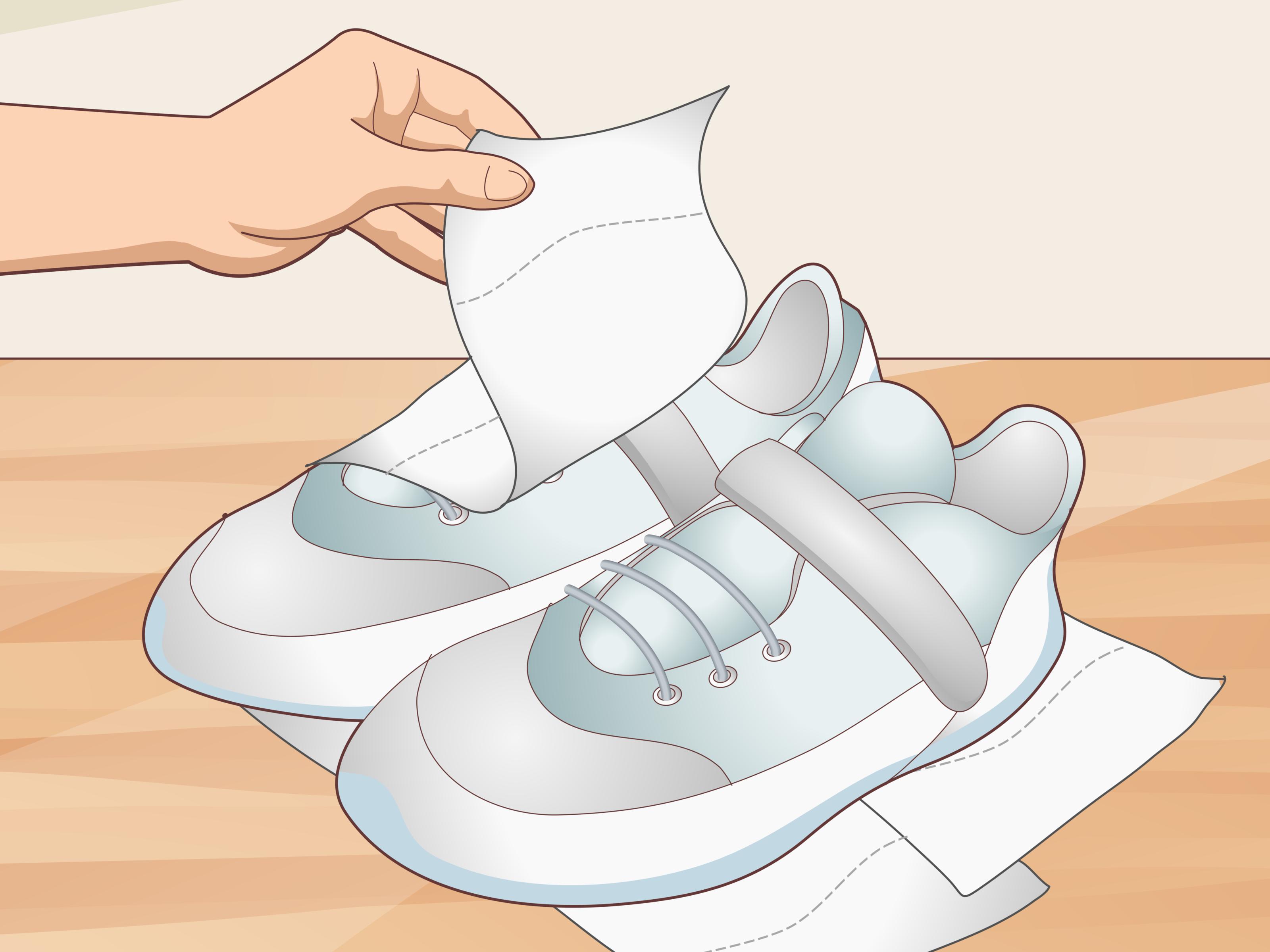
After cleaning, remove the laces and insoles if possible. This helps air circulate inside the shoe. Stuff the shoes with plain white paper towels or clean white cloths to absorb moisture and maintain shape. Avoid newspaper on white interiors because ink can transfer. Place the shoes in a cool, dry, well-ventilated area.
Do not use a hair dryer, radiator, clothes dryer, heater, or direct flame. High heat can warp soles, shrink materials, loosen adhesives, crack leather, and accelerate yellowing. If you need faster drying, place the shoes near a fan. The fan is the responsible adult in this situation.
Direct sunlight can sometimes brighten fabric temporarily, but long exposure may yellow rubber and damage materials. For prevention, shade and airflow are usually safer than intense sun. Think “airy porch,” not “desert survival challenge.”
Step 5: Protect Shoes Before the First Wear
One of the smartest ways to prevent yellowing is to protect shoes before dirt and moisture ever touch them. A sneaker protector spray or water-and-stain repellent can create a barrier against spills, dust, rain, and grime. This is especially useful for white sneakers, canvas shoes, suede shoes, and fabric uppers.
Choose a protector made for your shoe material. Smooth leather, suede, canvas, and mesh may require different formulas. Always test the product in a hidden spot first to make sure it does not darken, stain, or change the texture. Spray evenly from the recommended distance, allow the shoes to dry completely, then apply a second light coat if the product instructions suggest it.
Protector sprays are not magic force fields. They will not let you walk through a swamp and emerge looking like a lifestyle influencer. But they do make routine cleaning easier, and they help prevent stains from sinking deep into the material.
Reapply protection every few weeks if you wear the shoes often, or after deep cleaning. Shoes that face rain, grass, dust, or city streets need more frequent protection than shoes worn mainly indoors.
Step 6: Clean Laces, Insoles, and Midsoles Separately
Yellowing is not always on the upper. Sometimes the laces are dingy, the midsoles are stained, or the insoles are holding odor and sweat. When these parts look dirty, the whole shoe looks older.
Remove shoelaces and wash them separately in warm water with mild soap. Rub them gently, rinse well, and air-dry completely before putting them back. If white laces are permanently stained, replacing them is inexpensive and instantly makes shoes look fresher. New laces are basically a mini facelift for sneakers.
For midsoles and rubber edges, use a damp microfiber cloth, soft toothbrush, or melamine sponge with gentle pressure. Do not scrub painted details too hard. Many midsoles have coatings that can wear away if attacked like a kitchen floor.
Insoles should be removed and aired out regularly. If they smell, wipe them with a damp cloth and mild soap, then let them dry completely. Avoid soaking foam insoles unless they are washable. Moisture trapped inside the shoe can contribute to odor, mildew, and discoloration around the interior.
Step 7: Store Shoes in a Cool, Dry, Breathable Place
Storage matters more than most people think. White shoes can yellow even when you are not wearing them. Heat, humidity, sunlight, and poor airflow can all speed up discoloration.
Store shoes in a cool, dry area away from windows, heaters, vents, and damp closets. Avoid leaving white shoes in the trunk of a car, on a sunny balcony, or near a bathroom where humidity rises and falls like a dramatic soap opera plot.
Breathable storage is best. Use cotton shoe bags, dust bags, original boxes with ventilation, or clear shoe boxes with airflow. Avoid sealing shoes in plastic bags for long periods because trapped moisture can encourage yellowing and mildew. If you live in a humid climate, place silica gel packets near stored shoes to help control moisture. Do not let packets spill, and keep them away from children and pets.
For leather shoes or structured sneakers, use shoe trees or clean white tissue paper to help maintain shape. Avoid colored tissue paper, dyed bags, or printed materials touching white shoes because dye transfer can happen over time.
Step 8: Rotate Your Shoes and Spot-Clean Immediately
Daily wear speeds up yellowing. Sweat, pressure, dirt, and repeated moisture exposure build up faster when you wear the same pair every day. Rotating shoes gives each pair time to dry, breathe, and recover its shape.
If you love white sneakers, keep at least two wearable pairs in rotation. One can handle errands, travel, and unpredictable weather; the other can stay cleaner for outfits that require a sharper look. This is not excess. This is strategy. Also, shoes deserve weekends too.
Spot-clean stains as soon as they happen. Grass, coffee, mud, oil, and road salt become harder to remove once they dry. Keep sneaker wipes, a microfiber cloth, or a small soft brush handy. Quick attention can prevent a tiny mark from becoming a permanent yellowish shadow.
For oil or greasy stains, blot first instead of rubbing. Rubbing spreads the stain and pushes it deeper. For salt stains, gently wipe with a diluted vinegar solution on appropriate materials, then wipe again with plain water and dry fully. For unknown stains, start mild. Escalate only if needed.
Common Mistakes That Make Shoes Yellow Faster
Even people with good intentions can accidentally yellow their shoes. One common mistake is using too much detergent. More soap does not mean cleaner shoes; it means more residue to rinse away. Residue attracts dirt and can dry into dull yellow patches.
Another mistake is putting shoes in the dryer. Heat can damage glue, rubber, foam, and fabric. The dryer may seem convenient, but it is basically a tumble-powered regret machine for many shoes.
Soaking shoes too long is also risky. Water can seep into glue lines, midsoles, padding, and interior layers. When trapped moisture dries unevenly, stains and yellow marks can appear. Use damp cleaning rather than full soaking unless the care label says machine washing is safe.
Finally, avoid storing dirty shoes. Dirt, sweat, and oils become harder to remove the longer they sit. Clean shoes before long-term storage, dry them completely, and protect them from humidity and light.
Best Household Supplies for Preventing Yellow Shoes
You do not need a giant cleaning cabinet. A simple shoe-care kit can handle most yellowing prevention. Keep a soft-bristle brush, old toothbrush, microfiber cloths, mild dish soap, baking soda, 3% hydrogen peroxide, white paper towels, a suede brush, a material-safe protector spray, and silica gel packets for storage.
For white leather, add a leather cleaner and conditioner. For suede, add a suede eraser and suede-safe protector. For athletic shoes, a sneaker-cleaning solution can be useful, especially if you wear them often. The most important tool, however, is consistency. A two-minute wipe after wearing beats a desperate two-hour cleaning session after the shoes have already turned yellow.
How Often Should You Clean White Shoes?
For shoes worn weekly, a light wipe after each wear and a deeper clean every two to four weeks is usually enough. If you wear white shoes daily, clean visible dirt immediately and do a more thorough cleaning once a week. If shoes get wet, muddy, salty, or stained, clean and dry them the same day.
For shoes in storage, check them every month or two. Make sure they are dry, odor-free, and not exposed to sunlight. Replace moisture absorbers as needed. Long-term storage is not “set it and forget it.” It is more like “set it and occasionally make sure your sneakers have not become archaeological artifacts.”
Extra Experience: What Actually Works in Real Life
In real life, preventing yellow shoes is less about one dramatic cleaning hack and more about tiny habits. The people who keep white sneakers looking new are usually not doing anything shocking. They wipe them down quickly, store them properly, and avoid wearing them into situations where shoes go to lose their innocence.
One useful habit is the “doorway check.” When you take your shoes off, look at them for ten seconds. If there is dust on the toe, wipe it. If the midsole has a gray line, clean it. If the laces look dull, remove and wash them. This quick check prevents grime from becoming a long-term tenant.
Another real-world lesson: weather matters. White canvas shoes and surprise rain are not friends. If the forecast looks messy, wear darker shoes or water-resistant footwear. Yes, your white sneakers may match the outfit perfectly, but puddles do not care about your styling vision. They are chaos with reflections.
Travel also teaches shoe-care wisdom fast. When packing white shoes, never place them directly against dark denim, printed bags, or colored clothing. Use a cotton shoe bag or wrap them in a clean white cloth. Dye transfer can happen inside luggage, especially when pressure and humidity get involved. Also, clean the soles before packing. Nobody wants sidewalk mystery dust sharing a suitcase with clean shirts.
If your shoes already have slight yellowing, prevention can still help. Clean them gently, remove residue, dry them properly, and store them better going forward. Some oxidation on soles may not fully reverse without specialized restoration products, but you can stop it from getting worse. The trick is to avoid panic-cleaning. Aggressive scrubbing, strong bleach, and heat can make a small problem bigger.
For families, especially households with kids, the best approach is making shoe care easy. Keep a small cleaning basket near the entryway with wipes, a cloth, and a brush. When supplies are convenient, people are more likely to use them. If the cleaning kit is hidden under the sink behind six bottles of mystery spray, nobody is going on a treasure hunt after soccer practice.
Pet owners should also beware of floor-level shoe storage. Dogs may lick, chew, drool on, or lovingly relocate shoes. Cats may sit on them with the confidence of tiny landlords. Moisture, fur, and floor dust can all affect white shoes over time. A shoe rack or breathable box keeps them cleaner and safer.
One final experience-based tip: accept that shoes are meant to be worn. The goal is not to keep them museum-perfect forever. The goal is to slow yellowing, keep them fresh, and get more good-looking wear from them. A few creases and marks are normal. A little care simply keeps your shoes from aging faster than necessary.
Conclusion
Preventing shoes from yellowing is a mix of cleaning, drying, protecting, and storing them the right way. Regular light maintenance beats emergency rescue missions. Use gentle cleaners, avoid harsh bleach, dry shoes slowly, protect them before wearing, clean laces and midsoles separately, and store them away from heat, humidity, and direct sunlight.
White shoes may be high-maintenance, but they are not impossible. With a few easy habits, your sneakers, canvas shoes, leather shoes, and rubber soles can stay brighter for much longer. Treat them well, and they will keep showing up for outfits without looking like they have been personally victimized by time.
Note: This article is based on practical shoe-care guidance from footwear brands, cleaning experts, outdoor gear care resources, and sneaker maintenance recommendations, rewritten into original publishing-ready content.

