
Makeup
Dreamed Someone Tried to Kill Me: Here’s What It Means
Jun
You wake up breathing like you just sprinted a 5K, heart doing jazz improv, and your brain is still replaying the scene where someone tried to end you. Rude. Unhelpful. Also: surprisingly common.
Before you start drafting a “Dear Diary, I’m definitely cursed” entry, take a beat. Dreamsespecially violent, high-stakes onesare rarely literal predictions. They’re more like your mind’s chaotic group chat: emotions, memories, stress, and random sensory input all talking at once with zero moderator. A dream where someone tries to kill you often points to stress, fear, conflict, major change, or feeling threatened in some area of waking life.
Let’s unpack what these dreams can mean, why they happen, and what you can do to sleep without starring in a midnight thriller.
First, Is This a “Nightmare” or Just a Very Dramatic Dream?
Most people use “nightmare” to describe any bad dream, but clinically, nightmares are vivid, disturbing dreams that usually wake you up and leave you alert and upset. They tend to happen during REM sleepthe stage associated with intense dreamingand are often more common later in the night when REM periods get longer.
Nightmare disorder vs. occasional nightmares
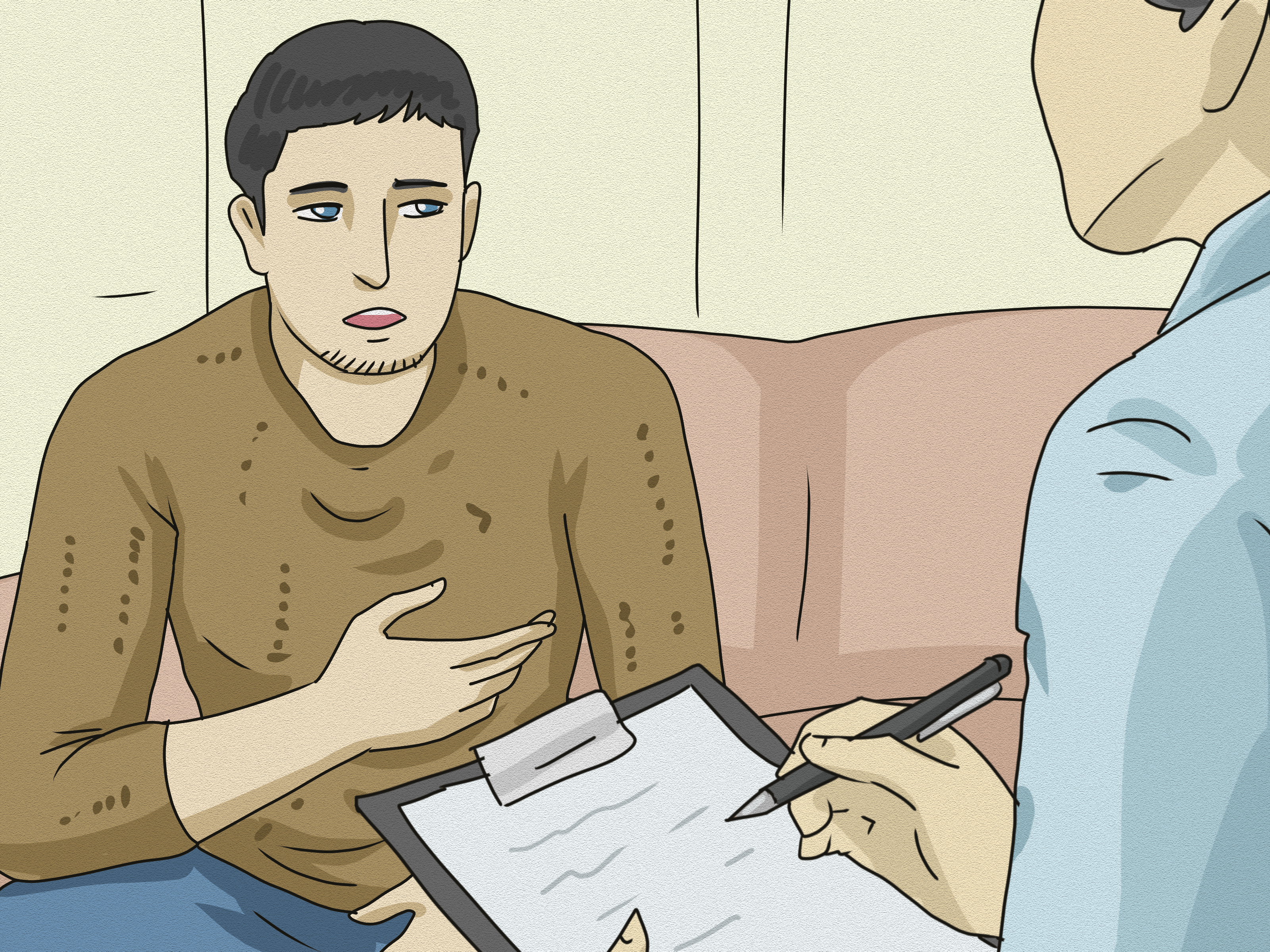
Occasional nightmares are normal. “Nightmare disorder” is when nightmares happen frequently, disrupt sleep, create fear of sleeping, and cause daytime distress or impaired functioning. If your scary dreams are frequent and messing with your life, it’s worth talking with a healthcare professional.
Not to confuse with: night terrors or sleep paralysis
- Night terrors usually involve screaming or intense fear, often in children, and the person may not fully wake up or remember the event.
- Sleep paralysis can feel like a threat is in the room while your body is temporarily unable to move (a REM-related effect). It can be terrifyingbut it’s a known sleep phenomenon.
Why Would My Brain Dream This?!
Your brain doesn’t create nightmares because it hates you (even if it feels personal at 3:17 a.m.). Research suggests dreaming may play a role in processing emotions, consolidating memories, and responding to stress. When your nervous system is overloadedwork pressure, relationship tension, trauma history, big life changesyour dream content can turn up the volume.
Add in common nightmare triggers like irregular sleep schedules, alcohol, certain medications, illness/fever, and sleep disorders (like sleep apnea), and you’ve got a recipe for “Tonight on Law & Order: REM Unit…”
In other words: a dream of being attacked is often your brain communicating threatnot necessarily physical threat, but emotional threat, identity threat, stability threat, or “I’m not okay with this change” threat.
Common Meanings of “Someone Tried to Kill Me” Dreams
Dream interpretation isn’t one-size-fits-all. Two people can dream the same storyline and have totally different meanings based on their history and current stressors. Still, some themes show up again and again.
1) You feel threatenedemotionally, socially, or professionally
Sometimes “someone tried to kill me” translates to: something is pressuring me, and I don’t feel safe. “Safe” can mean emotionally secure, financially stable, respected, or in control.
Example: You’re dealing with a toxic coworker, a micromanaging boss, or sudden layoffs. You may feel like your reputation, job security, or confidence is “under attack.” Your dream makes that feeling literal because dreams are subtle like a marching band.
2) You’re in conflictand you’re avoiding it
Many intense dreams involve chase/attack scenarios. Psychologically, being pursued can map onto avoidance: a conversation you keep postponing, a decision you won’t make, a boundary you need to set, or an emotion you’d rather not feel.
If the attacker is faceless or unknown, the “threat” may be vaguelike generalized anxiety, uncertainty, or fear about the future. If the attacker is someone you know, it might reflect tension, resentment, mistrust, or unresolved conflict.
3) You’re going through a major change (and part of you is panicking)
Dreams frequently dramatize transitions: new jobs, moving, becoming a parent, breakups, identity shifts, even positive changes. The “death” theme can symbolize an ending: an old version of you, an old role, an old routine.
Translation: your brain is rehearsing “What if this change destroys what I know?” Even when the change is good, your nervous system may still interpret it as risky.
4) You feel powerlessor like you’ve lost control
Attack dreams often peak when life feels chaotic. If you’re juggling too much, sleeping poorly, or constantly “on,” your brain can produce a story where you’re literally fighting to survive. It’s not that you’re weakit’s that your system is exhausted.
5) Stress is spilling into REM sleep
Stress dreams and nightmares are strongly linked to anxiety and daily strain. If your body is stuck in high alert, your dream world can mirror that state. Sometimes the dream is less about symbolism and more about physiology: your brain is processing stress hormones and building a narrative around them.
6) Trauma echoes (especially if nightmares are recurring)
For some people, violent dreams connect to trauma or PTSDespecially when nightmares repeat, feel extremely vivid, or replay aspects of real events. Not all nightmares mean PTSD, but if you also experience flashbacks, hypervigilance, avoidance, or persistent distress, it’s worth speaking with a licensed professional.
Does It Mean Someone Wants to Hurt Me in Real Life?
In most cases, no. Dreams are not reliable fortune-tellers, and a dream about being killed is far more likely to reflect internal fear than external danger. If you feel unsafe in real life due to a relationship, threats, stalking, or violence, that’s a separate issueand it deserves real-world support and safety planning. But the dream itself is not proof of a real threat.
The Details Matter: Quick “Dream Decoder” Questions
Instead of Googling “dream someone tried to kill me” at 2 a.m. and convincing yourself you’re haunted, try these grounded questions:
Who was trying to kill you?
- A stranger: vague anxiety, uncertainty, or an unknown future stressor.
- Someone you know: tension, trust issues, power struggle, or unresolved feelings (not necessarily literal hostility).
- Multiple people: feeling ganged up on, overwhelmed, judged, or pressured from different directions.
- A “monster” or non-human threat: fear that feels bigger than logicpanic, trauma residue, or a stressor that feels impossible to face.
Where did it happen?
- Home: personal boundaries, family stress, or lack of emotional rest.
- Work/school: performance pressure, competition, fear of failure, imposter syndrome.
- Public place: social anxiety, fear of judgment, feeling exposed.
How did you respond?
- You froze: feeling stuck, helpless, or burnt out.
- You fought back: building assertiveness, protecting boundaries, ready for change.
- You ran: avoidance, overwhelm, or a need for distance from conflict.
The “meaning” often lives in your emotional reaction: terror, rage, shame, panic, numbness, determination. That feeling is the clue.
What to Do After You Have This Dream
The goal isn’t to “never have a bad dream again.” The goal is to reduce the frequency and intensity, and to stop the dream from hijacking your whole day.
1) Do a 60-second nervous-system reset
- Plant your feet on the floor. Name 5 things you can see, 4 you can feel, 3 you can hear, 2 you can smell, 1 you can taste.
- Slow your exhale (longer exhale tells your body, “We’re not being chased right now.”)
- Remind yourself: That was a dream. I am safe in this moment.
2) Write a “two-column” dream note
Keep it short. Left column: what happened. Right column: what it felt like. Then add one line: “This might connect to _________ in my life.” You’re looking for patterns, not perfection.
3) Check the common triggers
Did you drink alcohol late? Start a new medication? Eat a heavy meal right before bed? Watch something scary? Have a fever? Sleep too little? These factors can contribute to nightmares.
4) Improve the boring basics (they work)
- Consistent sleep and wake times (even on weekends, mostly).
- A wind-down routine (dim lights, avoid doom-scrolling, lower stimulation).
- Limit alcohol close to bedtime; avoid heavy meals right before sleep.
- Address snoring or suspected sleep apnea with a professionalsleep disruptions can worsen nightmares.
5) Try Imagery Rehearsal Therapy (IRT) if nightmares repeat
IRT is a cognitive-behavioral technique often used for chronic nightmares (including PTSD-related nightmares). You rewrite the nightmare while awakechanging the story so it ends in a less threatening waythen rehearse the new version. Over time, this can reduce nightmare frequency and distress.
This may sound like “fan fiction for your subconscious,” but it’s backed by clinical use and research. A therapist can guide you, especially if the dream is tied to trauma.
6) Know when it’s time to talk to a professional
Consider reaching out if:
- Nightmares happen often (e.g., weekly or more) and disrupt sleep.
- You dread going to bed or your daytime mood/functioning is affected.
- The content is linked to trauma, or you have PTSD symptoms (hypervigilance, avoidance, flashbacks).
- You’re using alcohol/substances to cope with sleep or anxiety.
FAQ: Quick Answers That Don’t Make You Spiral
Why do I keep having the same “attack” dream?
Recurring nightmares often show up when a stressor is unresolved, when trauma is unprocessed, or when your sleep is repeatedly disrupted. Recurrence can also happen when your brain has learned a “default fear script.” The good news: targeted approaches like IRT and stress management can help.
What if the attacker is someone I love?
This can reflect conflict, disappointment, fear of losing the relationship, or feeling emotionally unsafenot necessarily that the person wishes you harm. Sometimes it represents a part of you: the “inner critic,” guilt, or self-sabotage showing up wearing a familiar face. (Your brain is dramatic, remember.)
Is it normal to wake up with a racing heart?
Yes. Nightmares can trigger a strong physical stress response. If you also have frequent panic symptoms, severe insomnia, or other health concerns, consider discussing it with a clinician to rule out contributing factors.
Conclusion: Your Dream Is a Message, Not a Murder Mystery
Dreaming that someone tried to kill you can feel deeply unsettlingbut it’s often your mind translating stress, conflict, change, or fear into the loudest language it knows: survival mode. Instead of treating the dream as prophecy, treat it as a signal. What feels threatening lately? Where do you feel cornered, pressured, or unsafe?
When you respond with curiosity (and a few practical sleep tools), these dreams often lose their grip. And if they don’tif they’re frequent, trauma-linked, or disrupting your life you’re not “broken.” You’re a human nervous system doing its best. Support exists, and you deserve restful sleep that doesn’t come with a plot twist.
Experiences People Commonly Report After This Kind of Dream (500+ Words)
To make this feel less abstract, here are composite, real-world-style experiences people often describe around “someone tried to kill me” dreams. These aren’t meant to be a diagnostic checklistmore like a mirror that helps you notice patterns.
Experience 1: The “Work Is Hunting Me” Season
A person starts a new job with high expectations. They like the role, but the pace is relentless: late-night emails, constant Slack pings, and a manager who gives feedback that feels more like a performance review than a conversation. They begin dreaming they’re being chased through office hallways by an unknown figure. The attacker never speaks; the dream is pure pursuit. In the morning, they realize the dream emotion is exactly how they feel at work: pursued, evaluated, never caught up. Once they set firmer boundariesno laptop in bed, fewer late responsesand schedule a calm wind-down routine, the dream doesn’t vanish overnight, but it becomes less intense. Instead of a chase, it shifts to being “lost” in a building. That’s progress: the fear is still there, but the threat is smaller and more symbolic, which often happens as stress reduces.
Experience 2: Relationship Tension Wearing a Horror-Movie Costume
Someone is in a relationship where conflict is rarely discussed. On the surface, everything is “fine,” but there’s a steady undercurrent of resentmentsmall dismissals, missed apologies, recurring misunderstandings. They have a nightmare where their partner is the attacker. They wake up horrified and guilty: “Why would I dream that?” Over the next week they notice they’ve been swallowing concerns to keep the peace. The dream becomes a spotlight: it’s not saying “my partner is dangerous,” it’s saying “this relationship dynamic feels unsafe to my nervous system.” After a direct conversation (and maybe couples therapy), the dream theme changes again. The partner stops being the attacker; the attacker becomes a faceless figure. That shift often matches an internal shift: the person feels safer addressing conflict, so the threat becomes less personal.
Experience 3: Big Change, Big Fear
Another common story: someone is about to move, graduate, start a business, have a baby, or go through a divorceany major transition where the old identity is dissolving. They dream someone tries to kill them right as they’re crossing a bridge, boarding a plane, or entering a new house. The setting screams “threshold moment.” They may wake up thinking, “Is this a sign I shouldn’t do it?” Often it’s the opposite: it’s a sign the change matters and the brain is rehearsing danger because uncertainty activates the threat system. Once they take small, concrete stepspacking a box, making a plan, asking for helpthe dreams soften. The attacker still appears, but now the dreamer finds a door, calls for help, or escapes more easily. That’s the mind practicing competence.
Experience 4: Trauma Echoes and the Body’s Memory
For people with trauma histories, nightmares can feel less like metaphor and more like a replaysometimes a direct replay, sometimes an “emotional replay” where the details differ but the terror is identical. People often describe waking up sweaty, hyperalert, scanning the room, unable to fall back asleep. They may dread bedtime or use distractions (scrolling, TV, alcohol) to avoid the moment the lights go out. In these cases, it’s common to need more than sleep hygiene. Trauma-informed therapy, targeted nightmare treatments (like imagery rehearsal work), and support for daytime anxiety can be game-changers. Many people report that once they learn tools to calm the nervous system in daylight, the nighttime fear slowly loses its fuel.
Experience 5: The “My Brain Borrowed a Scary Plot” Dream
And sometimeshonestlyyour brain just borrows content. You watched a true-crime episode, played an intense game, listened to a frightening podcast, or saw a disturbing headline. Your sleep was already light, your stress was already high, and your brain stitched it all into a nightmare. People often feel embarrassed by this, like it “means something deep.” It might. Or it might just mean your brain is a remix artist with questionable taste. If the dream is a one-off, treat it as data, not destiny: reduce scary media close to bedtime, stabilize your sleep schedule, and move on.
The through-line in these experiences is simple: the dream is usually pointing to a felt sense of threat. When you reduce that threatby setting boundaries, processing emotions, improving sleep consistency, or getting professional supportyour dream life often becomes less violent and more manageable.

