
Body Care
Dark Kitchen Cabinet Inspiration and Design Tips
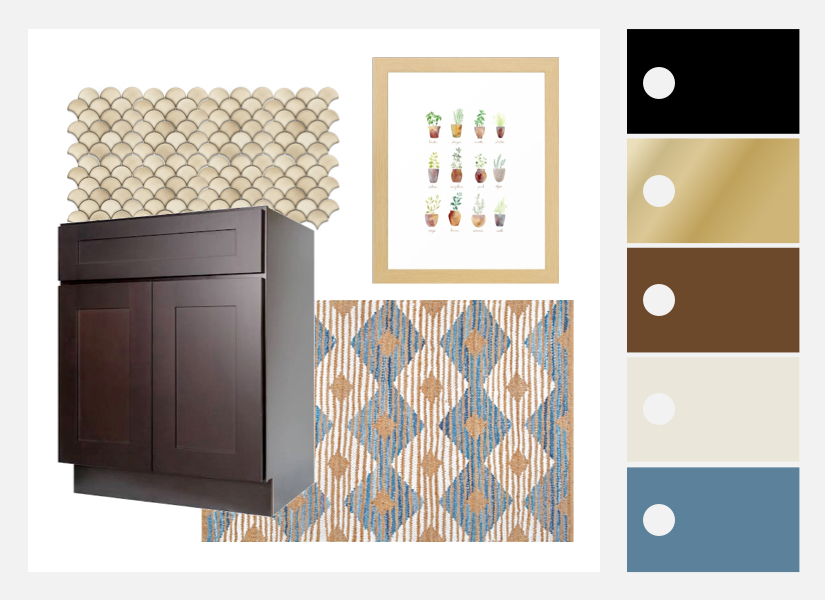
Sep
Dark kitchen cabinets have officially escaped the gloomy corner of the design world. Black, charcoal, espresso, walnut, forest green, and deep navy cabinetry can make a kitchen feel sophisticated, welcoming, and wonderfully distinctive. Done well, the effect is less “cave where the toaster lives” and more “stylish gathering place where everyone mysteriously ends up during a party.”
The secret is balance. Dark cabinetry carries substantial visual weight, so the surrounding countertops, backsplash, flooring, hardware, and lighting must work together. You do not necessarily need a huge kitchen or a wall of windows, but you do need a deliberate plan.
This guide explores dark kitchen cabinet inspiration for modern, traditional, farmhouse, transitional, and compact kitchens. It also explains how to select the right shade, coordinate materials, improve lighting, avoid common mistakes, and maintain the finished space without turning cabinet cleaning into a second career.
Why Dark Kitchen Cabinets Work So Well
Dark cabinets create depth. While white cabinetry tends to visually recede, a saturated cabinet color establishes a strong architectural outline. It can make ordinary stock cabinets appear more custom, define the kitchen within an open floor plan, and give large rooms a comfortable sense of enclosure.
Deep colors also provide an effective background for other design elements. Pale countertops look brighter beside charcoal cabinets. Brass hardware becomes more noticeable against navy. Natural wood introduces warmth beside black. Even a simple bowl of lemons can suddenly look like it has hired a professional stylist.
Current U.S. kitchen guidance continues to emphasize expressive color, natural materials, statement islands, integrated storage, and layered illumination. Recent National Kitchen & Bath Association research also identifies natural light, overall lighting quality, and task lighting as leading priorities in kitchen design.
Choosing the Right Dark Cabinet Color
“Dark” is not a single color category. Every deep shade has undertones that change according to daylight, flooring, wall color, and artificial lighting. Before ordering cabinets or buying gallons of paint, compare large samples in the actual kitchen during the morning, afternoon, and evening.
Classic Black
Black cabinetry is crisp, dramatic, and surprisingly versatile. A neutral black works with modern slab doors, traditional inset cabinets, industrial materials, and Shaker-style kitchens. It creates the strongest contrast with white quartz, pale marble, cream tile, and light wood.
Pure black can feel severe when every neighboring surface is equally cool. Introduce oak flooring, woven stools, unlacquered brass, warm-white walls, or veined stone to soften the composition. Black-stained wood is another appealing option because visible grain adds movement and prevents the cabinets from resembling one enormous flat panel.
Charcoal Gray
Charcoal is an excellent choice for homeowners who like black but want a gentler result. It offers depth without producing the same hard edge. Charcoal cabinetry coordinates easily with stainless-steel appliances, concrete-look surfaces, warm wood, off-white walls, and both cool and warm metals.
Watch the undertone carefully. Blue-gray charcoal feels polished and contemporary, while brown-gray charcoal creates a warmer, more traditional atmosphere. A color that appears neutral on a tiny sample may reveal a surprisingly purple personality once it covers twenty cabinet doors.
Deep Navy
Navy cabinets bring color into the kitchen while remaining relatively timeless. They look especially polished with white countertops, medium-tone wood floors, brushed brass pulls, and creamy walls. Navy also works well in coastal kitchens when paired with pale oak and relaxed textures, but it can be equally convincing in a formal kitchen with marble and polished nickel.
Some blue-black paints change dramatically with the light, appearing nearly black at night and visibly blue during the day. This flexibility is useful when you want drama without committing to completely black cabinetry. Deep blue and blue-black remain widely recommended alternatives to neutral black.
Forest and Olive Green
Dark green cabinetry feels earthy, established, and connected to nature. Forest green pairs beautifully with white oak, walnut, limestone, soapstone, aged brass, and creamy handmade tile. Olive green has warmer undertones and works especially well in farmhouse, Mediterranean, and midcentury-inspired kitchens.
Green is also useful when a kitchen needs personality but black feels too stark. Deep green cabinets can read almost neutral when surrounded by natural materials. Recent design examples frequently combine dark green cabinetry with wood, warm metal, soft neutral finishes, and natural textures.
Espresso and Dark Walnut
Dark wood cabinets offer richness without relying entirely on paint. Walnut is particularly effective because its grain provides visual variation. A medium-dark walnut often feels more current than a nearly opaque red-brown stain.
Avoid combining dark wood cabinets with dark brown flooring, brown granite, brown walls, and brown upholstery unless your design objective is to create an extremely well-appointed chocolate factory. Contrast is essential. Pale stone, plaster-white walls, stainless steel, and light oak accents can keep dark wood cabinetry fresh.
How to Keep Dark Cabinets from Overwhelming the Kitchen
Use Light Surfaces Strategically
The easiest balancing technique is to place lighter materials beside the cabinetry. White, ivory, cream, pale greige, and softly veined countertops reflect more light and create a visual resting place. A light backsplash can perform the same job, especially in kitchens with extensive upper cabinetry.
Bright white is not mandatory. Warm quartz, beige limestone, pale quartzite, and cream ceramic tile can balance dark cabinets while creating a softer transition. Designers frequently pair dark cabinetry with light counters, walls, or backsplashes, then introduce wood to keep the contrast welcoming rather than clinical.
Anchor Dark Colors Low in the Room
In a small or moderately lit kitchen, consider using dark cabinets only on the lower level or island. Light upper cabinets, open shelving, or a wall without cabinets allows the eye to travel upward and makes the ceiling feel less crowded.
A two-tone scheme is particularly effective in galley kitchens and apartments. Dark lowers ground the room and tolerate everyday activity, while white or pale wood uppers maintain openness. This light-over-dark approach has remained a practical cabinet strategy across changing kitchen trends.
Leave Some Visual Breathing Room
Dark floor-to-ceiling cabinetry can be stunning, but every wall does not need to become a solid storage fortress. Break up long cabinet runs with a window, display niche, contrasting range hood, open shelf, glass-front door, or section of backsplash.
Negative space makes the dark elements feel intentional. It also gives decorative features room to stand out and reduces visual clutter, an approach designers increasingly use to create calmer kitchens.
Lighting Tips for Dark Kitchen Cabinets
Lighting is not an accessory in a dark kitchen. It is part of the architecture. One decorative pendant and a heroic little bulb above the sink will not carry the entire room.
Layer Multiple Types of Light
A balanced kitchen generally needs ambient, task, and accent lighting. Ambient fixtures provide overall illumination. Task lights brighten cutting boards, sinks, ranges, and other work areas. Accent lighting highlights architectural details, glass cabinets, shelves, or textured backsplashes.
Under-cabinet lighting is particularly valuable because upper cabinets often cast shadows over the countertop. Continuous LED tape or linear bars usually produce more even illumination than widely spaced puck lights. Dedicated task lighting also improves visibility and safety during food preparation.
Choose a Suitable Color Temperature
Warm-white lighting generally flatters wood, brass, cream surfaces, and earthy cabinet colors. Neutral-white lighting can feel cleaner beside charcoal, stainless steel, and cool white quartz. Whichever temperature you choose, keep visible fixtures reasonably consistent so the room does not shift from cozy amber to dental-office blue every three feet.
Dimmers are worth including. Bright light supports cooking and cleaning, while lower light levels create a relaxed atmosphere for dining or entertaining. Lighting controls can make a dramatic kitchen adaptable rather than permanently theatrical.
Use Reflective Details Carefully
Polished metal, glossy tile, glass doors, and subtly reflective countertops can move light through the room. However, too many shiny surfaces can emphasize fingerprints, glare, and visual clutter. Combine reflective accents with matte or honed materials for balance.
Countertops and Backsplashes for Dark Cabinets
Light Quartz for Easy Contrast
White or cream quartz creates a clean contrast and is available in patterns ranging from nearly solid to marble-inspired. A quieter countertop lets richly colored cabinets remain the focal point, while bold veining adds movement to simple cabinet doors.
Quartzite and Marble for Natural Character
Natural stone can introduce veining, tonal variation, and a sense of permanence. Pale marble against black cabinets is classic, while warmer quartzite can bridge dark green or brown cabinetry with wood flooring. Material performance and maintenance vary, so discuss sealing, stain resistance, and daily care with the fabricator before choosing a slab based only on one extremely flattering showroom spotlight.
Wood for Warmth
A butcher-block island, oak shelf, or wood range hood can soften painted dark cabinets. You do not need to use wood everywhere. One or two intentional elements may be enough to keep the palette from feeling cold.
Matching Dark Stone for a Moody Look
Dark counters with dark cabinets can create a luxurious, monolithic effect. This approach works best when the room has strong natural light, a contrasting backsplash, visible veining, or reflective metal details. Texture is crucial; otherwise, doors, drawers, and countertops may visually collapse into one dark mass.
Hardware That Complements Dark Cabinets
Cabinet hardware determines whether dark cabinetry leans modern, traditional, industrial, or glamorous.
- Brass and gold: Add warmth and contrast to black, green, navy, and dark brown cabinets.
- Polished nickel: Creates a refined, classic appearance with navy or charcoal.
- Stainless steel: Connects cabinetry to appliances and suits contemporary kitchens.
- Matte black: Produces a subtle, integrated effect on dark wood or painted cabinets.
- Copper or bronze: Introduces warmth and character, particularly in rustic or traditional rooms.
Warm metallic hardware is commonly used to brighten black cabinetry, while cool-toned nickel and stainless steel create a sharper contemporary finish. Black-on-black hardware offers a quieter, low-contrast look.
Choose hardware that is comfortable as well as attractive. Long pulls are useful on wide drawers, while knobs may suit traditional doors. Purchase one sample before drilling every cabinet. Discovering that a beautiful pull catches your sleeve after installing forty-two of them is the sort of character-building exercise most homeowners would prefer to skip.
Door Styles and Finishes
Shaker Cabinets
Shaker doors balance simplicity with architectural detail. In black or navy, they can look transitional or contemporary. In dark green or stained wood, they can support farmhouse and traditional interiors. Their restrained design also makes them easier to coordinate with expressive stone or decorative tile.
Flat-Panel Cabinets
Slab doors give dark cabinetry a clean, modern appearance. Black, charcoal, or walnut flat panels work well with integrated pulls, minimal hardware, panel-ready appliances, and continuous countertop lines.
Inset and Raised-Panel Cabinets
Inset doors look tailored and furniture-like, particularly in navy, black, and forest green. Raised panels create a more traditional effect but require careful color and hardware choices to prevent the kitchen from feeling overly heavy.
Matte, Satin, or Gloss?
Matte finishes absorb light and create a soft, contemporary look, although dark matte surfaces may reveal grease or fingerprints. Satin and semi-gloss finishes reflect more light and are generally easier to wipe clean. Cabinet paint manufacturers commonly recommend satin, semi-gloss, or high-gloss products because cabinetry requires a durable, washable finish.
Dark Cabinet Ideas for Different Kitchen Styles
Modern Kitchen
Choose charcoal or black slab cabinets, integrated hardware, pale quartz, and a restrained backsplash. Add warmth through oak flooring or sculptural wood stools. Keep countertop clutter minimal so the strong cabinet geometry remains visible.
Traditional Kitchen
Use inset navy or forest green cabinetry with marble-look counters, warm metal hardware, detailed molding, and glass-front doors. Cream walls and wood floors prevent the palette from becoming too formal.
Farmhouse Kitchen
Pair dark green or charcoal Shaker cabinets with an apron-front sink, handmade tile, aged brass, warm wood, and simple open shelves. Avoid adding every rustic feature simultaneously; the kitchen needs charm, not a supporting role in a butter-churning documentary.
Industrial Kitchen
Combine black cabinets with stainless steel, concrete, exposed brick, dark grout, and practical lighting. Use wood accents or leather seating to keep the room comfortable.
Small Kitchen
Limit the darkest finish to base cabinets, one wall, or the island. Use light walls and counters, continuous under-cabinet lighting, and fewer upper cabinets where storage permits. Dark colors can work in small rooms when lighter elements and adequate illumination create separation.
Common Dark Cabinet Design Mistakes
Ignoring Undertones
A blue-black cabinet beside a yellow-beige countertop may create an accidental clash. Compare cabinet, countertop, backsplash, flooring, and wall samples together rather than approving each material separately.
Using Only One Light Source
Dark surfaces absorb more visual light, making shadows more noticeable. Include task lighting at work surfaces instead of relying solely on ceiling fixtures.
Making Every Surface Dark
Dark cabinets, counters, floors, walls, and ceilings can work in a large, carefully lit room. In an average kitchen, however, the result may feel compressed. Give the eye at least one lighter plane.
Forgetting Texture
A room composed entirely of smooth black surfaces can feel flat despite its dramatic color. Mix painted wood, natural grain, stone, tile, woven materials, glass, and metal.
Choosing Color Before Evaluating the Room
A paint color viewed online or under showroom lighting may look very different at home. Design professionals recommend testing samples in the actual space because daylight and artificial lighting change how undertones appear.
Maintaining Dark Kitchen Cabinets
Dark cabinets may disguise some stains better than white cabinets, but they can show dust, fingerprints, water spots, and cooking residue. Smooth black doors are especially honest. They will report every handprint with the dedication of a tiny household detective.
Wipe spills promptly with a soft, damp cloth, then dry the surface. For routine cleaning, use a mild solution recommended by the cabinet or paint manufacturer. Avoid abrasive powders, stiff brushes, aggressive scrub pads, and excessive water, all of which can damage paint or wood finishes.
Clean handles and the areas surrounding them regularly because these spots collect skin oils and cooking residue. Use the range hood while cooking to reduce airborne grease. Felt bumpers and properly adjusted hinges can also protect the finish from repeated impact.
Practical Experience: Lessons Learned from Planning Dark-Cabinet Kitchens
The first lesson homeowners commonly learn is that a cabinet sample is almost comically small compared with an entire kitchen. A four-inch black square may look elegant and neutral in a store, but forty feet of the same color can reveal strong blue, green, or brown undertones. The safest approach is to paint a large sample board or order a full-size door. Move it around the kitchen for several days. Place it beside the floor in the morning, the backsplash in the afternoon, and the countertop under artificial light at night.
The second lesson is that lighting should be planned before the cabinetry is installed. Adding under-cabinet lights later is possible, but concealing wires, locating transformers, and coordinating switches becomes more complicated. Plan outlets, fixture locations, dimmers, and interior cabinet lighting while walls and cabinet drawings are still accessible. This is not the glamorous portion of the renovation, but neither is chopping an onion beneath a gloomy cabinet while your own shadow supervises.
The third lesson concerns contrast. Many people begin with black cabinets, white counters, and white walls because the formula feels safe. It is safe, but it may also feel unfinished without a connecting material. Wood flooring, a warm metal, softly veined stone, handmade tile, or textured upholstery can bridge the extremes. A successful dark kitchen usually includes at least one element that adds warmth and one that reflects light.
The fourth lesson is to evaluate how the household actually uses the kitchen. A flawless matte-black finish may look spectacular in photographs, but a busy family with young children, enthusiastic pets, and frequent cooking may prefer a more forgiving satin finish or dark wood grain. Flat cabinet doors are easy to wipe, while highly detailed doors have more edges where dust and grease can settle. Design should support daily routines rather than require everyone to behave like cautious museum visitors.
The fifth lesson is that restraint produces a more durable result than trend collecting. Dark cabinets are already a statement, so the room may not also need heavily patterned flooring, dramatic stone, three hardware finishes, open shelving, fluted glass, a brightly colored range, and a chandelier that appears capable of communicating with satellites. Choose one or two focal points and allow the remaining materials to support them.
Finally, practical storage makes dark cabinetry look better. Clutter is more noticeable against a strong, polished backdrop. Deep drawers for cookware, dividers for utensils, tray storage, pull-out waste bins, appliance garages, and pantry inserts reduce countertop congestion. Recent kitchen design research continues to favor concealed storage and integrated appliances because they create a calmer, more unified room.
Conclusion
Dark kitchen cabinets can be bold without being overpowering, timeless without being predictable, and practical without looking ordinary. The most successful designs balance deep cabinetry with thoughtful lighting, lighter surfaces, natural textures, compatible undertones, and hardware that reinforces the intended style.
Start with the room rather than the trend. Study its natural light, existing flooring, dimensions, and relationship to nearby spaces. Test large samples, plan task lighting early, and decide which material deserves to be the star. When every element has a clear role, dark cabinetry becomes an architectural foundation rather than a decorating gamble.
Note: This article synthesizes current kitchen design, color, lighting, paint-finish, storage, and cabinet-care guidance from established U.S. design publications, home-improvement resources, paint manufacturers, and the National Kitchen & Bath Association.

