
Hair Care
CoolSculpting: Risks, Side Effects, and Results
Jun
CoolSculpting sounds like something invented by a very persuasive snowman: freeze unwanted fat, skip surgery, go home the same day, and wait for your body to do the cleanup. The real procedure is less magical than the marketing, but it is not imaginary either. CoolSculpting is the brand name for cryolipolysis, a noninvasive body-contouring treatment that uses controlled cold to reduce small, stubborn pockets of subcutaneous fat.
That said, “noninvasive” does not mean “risk-free,” and “fat reduction” does not mean “weight loss.” CoolSculpting can help some people smooth a bulge on the abdomen, flanks, thighs, upper arms, back, under the chin, or under the jawline. It can also disappoint people who expect dramatic transformation, tighter skin, or a replacement for healthy weight management. Like a gym membership purchased on January 2, it works best when expectations are realistic.
This guide explains how CoolSculpting works, what results to expect, common side effects, rare complications, who should avoid it, and what real-life patient experiences often feel like before, during, and after treatment.
What Is CoolSculpting?
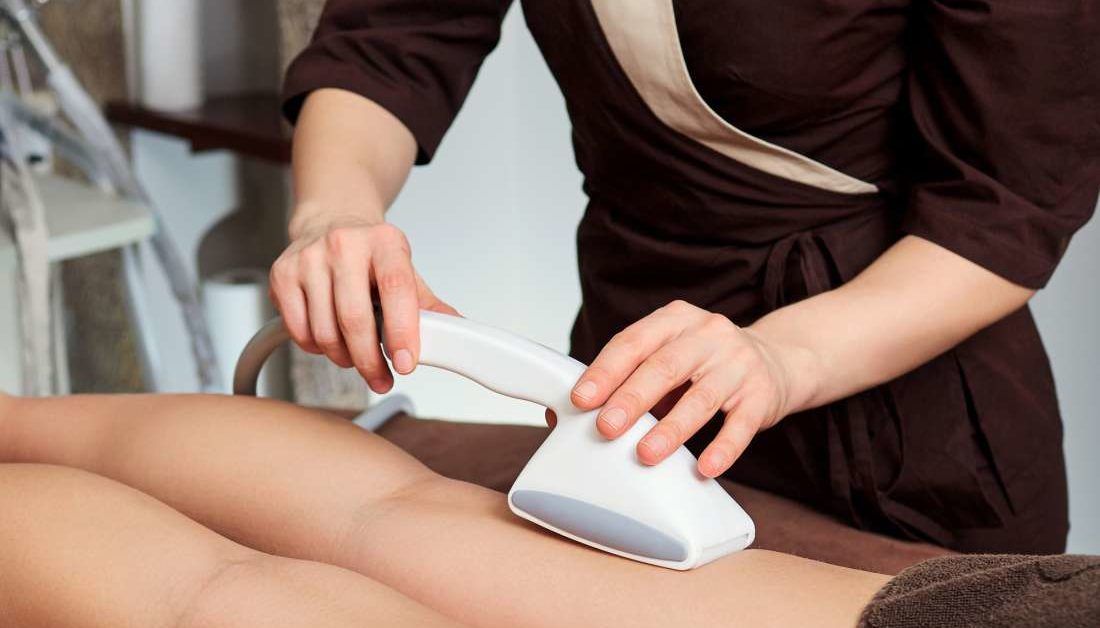
CoolSculpting is a nonsurgical fat-reduction treatment that uses a process called cryolipolysis. The concept is based on the idea that fat cells are more vulnerable to cold than surrounding skin, nerves, and connective tissue. During treatment, a provider places an applicator over a selected area of pinchable fat. Depending on the device and body area, the applicator may use suction to pull tissue between cooling panels, or it may rest against the skin using a surface applicator.
The cooling is controlled, not random freezer-burn chaos. The goal is to chill fat cells enough to trigger fat-cell injury and gradual cell death while protecting the skin. Over the next several weeks to months, the body’s natural cleanup system processes the damaged fat cells. The treated area may slowly become smaller or flatter as those cells are cleared away.
CoolSculpting Is Body Contouring, Not Weight Loss
This point deserves its own tiny parade: CoolSculpting is not a treatment for obesity, not a shortcut for major weight loss, and not a method for improving metabolic health. It targets subcutaneous fat, the soft fat under the skin that you can usually pinch. It does not remove visceral fat, the deeper fat around organs that is linked with conditions such as type 2 diabetes and heart disease.
The best candidates are usually adults near a stable body weight who have specific fat bulges that persist despite diet and exercise. Think lower belly pooch, love handles, small thigh bulges, bra-line fat, or a double-chin pocket. If the concern is loose skin, widespread weight gain, muscle tone, or deep abdominal fat, CoolSculpting may not be the right tool.
How the CoolSculpting Procedure Works
A typical CoolSculpting appointment starts with a consultation. A trained provider examines the treatment area, reviews medical history, discusses goals, takes photos, and decides whether the fat pocket is appropriate for treatment. Good providers are not just “selling cycles”; they are screening for safety, realistic expectations, and whether another treatment would work better.
During the procedure, the provider marks the area and applies a protective gel pad or liner. The applicator is placed over the target zone. If suction is used, the tissue is pulled into the device, which can feel strange, tight, and mildly uncomfortable for the first few minutes. Then the area becomes cold and numb. Many patients read, watch TV, scroll on their phones, or answer emails during treatment. Multitasking while freezing fat is very modern, if nothing else.
Sessions commonly last about 35 minutes to an hour per treatment area, although timing varies by device, applicator, and treatment plan. Some people treat multiple areas in one visit. After the applicator is removed, the provider usually massages the treated area. This massage may be the least spa-like part of the experience; patients often describe it as tender, intense, or briefly painful.
What Results Can You Expect?
CoolSculpting results are gradual. Some people begin noticing changes after about three weeks, but most visible improvement appears after two to three months. The body may continue clearing fat cells for up to four to six months. This slow timeline is important because the mirror will not deliver a dramatic “ta-da” the next morning.
Clinical and professional sources often describe average fat-layer reduction in the range of about 10% to 25% per treated area, with many sources using roughly 20% as a practical average. Results vary based on body area, applicator placement, fat thickness, skin quality, age, metabolism, and the number of sessions. Some people need two or three treatments in the same area to reach their desired contour.
Are CoolSculpting Results Permanent?
The fat cells damaged by cryolipolysis are gradually eliminated and do not come back in the same way. However, remaining fat cells can still enlarge if a person gains weight. In other words, CoolSculpting can reduce the number of fat cells in a treated area, but it does not make that area immune to pizza, stress eating, hormonal changes, aging, or life’s many snack-based plot twists.
Maintaining a stable weight is key. People who keep consistent habits after treatment are more likely to preserve their results. People who gain significant weight may see fat return in treated and untreated areas, potentially changing the contour.
Common CoolSculpting Side Effects
Most CoolSculpting side effects are temporary and occur in or around the treated area. Common reactions include redness, swelling, bruising, firmness, tenderness, cramping, aching, itching, tingling, stinging, numbness, and skin sensitivity. These effects can last from a few hours to several days. Numbness or altered sensation may last for several weeks in some patients.
Bruising is more likely when suction applicators are used because the device pulls tissue into the cup. Swelling can make the area look temporarily larger before it looks smaller, which can be deeply annoying but is not unusual. Some patients also report soreness that feels similar to a hard workout, except without the moral superiority of having done squats.
Delayed Pain and Nerve Sensations
A smaller number of patients experience delayed discomfort days after treatment. This may include burning, stabbing, tingling, or deep aching sensations. In many cases, these symptoms improve on their own, but persistent or severe pain should be reported to the provider. Any weakness, spreading numbness, worsening swelling, blisters, open skin, or symptoms that interfere with daily activity deserve medical attention.
Rare but Serious Risks
CoolSculpting is generally considered a low-risk cosmetic procedure when performed by trained professionals using legitimate devices. Still, rare complications can happen. The most widely discussed serious risk is paradoxical adipose hyperplasia, often shortened to PAH.
Paradoxical Adipose Hyperplasia
Paradoxical adipose hyperplasia is a rare complication in which the treated fat grows larger instead of smaller. Rather than melting away, the fat in the treated area becomes firm, enlarged, and sometimes sharply shaped like the applicator pattern. PAH usually appears months after treatment, not immediately. That delayed timing can make it especially frustrating because the patient may initially think everything is healing normally.
PAH does not typically go away on its own. Correcting it may require surgery, such as liposuction or abdominoplasty, depending on the severity and location. Exact rates are debated. Some older estimates placed it as very rare, while more recent discussions suggest it may have been underreported. The important takeaway is not panic; it is informed consent. Patients should know PAH exists before choosing treatment.
Other Possible Complications
Other uncommon complications reported with cryolipolysis include persistent pain, prolonged numbness or abnormal sensation, skin discoloration, contour irregularities, asymmetry, frostbite-like injury, burns, hard nodules, and worsening of an existing hernia in vulnerable areas. These problems are not the norm, but they are possible enough to discuss during consultation.
Risk may increase if the provider uses the wrong applicator, treats an unsuitable area, ignores medical contraindications, overlaps treatment zones poorly, uses counterfeit equipment, or fails to monitor skin protection. Choosing a qualified, experienced provider matters. A bargain treatment from a questionable source can become very expensive if complications require correction.
Who Should Avoid CoolSculpting?
CoolSculpting is not right for everyone. People with certain cold-related medical conditions should avoid cryolipolysis. These may include cryoglobulinemia, cold urticaria, and paroxysmal cold hemoglobinuria. People with poor circulation, impaired skin sensation, active skin infection, open wounds, severe varicose veins in the treatment area, or certain nerve conditions may also be poor candidates.
Patients with hernias, significant scarring, loose skin, poor skin elasticity, or recent surgery in the treatment zone should be evaluated carefully. Pregnancy is another reason to postpone cosmetic body-contouring treatment. Anyone with a complex medical history should speak with a physician before booking a session.
CoolSculpting vs. Liposuction
CoolSculpting and liposuction both target fat, but they are very different procedures. CoolSculpting is noninvasive, does not require anesthesia, and usually involves little to no downtime. Results are subtle and gradual. Liposuction is surgical, involves incisions, anesthesia or sedation, and recovery time, but it can remove larger volumes of fat and produce more dramatic shaping.
CoolSculpting may appeal to people who want modest improvement without surgery. Liposuction may be better for people who want more predictable or significant contouring. Neither procedure is a substitute for weight loss. Neither is a magic wand, though liposuction at least has the dramatic flair of an operating room.
How to Improve Your Chances of Good Results
The best CoolSculpting outcomes begin before the device ever touches your skin. Start with a consultation from a board-certified dermatologist, board-certified plastic surgeon, or qualified aesthetic medical provider working under appropriate supervision. Ask how many treatments they have performed, what device they use, whether it is authentic, and what complications they have seen.
Ask to see before-and-after photos of real patients with body types similar to yours. Discuss how many sessions you may need, how results will be measured, what side effects to expect, and what happens if you develop a complication. A trustworthy provider will not promise perfection. They will explain limits clearly and may even recommend against treatment if you are not a good candidate.
Questions to Ask Before Treatment
Before scheduling CoolSculpting, ask: Am I treating fat, loose skin, or both? How much change is realistic for this area? How many cycles will I likely need? What is the total cost? What are the most common side effects in this area? What are the rare complications? How do you screen for PAH risk? What should I do if I notice a firm lump months later? Who will perform the procedure, and what training do they have?
If the answers feel vague, rushed, or overly salesy, keep shopping. Your body is not a coupon code.
What Recovery Is Like
Most people return to normal activities immediately after CoolSculpting. There are typically no stitches, no bandages, and no formal recovery period. Still, “no downtime” does not always mean “no sensations.” The treated area may feel tender, swollen, numb, or bruised. Tight waistbands or high-impact workouts may feel uncomfortable for a few days.
Many providers recommend hydration, gentle movement, and patience. Avoid aggressively massaging the area unless instructed. Do not judge results too early. Taking consistent photos every few weeks in the same lighting and posture can be more helpful than daily mirror inspections, which are scientifically proven to make people weirdly suspicious of their own abdomen.
Realistic Experiences: What People Often Notice Before, During, and After CoolSculpting
Patient experiences with CoolSculpting vary, but several themes appear again and again. Before treatment, many people feel excited but uncertain. They may have one specific area that bothers them in fitted clothing: a lower-belly bulge that survives every plank, flanks that make jeans feel rude, or fullness under the chin that appears in photos like an uninvited guest. The most satisfied patients usually understand that CoolSculpting is a contouring procedure, not a full-body transformation.
During the session, the first few minutes are often the strangest. The suction can feel strong, and the cold may sting or burn briefly before numbness takes over. Some patients describe the sensation as uncomfortable but manageable. Others find it more intense than expected, especially during the post-treatment massage. The massage is short, but it can feel surprisingly dramatic, as if the treated fat is being scolded on its way out.
Immediately afterward, the area may look red, swollen, firm, or oddly shaped. This can be alarming if the patient expected to walk out looking smoother. In reality, early swelling is common. Bruising may appear the next day, especially in areas treated with suction. Numbness can feel strange when clothing brushes the skin. Some people worry because the area feels bigger before it looks smaller. That temporary “wait, did I pay to inflate this?” phase is one reason providers should explain the timeline carefully.
Over the first month, changes are usually subtle. A patient may notice that pants close more comfortably or that a side-view photo looks slightly flatter. Friends may not notice anything, which can be either disappointing or ideal, depending on whether the patient wanted privacy. By two to three months, the result is usually clearer. The treated area may look less full, but not necessarily sculpted like a fitness magazine cover. CoolSculpting is more “edited the paragraph” than “rewrote the entire book.”
Emotionally, satisfaction often depends on expectations. Patients who hoped for a modest improvement in one stubborn area are more likely to feel happy. Patients expecting major weight loss, dramatic skin tightening, or a substitute for liposuction may feel underwhelmed. Cost also influences perception. Because several cycles may be needed, the total price can climb quickly. A small improvement feels better when it matches the budget and the promise made during consultation.
There are also experiences that are less cheerful. Some patients report prolonged tenderness, nerve-like zaps, or numbness that lasts weeks. A small number develop contour irregularities or PAH months later. For those patients, CoolSculpting may feel like a frustrating detour rather than a convenient solution. This is why informed consent matters. The procedure can be useful, but it should be chosen with clear eyes, not just before-and-after photos and wishful thinking.
The most balanced way to think about CoolSculpting is this: it may reduce a specific fat pocket, but it will not change your relationship with your body overnight. It works best as a finishing tool for people already near their preferred weight, with realistic goals, stable habits, and a provider who treats safety as seriously as aesthetics.
Conclusion
CoolSculpting can be a helpful noninvasive option for reducing small areas of stubborn, pinchable fat. It offers gradual body contouring without incisions, anesthesia, or major downtime. For the right person, the results can be satisfying: a flatter lower belly, smoother flanks, a more defined jawline, or a better fit in clothing.
But CoolSculpting has limits. It is not a weight-loss treatment, does not remove visceral fat, does not tighten loose skin reliably, and does not guarantee dramatic results. Common side effects include redness, swelling, bruising, soreness, tingling, and numbness. Rare complications, especially paradoxical adipose hyperplasia, should be discussed before treatment because correction may require surgery.
The smartest approach is to choose a qualified provider, ask direct questions, compare alternatives, and decide whether the expected improvement is worth the cost and risk. CoolSculpting may be cool, but your decision should be warm-blooded, well-researched, and grounded in realistic expectations.

