
Hair Care
Cinnamon Rolls Recipe
May
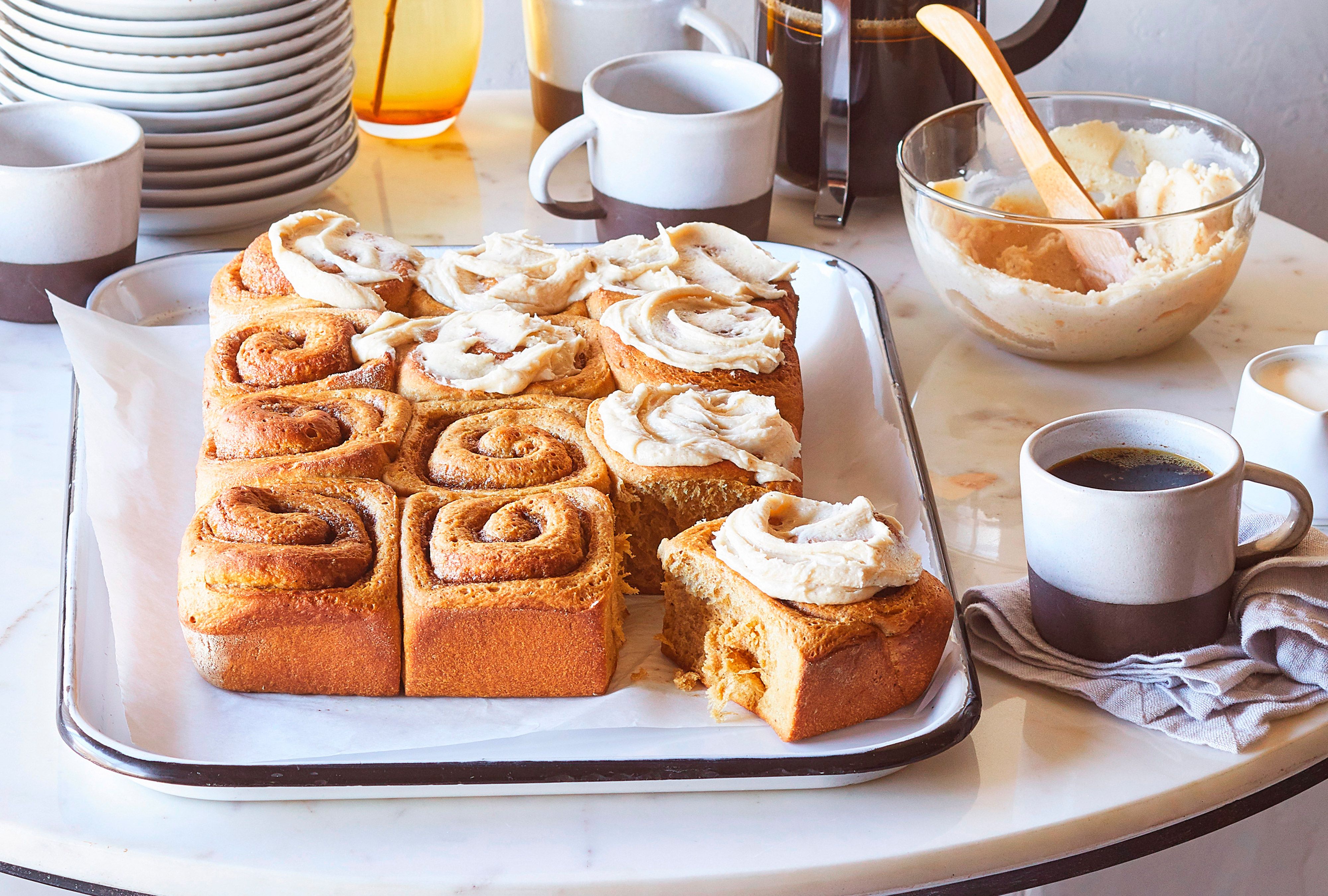
Few kitchen aromas can stop a household in its tracks quite like homemade cinnamon rolls. Coffee may wake people up, but cinnamon rolls make them float toward the kitchen like cartoon characters following a smell cloud. Soft, buttery dough. Brown sugar cinnamon filling. Cream cheese icing melting into every swirl. This is not breakfast. This is a warm hug with frosting.
This cinnamon rolls recipe is designed for home bakers who want bakery-style results without needing a culinary degree, a commercial mixer, or emotional support from a pastry chef. The dough is rich but manageable, the filling is sweet and fragrant without turning gritty, and the icing is tangy enough to keep every bite from becoming a sugar avalanche.
The secret to great homemade cinnamon rolls is balance. The dough should be soft, not dry. The filling should be generous, not sandy. The rolls should rise until puffy, not collapse like a sad balloon. And the icing should be spread while the rolls are warm, so it melts into the cracks like delicious edible glue.
Why This Cinnamon Rolls Recipe Works
A good cinnamon roll starts with enriched yeast dough. “Enriched” simply means the dough includes ingredients like milk, butter, eggs, and sugar. These make the rolls tender, flavorful, and slightly sweet before the filling even joins the party.
Warm milk activates the yeast, sugar feeds it, and butter gives the dough richness. Eggs add structure and softness, while all-purpose flour keeps the rolls fluffy instead of tough. The result is a dough that rises beautifully and bakes into soft, golden spirals.
This recipe also uses brown sugar in the filling because it brings a deeper caramel-like flavor than white sugar. Ground cinnamon delivers the cozy bakery aroma, while a pinch of salt prevents the sweetness from becoming one-dimensional. Cream cheese frosting finishes the rolls with the perfect sweet-tangy topping.
Ingredients for Homemade Cinnamon Rolls
For the Dough
- 1 cup whole milk, warmed to about 100–110°F
- 2 1/4 teaspoons instant yeast or active dry yeast
- 1/3 cup granulated sugar
- 2 large eggs, room temperature
- 1/3 cup unsalted butter, melted and slightly cooled
- 4 cups all-purpose flour, plus more if needed
- 1 teaspoon fine salt
For the Cinnamon Sugar Filling
- 1/2 cup unsalted butter, softened
- 1 cup packed light brown sugar
- 2 tablespoons ground cinnamon
- 1/4 teaspoon salt
For the Cream Cheese Icing
- 4 ounces cream cheese, softened
- 3 tablespoons unsalted butter, softened
- 1 1/2 cups powdered sugar
- 1 teaspoon vanilla extract
- 1–2 tablespoons milk or heavy cream, as needed
- Pinch of salt
How to Make Cinnamon Rolls from Scratch
Step 1: Wake Up the Yeast
Pour the warm milk into a large mixing bowl. Add the yeast and a spoonful of the sugar. Stir gently and let it sit for 5–10 minutes. If you are using active dry yeast, the mixture should look foamy. If nothing happens, your yeast may be expired or the milk may have been too hot. Yeast is alive, and like most of us, it does not enjoy being boiled.
Step 2: Make the Dough
Add the remaining sugar, eggs, melted butter, flour, and salt to the yeast mixture. Mix until a shaggy dough forms. If using a stand mixer, knead with the dough hook on medium-low speed for 6–8 minutes. If kneading by hand, turn the dough onto a lightly floured surface and knead for 8–10 minutes.
The dough should be smooth, elastic, and slightly tacky. It should not be so sticky that it clings to your fingers like a toddler refusing bedtime. Add extra flour one tablespoon at a time only if necessary. Too much flour is the fastest way to turn fluffy cinnamon rolls into cinnamon-flavored doorstops.
Step 3: Let the Dough Rise
Place the dough in a lightly greased bowl, cover it with plastic wrap or a clean towel, and let it rise in a warm spot for 1 to 1 1/2 hours, or until doubled in size. A slightly warm kitchen is ideal. If your kitchen is cold, place the bowl in an oven that is turned off with the light on.
Step 4: Mix the Filling
In a small bowl, stir together the brown sugar, cinnamon, and salt. Keep the butter separate and make sure it is softened, not melted. Softened butter spreads evenly and helps the filling stay in place. Melted butter may seem easier, but it can leak out during baking and create cinnamon lava at the bottom of the pan.
Step 5: Roll and Fill the Dough
Lightly flour your counter and roll the dough into a rectangle about 16 by 12 inches. Spread the softened butter evenly over the surface, leaving a small border along one long edge. Sprinkle the cinnamon sugar mixture over the butter and gently press it into the dough.
Starting from the long side, roll the dough into a tight log. Do not roll so tightly that the filling squeezes out, but do not leave it loose either. You want confident spirals, not cinnamon roll question marks.
Step 6: Slice the Rolls
Cut the log into 12 even pieces. For the cleanest slices, use unflavored dental floss. Slide the floss under the dough, cross the ends over the top, and pull. This cuts through the roll without squashing the layers. A sharp serrated knife also works if you use gentle sawing motions.
Step 7: Second Rise
Place the rolls in a greased 9-by-13-inch baking dish. Cover and let them rise for 30–45 minutes, or until puffy and touching each other. This second rise is important because it creates that soft, pull-apart texture. Skipping it is technically possible, but so is wearing socks with sandals. Some choices have consequences.
Step 8: Bake
Preheat the oven to 350°F. Bake the cinnamon rolls for 22–27 minutes, or until lightly golden on top and cooked through in the center. Avoid overbaking. The tops should be golden, not deeply brown. If the rolls brown too quickly, loosely tent the pan with foil during the last few minutes.
Step 9: Make the Cream Cheese Icing
While the rolls bake, beat the cream cheese and butter together until smooth. Add powdered sugar, vanilla, salt, and one tablespoon of milk. Beat until creamy, adding more milk if needed to reach a spreadable consistency.
Step 10: Frost and Serve
Let the cinnamon rolls cool for 5–10 minutes, then spread the icing generously over the warm rolls. The frosting should soften and slide into the swirls without completely disappearing. Serve immediately for maximum joy and minimum self-control.
Tips for Soft, Fluffy Cinnamon Rolls
Do Not Overheat the Milk
Milk that is too hot can kill the yeast, which means your dough will not rise. Aim for warm, not hot. If you do not have a thermometer, the milk should feel like a comfortable bath, not a volcano.
Measure Flour Carefully
Spoon flour into your measuring cup and level it off with a knife. Scooping directly from the bag packs flour into the cup and can add too much. Extra flour creates dry rolls, and dry cinnamon rolls are just bread wearing perfume.
Let the Dough Rise Fully
Rising time depends on room temperature. A warm kitchen speeds things up, while a cool kitchen slows things down. Watch the dough, not the clock. When it has doubled, it is ready.
Use Fresh Cinnamon
Ground cinnamon loses strength over time. If your cinnamon smells faint, your rolls will taste faint. Use fresh, fragrant cinnamon for bold flavor.
Overnight Cinnamon Rolls Option
To make overnight cinnamon rolls, prepare the recipe through the slicing step. Place the rolls in the greased baking dish, cover tightly, and refrigerate overnight. In the morning, remove the pan from the refrigerator and let the rolls sit at room temperature for 45–60 minutes while the oven preheats. Bake as directed.
This method is perfect for holidays, brunch, or mornings when you want applause before 9 a.m. Overnight cinnamon rolls also develop slightly deeper flavor because the dough rests slowly in the refrigerator.
Common Cinnamon Roll Mistakes
The Rolls Are Dry
Dry rolls usually come from too much flour or too much baking time. Keep the dough slightly tacky and remove the rolls from the oven when they are just golden.
The Filling Leaks Out
Some leakage is normal, but too much may mean the butter was melted instead of softened. Use softened butter and press the cinnamon sugar gently into it before rolling.
The Centers Pop Up
This happens when the dough is rolled too tightly. Roll firmly but gently. The dough needs room to expand while baking.
The Rolls Did Not Rise
Your yeast may be expired, the liquid may have been too hot, or the room may have been too cold. Check yeast freshness and give the dough a warm, draft-free place to rise.
Flavor Variations
Once you master this classic cinnamon rolls recipe, you can customize it in delicious ways. Add chopped pecans or walnuts to the filling for crunch. Sprinkle finely diced apples over the cinnamon sugar for a fall-inspired version. Add orange zest to the dough and icing for a bright citrus twist. For a richer flavor, use browned butter in the filling.
You can also turn the icing into maple cream cheese frosting by replacing the milk with maple syrup. A little espresso powder in the icing creates a coffeehouse-style roll that pairs beautifully with a hot latte.
How to Store Cinnamon Rolls
Store leftover cinnamon rolls in an airtight container at room temperature for up to 2 days, or in the refrigerator for up to 5 days. Reheat individual rolls in the microwave for 15–20 seconds. If refrigerated, they may need a few extra seconds to become soft again.
To freeze, wrap unfrosted baked rolls tightly and freeze for up to 2 months. Thaw overnight in the refrigerator, warm in the oven, and frost before serving. You can also freeze unbaked rolls after slicing, but let them thaw and rise before baking.
What to Serve with Cinnamon Rolls
Cinnamon rolls are rich, so they pair well with fresh fruit, scrambled eggs, crispy bacon, yogurt, or black coffee. For brunch, serve them with berries and a savory egg casserole. For dessert, serve warm cinnamon rolls with vanilla ice cream and pretend this was the plan all along.
Experience Notes: What Baking Cinnamon Rolls Teaches You
Making cinnamon rolls at home is not just a recipe; it is an event. The first time you make them, you may feel suspicious of the dough. Is it too sticky? Too soft? Too slow to rise? This is normal. Yeast dough has a personality, and sometimes that personality is “dramatic but worth it.”
One of the best experiences in baking cinnamon rolls is learning to trust texture. Recipes give times and measurements, but your hands tell you what is really happening. A good dough feels soft and alive. It stretches instead of tearing immediately. It clings slightly to the counter but does not glue itself there permanently. Once you recognize that feel, homemade bread and rolls become much less intimidating.
The rolling step is another small adventure. At first, the rectangle may look more like a map of an imaginary country than a perfect shape. That is fine. Cinnamon rolls are forgiving. As long as the dough is rolled evenly enough and the filling is spread across the surface, the final rolls will still look beautiful once baked and frosted. Icing hides many sins. It is basically the concealer of the baking world.
The scent is also part of the experience. As the rolls bake, cinnamon, butter, and sugar fill the kitchen with the kind of aroma that makes people suddenly become helpful. Family members who were nowhere to be found during dishwashing may appear with plates. Friends may “just happen” to visit. Even people who claim they are not hungry will accept “just a small one,” which usually means the largest roll in the center.
Another lesson is patience. Warm cinnamon rolls are incredible, but slicing into them too soon can make the icing melt completely and the dough seem gummy. Waiting just a few minutes gives the rolls time to settle while still staying soft and warm. This tiny pause is difficult, but it pays off.
Homemade cinnamon rolls also create memories because they feel special without being fancy. They are perfect for holidays, birthdays, weekend mornings, snow days, family brunches, or any day that needs a little butter-powered optimism. They invite people to slow down, gather around the table, and enjoy something made by hand.
The best part is that each batch teaches you something. Maybe next time you will add pecans. Maybe you will try orange zest. Maybe you will roll the dough a little looser or bake it two minutes less. Over time, this cinnamon rolls recipe becomes your cinnamon rolls recipe, shaped by your kitchen, your taste, and your favorite people. That is the real magic: flour, yeast, butter, cinnamon, and a little practice turning into something unforgettable.
Conclusion
This cinnamon rolls recipe gives you everything a homemade roll should have: soft dough, gooey cinnamon filling, rich cream cheese icing, and a kitchen that smells like happiness signed a lease. Whether you bake them fresh in the morning or prepare them overnight, these rolls are comforting, impressive, and surprisingly achievable.
Use warm milk, fresh yeast, soft butter, and enough patience for the dough to rise properly. Once you understand those basics, cinnamon rolls become less mysterious and much more fun. Serve them warm, share them generously, and save one for yourself before the pan mysteriously empties.

