
Makeup
Callicoon Hills: 11 Design Ideas to Steal from a Catskills Retreat
May
Note: This article is written as original editorial content based on verified information about Callicoon Hills and broader Catskills design trends. It contains no copied source text, no source-link blocks, and no unnecessary citation placeholders.
Some hotels whisper. Callicoon Hills, a historic Catskills retreat in Callicoon Center, New York, seems to lean back in a rocking chair and say, “Relax, you’re making the throw pillows nervous.” Set on 23 acres in the foothills of the Catskill Mountains, the property blends old resort nostalgia with the kind of thoughtful, modern comfort that makes city people suddenly develop strong opinions about fire pits, pine trees, and whether a breakfast coffee tastes better when consumed near a porch.
The appeal of Callicoon Hills is not that it looks overly decorated. Quite the opposite. Its charm comes from restraint: warm wood, unfussy rooms, vintage-inspired furniture, practical layouts, local character, and outdoor spaces that feel like they were designed by someone who understands that nature is already doing most of the heavy lifting. The retreat includes the historic Boarding House, Pool House, Ridge Rooms, Creekside Cabin, and seasonal A-frame cabins, creating a layered design story rather than one single “hotel look.”
For homeowners, renters, decorators, and anyone whose Pinterest boards are starting to require their own filing system, Callicoon Hills offers a masterclass in how to make a space feel relaxed, personal, and timeless. Below are 11 design ideas to steal from this Catskills retreatlegally, emotionally, and without needing to smuggle out a rocking chair under your jacket.
Why Callicoon Hills Works as a Design Inspiration
Callicoon Hills succeeds because it understands the difference between “rustic” and “I accidentally moved into a lumberyard.” The property honors its early-1900s roots while keeping the experience comfortable for modern travelers. Original-style charm sits beside updated bathrooms, plush bedding, air conditioning, Wi-Fi, curated furniture, and communal amenities such as a pool, Scandinavian-style saunas, a yoga deck, nightly s’mores, and gathering spaces across the grounds.
That balance is the real lesson. Good Catskills design is not about decorating every surface with antlers, plaid, and a motivational sign that says “Cabin Rules.” It is about creating a feeling: easy, warm, nature-aware, slightly nostalgic, and never too precious for muddy boots or a sleepy dog.
11 Design Ideas to Steal from Callicoon Hills
1. Let the Building’s History Lead the Room
The Boarding House at Callicoon Hills dates back to 1905, and the design wisely lets that history breathe. Instead of covering old bones with trendy tricks, the property leans into original hardwood floors, generous windows, and timeless proportions. This is a strong reminder for any home: before adding new decor, look at what the space already wants to be.
If you live in an older house, keep the best original features visible. Refinish floors rather than hiding them under wall-to-wall carpet. Repair trim instead of replacing it with generic molding. Use paint colors that flatter the architecture rather than fight it. Even in a newer apartment, you can create a sense of history with aged wood, vintage mirrors, classic lamps, and furniture that feels collected over time.
2. Use a Nature-Based Color Palette
Callicoon Hills draws from the Catskills landscape: forest greens, warm browns, creamy whites, soft grays, lake blues, sage, saffron, and wood tones. These colors do not shout. They behave like polite dinner guests who brought dessert.
To borrow the look, start with a calm base. Use off-white or warm neutral walls, then add earthy accents through textiles, cushions, rugs, and artwork. A sage throw blanket, ochre pillow, walnut side table, or moss-green lamp can create a Catskills mood without turning the living room into a park ranger station. The trick is to choose colors that look like they could be found outside the window.
3. Mix Vintage Pieces with Modern Comfort
One of the best design lessons from Callicoon Hills is that nostalgia works best when it is comfortable. Vintage-inspired furniture gives the rooms personality, but the experience still includes modern essentials such as good beds, updated bathrooms, practical lighting, and climate control.
At home, avoid building a room that looks like a museum exhibit titled “Grandpa’s Guest Room, 1947.” Pair an antique dresser with crisp bedding. Use a vintage wooden chair beside a modern reading lamp. Hang older artwork above a clean-lined sofa. The contrast keeps the room from feeling dated and gives every piece a reason to be there.
4. Make Wood the Main Character, Not the Entire Cast
Wood is central to Catskills interiors, but the most successful rooms use it with balance. At Callicoon Hills, hardwood floors, custom wood furnishings, A-frame structures, forest paths, and cabin details bring warmth without overwhelming the eye.
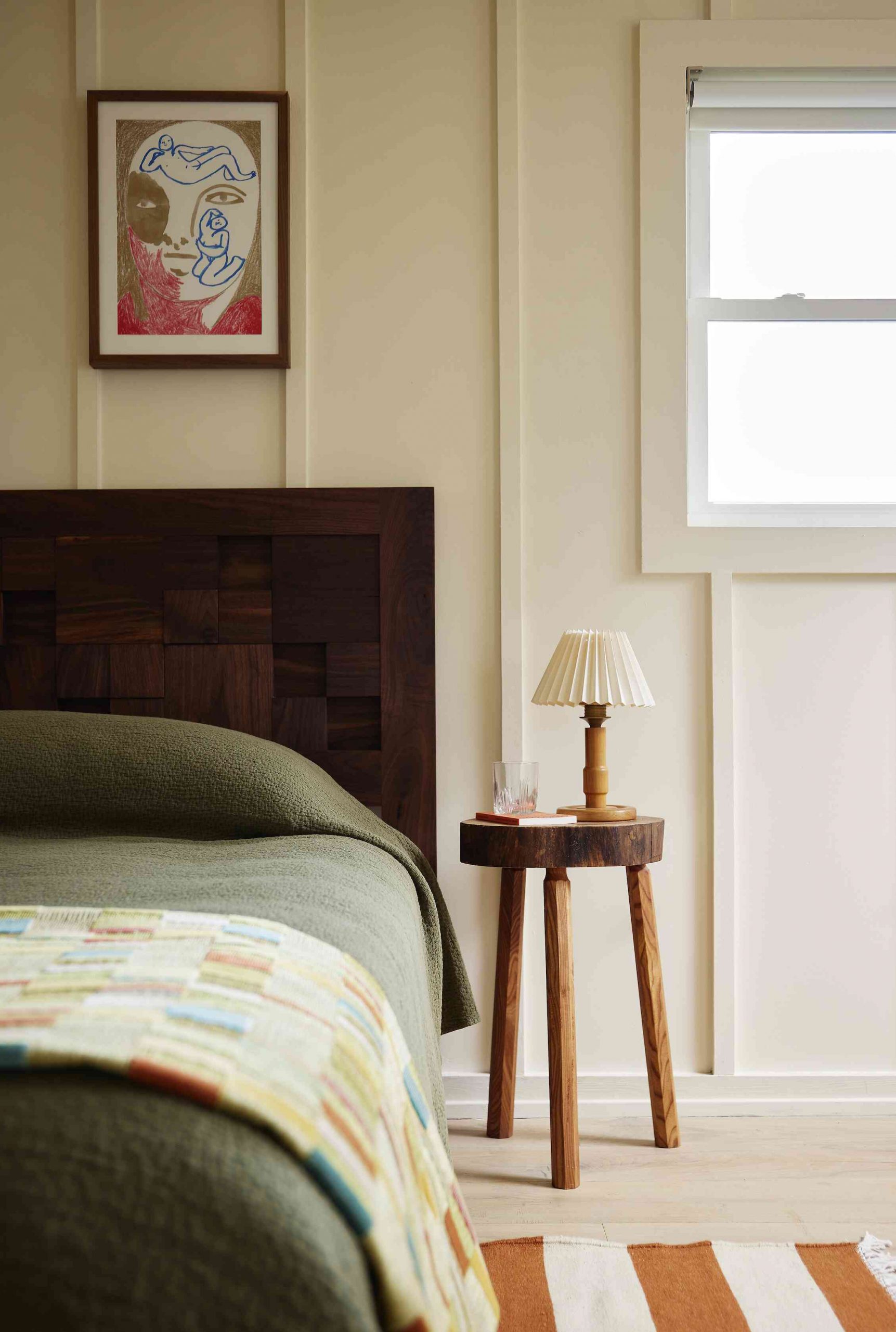
For your own space, choose one or two strong wood moments. Maybe it is a reclaimed dining table, open shelves, a pine bench, or a walnut headboard. Then soften the room with linen curtains, wool rugs, ceramic lamps, and simple upholstery. Too much matching wood can make a room feel like a sauna that got ambitious. A little contrast keeps it fresh.
5. Design for Gathering, Not Just Looking
Callicoon Hills has a strong sense of community built into the design. The Conover Club restaurant, Rise & Shine Coffee Shop, fire pits, porches, pool area, and outdoor seating make the property feel social without becoming loud. Spaces are not just staged for photos; they are designed to be used.
This is a major lesson for home design. A beautiful living room that no one wants to sit in is basically a furniture showroom with rent. Arrange chairs so people can talk. Keep side tables within reach. Add lamps that make evening conversations feel cozy. Use washable fabrics where real life happens. The goal is not perfection. The goal is for guests to sit down and immediately forget to check their phones for five full minutes, which is practically a modern miracle.
6. Treat Outdoor Space Like Another Room
Across its 23 acres, Callicoon Hills turns outdoor areas into destinations: fire pits, Adirondack-style seating, poolside patios, wooded paths, porches, and a yoga deck. The property understands that outdoor design is not just landscaping; it is hospitality.
Even a small balcony can borrow this idea. Add a weather-friendly chair, a small table, a lantern, and one container plant that looks alive enough to inspire confidence. If you have a yard, create zones: a morning coffee spot, a fire-pit circle, a reading bench, or a dining area. Think of the outdoors as square footage you have been ignoring because it does not come with drywall.
7. Add a Camp-Inspired Detail Without Going Full Summer Camp
The A-frame cabins at Callicoon Hills bring in a glamping spirit: floor-to-crown windows, plush beds, solar-powered lights, shared bathhouse access, fire pits, and forest paths. It feels adventurous but not uncomfortable. That is the sweet spot.
At home, camp-inspired design can be subtle. Try striped blankets, canvas storage bins, enamel-style trays, simple wooden stools, lantern-shaped lighting, or a peg rail by the entry. Avoid overdoing the theme. One camp reference is charming. Eleven camp references and suddenly your kitchen looks like it requires a permission slip.
8. Use Lighting to Create a Slow-Down Mood
Catskills design often feels restful because the lighting is gentle. Callicoon Hills uses the power of porches, windows, firelight, and warm interior lighting to create an atmosphere that says, “Stay a little longer.”
To recreate that mood, layer your lighting. Use overhead lights only when necessary. Add table lamps, sconces, dimmers, and shaded bulbs. Put a small lamp in unexpected places, such as a kitchen counter or hallway console. In bedrooms, use reading lights rather than one harsh ceiling fixture. Lighting should flatter your room and your face. Nobody needs to look like they are being questioned by airport security while reading a novel.
9. Make Bedrooms Simple, Soft, and Useful
The guest rooms at Callicoon Hills focus on comfort: plush beds, natural materials, sitting areas in some rooms, useful desks, generous windows, and calm finishes. The design does not try to make bedrooms perform acrobatics. They are restful, which is exactly what bedrooms are supposed to be when they are not serving as laundry storage facilities.
Steal the idea by simplifying your own bedroom. Invest in quality bedding, clear clutter from nightstands, add a reading lamp, and use a restrained palette. Include one chair or bench if space allows. Add texture through a quilt, wool throw, or woven rug. The room should help your brain power down instead of mentally reorganizing the closet at midnight.
10. Create a Sense of Place with Local Touches
Callicoon Hills feels rooted in the Western Catskills. It is not a generic boutique hotel dropped from a design catalog by helicopter. The property references local craft, outdoor recreation, regional food culture, historic resort life, and the natural landscape around Callicoon Center.
For a home, “local” does not have to mean expensive custom everything. Frame a map of your town. Display pottery from a nearby maker. Use a photograph from a local trail. Buy one piece from an antique shop instead of ordering every accessory from the same website. A sense of place gives a room soul, and soul is difficult to two-day ship.
11. Leave Room for Quiet
The most underrated design idea at Callicoon Hills is negative space. The retreat does not cram every corner with decorative noise. There is room to look out a window, walk a path, sit by a fire, or enjoy a simple room without feeling attacked by accessories.
This may be the easiest idea to steal and the hardest to practice. Edit your rooms. Remove one object from each surface. Leave a wall partly blank. Let a beautiful chair stand alone. Keep a window clear. Quiet design is not empty; it is intentional. It gives the eye a place to rest, which is very kind considering how much the eye has suffered from scrolling.
How to Bring the Callicoon Hills Look Home
You do not need a Catskills address, a 23-acre property, or an A-frame cabin to use these ideas. Start with atmosphere. Callicoon Hills feels warm because its design choices support a slower rhythm. The rooms are not trying to impress you with shiny luxury. They are trying to make you exhale.
Begin with materials: wood, linen, wool, cotton, ceramic, rattan, stone, and matte metal. Then choose furniture with simple silhouettes. Add vintage pieces where they make sense. Keep colors grounded in nature. Use lamps instead of relying on overhead lighting. Finally, create at least one ritual-friendly corner: a chair for reading, a porch seat for morning coffee, a dining nook for long conversations, or a fire-pit area for storytelling.
The best part of this approach is that it ages well. Trend-heavy rooms often feel stale the moment the internet moves on. A home inspired by Callicoon Hills can evolve because it is built around comfort, memory, and materials that already know how to behave.
Common Mistakes to Avoid
Do Not Confuse Rustic with Rough
Rustic design should still feel cared for. Scratched wood, handmade ceramics, and worn leather can be beautiful. Random clutter, bad lighting, and furniture that threatens your spine are less charming.
Do Not Over-theme the Room
A Catskills-inspired home does not need bear art in every hallway. Use natural textures, old-meets-new furniture, and warm colors. Let the reference be subtle.
Do Not Ignore Comfort
Design is not successful if everyone avoids the chair because it feels like punishment. Callicoon Hills works because it pairs style with actual ease. Follow that lead.
Experience Notes: Living with the Callicoon Hills Feeling
The most memorable thing about a place like Callicoon Hills is not only how it looks, but how it changes the speed of the day. A design-inspired stay in the Catskills starts before you even unpack. You arrive, notice the hills, hear the gravel underfoot, and suddenly the usual city rhythm begins to loosen its grip. The design supports that shift. Nothing feels too glossy. Nothing demands a dramatic entrance. The spaces invite you to wander, sit, eat, read, stretch, and do the rarest vacation activity of all: absolutely nothing, but with style.
Imagine waking in a room with wood floors, soft bedding, and windows that frame trees instead of traffic. The design does not need to perform because the morning light is already doing a solo. You might walk to Rise & Shine for coffee, then carry it outside where the air feels cooler and cleaner than your usual inbox. A well-designed retreat understands these tiny rituals. It places seating where people naturally pause. It gives you a path to follow without making the property feel overly planned. It lets breakfast, weather, and conversation become part of the decor.
By afternoon, the best Catskills design begins to reveal its practicality. A pool area needs durable furniture. A porch needs chairs that encourage lingering. A guest room needs hooks, not just art. A cabin needs atmosphere, yes, but also enough comfort that “immersed in nature” does not become code for “why is my back angry?” Callicoon Hills shows how useful design can still feel romantic. The property offers outdoor activity, but it also offers the soft landing afterward: saunas, fire pits, communal spaces, and rooms that feel calm rather than overworked.
The evening experience is where this design language really shines. Firelight makes wood warmer. Simple chairs become gathering places. A restaurant with a relaxed, welcoming atmosphere turns dinner into part of the stay rather than just a meal. The design encourages people to look up, talk longer, and stay outside until the temperature politely suggests a sweater. That is a lesson worth bringing home. A great house is not just a collection of attractive objects. It is a stage for better habits.
To recreate that experience in your own space, think in moments rather than products. Where will you put your morning drink? Where will a guest drop a bag? Where can two people talk without shouting across a coffee table the size of a small nation? Where does the light fall at 5 p.m.? These questions matter more than whether your side table is officially “rustic modern.” Callicoon Hills feels successful because the design serves the experience first. The style follows naturally, wearing hiking boots and somehow still looking fantastic.
Conclusion
Callicoon Hills is a reminder that great design does not have to be loud, expensive, or painfully polished. Its Catskills retreat style works because it respects history, welcomes nature, embraces comfort, and leaves enough breathing room for real life to happen. From original wood floors and sage-toned rooms to A-frame cabins, fire pits, porches, and vintage-meets-modern details, the property offers ideas that translate beautifully into everyday homes.
The biggest takeaway is simple: design for feeling first. Choose materials that age gracefully. Add local character. Make gathering easy. Create quiet corners. Let outdoor space become part of the home. And above all, resist the urge to decorate every inch as if a camera crew is arriving at noon. The best rooms, like the best retreats, know when to charm and when to step back.

